SEARCH


Chemistry at the service of sustainable livestock farming: how research on stable waste contributes to reducing the impact of livestock farming
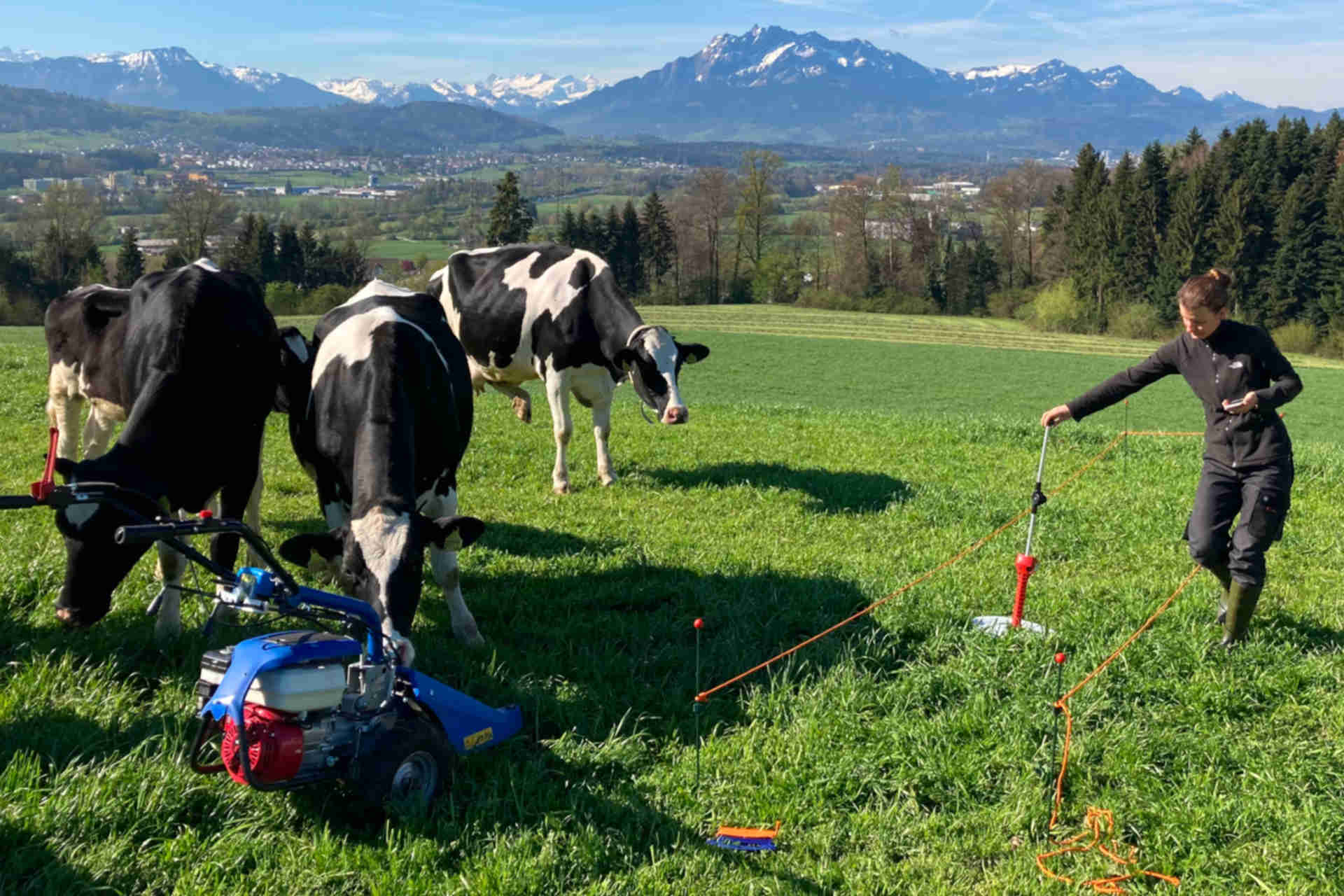
Field measurement of grass growth with a herbometer (Photo: Agroscope)
Improve the efficiency of nutrients e reduce the emissions pollutants are crucial challenges for the future of agriculture and animal husbandry. According to the latest data from the Italian ISPRA, in fact, well over half of the greenhouse gas emissions directly depends on the management of manure in farms.
A large part of the responsibility, it is known, is attributed to large ruminants, and this is why the Canton of Lucerne in Switzerland, which has always been characterized by an intense presence of cattle farms, is the right place to find new solutions for a animal husbandry planet.
The activities of the Experimental Station "Flows of Nutrient Substances" will involve 26 farms in the Lucerne area in a major project that aims to reduce the phosphorus and nitrogen emissions through a more rational management of nutrients that starts from a thorough investigation of the sewage.
Future chemistry: the new challenges of the industry for sustainability
In Switzerland, new rules for more sustainable agriculture
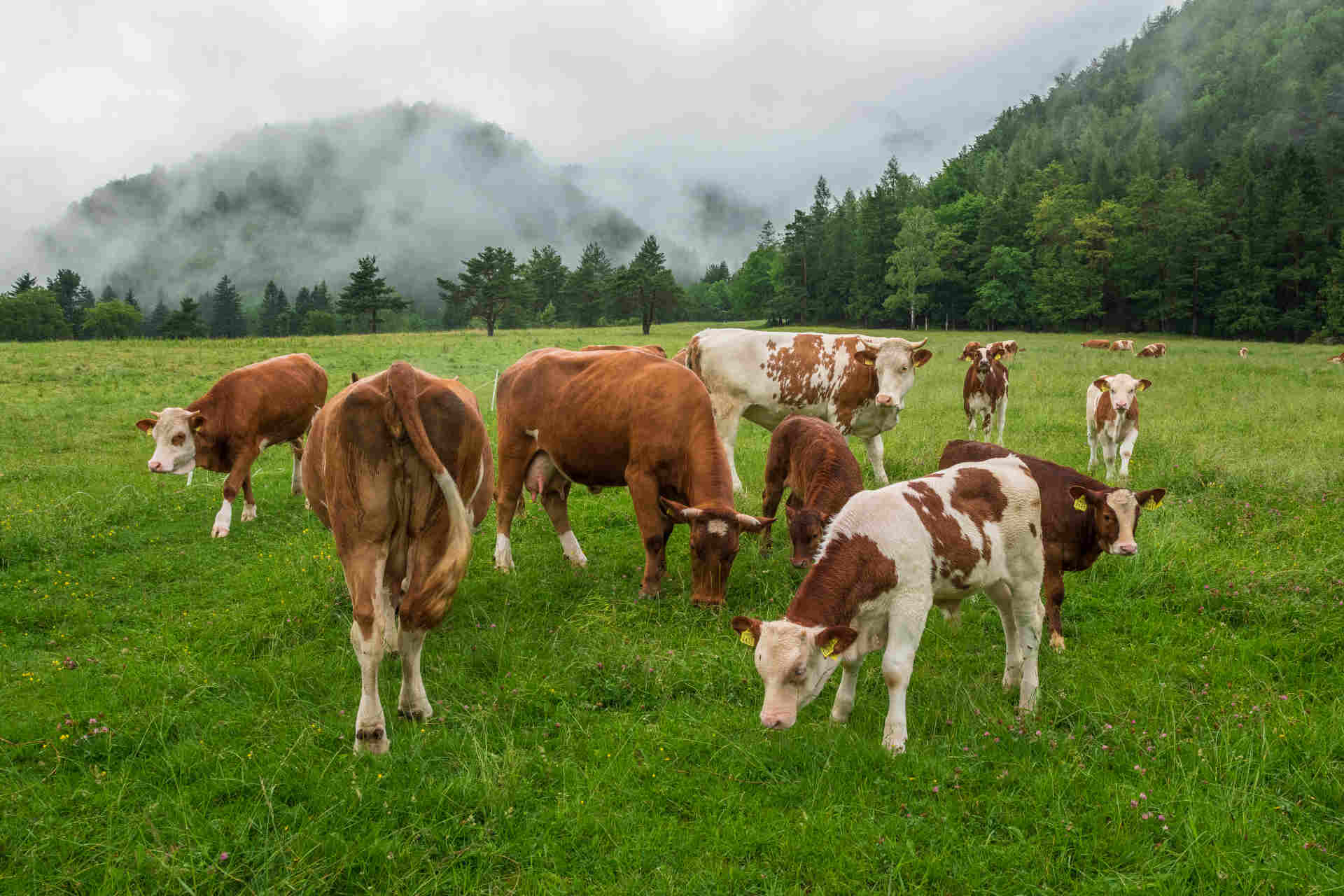
An experimental station for slurry measurement
The project of the experimental station "Flows of nutrients", approved by the Federal Council Swiss in 2020, is today ready to enter a new phase thanks to the active commitment of 26 farms who have joined the mission of the station.
The businesses, which are all located in the Canton of Lucerne and who mainly deal with pig and dairy cattle breeding, are already contributing to the search for new solutions to reduce nitrogen and phosphorus emissions in breeding.
agroscope, one of the research partners, is currently collecting in-depth data from companies, in particular by examining samples of forage, manure and slurryThis will allow for detailed analysis of actual nutrient flows and optimization of nutrient cycles.
To reduce the emissions, in practice, the most rational thing to do is to intervene on the livestock diet and on the use of their manure: over half of greenhouse gas emissions, according to data from theItalian In fact, ISPRA depends on sewage and enteric fermentation, i.e. on the production of methane as a by-product of forage digestion by ruminants.
Genetic engineering for sustainable agriculture and food
In Switzerland, digitalisation is taking hold in agriculture
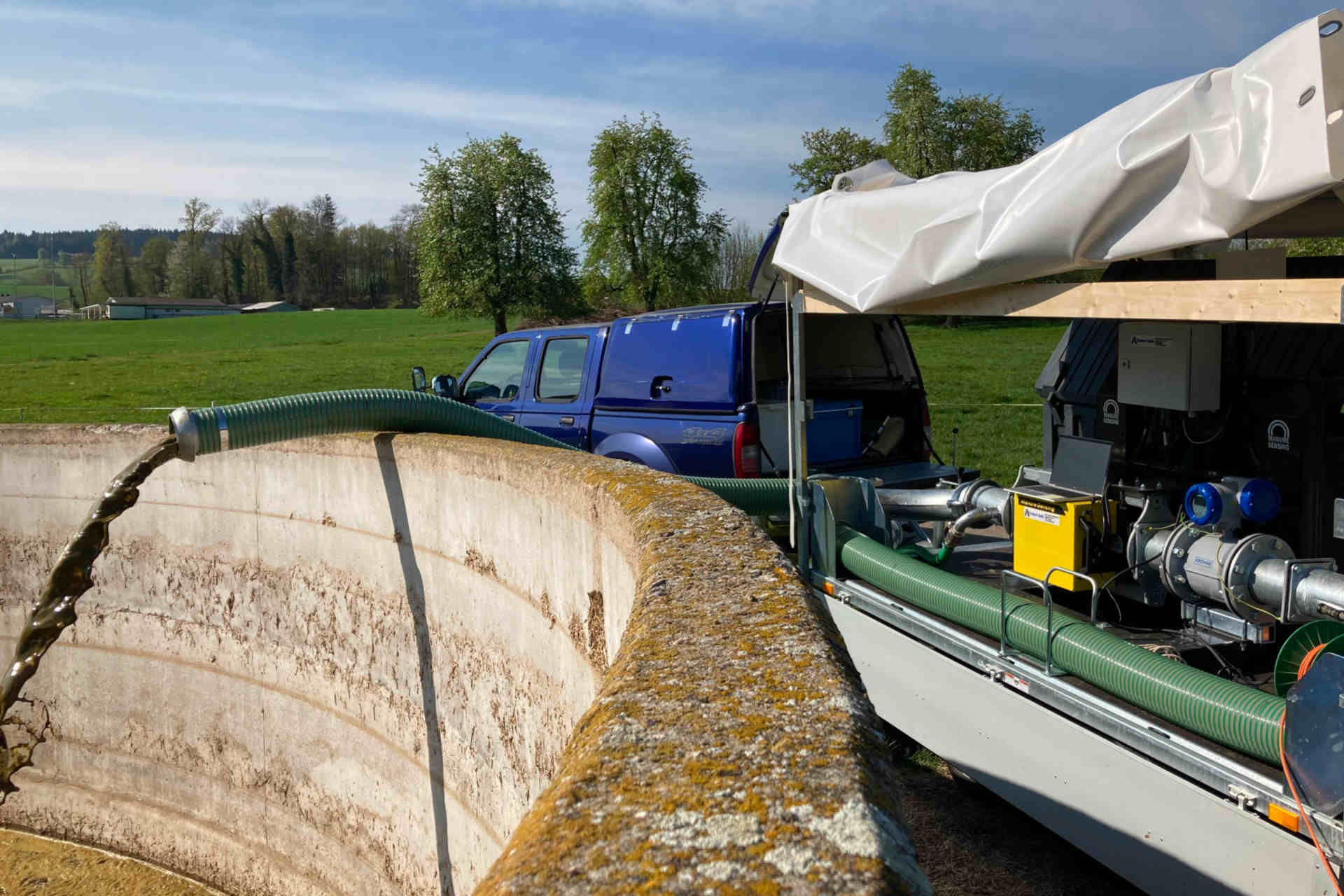
Livestock emissions: why sewage should be analysed
The Federal Council Swiss has set a very specific goal: to bring down the losses of nitrogen and phosphorus by 20 per cent by 2030 compared to the average for the period 2014-2016. And it is in this context that the great project that aims to rationalize the cycle of nutrients implemented by Agroscope in collaboration with the Canton of Lucerne and the farmers' associations Suisseporcs and Agridea.
Thanks to technologies of the experimental station, which exploit a particular sensor in the near infrared, the researchers can measure in real time the sewage composition, defining the content of the nutrients it contains.
In parallel, other data relating to the company management, ranging from the type of supply intended for animals until storage analysis e spreading of fertilizers farms, i.e. manure and slurry produced by livestock.
This will make it possible to plan the use of manure in fertilization with greater precision, avoiding dispersions and optimizing the nutrient cycle from a point of view that closely resembles other examples of circular economy, and which can be decisive for the future of livestock activity.
What do many food excellences and Heparin have in common?
New experimental station for mountain agriculture
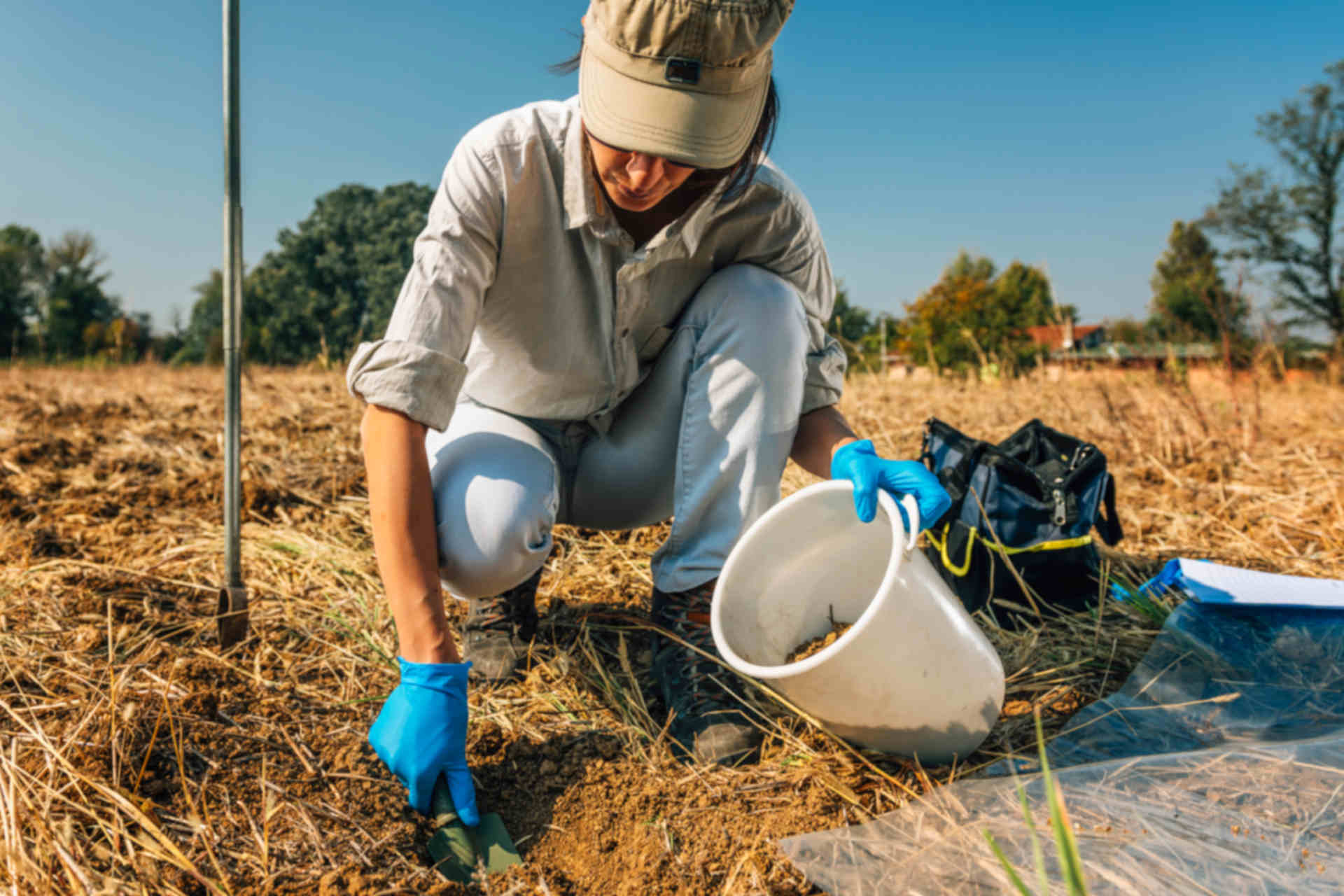
Science in search of practical solutions for farms
Nitrogen and phosphorus emissions are the focus of the project agroscope not only due to the failure to achieve the objectives set by the Federal Council for Agriculture Switzerland. As stated in a report by the EU Commission, which for its part intends to halve the loss of nutrients into the environment by 2030, worldwide the excess of nitrogen and phosphorus dispersed in the environment has already exceeded the safety of the planet and poses a serious threat to both nature and the climate.
It is therefore not surprising that the first declared objective of the experimentation Switzerland both to contribute to close the cycles of substances, devising in concert with the operators of the sector effective and easily applicable solutions in practice.
La practice-oriented agricultural research, reads an official note from the Federal Department of Economy, Education and Research (DEFR), is particularly important “in regions with higher animal production, such as the Canton of Lucerne”, which are also those that deviate most from the objectives set for 2030.
Chemical risk: knowing it, preventing it and treating it…
The concrete help of the forest to our energy transition
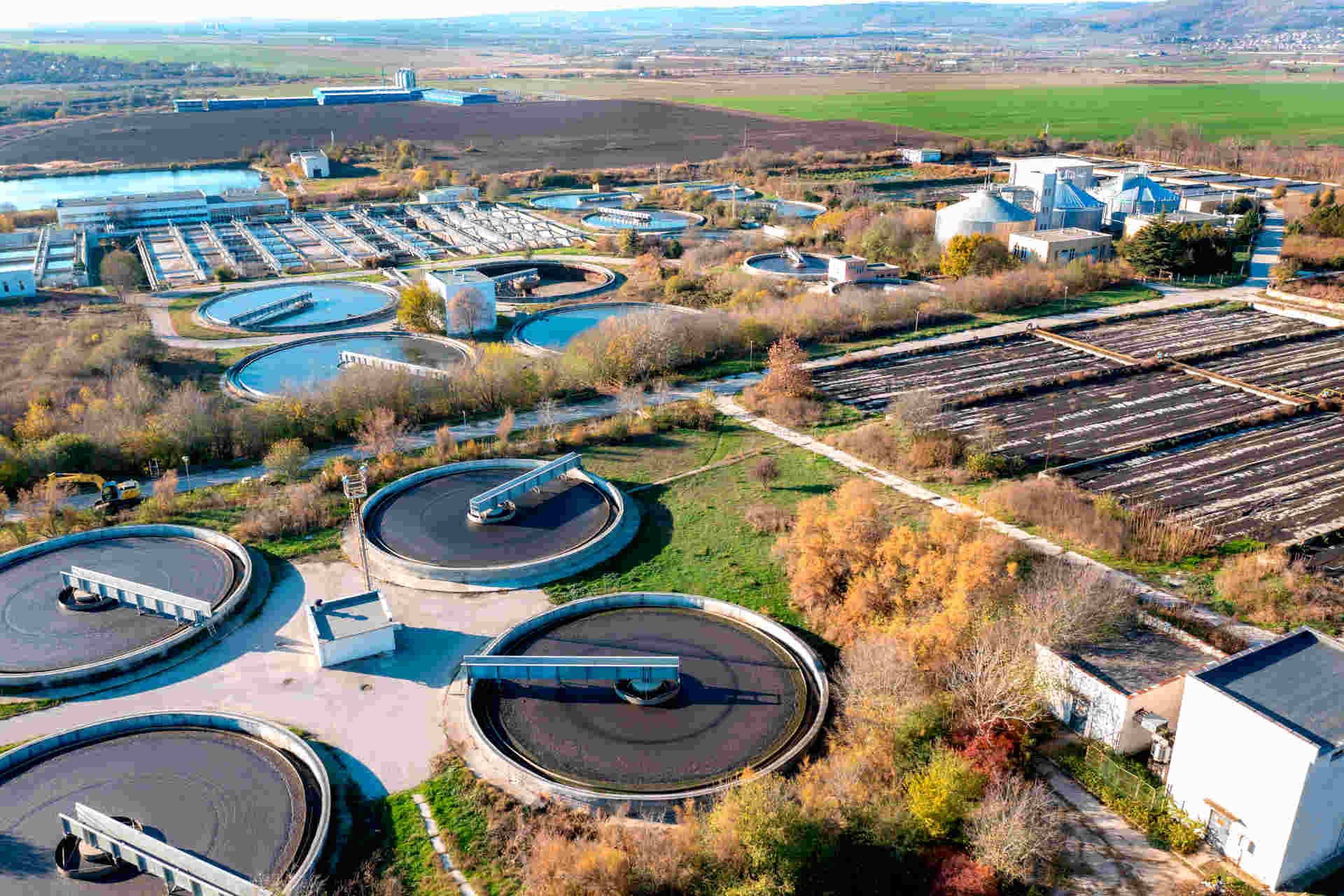
From forage to sewage, this is the theme of zootechnical pollution
In the "Focus on emissions from agriculture and livestock", published by the Higher Institute for Environmental Protection and Research of the nearby Italian Republic in 2020, some are proposed mitigation actions for the reduction of greenhouse gas emissions by the livestock sector.
The proposed solutions primarily concern the manure management, which can be used for biogas recovery in anaerobic digesters, but also thesupply of animals: to reduce thegreenhouse gas emission, in particular, the adoption of one is recommended low protein diet.
In fact, proteins are distinguished from other nutrients precisely by the high percentage of nitrogen, which averages around 16 percent. This element, in ammonia state and in the form of nitrates, it's a air pollutant and is very soluble in water, posing a serious threat to the water bodies.
To get an idea of how much of a concrete problem it is, just think that the first Directive of the European Council on thepollution from nitrates from agricultural sources bears the date 1991.
An Emilian "smart farm" to rejuvenate agriculture from within
Those reactions on a gold base pioneering a "new chemistry"
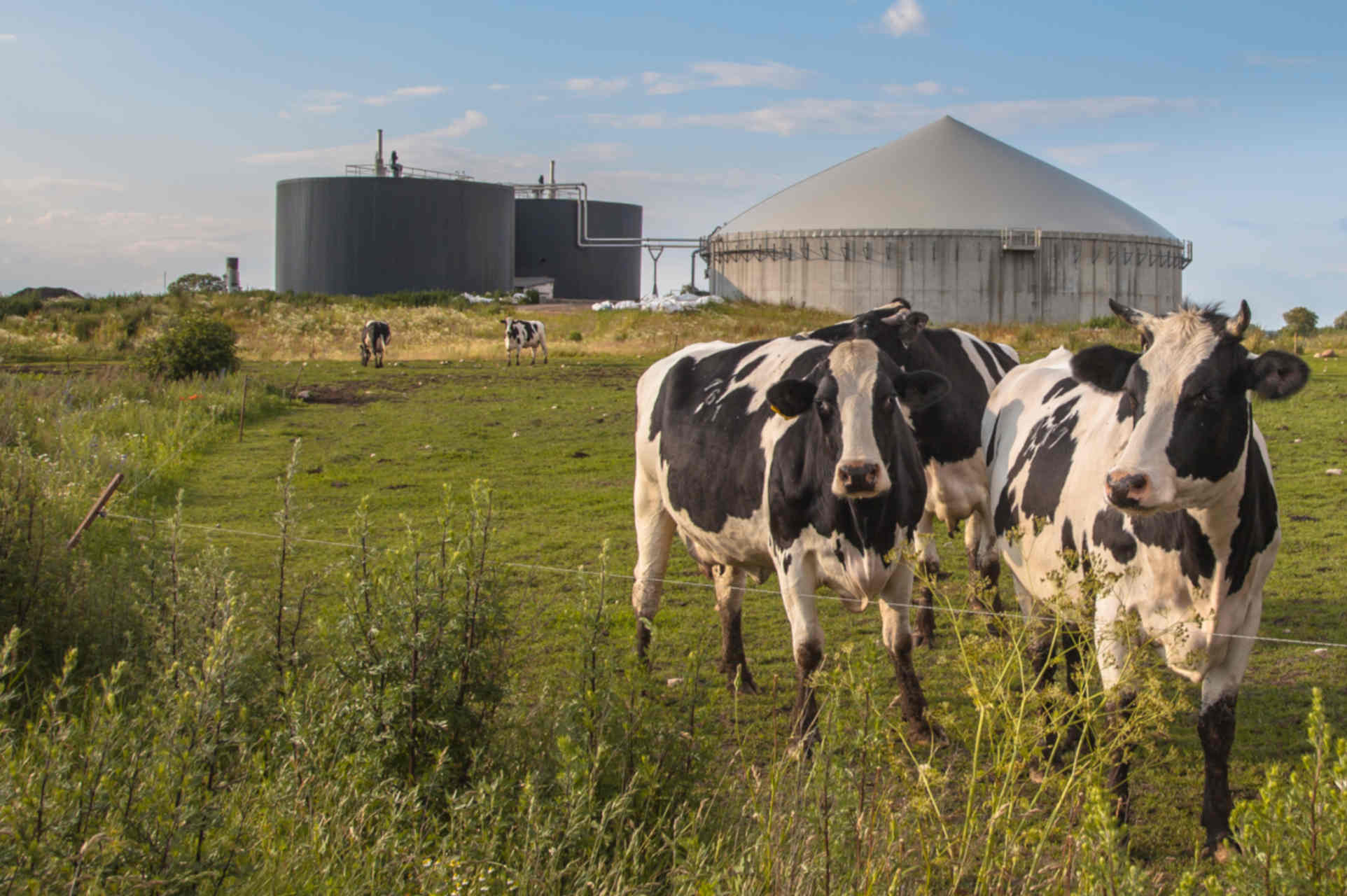
Nutrient balance: the key to sustainable farming
In recent years, animal husbandry has been the scene of important experiments in the field of resource optimization: the production of biogas from wastewater and the transformation of the ex foodstuffs in quality feed are just a few examples of how i principles of the circular economy can find application in agriculture.
The knowledge and valorisation of livestock residues, in this sense, is central: as stated in the publication "Operational guidelines" for the management of livestock manure" of the Department of Agricultural and Environmental Sciences of theUniversity of Milan, “The first step in careful manure management is to know its quantities and characteristics. In particular, it is necessary to take into account the variations that may occur during the relaying, removal and storage phases in order to evaluate the characteristics of the effluents at the time of use".
The key as always is in the chemistry, and more specifically in the nutrient balance, i.e. the difference between input and output nutrients in an agricultural system: in fact, dispersion occurs when there is a surplus of nutrients in the soil, which plants are unable to absorb.
Constantly monitor the flows of nutrients, as is the case today in pioneer companies in the canton of Lucerne, is the first step to deliver pragmatic solutions to farmers who intend to reduce losses ed harmful emissions, as well as a remarkable example of how circularity can be applied to a complex and crucial sector such as animal husbandry.
Study on rain in Bologna to beat urban pollution
Ink from waste oils: the sustainable innovation of IsusChem
Nitrous oxide emissions from cow pastures are lower than expected (in German language)
Nitrous Oxide Emissions From Cow Pastures Are Lower Than Expected (in French)
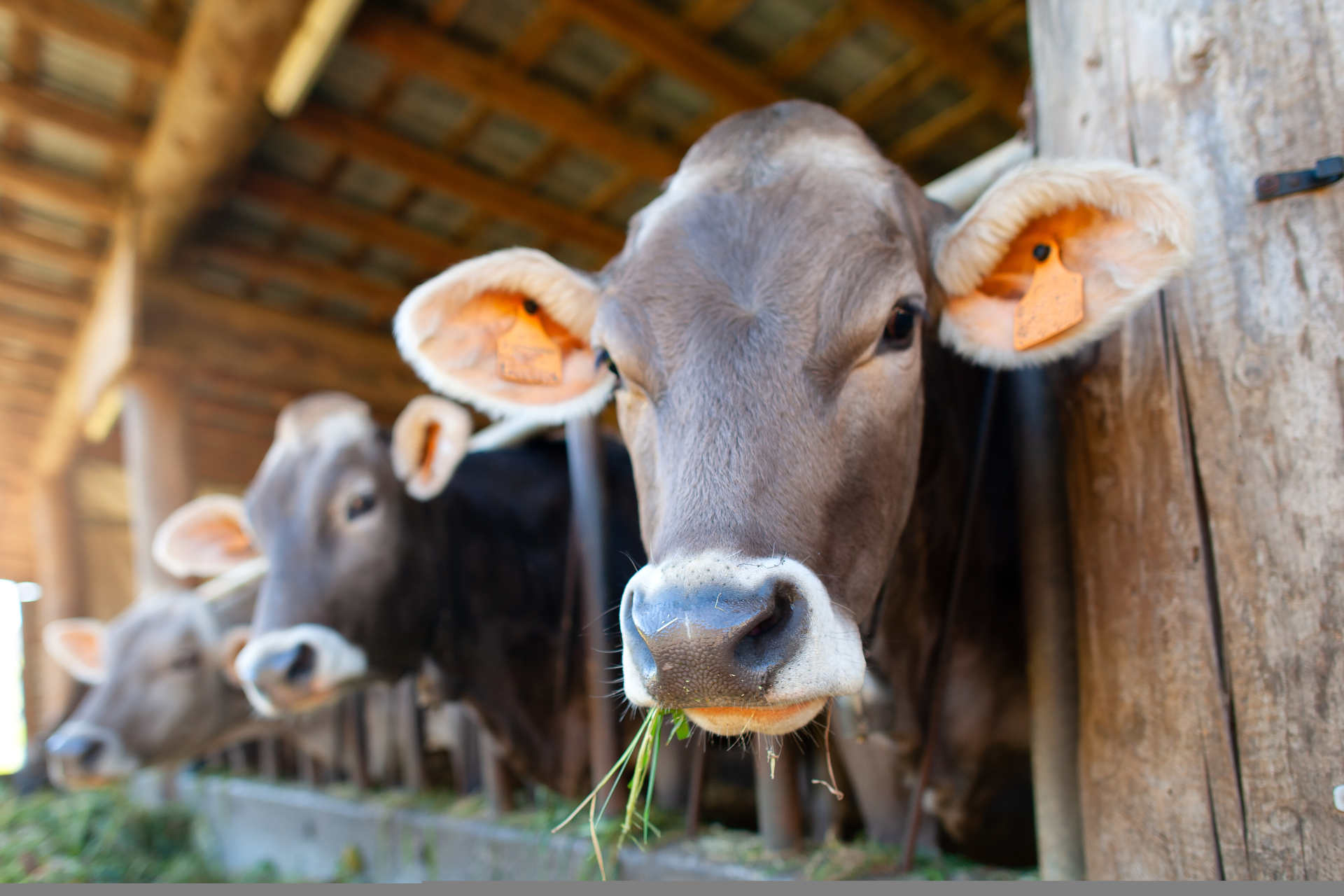
Sustainable zootechnics also passes through the diet of cows: the new project in Switzerland