SEARCH


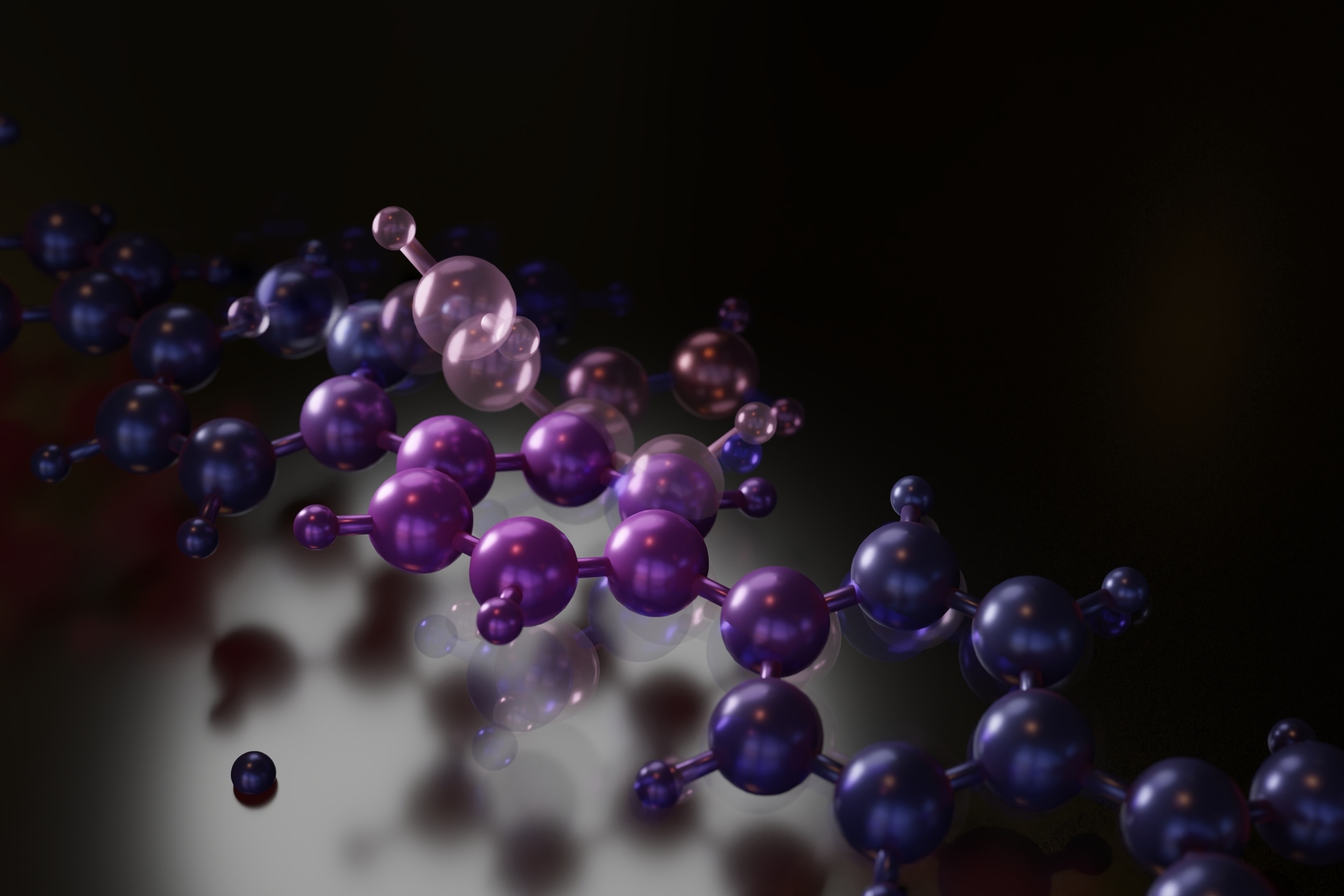
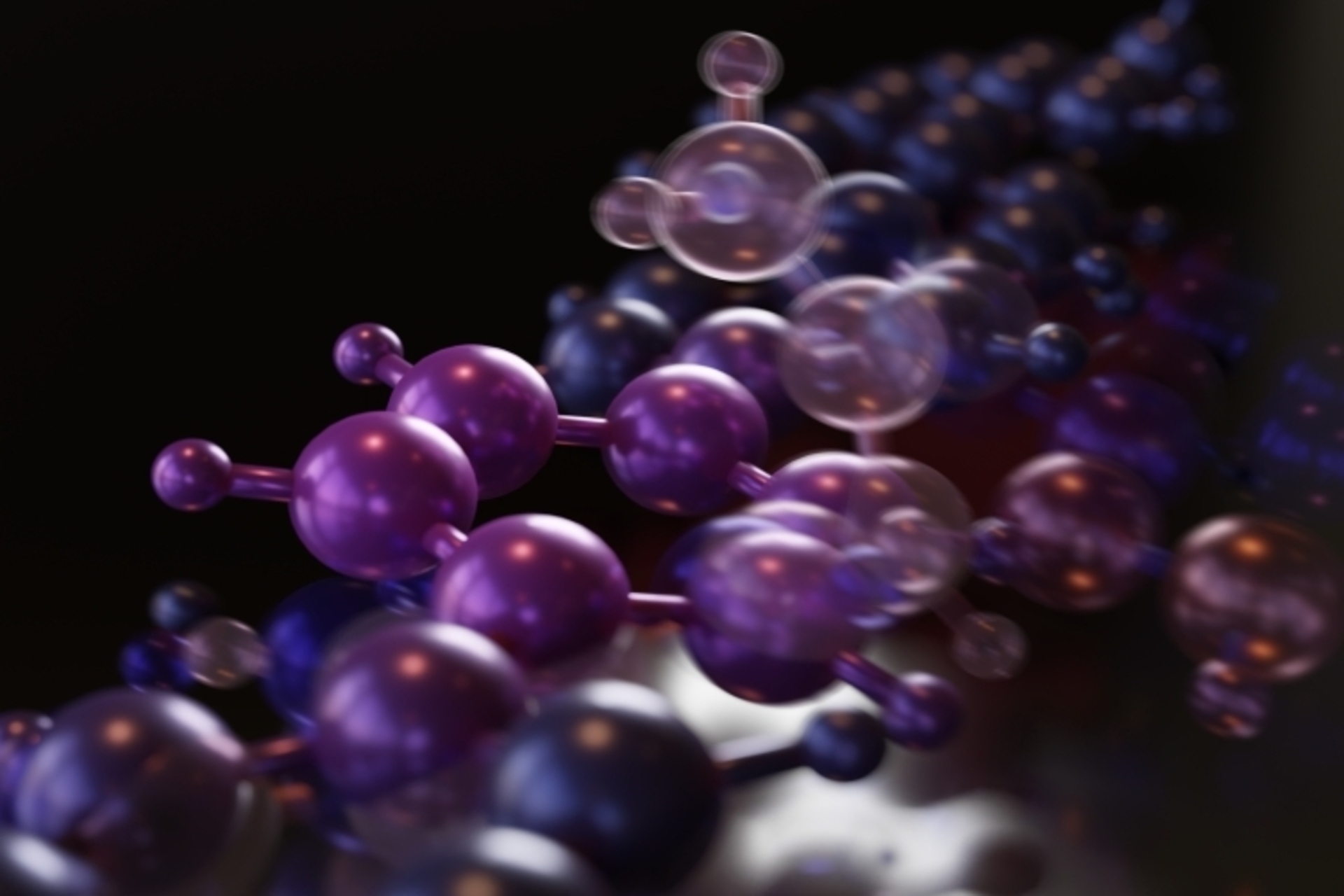
EMPA and the Max Planck Institute have combined (and “photographed”) molecules stationary next to each other in the ultra-high vacuum
(Photo: EMPA)
Chemical syntheses in liquids and gases take place in three-dimensional space. Random collisions between molecules must lead to something new in an extremely short time.
But there is another method: on a gold surface, under conditions of high vacuum, it is possible to combine molecules stationary next to each other, including those that would never want to react spontaneously with each other in a liquid.
Researchers from EMPA and the Max Planck Institute have now discovered such a reaction. And above all, experts can "photograph" and observe each stage of the reaction.
In 3D the technological glove that will make Virtual Reality tangible
(Photo: EMPA)
The benzene rings of graphene and graphite, but also of indigo for jeans and aspirin
In chemistry there are particularly stable structures, such as the so-called "benzene ring", composed of six interconnected carbon atoms.
These rings form the structural basis of graphite and graphene, but are also present in many dyes, such as indigo for jeans, and many drugs, such as aspirin.
When chemists wanted to construct such rings in a targeted way, they used so-called coupling reactions, which usually bear the name of their inventors: for example, the Diels-Alder reaction, the Ullmann reaction, the Bergman cyclization or the Suzuki coupling.
Now there's another one that doesn't have a name yet.
It was discovered by a team from the Swiss Federal Laboratory for Materials Testing and Research together with the Max Planck Institute for Polymer Research in Mainz, Germany.
A drill with an “intelligent” tip so as not to irritate human nerves
(Photo: EMPA)
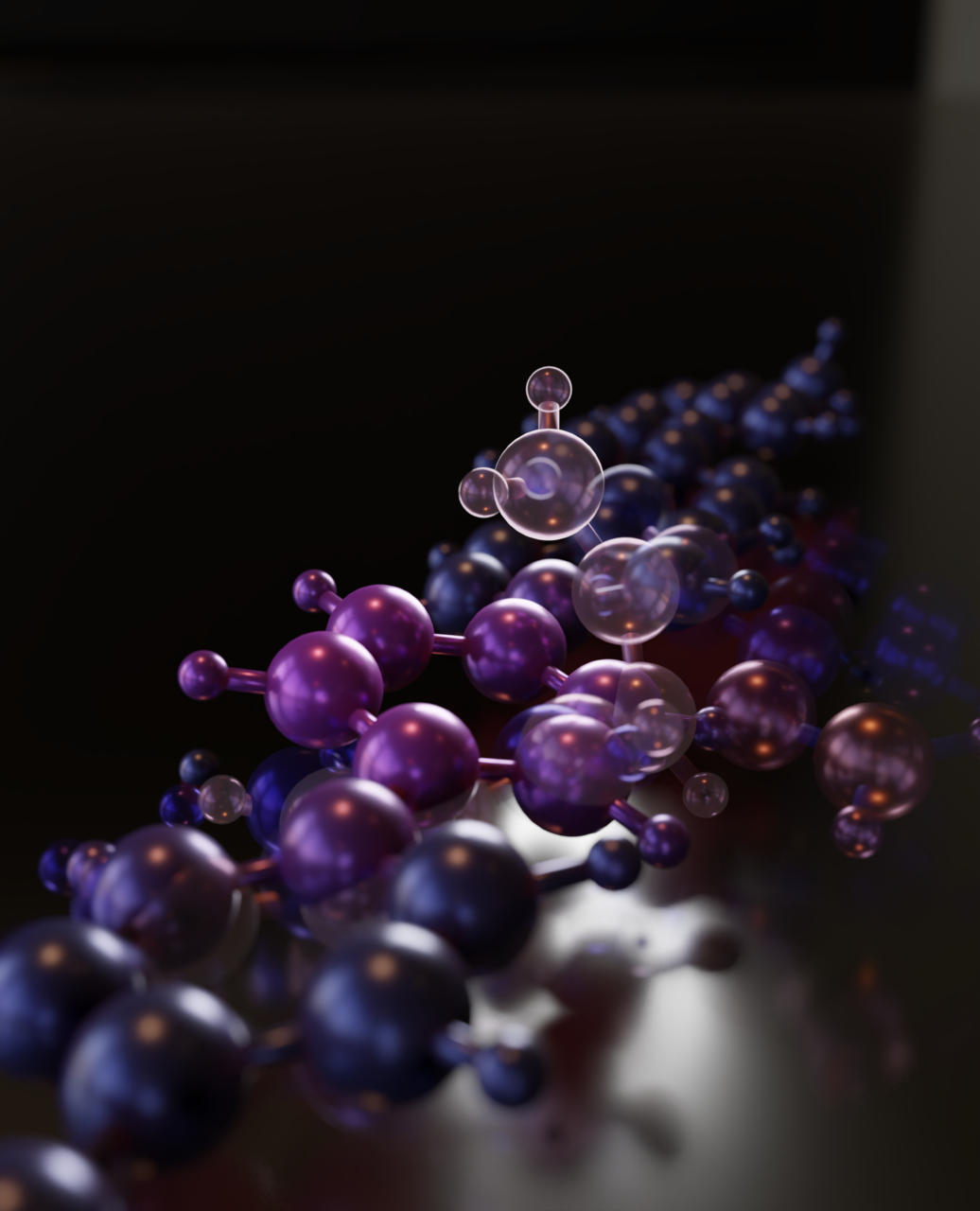
Diisopropyl-p-terphenyl as a "resting phase" starting material on a gold surface
The EMPA researchers omitted the liquids in their chemical synthesis and instead attached the starting materials to a gold surface in an ultra-high vacuum.
The starting material (diisopropyl-p-terphenyl) can be observed resting quietly in the cooled tunneling microscope before the researchers turn up the heat.
On the ISS incandescent drops of exceptional Swiss glass
(Photo: EMPA)
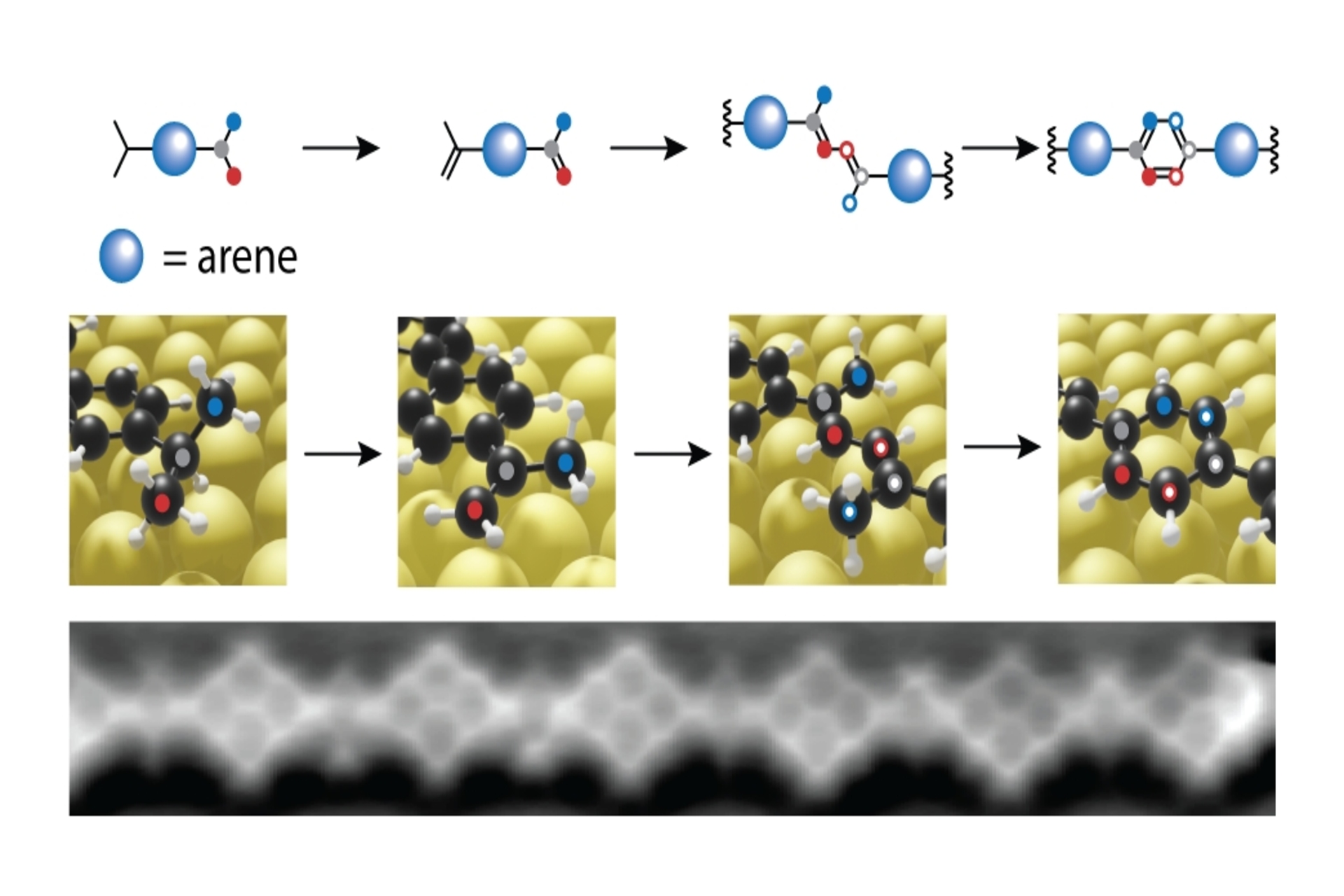
At 200 degrees Celsius, the surprising reaction that would never occur in liquids takes place
At room temperature nothing happens yet, but at about 200 degrees Celsius an amazing reaction takes place, which would never occur in liquids.
The two isopropyl groups, which are normally completely chemically inactive, combine to form a benzene ring.
The reason: Due to the strong "adhesion" on the gold surface, a hydrogen atom is first loosened and then released from the molecule.
This creates carbon radicals that are waiting for new partners. And on the surface of gold there are many partners…
At 200 degrees Celsius, the molecules vibrate and perform rapid pirouettes: there is a lot of movement on the… golden “dance floor”.
Thus, what belongs to one or the other quickly aggregates.
(Photo: EMPA)