SEARCH


With Kintsugi Health, even tone, pauses, rhythm and frequency become possible indicators of a person's emotional and psychological state

Behind a simple and common "I am fine" chronic stress, burnout, anxiety or forms of psychological distress may be hidden, especially in the workplace, they are not always immediately recognizableIn professional environments, on the other hand, goals and possibly pressures are shared, but not necessarily a profoundly personal dimension, which is why intercepting the most silent signs of mental distress is one of the new great challenges of workplace safety.
For this reason, even the mere possibility of analyzing vocal biomarkers associated with psychological well-being opens up previously unthinkable possibilities. Through variations in tone, rhythm, pauses, and frequencies of the voice, artificial intelligence can identify potential signs of emotional fatigue. even before the discomfort is openly expressedA perspective that, beyond the human aspect, is increasingly of interest to companies, aware of how mental health and productivity are today deeply intertwined.
Kintsugi Health, a healthcare technology company founded in 2019 in Berkeley, is also moving in this direction. California, which in turn developed Kintsugi Voice, a platform based on artificial intelligence-based voice analysis for mental health screening. Today, healthcare facilities and insurance companies are using the technology to quickly and scalably detect potential signs of psychological distress, thus paving the way for new reflections on the relationship between prevention and the workplace.
Kintsugi: The Art of Repairing Cracks with Gold for Mental Health
The company's name itself is no coincidence. The Japanese term “Kintsugi” refers to the ancient technique of restoration of broken ceramics using gold, thus transforming the cracks into an integral part of the object rather than hiding them. A philosophy that here becomes a clear metaphor for mental health, with the aim of developing technologies capable of filling gaps in behavioral health infrastructure and expanding access to psychological care.
And it is no coincidence that the cultural reference to the Japan is also intertwined with the theme of karoshi, the phenomenon of overwork-related deaths that for years has been one of the most extreme symbols of modern work pressure. The term, in this case, was first used in 1969, following the stroke death of a young employee, just 29, working in the delivery department of one of Japan's leading newspapers. The man worked dozens of hours of overtime each week, and despite early signs of illness, the company allegedly forced him to work even harder, eventually leading to his collapse.
What is now considered the first documented case of karoshi (literally, of a “death from too much work”) has only transformed, over the years, into a real global emergencyEven today – to limit ourselves only to the country where the expression was born – according to recent government data cited by the World Economic Forum, approximately one Japanese worker in ten exceeds 80 hours of overtime per month, a threshold considered to be at high risk of karoshi.

The new frontier of occupational health involves vocal biomarkers and AI
The answer to karoshi, inevitably, today also passes through the construction of healthier and more sustainable work environments, a field where technologies like those developed by Kintsugi Health are beginning to be considered potential prevention tools. The goal is, essentially, to identify early signs of stress and emotional fatigue before the distress escalates, intervening when the symptoms are still barely noticeable. This priority takes on ever greater importance considering that in May 2019, the World Health Organization officially recognized burnout as a syndrome linked to chronic work-related stress.
In practice, Kintsugi has developed a vocal biomarker technology A clinically validated app that uses artificial intelligence and voice analysis to detect potential signs of depression and anxiety. Insurance companies, healthcare providers, and various industry partners are now using the platform to conduct accurate and widespread mental health screenings, thus expanding access to psychological prevention tools.
Founded in California's Bay Area, the company has raised $28 million in funding to date, including $20 million in a Series A round led by Insight Partners in 2022 and another $8 million in seed funding backed in 2019 by Acrew Capital and the National Science Foundation. In recent years, the team has also received several accolades in the healthcare AI sector, including being named to the 2023 Fierce 15 list and the 2022 Forbes AI 50.
Tone, pauses and frequencies: how the voice becomes a screening tool
The principle behind Kintsugi Voice is relatively simple, at least on paper: psychological distress often emerges before in the way a person speaks than in the words it chooses. The platform developed by the company analyzes short voice samples to identify potential signals associated with depression, anxiety, and emotional fatigue through vocal biomarkers processed by artificial intelligence. For this reason, rather than the content of the speech, the system focuses on elements such as tone, rhythm, pauses, intonation, and voice frequency.
The idea also stems from a structural problem in contemporary mental health: many people don't openly express their distress or do so too late, while doctors and healthcare systems are often overwhelmed. By identifying potential signs of psychological distress early, platforms like Kintsugi Voice aim to introduce models of predictive prevention similar to those already used in the management of physical and occupational risk, promoting timely interventions before the discomfort requires more complex or emergency clinical pathways.
From a technical point of view, the platform only needs one short audio clip of free speech for analysis, without focusing on the meaning of spoken words. According to the company, the system can also be directly integrated into existing clinical workflows and used regardless of the language spoken.
The founders' goal: mental health at the same level of attention as physical health
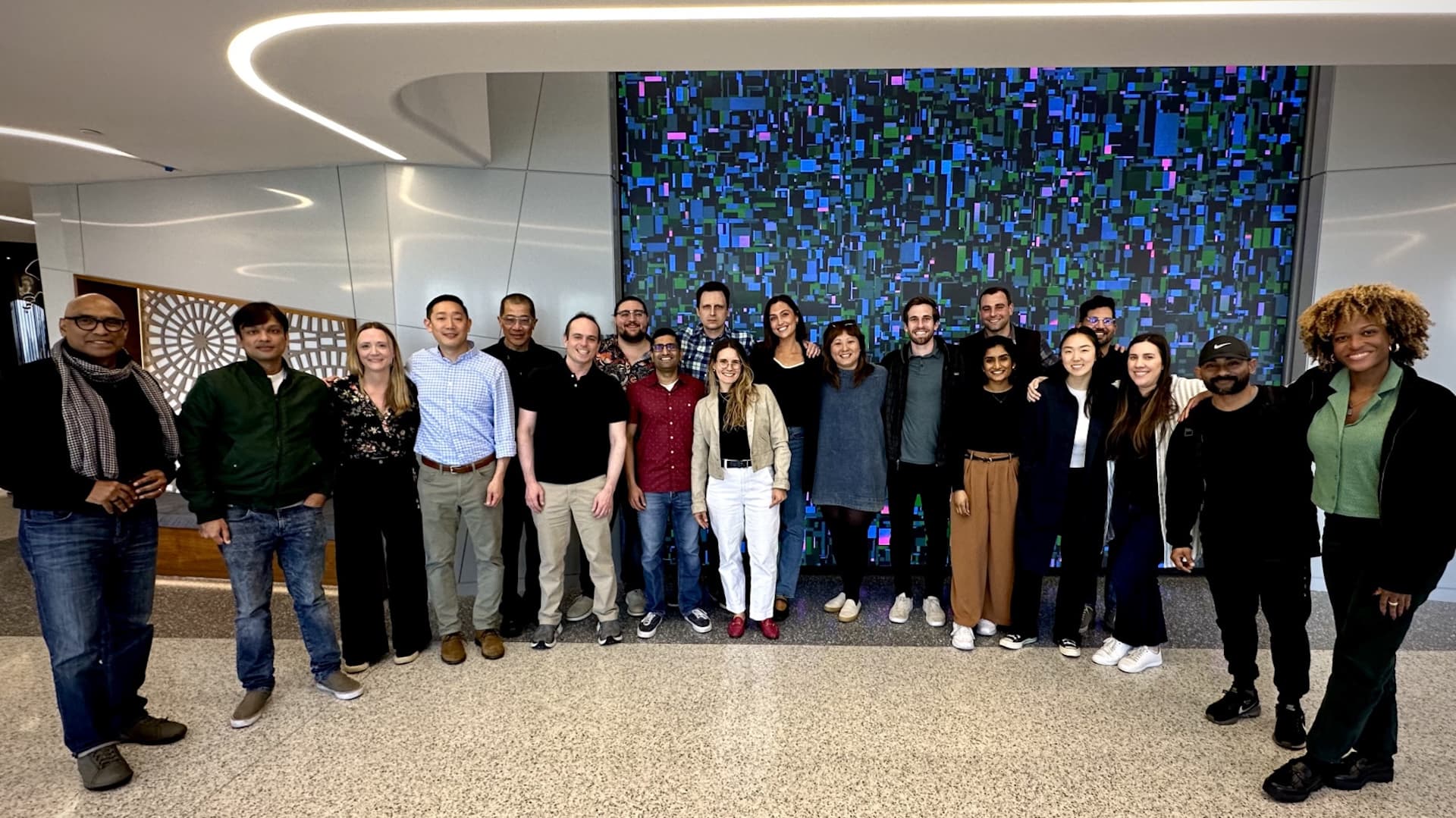
Behind Kintsugi Health there are two ambitious women, Grace Chang e Rima Seiilova-Olson, technology professionals who decided to turn a personal experience into a business venture. Both had experienced difficulties accessing mental health services, a topic that drove them to imagine more accessible tools to address psychological distress before it escalated.
Grace Chang, the company's current CEO, came from the Bay Area startup scene, where she worked in technical roles related to machine learning and signal processing. These skills later flowed into the development of Kintsugi's voice technology, born from the idea of using voice as a potential indicator of a person's emotional and psychological state.
“At Kintsugi, we want to expand access to mental health care for all people who need it by developing objective, quantifiable, and accurate measurement tools to bring mental health to the same level of attention and consideration as physical health.”
A theme that is inevitably also intertwined with the very evolution of the concept of work overloadWhile in the past, the phenomenon was primarily associated with physically unsustainable work schedules and extreme amounts of overtime, today the relationship between work and mental health also involves much less visible forms of pressure. Smart working, constant on-call, constant notifications, and increasingly blurred boundaries between personal and professional space are redefining the way stress and psychological fatigue accumulate in daily life, often without immediately obvious external signs.
Here are three insights that might interest you:
Fall arrest systems: with the new standard, safety becomes measurable.
How climate change affects workplace safety
A sensor to correct movements and reduce injuries