


 SEARCH


Tunisia
Other articles
Country information
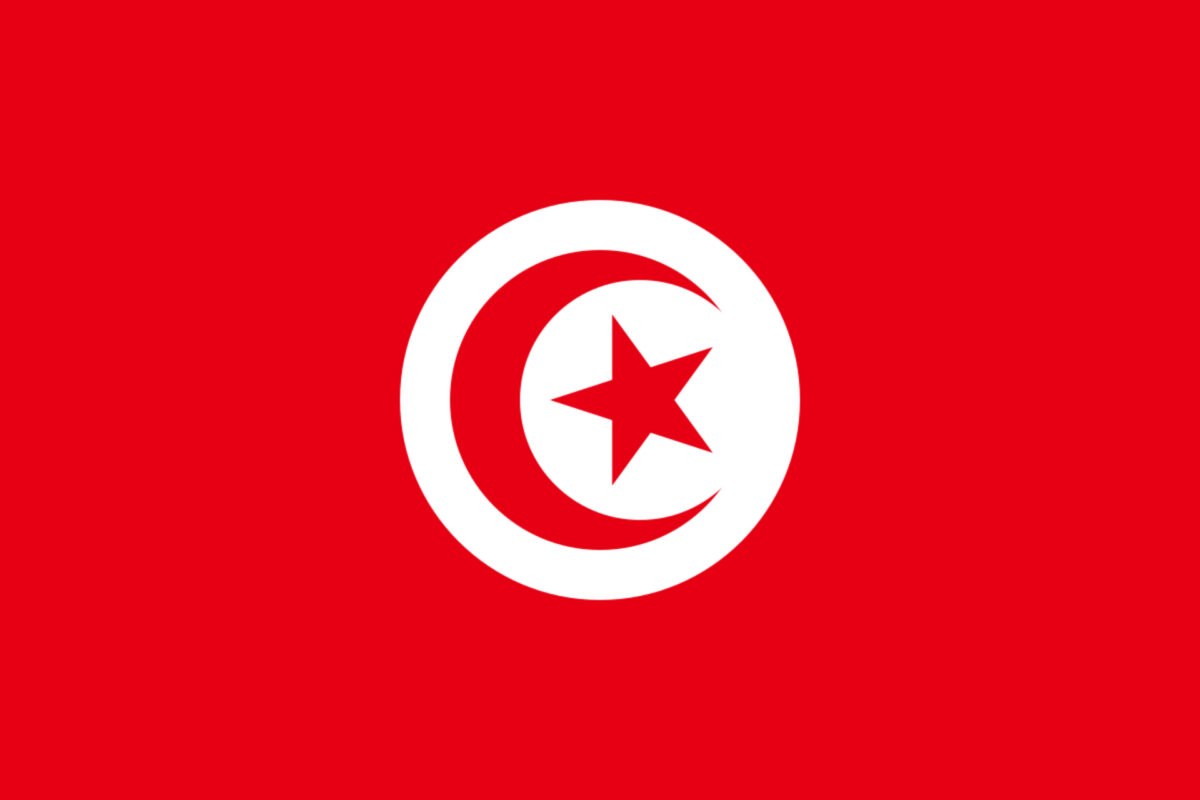
Discover how Tunisia combines tradition and innovation, enhancing its natural and cultural heritage on Innovando.News: Tunisia, located in North Africa, overlooks the Mediterranean Sea and borders Algeria and Libya. With a surface area of 163.610 km², it is a country characterized by variable landscapes: fertile coastal plains, mountains and vast desert areas in the south. Its population of about 12 million inhabitants is concentrated mainly along the coast. The capital, Tunis, is the economic and cultural heart of the country, along with other cities such as Sfax and Sousse. Tunisia's economy is diversified, with agriculture (especially olive oil), industry and tourism being the key sectors. The country has a rich history, with Phoenician, Roman, Arab and French influences. It is famous for its historical sites, including Carthage and the medina of Tunis. The country is committed to sustainable environmental policies and is developing advanced technologies in renewable energy. Tunisia has a good education and health system, with a life expectancy of around 76 years.
Summary data on Tunisia
- Total population: Approximately 12,5 million inhabitants (2024).
- Population growth rate: Around +1% per year.
- Capital: Tunis, 2,8 million inhabitants.
- Main cities: Sfax, Sousse, Kairouan, Gabès.
- Countries bordering: Algeria, Libya.
- Nominal GDP: USD 44 billion (2024).
- GDP per capita: Approximately 3.500 USD.
- GDP growth rate: +3,2% (2024).
- Inflation: About 8,5%.
- Unemployment rate: About 15,5%.
- Trade balance: Negative, with a persistent trade deficit.
- Major business partners: European Union, China, Libya, Algeria.
- Public debt: 80% of GDP.
- Public spending on R&D: 0,5% of GDP.
- Main economic sectors: Tourism, agriculture, oil, textiles, services.
- Currency: Tunisian Dinar (TND), 1 USD ≈ 3,03 TND (2024).
- Interest rate: About 7%.
- Foreign exchange reserves: 7,5 billion USD.
- Main exports: Oil, phosphates, clothing, electronics.
- Main imports: Machinery, petroleum products, food.
- Human Development Index (HDI): 0,739 (2024), "high" category.
- Literacy rate: About 81%.
- Life expectancy: About 77 years old.
- Position in the Global Innovation Index: 65st place (2024).
- Corruption Perception Index: 42/100, ranking 74rd.
Insights on Tunisia
1. Country Name
- Official name: Tunisia (in Arabic: تونس, Tunisia).
- Short form: Tunisia.
2. Location
- Geographic locationTunisia is located in North Africa, bathed by the Mediterranean Sea to the north and east. It borders to the west and south with theAlgeria and to the south-east with the Libya.
- In total areaThe total area of Tunisia is approximately 163.610 km², making it one of the smallest countries on the African continent.
- Description of the landscape: Tunisia has a great variety of landscapes, with coastal plains fertile, montains inside and a desert which covers much of the southern area, belonging to the SaharaThe climate varies from Mediterranean along the coast to desert inland.
3. Population
- Number of inhabitantsThe population of Tunisia is approximately 12 million of people.
- Population growth rateThe population growth rate is moderate, with annual growth around 1,1%.
- DistributionMost of the population is concentrated in coastal cities, with strong urbanization, while the inland and desert areas are less populated.
4. Capital and main cities
- CapitalThe capital of Tunisia is Tunis, one of the most important cities for economy and culture.
- Main cities: Other major cities include Sfax, Sousse, and Kairouan, which are economic, commercial and historical centers.
5. Business
Nominal GDP and GDP per capita
Tunisia has a Nominal GDP about 43 trillion US dollars and a Pro-capite GDP which hovers around the dollars 3.600. Although Tunisia is one of the most advanced economies in the Maghreb, its GDP per capita is lower than many other Mediterranean nations.Main economic sectors
The Tunisian economy is diversified, but the most significant sectors include:- Agriculture: L'agriculture is essential, with productions of olive oil, cereals, fruit e vegetablesTunisia is one of the world's largest exporters of olive oil.
- Industry: The manufacturing industry includes textile products, iron metallurgy e food processing.
- Tourism: The tourism sector is a major source of income, with historic attractions such as the Roman sites and the Mediterranean beaches.
GDP growth rate and inflation
Tunisia's GDP growth rate has been more volatile in recent years, with annual growth rates ranging from 1% to 3%, but often held back by domestic political and economic challenges. Inflation has remained relatively high, often above 5%, due to energy costs and food imports.Unemployment rate and trade balance
The unemployment rate, especially among young people, is significant, with an official rate exceeding 15%. Tunisia has a negative trade balance, importing more than it exports, particularly in sectors such as oil and consumer goods.Public debt
Tunisia's public debt is a growing problem, with the country requesting financial assistance from international institutions such as the International Monetary Fund (IMF) to support economic reforms and stabilize its economy.Main exports and imports
Major exports include oils, phosphates, clothing, and agricultural products like olive oil. Imports are dominated by oil products, machinery e foodstuffs.6. Political system and government
- Type of government: Tunisia is a parliamentary republic.
- Political structureThe country is led by a president, who is the head of state, and from a Prime Minister, who is the head of government. The Assembly of People's Representatives is the main legislative body.
- Main partiesThe main parties are Ennahda, a moderate Islamist party, and Nidaa Tounes, which is the main secular political force.
7. History and culture
Brief historical overview
Tunisia has a rich history that includes Phoenicians, Romans, Arabs e French. It was Carthage the ancient Phoenician capital, destroyed by the Romans in 146 BC. After Roman rule, the country became an Arab and Muslim cultural centre, then under French control from 1881 until independence in 1956.Cultural and linguistic traditions
Tunisia has a Arab culture e berbera, With l 'Arabic and French as official languages. Traditions include music neighborhood, the theatre and a cuisine that mixes Mediterranean and African influences. The religious holidays such as Ramadan e Eid al-Fitr They are main celebrations.Cultural heritage
Tunisia is home to numerous historical sites, including the Roman site of Carthage and Medina of Tunis, both included in the list of World Heritage Sites of UNESCO. The Mosque of Kairouan It is another important historical site of worship.8. Innovation and development
- Position in the Global Innovation IndexTunisia is in the middle of the rankings in theGlobal Innovation Index, with progress in the areas of telecommunications and mobile technology.
- R&D expenditure: Spending on research and development is low, but there is growing investment in technology start-ups.
- Advanced technology sectorsThe country has developed an industry IT growing and is focusing on innovation in renewable energy.
9. Education and health
- Literacy rateThe literacy rate is very high, approximately 80 %.
- Education system: The education system is free and compulsory up to the age of 16. There are public universities e private individuals, With the University of Tunis as one of the most prestigious.
- Sanitary system: The health system is mixed, with free public facilities and private hospitals. Quality varies, but urban areas have better resources.
- Life expectancyLife expectancy in Tunisia is approximately 76 years.
10. International Rankings
- Human Development Index (HDI): Tunisia is located in the average human development category, with a score of approximately 0.740.
- Corruption Perceptions Index (CPI)Tunisia has a relatively low ranking on corruption, but progress has been made on reforms in recent years.
- Position in economic indicesTunisia is a country with good economic potential, but its economic rankings are affected by political instability and moderate economic growth.
11. Environmental policies
Tunisia is committed to sustainability policies, with a focus onsolar power el 'sustainable agricultureThe country is party to international agreements on climate change.12. Curiosities and peculiarities
- The Sahara covers a significant part of Tunisia and offers unique landscapes, such as the sand dunes.
- Tunisia is famous for its Medina of Tunis, Kairouan site and to be one of the locations of Star Wars (Levas, Matmata).
