


 SEARCH


Australian Antarctic Territory

Other articles
Country information
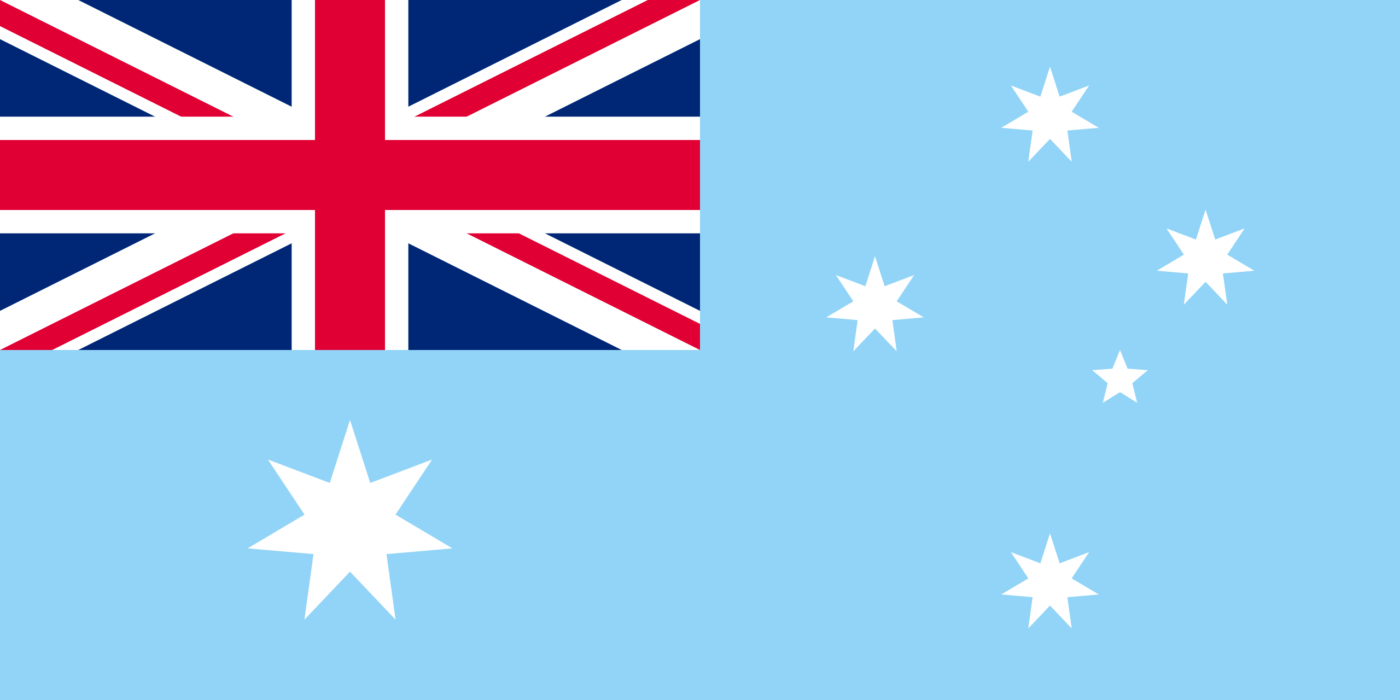
Discover the Australian Antarctic Territory, a vast scientific laboratory and a pristine natural landscape, on Innovando.News: The Australian Antarctic Territory (AAT) is a vast area located in the eastern sector of Antarctica, claimed by Australia since 1933. With a surface area of approximately 5.900.000 km², it is one of the largest territories on the Antarctic continent. The landscape is dominated by glaciers and mountains such as McClintock Mountain and Mount Kirkpatrick, with a harsh climate that can drop below -50°C. There is no permanent resident population, but the territory hosts scientific personnel at research stations such as Mawson Base, Davis Base, and Casey Base. The economy is focused on scientific research, with studies in climatology, biology and glaciology. Australia is committed to advanced scientific innovations, funding R&D projects for monitoring climate change. The political system is under the jurisdiction of the Australian Government, with direct administration through the Australian Antarctic Division. The environment is protected by stringent laws in line with the Antarctic Treaty, ensuring the conservation of natural resources.
Insight into Australian Antarctic Territory
1. Name of the territory
- Official name: Australian Antarctic Territory (in English: Australian Antarctic Territory, AAT).
- Short form: AAT.
2. Location
- Geographic locationThe Australian Antarctic Territory is located in the eastern sector of the Antarctic continent, covering a large area south of the Australian continent, between 90° and 160° east longitude. It borders the Ross Sea to the south and the Amundsen Sea to the west.
- In total areaThe territory covers approximately 5.900.000 km², making it one of the largest claimed territorial sectors in Antarctica.
- Description of the landscape: The landscape of the Australian Antarctic Territory is characterised by extensive glaciers, snow-capped mountains, and sea ice. The climatic conditions are extremely harsh, with temperatures that can drop below -50°C in winter. The highest mountains are the McClintock Mountain and Mount Kirkpatrick, and the area is mostly covered by a thick ice cap. Wildlife includes penguins, seals and seabirds, which are adapted to the harsh climatic conditions.
3. Population
- Number of inhabitants: There is no permanent resident population in the Australian Antarctic Territory. Human presence is limited to scientific researchers and support personnel who operate temporarily at research stations.
- Population distributionPeople in the territory live in research stations, the most important of which are the Casey Base, the Davis Base, and the Mawson BaseThese bases host seasonal or long-term personnel engaged in scientific projects.
4. Capital and main cities
- CapitalThere is no capital city in the territory, as there is no permanent resident population.
- Main stationsThe main research bases are the Mawson Base, the Davis Base , Casey Base, all located along the coast of the Australian Antarctic Territory.
5. Business
- Nominal GDP and GDP per capita: A traditional economy does not apply, since the territory is dedicated exclusively to scientific research. Economic activities are focused on research projects and logistical support.
- Main economic sectorsThe economy is mainly based on scientific research. Studies include climatology, biology, geology, astronomy, and glaciology. The secondary sector includes logistics for the transportation of personnel and supplies. Commercial activities are limited to the provision of goods and services for the support of the stations.
- GDP growth rate and inflation: Not applicable, as there is no traditional GDP.
- Unemployment rate and trade balance: Not applicable. Activities are concentrated on research operations, and there are no significant trade flows.
- Public debtThe debt is managed by the Australian Government, as the territory is an entity under the jurisdiction of Australia.
- Main exports and imports: There are no significant exports. Imports mainly concern scientific equipment, food, and materials necessary for the maintenance and operation of the research stations.
6. Political system and government
- Type of governmentThe Australian Antarctic Territory is a part of Australia, governed by the Commonwealth of australia. It is administered by the Australian Government under the supervision of the Department of Environment and Energy.
- Political structureThe territory has no autonomous government, and political decisions are taken by the Australian authorities. Australian Antarctic Division (AAD) It is the government agency responsible for managing operations in Antarctica.
- Major political parties and electoral organization: There are no specific political parties for the Australian Antarctic Territory. Temporary residents of the bases are subject to Australian law, and political matters are dealt with at the federal level.
7. History and culture
- Brief historical overview: Australia has claimed the Australian Antarctic Territory since 1933, when it was formally declared a territory under Australian sovereignty. Australian scientific exploration of Antarctica began in the 50s, with the construction of the first research stations.
- Cultural and linguistic traditions: Since the territory has no permanent population, the culture of the territory is mainly linked to the scientific community and the researchers who work there. The official language is English, and the cultural traditions are those of Australia, although they are strongly influenced by the scientific and international environment.
- Cultural heritage: There are no historical monuments or UNESCO sites in the territory, as it is dedicated exclusively to scientific research. However, the research bases and support facilities are considered symbols of the Australian presence in Antarctica. Operations in Antarctica follow a strong commitment to the protection of the environment and natural resources.
8. Innovation and development
- The Australian Antarctic Territory is a hub for thescientific innovation, with numerous advanced research projects in climatology, astronomy, biology, and geology. Australia invests significantly in R & D for studies related to climate change and the conservation of Antarctica. The bases house cutting-edge equipment, including radar and telescopes for scientific research.
9. Education and health
- Education in Antarctica is limited to vocational training for research personnel. The bases have emergency medical facilities to ensure the health of researchers. There are no schools or universities in the territory.
10. International Rankings
- Australia, as a signatory of the Antarctic Treaty, has a strong commitment to international scientific cooperation. Its position in the Human Development Index (HDI) is high, and the country is known for its responsible environmental management. The Australia It is also a significant player in international debates on the future of Antarctic preservation.
11. Environmental policies
- The Australian Antarctic Territory is protected by stringent environmental laws, which prohibit contamination and promote the protection of ecosystems. Australia is committed to environmental sustainability initiatives in Antarctica, in line with international commitments such as theParis Climate Agreement and the protection of Antarctic biodiversity.
12. Curiosities and peculiarities
- The Australian Antarctic Territory is home to some of the world's most remote and advanced research stations, where scientists study global climate change. Mawson Base It is famous for being one of the oldest and longest-running stations, active since 1954. A unique aspect of the territory is that, despite being under Australian sovereignty, it is not subject to immigration or residence laws, given the nature of the Antarctic Treaty.
