


 SEARCH


Saint Vincent and the Grenadines


Other articles
Country information
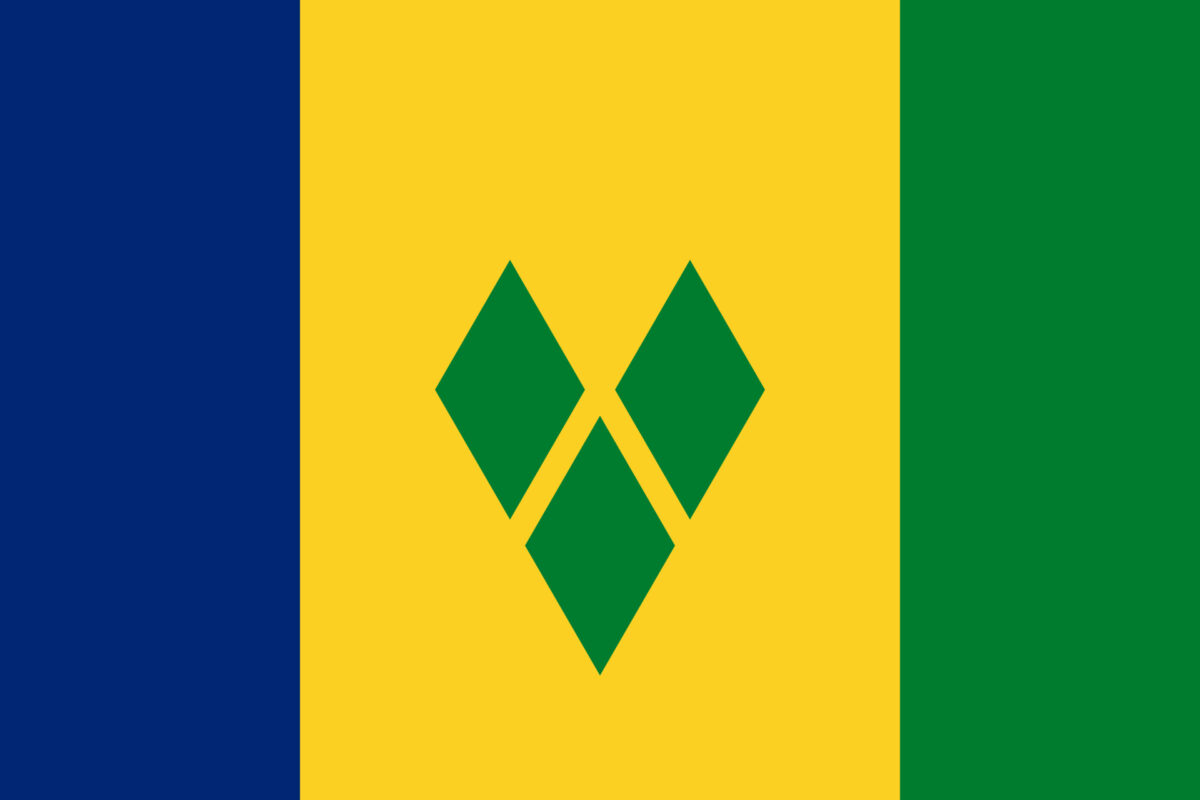
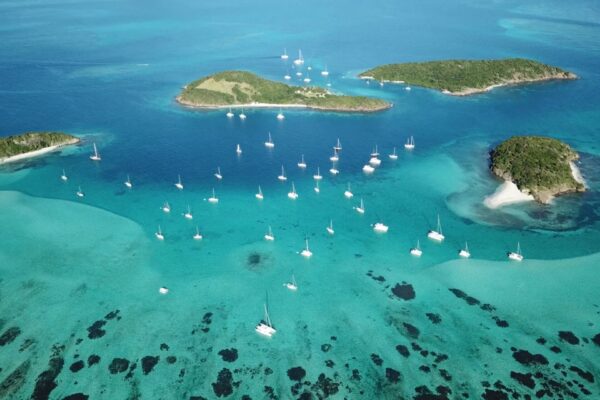
Discover Saint Vincent and the Grenadines, an archipelago of extraordinary natural beauty and cultural traditions, explore more on Innovando.News: Saint Vincent and the Grenadines is a small island nation located in the Caribbean Sea, composed of the main island of Saint Vincent and about 32 smaller islands. With a surface area of 389 km² and a population of about 110.000 inhabitants, the country is known for its breathtaking landscape, characterized by volcanic mountains, white and black sand beaches and tropical vegetation. The capital is Kingstown, an important economic and cultural center. The economy is mainly based on agriculture, with the export of bananas, cocoa and copra, in addition to tourism that attracts visitors thanks to its pristine beaches. The country has a long history marked by colonialism, with African, British and indigenous cultural influences. The official language is English, but the local Creole is widely spoken. Musical traditions, such as calypso and reggae, are ingrained in popular culture, while events such as the St. Vincent Carnival celebrate the vibrancy of its people.
Summary data on Saint Vincent and the Grenadines
- Total population: Approximately 110.000 inhabitants.
- Population growth rateThe population growth rate is moderate, with annual growth of less than 1%.
- Capital: Kingstown (population approximately 25.000).
- Main cities: Kingstown, Georgetown, Barrouallie.
- Countries it borders: Saint Vincent and the Grenadines is an island nation located in the Caribbean Sea and has no land borders with other countries.
- Nominal GDP: Approximately USD 1,3 billion.
- Pro-capite GDP: Approximately USD 11.500.
- GDP growth rate: About 2% per year, with the economy dependent on tourism, agriculture (especially bananas) and remittances from emigrants.
- Inflation: Around 2-3% per year.
- Unemployment rate: Around 10-12%, with higher unemployment among young people.
- Trade balanceThe trade balance is negative, with a high dependence on imports, especially of consumer goods and food.
- Major business partners: United States, United Kingdom, Caribbean (especially Antigua and Barbuda).
- Public debt: Around 60-70% of GDP, but decreasing thanks to more stable fiscal policies.
- Public spending on R&D (Research and Development): Limited investments, with greater attention to tourism and agricultural infrastructure.
- Main economic sectors: Agriculture (bananas, citrus fruits), tourism, public services.
- Currency: East Caribbean Dollar (XCD).
- Interest rate: Variable, determined by the Eastern Caribbean Central Bank.
- Foreign exchange reserves: Operated by the Eastern Caribbean Central Bank, but precise details are not easily accessible.
- Main exports: Bananas, agricultural products, rum.
- Main imports: Consumer goods, fuel, machinery.
- Human Development Index (HDI): Upper-middle class, with a good level of education and access to health services.
- Literacy rate: High, about 96%.
- Life expectancy: About 73 years old.
- Position in the Global Innovation Index: Not among the top countries, but the tourism and agricultural sectors are growing.
- Corruption Perception Index: Relatively low, with the country enjoying a perception of low corruption compared to other Caribbean countries.
Insights into Saint Vincent and the Grenadines
1. Country Name
- Official name: Saint Vincent and the Grenadines (in English: Saint Vincent and the Grenadines).
- Short form: SVG.
- Extended formThere is no formal extended form, but it is sometimes used Republic of Saint Vincent and the Grenadines.
2. Geography
- Geographic location: Saint Vincent and the Grenadines is a small island nation in the Antilles, located in the Caribbean Sea. It is located between Saint Lucia to the south and Grenada to the north, east of Puerto Rico.
- In total areaThe total area of the country is approximately 389 km², making it one of the smallest countries in the Caribbean.
- Description of the landscape: The country consists of a main island, Saint Vincent, and about 32 smaller islands, including the Grenadines. The landscape is characterized by volcanic mountains, tropical forests, black and white sand beaches, and a tropical climate that favors the growth of lush vegetation. Mount Soufrière, an active volcano, is the highest mountain on the island of Saint Vincent.
3. Population
- Number of inhabitants: The population of Saint Vincent and the Grenadines is approximately 110.000.
- Population growth rateThe population growth rate is relatively low, with a modest birth rate and a good portion of the population living abroad, especially in countries such as the United States and the United Kingdom.
- Major cities and population distribution: The capital and largest city is Kingstown, located on the island of Saint Vincent. Most of the population is concentrated on the main island, with a low population density on the smaller islands.
4. Capital and main cities
- Capital: Kingstown is the capital of Saint Vincent and the Grenadines, and is also the main economic and cultural centre of the country.
- Main cities: In addition to Kingstown, the town of Georgetown, on the south coast of the island of Saint Vincent, is an important centre for industry and commerce.
5. economy
- Nominal GDP and GDP per capita: The nominal GDP of Saint Vincent and the Grenadines is approximately USD 1,2 billion, while the GDP per capita is approximately USD 11.000.
- Main economic sectors: The country's economy is based primarily on agriculture (bananas, cocoa, coconuts), tourism, and fishing. The Grenadines is a popular vacation spot for international tourists, attracting visitors with its pristine beaches and natural landscapes. In addition, the country is seeking to develop its financial sector and manufacturing industries.
- GDP growth rate and inflation: The economic growth rate is moderate, with GDP growing slowly, mainly due to heavy reliance on tourism and agricultural exports. Inflation is controlled, although the economy is vulnerable to weather events such as hurricanes and volcanic eruptions.
- Unemployment rate and trade balance: The unemployment rate is relatively high, mainly among young people and in rural areas. The trade balance is negative, with the country importing a large amount of consumer goods, while exporting mainly bananas and other agricultural products.
- Public debtSaint Vincent and the Grenadines' public debt is a concern, but it is managed with some caution thanks to loans from international organizations such as the World Bank.
- Main exports and imports: Major exports include bananas, cocoa, copra and agricultural products. Major imports are fuel, machinery, food and consumer goods.
6. Political system and government
- Type of government: Saint Vincent and the Grenadines is a parliamentary republic with a democratic system of government. The British monarch is represented by a Governor General.
- Political structure: The head of government is the Prime Minister, who is elected by parliament. The parliament is bicameral, composed of the House of Representatives and the Senate.
- Major political parties and electoral organization: The main political parties are the National Labour Party (NDP) and the Unity People's Party (ULP). Elections are held every five years.
7. History and culture
Brief historical overview of the country
Saint Vincent and the Grenadines was colonized by the French and later ceded to the British in the 27th century. The country gained independence from the United Kingdom on October 1979, XNUMX, becoming a member state of the Commonwealth. The country's history is marked by African slavery, followed by the struggle for independence and periods of political instability.Cultural and linguistic traditions
The culture of Saint Vincent and the Grenadines is a mix of African, European and indigenous influences. The official language is English, but Saint Vincent Creole is commonly spoken. Music and dance are an integral part of cultural life, with calypso and reggae playing an important role. Culinary traditions include fresh seafood, with dishes such as "roti" and "pepperpot".Cultural heritage
The cultural heritage of Saint Vincent and the Grenadines includes historic sites such as Fort Charlotte, located in Kingstown. The islands are also known for their craft traditions and the production of handmade items, such as jewelry and textiles. The country celebrates several cultural festivals, including the Saint Vincent Carnival, which is one of the largest events on the island, with parades, music, and dance.8. Innovation and development
Saint Vincent and the Grenadines is trying to diversify its economy and develop its technology sector. However, the country is still in the growth and development phase in this sector, with the challenge of building adequate infrastructure and encouraging research and innovation.9. Education and health
The education system in Saint Vincent and the Grenadines is free and compulsory until the age of 16. There are primary and secondary schools, as well as a local university, the University of the Eastern Antilles. The healthcare system is accessible, but the quality of facilities can vary between the islands. Life expectancy is relatively high, although non-communicable diseases are a growing challenge.10. International rankings
- Human Development Index (HDI): Saint Vincent and the Grenadines has a good human development index, although it is not among the highest countries in the world.
- Corruption Perceptions Index (CPI)The country has a moderate perception of corruption, although it is not among the most affected by corruption phenomena in the Caribbean.
- Economic indicesThe country is mid-table in global economic indices, but has shown improvements thanks to its growing tourism industry.
11. Environmental policies
Saint Vincent and the Grenadines has a commitment to environmental protection, adopting policies for the conservation of natural resources and waste management. The country has participated in several international agreements on climate change and renewable energy, seeking to reduce the environmental impact of tourism and agriculture.12. Curiosities and peculiarities
- Interesting facts: Saint Vincent is known for its spectacular beaches and the active volcano Soufrière.
- Important events: The Carnival of Saint Vincent, also known as "Vincy Mas", is one of the most important cultural events.
- Gastronomic specialities: In addition to roti, "pepperpot" (a spicy stew) is a typical dish that reflects the influence of African and Caribbean cuisine.
