


 SEARCH


Poland







Country information
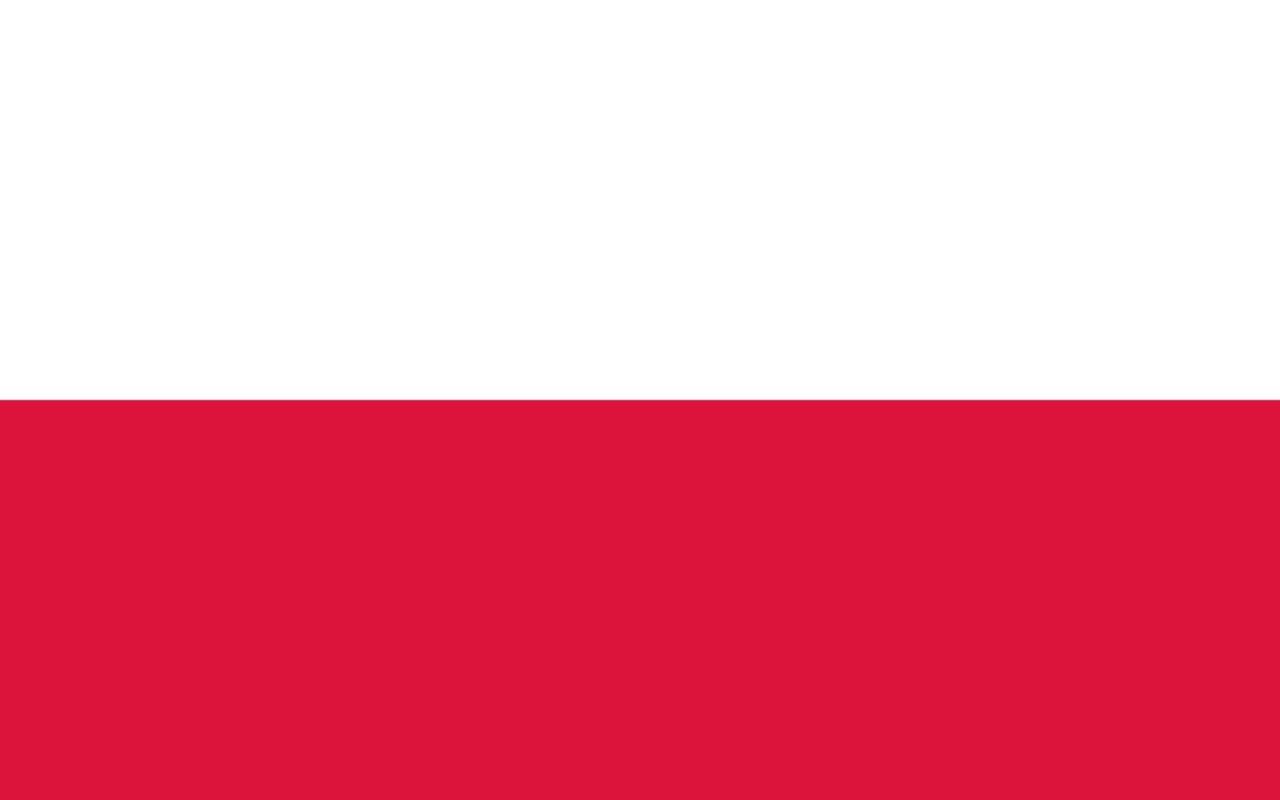
Discover how Poland combines historical traditions and modernity, promoting culture, innovation and sustainable development on Innovando.News: Poland, the beating heart of Central Europe, is a country rich in history, culture and natural beauty. With a surface area of over 312.000 km², it offers landscapes ranging from the beaches of the Baltic Sea to the majestic mountains of the Carpathians and Sudetenland. The capital Warsaw is a symbol of resilience and modernity, while Krakow, the ancient capital, enchants with its historical and cultural heritage. The population of approximately 38 million lives between dynamic urban areas and authentic rural villages. Poland is an emerging and diversified economy, with important industrial production, a strong agricultural sector and a vibrant technology scene. Renowned for its gastronomy, its UNESCO sites and a musical tradition that gave birth to Chopin, Poland combines history and innovation, establishing itself as a unique destination for culture, business and sustainability.
Summary data on Poland
- Total population: Approximately 38 million inhabitants (2023).
- Population growth rate: Slight decline, around -0,2% per year.
- Capital: Warsaw.
- Main cities: Krakow, Łódź, Wroclaw, Poznań, Gdańsk.
- Countries it borders: Germany, Czech Republic, Slovakia, Ukraine, Belarus, Lithuania, Russia (Kaliningrad Oblast).
- Nominal GDP: Approximately $720 billion.
- Pro-capite GDP: About $19.000.
- GDP growth rate: Around 4-5% in recent years, barring fluctuations due to global crises.
- Inflation: Currently high, around 10% (2023), influenced by global factors.
- Unemployment rate: Relatively low, around 3-5%.
- Trade balance: Positive, with a strong manufacturing industry and exports of industrial and food goods.
- Major business partners: Germany, France, Italy, United Kingdom, Czech Republic.
- Public debt: About 50% of GDP.
- Public spending on R&D (Research and Development): Moderate, around 1,4% of GDP.
- Main economic sectors: Manufacturing industry (automotive, household appliances), IT, energy, agriculture, tourism.
- Currency: Zloty (PLN).
- Interest rate: Relatively high, in response to inflation.
- Foreign exchange reserves: Solid, supported by prudent management of monetary policy.
- Main exports: Automobiles, household appliances, furniture, food (meat, dairy products), electronics.
- Main imports: Energy (gas and oil), machinery, electronic components.
- Human Development Index (HDI): High, with a strong focus on education and health.
- Literacy rate: Almost total, around 99%.
- Life expectancy: About 78 years old.
- Position in the Global Innovation Index: Medium-high, thanks to a growing IT industry and technology startups.
- Corruption Perception Index: Average position, with steady progress in the fight against corruption.
Insights into Poland
1. Country Name
- Official name: Republic of Poland (The Republic of Poland).
- Short name: Poland.
2. Geography
- Geographic location: Located in thecentral Europe, borders Germany, Czechia, Slovakia, Ukraine, Belarus, Lithuania and the Baltic Sea to the north.
- In total area: Approximately 312.696 km².
- Description of the landscapeThe landscape is varied and includes the Baltic coast, the Central Plains, And the Carpathian mountains and the Sudetenland to the south. Major rivers include the Vistula el 'Or, while the Masurian lakes are known for their beauty. The climate is continental-temperate.
3. Population
- Number of inhabitants: Approximately 38 million.
- Population growth rate: Slightly negative in recent years.
- Major cities and population distributionThe population is distributed between urban areas such as Warsaw, Kraków and Łódź, and vast rural areas.
4. Capital and main cities
- Capital: Warsaw, with over 1,7 million inhabitants, is the political and economic centre of the country.
- Main cities:
- Krakow: Cultural and historical heritage, with Wawel Castle.
- Gdańsk: Important port on the Baltic.
- Wrocław: Known for its architecture and numerous bridges.
- Poznań: Economic and trade fair centre.
5. economy
Nominal GDP and GDP per capita
- Nominal GDP is approximately 716 billion dollars (2023).
- GDP per capita is approximately dollars 18.900, with constant growth in recent decades.
Main economic sectors
- Manufacturing industryPoland is a major center for the production of automobiles, electronics and machinery.
- ServicesThey contribute 60% of GDP, driven by trade, tourism and financial services.
- Agriculture: Cereals, potatoes, fruits and dairy products are among the main products.
GDP growth rate and inflation
- Poland is one of the most dynamic economies in Europe, with an average growth of 3-4% in the last few years.
- Inflation increased in 2023, reaching around 9%, but a gradual decrease is expected.
Unemployment rate and trade balance
- The unemployment rate is low, around 3%, thanks to a strong labor market.
- The trade balance is positive, with significant exports of automobiles, food and chemical products.
Public debt
- The public debt stands at around 50% of GDP, maintaining a sustainable relationship with respect to European standards.
Main exports and imports
- Exports: Automobiles, furniture, appliances, food and chemicals.
- Imports: Machinery, oil, natural gas and consumer goods.
6. Political system and government
- Type of government: parliamentary republic.
- Description of the political structureThe president is the head of state, while the prime minister leads the government.
- Major political parties and electoral organizationThe main parties are Law and Justice (PiS) e Civic Platform (PO). Elections are held every five years for the president and every four years for the parliament.
7. History and culture
Brief historical overview
- Poland has a rich and complex history, with great prosperity in the Middle Ages and great tragedy during both world wars. It left the Soviet bloc in 1989, becoming a stable democracy and a member of the European Union in 2004.
Cultural and linguistic traditions
- The official language is Polish. Traditions include religious festivals, folk dances and traditional cuisine such as pierogi and bigos.
Cultural heritage
- The historic center of Krakow and the concentration camp of Auschwitz-Birkenau are UNESCO sites. Festivals such as the Chopin Festival celebrate Poland's rich musical heritage.
8. Innovation and development
- Position in the Global Innovation Index: Poland is among the top 40 countries.
- R&D expenditure: About the 1,4% of GDP, with increasing investments in technology.
- Advanced technology sectors: IT, fintech, video game production (e.g. CD Projekt Red, creators of The Witcher).
9. Education and health
- Literacy rate: Almost the 100 %.
- Structure of the education systemIt includes primary, secondary schools and universities, with prestigious institutions such as theJagiellonian University.
- Quality and accessibility of the health system: Good, but with some shortcomings in waiting times.
- Life expectancy: Approximately 78 years.
10. International rankings
- Human Development Index (HDI): Location 35° in 2023.
- Corruption Perceptions Index (CPI): Location 45°, with room for improvement.
- Global Economic Indices: Poland is among the top 25 countries for ease of doing business.
11. Environmental policies
- Efforts in terms of sustainabilityPoland is investing in wind and solar power, but remains dependent on coal.
- Environmental policies and international commitments: Participates in the Paris Agreement, but faces challenges related to decarbonisation.
12. Curiosities and peculiarities
- Interesting facts: Poland is the world's largest producer of Amber.
- Important events: The Krakow Festival and the celebration of the Independence Day November 11th.
- Gastronomic specialities: Iconic dishes such as the pierogi, sour soup (sour soup) and the sernik (Polish cheesecake).
