


 SEARCH


Norway




Other articles




Country information
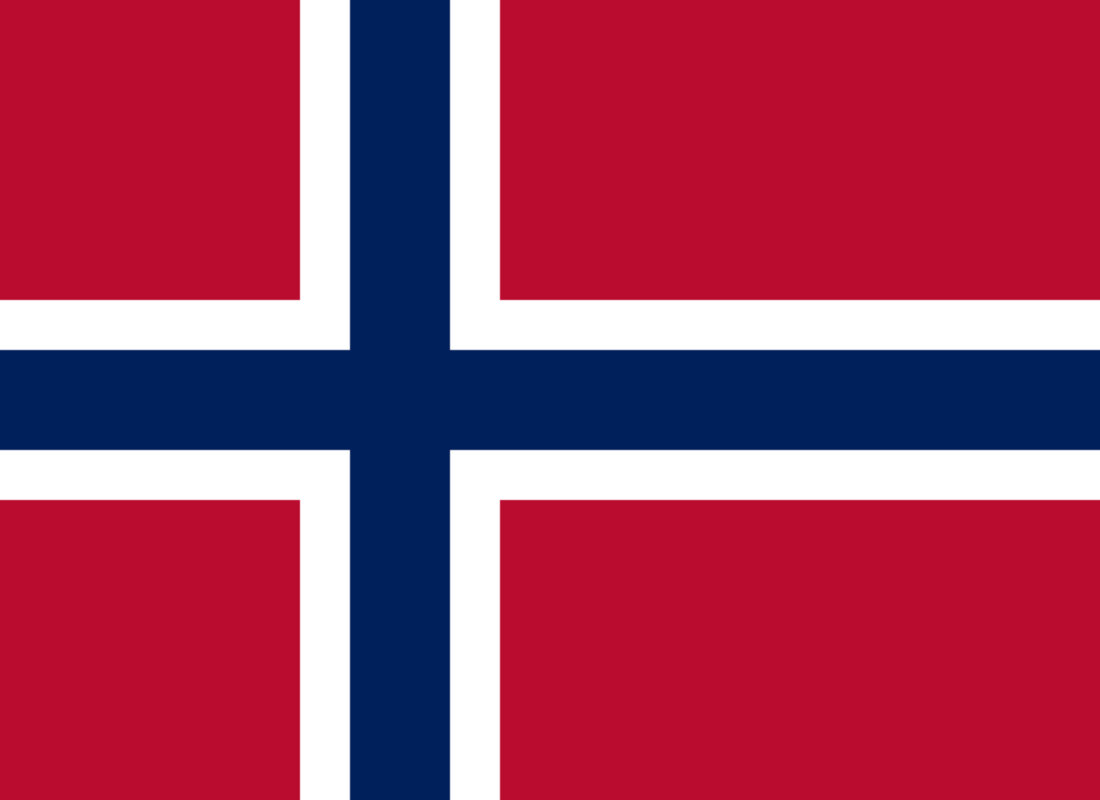
Discover Norway, a country known for its spectacular fjords, vibrant culture and fascinating history on Innovando.News:
Summary data on Norway
- Total population: Approximately 5,5 million inhabitants (2023 data).
- Population growth rate: About 0,5% per year, with moderate growth thanks to immigration.
- Capital: Oslo.
- Main cities: Oslo (capital), Bergen, Stavanger, Trondheim, Drammen.
- Countries it borders: Sweden, Finland, Russia.
- Nominal GDP: Approximately USD 550 billion (2023 data).
- Pro-capite GDP: Around USD 100.000, one of the highest in the world.
- GDP growth rate: Stable growth, with rates ranging from 1,5% to 2% in recent years.
- Inflation: Around 3-4% (moderate inflation in 2023).
- Unemployment rate: Around 3-4%, one of the lowest unemployment rates in Europe.
- Trade balance: Positive, thanks to exports of oil, natural gas, and other industrial goods.
- Major business partners: Germany, Netherlands, United Kingdom, United States.
- Public debt: Around 40% of GDP, among the lowest in Europe.
- Public spending on R&D (Research and Development): About 2,2% of GDP, with a strong investment in technological and green innovation.
- Main economic sectors: Oil and gas, renewable energy, technology, fishing, tourism, manufacturing.
- Currency: Norwegian Krone (NOK).
- Interest rate: Approximately 2-3% (variable rates depending on Norges Bank's monetary policy).
- Foreign exchange reserves: Approximately USD 11 billion, with prudent management of financial resources.
- Main exports: Oil, natural gas, fish, metals, ships and boats.
- Main imports: Machinery, vehicles, chemicals, food, electronics.
- Human Development Index (HDI): High, with a value of 0,961, one of the highest in the world.
- Literacy rate: Almost 100%.
- Life expectancy: About 82 years old, among the tallest in the world.
- Position in the Global Innovation Index: Among the top 10 countries for innovation, thanks to a strong research and development policy and investments in green technology.
- Corruption Perception Index: Very low (ranked 7th out of 180 countries in 2023), with good governance and transparency.
Insights into Norway
1. Country Name
- Official name: Kingdom of Norway (Norwegian: Kongeriket Norway).
- Short name: Norway.
2. Geography
- Geographic location: Norway is located in Northern Europe, in Scandinavia. It borders Sweden to the east, Finland to the northeast and Russia to the northeast. It has a long coastline on the Atlantic Ocean, with numerous fjords and islands.
- In total area: 148.729 km², a large portion of which is covered by mountains and forests.
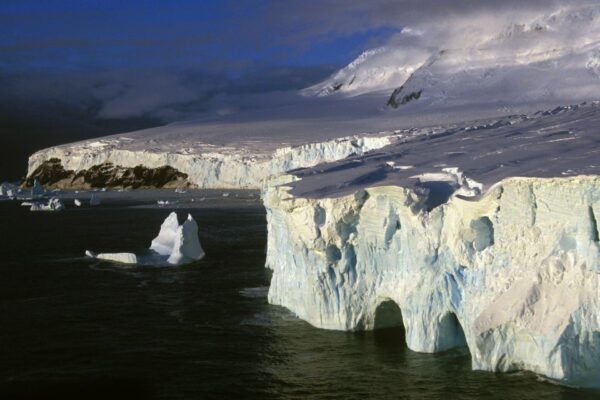
- Description of the landscape: Norway is famous for its spectacular fjords, mountains and glaciers. The Scandinavian Alps run through the country, while the coastline is rugged with numerous fjords, islands and peninsulas. The climate varies, with an arctic zone in the north and a more temperate climate along the coast.
3. Population
- Number of inhabitants: Approximately 5,4 million people (2023 estimate).
- Population growth rateThe population growth rate is moderate, with the increase mainly due to immigration.
- Major cities and population distribution: Major cities include the capital Oslo, Bergen, Stavanger e TrondheimThe population is distributed largely along the coast, while the inland and northern areas are less densely populated.
4. Capital and main cities
- Capital: Oslo It is the capital and largest city of Norway, with approximately 1,5 million inhabitants in the metropolitan area.
- Main cities: Bergen, an important cultural and tourist centre, Stavanger, an industrial center for the oil industry, and Trondheim, known for its university and its Viking history.
5. economy
- Nominal GDP and GDP per capita: Norway is one of the richest economies in the world, with a nominal GDP of around $500 billion and a GDP per capita of around $92.000.
- Main economic sectors: Norway's economy is diversified, but relies heavily on the oil and gas sector, with oil and natural gas extraction accounting for a significant portion of exports. Other key sectors include fishing, forestry, tourism and high technology.
- GDP growth rate and inflationNorway has a stable economic growth rate of around 2%, with low inflation, which is around 1,5% per year.
- Unemployment rate and trade balance: The unemployment rate is low, around 3%, thanks to a strong economy and an efficient labor market. Norway runs a trade surplus, largely thanks to oil and gas exports.
- Public debtThe country has one of the lowest public debts among developed nations, thanks to prudent management of state finances and the National Pension Fund, which has accumulated huge reserves.
- Main exports and imports: Major exports include petroleum, natural gas, fish, metals and chemicals. Imports mainly include consumer goods, machinery, equipment and chemicals.
6. Political system and government
- Type of governmentNorway is a constitutional monarchy with a parliamentary system.
- Description of the political structure: The King of Norway is the head of state, but executive power is exercised by the Prime Minister and from Parliament (Stortinget), which is composed of 169 members elected every four years. The political system is democratic and multi-party.
- Major political parties and electoral organizationThe main parties are the Conservative Party, Labour Party, Progressive Party and Party of the Socialist Left. Elections are regular and take place every four years.
7. History and culture
- Brief historical overview: Norway has a long and fascinating history dating back to the Viking Age. It was united as a kingdom in 872 AD, had periods of Danish and Swedish rule, and gained independence from Sweden in 1905. During World War II, Norway was occupied by Germany. After the war, it became a prosperous nation and one of the most developed states.
- Cultural and linguistic traditions: Norwegian culture is influenced by its Viking history and rural traditions. The official languages are Norwegian Bokmål and Norwegian NynorskHolidays include the 17st May, which celebrates Norway's independence. Traditional cuisine includes dishes such as rakfish (fermented fish) and the Klippfish (dried cod).
- Cultural heritage: Norway is famous for its spectacular natural landscapes, including fjords, mountains and islands. Oslo hosts the Viking Ship Museum, while Bergen It is famous for its historic district of Bryggen, a UNESCO World Heritage Site.
8. Innovation and development
- Position in the Global Innovation Index: Norway is a world leader in innovation, thanks to a high-quality education system, a strong research and development sector and a favorable environment for startups.
- R&D expenditureNorway invests approximately 2,2% of its GDP in research and development, with a particular focus on renewable energy, maritime technology and medicine.
- Advanced technological sectors and main innovations of the country: Norway is a leader in renewable energy, especially hydropower. It is also a leader in the maritime sector, with innovative technologies for ships and oil platforms.
9. Education and health
- Literacy rate: The literacy rate in Norway is nearly universal, with a very high level of education.
- Structure of the education system: The Norwegian education system is free and compulsory until the age of 16. Universities are of high quality, with institutions such as the University of Oslo and the Norwegian University of Science and Technology (NTNU).
- Quality and accessibility of the health system: Norway has a universal healthcare system, funded by taxes. The healthcare facilities are among the best in the world, and the quality of care is excellent.
- Life expectancyLife expectancy in Norway is around 82 years, one of the highest in the world.
10. International rankings
- Position in the Human Development Index (HDI): Norway consistently ranks high in the Human Development Index, thanks to its high quality of life, well-being and access to services.
- Position in the Corruption Perceptions Index (CPI)Norway is among the countries with the highest scores in the Corruption Perceptions Index, reporting a low incidence of corruption.
- Position in global economic indicesNorway frequently tops competitiveness and ease of doing business indices, thanks to its stable economy and low level of bureaucracy.
11. Environmental policies
- The country's efforts in terms of sustainability: Norway is a pioneer in environmental policy, with a commitment to reducing greenhouse gas emissions and promoting green energy.
- Environmental policies and international commitmentsThe country is party to the Paris Climate Agreement and invests extensively in renewable energy, particularly wind and solar power.
12. Curiosities and peculiarities
- Interesting facts: Norway is famous for its Northern Lights, visible mainly in the north of the country. In addition, the Norwegian Pension Fund, one of the largest sovereign wealth funds in the world, is an example of responsible economic management.
