


 SEARCH


Niger


Other articles
Country information
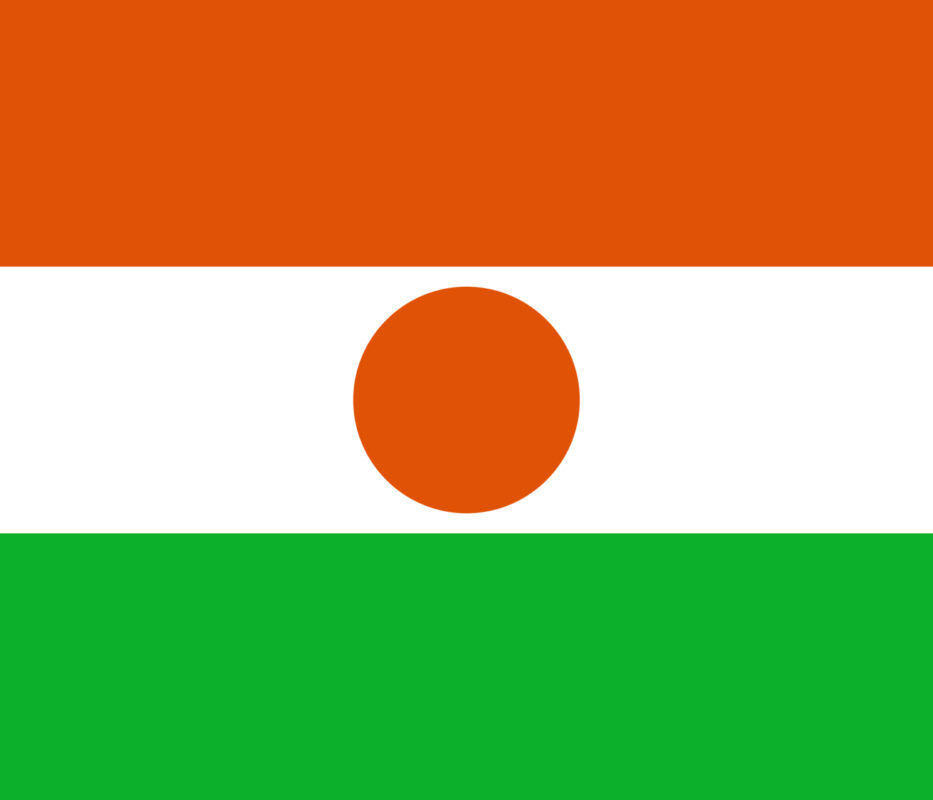
Explore Niger, a country rich in cultural traditions and environmental challenges, with a view to a sustainable future on Innovando.News: Niger, located in West Africa, is a landlocked country with a vast area of 1.267.000 km². The landscape is dominated by the Sahara Desert in the north, but vegetation and natural resources, such as the Niger River in the south, support a population of around 25 million. The capital, Niamey, is the political and economic center, while other important cities include Zinder and Maradi. Niger's economy is based primarily on agriculture and mining, with uranium being a major export resource. Despite moderate growth, the country faces significant challenges related to poverty, unemployment and poor infrastructure. Niger, which gained independence from France in 1960, is a country of great cultural and historical diversity, with traditional and modern influences in its music, dance and crafts.
Summary data on Niger
- Total population: Approximately 26,1 million inhabitants.
- Population growth rate: About 3,9% per annum, one of the highest rates in the world.
- Capital: Niamey.
- Main cities: Zinder, Maradi, Agadez, Tahoua.
- Countries it borders: Libya, Algeria, Mali, Burkina Faso, Benin, Nigeria, Chad.
- Nominal GDP: Approximately USD 14 billion.
- Pro-capite GDP: Around USD 500, one of the lowest in the world.
- GDP growth rate: Around 6-7% per year, thanks to expansion in mining and agriculture.
- Inflation: Approximately 2-3% per year.
- Unemployment rate: Approximately 10-12%.
- Trade balance: Trade deficit, with large imports of consumer goods, equipment and food.
- Major business partners: Nigeria, France, Algeria, China.
- Public debt: About 30% of GDP, with some difficulties in managing external debts.
- Public spending on R&D (Research and Development): Limited, but there are initiatives to promote sustainable agriculture and solar energy.
- Main economic sectors: Agriculture (mainly cereals, legumes, cotton), uranium mining, livestock farming.
- Currency: Niger CFA franc (XOF).
- Interest rate: Around 4-6%, influenced by monetary policy and international support.
- Foreign exchange reserves: Limited, but supported by international loans and aid.
- Main exports: Uranium, cattle, cotton, gold.
- Main imports: Consumer goods, industrial equipment, fuels, food.
- Human Development Index (HDI): Low, with significant challenges in education, health and poverty.
- Literacy rate: About 35-40%, with serious inequalities between rural and urban areas.
- Life expectancy: About 60 years old, one of the lowest in the world.
- Position in the Global Innovation Index: Relatively low, but there are initiatives to improve agricultural productivity through modern technologies.
- Corruption Perception Index: Moderate, with challenges related to corruption and natural resource management.
Insights on Niger
1. Country Name
Il Niger It is officially known as Republic of Niger (Republic of Niger). The abbreviated form is Niger, a name derived from the Niger River, which runs through the southwestern part of the country, and is a key resource for its economy and geography. The country is located in West Africa and is landlocked.2. Geography
Niger is located in theWest Africa, bordering to the north with Algeria e Libya, to the east with Chad, to the south with Nigeria e Benin, and to the west with Burkina Faso, Mali e MauritaniaThe country has a surface area of approximately 1.267.000 square kilometers, making it one of the largest in Africa. Niger's landscape is dominated by the desert of Sahara to the north, the central semi-arid plains and a more temperate climate in the south, where the Niger River is located. Vegetation varies from arid desert lands to semi-arid lands in the central area, with some fertile agricultural areas along the river valleys.3. Population
The population of Niger is approximately 25 million inhabitants (estimated 2023) with a very high annual growth rate, which is around 3,9 %The birth rate is very high, with an average of approximately 7,2 children per woman. The main cities, in addition to the capital Niamey, include Zinder, Maradic e agadezThe population is mostly rural, concentrated in the south of the country, while the cities are dominated by commercial and administrative activities.4. Capital and main cities
The capital of Niger is Niamey, located on the banks of the Niger River, and is the main political, economic and cultural center of the country. Other important cities are Zinder, one of the most populous cities, located in the southeast and an important commercial center, and Maradic, in the south, which is a vital center for trade and distribution. agadez, in the far north, is an important crossroads in the Sahara Desert, with a rich trading history.5. economy
Nominal GDP and GDP per capita
In the 2023, the Nominal GDP of Niger was about 13,7 trillion US dollars. However, the country remains among the poorest in the world, with a Pro-capite GDP that hovers around 650 US dollarsEconomic growth has been moderate but positive, supported by natural resources and the expansion of the mining and agricultural sectors.Main economic sectors
Niger's economy is dominated by:- Agriculture: 80% of the population depends on agriculture and livestock. The main crops include millet, sorghum, cotton e closest. However, the sector is vulnerable to drought and climate change.
- Mining industry: Niger is one of the world's leading producers of uranium, a key resource for export. In addition to uranium, the country has resources of Petroleum, e carbon.
- Services: The service sector is growing, but remains limited compared to other sectors.
