


 SEARCH


Lebanon

Other articles
Country information
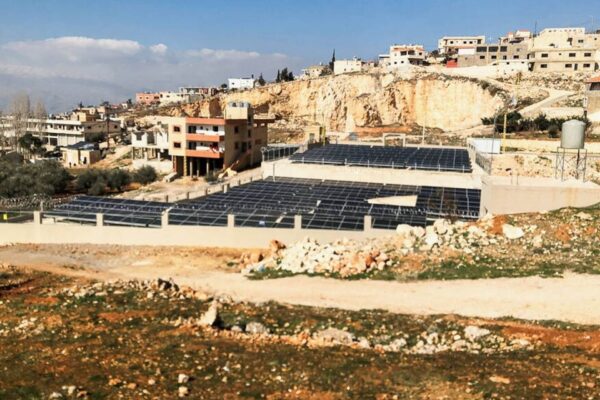
Discover how Lebanon promotes sustainable practices and innovative solutions, combining tradition and modernity for responsible development on Innovando.News: Lebanon is a parliamentary republic located in Western Asia. It has an area of 10.452 km² and is famous for its mountains, sandy beaches and Mediterranean climate. The capital is Beirut, a cultural and commercial center. With a population of about 6,7 million people, Lebanon has an economy based on services, agriculture (olives, wine) and industry (textiles, food). The GDP is USD 22 billion, with a GDP per capita of USD 3.400. The country is known for its cuisine and cultural history that includes UNESCO sites such as Byblos and Baalbek. Beirut is famous for its nightlife and historical resilience. Lebanon faces political and economic challenges, with high public debt and unemployment exceeding 20%. Typical dishes include hummus and tabbouleh.
Summary data on Lebanon
- Total population: Approximately 6,8 million inhabitants.
- Population growth rate: About 1,3% per year, with moderate growth, but with high emigration, especially to Gulf and Western countries.
- Capital: Beirut, with approximately 2,2 million inhabitants in the metropolitan area.
- Main cities: Besides Beirut, other important cities include Tripoli, Sidon, Tyre and Zahleh.
- Countries it bordersLebanon borders Syria to the north and east, and Israel to the south. It has a coastline on the Mediterranean Sea to the west.
- Nominal GDP: Approximately USD 21 billion.
- Pro-capite GDP: Approximately USD 3.000.
- GDP growth rate: Around -0,5% in 2022, due to the economic crisis that has hit the country, with a continuous decline since the financial crisis of 2019.
- Inflation: About 154%, one of the highest inflations in the world, mainly due to currency devaluation and economic crisis.
- Unemployment rate: Around 25%, with particularly high youth unemployment.
- Trade balance: Negative, with a structural trade deficit due to imports exceeding exports, especially of consumer goods and energy products.
- Major business partners: China, United States, United Arab Emirates, France, and Saudi Arabia.
- Public debt: About 170% of GDP, one of the highest in the world, which led to a severe sovereign debt crisis.
- Public spending on R&D (Research and Development): About 1% of GDP, with some investments in technology sectors, but the crisis has drastically reduced resources allocated to research.
- Main economic sectors: Financial sector (until the 2019 crisis), trade, tourism, agriculture (olives, wine, fruit), and industry.
- Currency: Lebanese Pound (LBP), but the economy is heavily influenced by the United States Dollar (USD) due to the devaluation of the lira.
- Interest rate: About 10%, set by the Central Bank of Lebanon, but monetary policies have been severely affected by the economic crisis.
- Foreign exchange reserves: About USD 15 billion, a very low level compared to the country's needs.
- Main exports: Lebanon mainly exports agricultural products (fruits, vegetables, olive oil), jewelry and chemical products.
- Main imports: Oil, vehicles, consumer goods, machinery and food.
- Human Development Index (HDI): Medium-high, with a score of around 0,734, but the country is facing a strong regression due to the economic and political crisis.
- Literacy rate: About 94%, with a relatively strong education system.
- Life expectancy: About 79 years old.
- Position in the Global Innovation Index: Average position, with some developments in the technology and innovation sectors, but limited by the economic crisis.
- Corruption Perception Index: High perception of corruption, with a score of around 25 out of 100, due to economic mismanagement and corruption in political and financial institutions.
Insights on Lebanon
1. Country Name
- Official Country Name: Lebanese Republic (Al-Jumhūrīyah al-Lubnāniyah (in Arabic).
- Short form and long form: Lebanon (short form); Lebanese Republic (long form).
2. Geography
- Geographical position: Lebanon is located in Western Asia, on the eastern coast of the Mediterranean Sea. It borders Syria to the north and east, and Israel to the south.
- Area Approximately 10.452 km².
- Description of the landscape: Lebanon is characterized by a mountainous geography, with the Lebanon Mountain Range running parallel to the coast. The mountains are followed by plains and valleys, such as the Bekaa Valley, a major agricultural area. The coast is famous for its sandy beaches, while the interior has a varied vegetation ranging from Mediterranean forests to arid lands in the higher areas. The climate is Mediterranean, with hot, dry summers and mild, rainy winters.
3. Population
- Number of inhabitants: Approximately 6,7 million people (2023).
- Population growth rate: Approximately 1,5% per annum.
- Major cities and population distribution:
- Beirut: The capital and largest city.
- tripoli: The second largest city, located in the north.
- Sidon and Tyre: Other important cities, with a strong historical and cultural tradition.
4. Capital and main cities
- Name of the capital: Beirut.
- Information on the main cities:
- Beirut: The political, economic and cultural center of the country. It is a vibrant and cosmopolitan city, famous for its history, architecture and nightlife.
- tripoli: Located in the north, it is an important commercial and historical centre, with a strong Arab and Ottoman influence.
- Sidon and Tyre: Coastal cities, rich in archaeological sites and with an important maritime tradition.
5. economy
Nominal GDP and GDP per capita
Nominal GDP is around USD 22 billion, with a GDP per capita of around USD 3.400.Main economic sectors (agriculture, industry, services)
- Agriculture: Agriculture is a traditional sector, with the production of olives, fruits, vegetables and tobacco. Lebanon is also a major producer of wine and cedars.
- Industry: Major industries include food processing, textiles, cement manufacturing, and petrochemicals. However, industry is limited compared to the service sector.
- Services: The service sector is the main driver of the Lebanese economy, especially tourism, trade and financial services. Beirut is a major banking and commercial center for the region.
GDP growth rate and inflation
The GDP growth rate has been relatively low in recent years, with a growth rate of about 2% per year. Inflation has had a significant impact on the economy, especially in recent years, due to the economic crisis that has hit the country.Unemployment rate and trade balance
The unemployment rate is high, estimated at around 20%, and the trade balance is very negative, with Lebanon being heavily dependent on imports.Public debt
Lebanon has one of the highest public debts in the world, with debt exceeding 150% of GDP. The economic crisis has exacerbated debt sustainability.Main exports and imports
- Main exports: Lebanon exports agricultural products, clothing, processed food products and handicrafts.
- Main imports: Oil, machinery, food and chemicals.
6. Political system and government
- Type of government: Parliamentary republic.
- Political structure: Lebanon has a unique political system based on a sectarian division of power, with a Maronite Christian president, a Sunni Muslim prime minister, and a Shia Muslim speaker of parliament. The parliament is unicameral and members are elected through proportional representation.
- Main political parties and electoral organization: The main political parties reflect the country's religious divisions, including the Amal Movement, the Party of God (Hezbollah), the Future Movement, and the Lebanese Maronite Movement.
7. History and culture
Brief historical overview of the country
Lebanon has a long and complex history that includes Phoenician, Roman, Arab, Ottoman, and French influences. After gaining independence from France in 1943, the country suffered years of internal conflict, including a civil war from 1975 to 1990. In recent decades, Lebanon has sought to rebuild its economy and institutions, although political divisions and regional crises have hampered its progress.Cultural and linguistic traditions
Lebanon has a rich and diverse culture, with strong roots in Arab tradition, but also Western influences, thanks to its history under French rule. The official language is Arabic, but French is widely spoken, especially in schools and among the elite. Lebanese, a dialect of Arabic, is spoken by the majority of the population. Lebanon is also famous for its cuisine, which includes dishes such as hummus, tabbouleh, kebbeh e falafel.Cultural heritage (monuments, UNESCO sites, cultural events)
- UNESCO Sites: Lebanon is home to numerous historical sites, including the ruins of Byblos, Baalbek and Tyre, all of which are World Heritage Sites.
- Cultural events: The Baalbek Festival, celebrating music, dance and theatre, is one of the country's most important cultural events.
8. Innovation and development
- Position in the Global Innovation Index: Lebanon is among the most innovative countries in the Middle East, thanks to its strong technology sector and start-ups.
- R&D (Research and Development) Spending: Spending on research and development is limited, but there are initiatives to promote innovation in digital technologies and the healthcare sector.
- Advanced technological sectors and main innovations of the country: Information and communication technologies, digital start-ups and fintech are emerging sectors in Lebanon.
9. Education and health
- Literacy rate: About 93%.
- Structure of the education system: The Lebanese education system is divided into public and private schools, with a significant number of French and English-speaking schools. Lebanese universities, such as the American University of Beirut, are highly respected in the region.
- Quality and accessibility of the health system: The health system is advanced in urban areas, but resources are more limited in rural areas.
- Life expectancy: About 79 years old.
10. International rankings
- Position in the Human Development Index (HDI): Medium-high, with an HDI of around 0,74.
- Position in the Corruption Perceptions Index (CPI): Corruption is a persistent problem in Lebanon, with the country ranking low in the CPI index.
- Position in global economic indices: Lebanon is considered an emerging economy, but political and economic challenges limit it in terms of global competitiveness.
11. Environmental policies
- The country's efforts in terms of sustainability: Lebanon has initiated some policies to improve waste management and energy efficiency, but environmental policies are limited.
- Environmental policies and international commitments: The country participates in international agreements on climate change, but needs stronger policies to address environmental risks.
12. Curiosities and peculiarities
- Interesting or unique facts about the country:
- Lebanon is known for its cuisine, which is one of the most diverse and influential in the Middle East.
- The city of Beirut is known for its history of resilience and for being a cultural and commercial hub of the region.
- Important events, national holidays, gastronomic specialties:
- Independence Day (November 22): Celebrates independence from France.
- Local cuisine: Dishes like Baklava, hummus, kebbeh e tabbouleh are among the most popular.
