


 SEARCH


Latvia



Other articles
Country information
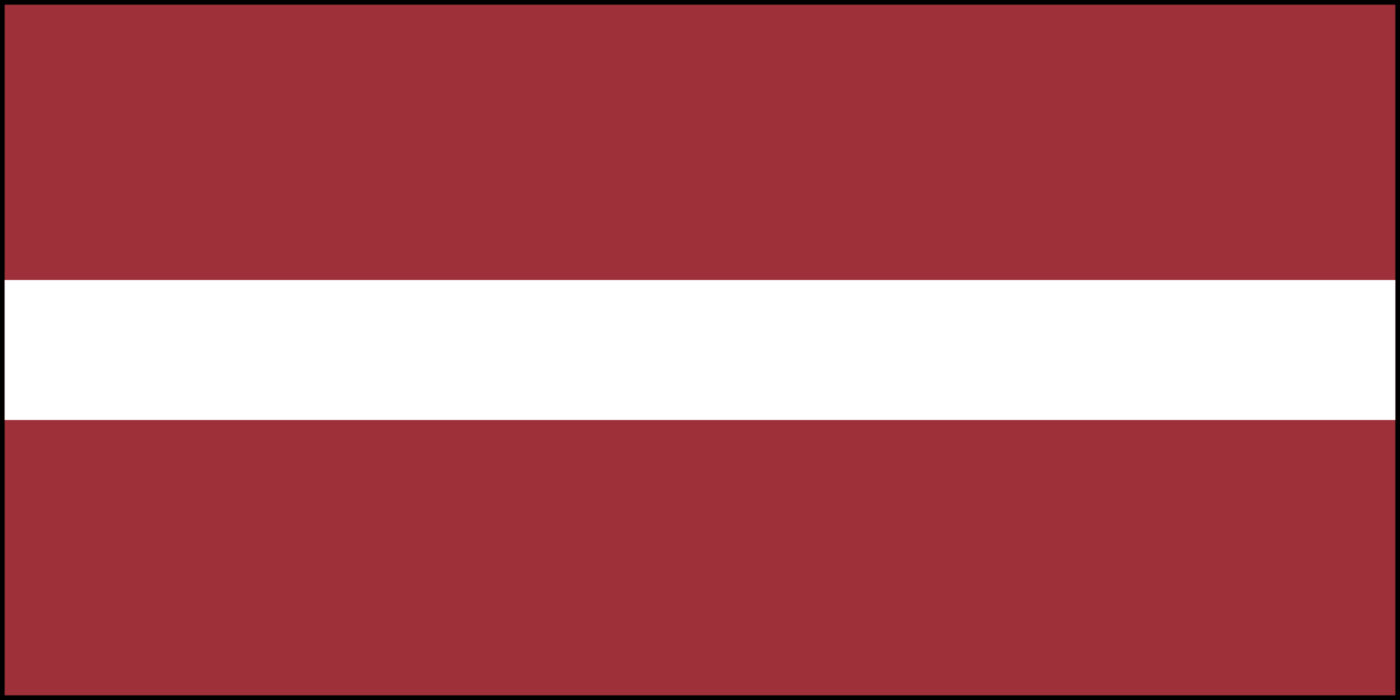
Learn how Latvia is adopting innovative and sustainable solutions to promote economic growth, digitalization, and environmental protection in the Baltics on Innovando.News: Latvia is a parliamentary republic in northeastern Europe, bordering the Baltic Sea and a member of the European Union, NATO, the Schengen Area, and the Eurozone. It borders Estonia, Russia, Belarus, and Lithuania. With an area of approximately 64.594 km², it is one of the three Baltic republics. Its capital is Riga, the country's main political, economic, and cultural center, while its population is approximately 1,85 million. The Latvian economy is primarily based on services, ICT, logistics, wood processing, agri-food, light manufacturing, and exports to European markets. Nominal GDP is approximately €40 billion, and nominal GDP per capita exceeds €21.000. Latvia is a parliamentary republic with a President, a Prime Minister, and a unicameral Parliament, the Saeima. Cultural traditions include choral singing, folk dances, and summer solstice celebrations, known as Jāņi. Local cuisine includes dishes such as gray peas with bacon, rye bread, sklandrausis, and the famous Riga Black Balsam. The country is known for Riga's Old Town, a UNESCO World Heritage Site, the beaches of Jūrmala, Gauja National Park, forests, lakes, and the long Baltic coast.
Summary data on Latvia
- Total population: Approximately 1,85 million inhabitants at the beginning of 2026.
- Population growth rateNegative, approximately -0,8% per year, due to the unfavorable natural balance and still weak migratory dynamics.
- Capital: Riga, with approximately 589.000 inhabitants.
- Main cities: Besides Riga, major cities include Daugavpils, Liepāja, Jelgava, Jūrmala, Ventspils and Rēzekne.
- Countries it bordersLatvia borders Estonia to the north, Russia to the east, Belarus to the southeast, and Lithuania to the south. It also has a coastline on the Baltic Sea and the Gulf of Riga.
- Nominal GDP: Approximately €40,2 billion in 2024; estimates indicate approximately €42,3 billion in 2025.
- nominal GDP per capita: Approximately €21.500 in 2024; estimated to be around €22.600 in 2025.
- GDP growth rate: -0,4% in 2024, with an estimated recovery of around 1,0% in 2025 and 2,0% in 2026.
- Inflation: Approximately 1,3% in 2024 as an annual HICP average; estimated at around 3,3% in 2025.
- Unemployment rate: Approximately 6,9% in 2024, with a slight decline estimated in subsequent years.
- Trade balanceNegative for goods; in 2024, Latvia exported goods worth approximately EUR 18,7 billion and imported goods worth approximately EUR 21,7 billion.
- Major business partnersLithuania, Estonia, Germany, Poland, Finland, and Sweden are among the largest overall trading partners. For exports of goods, the main markets in 2024 were Lithuania, Estonia, Germany, Sweden, and Russia; for imports, Lithuania, Germany, Poland, Estonia, and Finland.
- Public debt: Around 46,8% of GDP in 2024, with a forecast of around 47,5% in 2025.
- R&D (Research and Development) SpendingTotal R&D spending is approximately 0,9% of GDP; public R&D spending has grown significantly over the last decade, but remains below the EU average.
- Main economic sectorsServices, ICT, finance, logistics, tourism, woodworking, agri-food, chemicals, pharmaceuticals, machinery, electrical equipment, and transportation.
- Currency: Euro (EUR), adopted on 1 January 2014.
- Interest ratesMonetary policy is set by the European Central Bank. Effective June 17, 2026, ECB interest rates are: 2,25% on deposits, 2,40% on the main refinancing operations, and 2,65% on the marginal lending facility.
- Official reserves and financial assetsThe Bank of Latvia's gold and financial investment assets reached approximately EUR 6,2 billion in 2024.
- Main exports: Wood and wood products, electrical equipment, machinery, food products, chemicals, grains and other agricultural products.
- Main imports: Machinery and electrical equipment, energy and mineral products, chemicals, vehicles, food and consumer goods.
- Human Development Index (HDI): Very high, with a value of 0,889 and 41st position in the Human Development Report 2025.
- Literacy rate: Approximately 99,9%, with an education system integrated into the European Education Area.
- Life expectancy: About 76 years according to the most recent UNDP data.
- Position in the Global Innovation Index: 41st place in the Global Innovation Index 2025, with strengths in ICT, digital services and the start-up ecosystem.
- Corruption Perceptions IndexScore of 60/100 and 37th place out of 182 countries in the 2025 edition of Transparency International.
In-depth study on Latvia
1. Country Name
- Official name: Republic of Latvia (Latvian republic).
- Short form: Latvia.
2. Geography
- Geographical position: Latvia is located in northeastern Europe, in the Baltic region, bordering the Baltic Sea and the Gulf of Riga.
- Borders: It borders Estonia, Russia, Belarus and Lithuania.
- Area Approximately 64.594 km².
- Landscape: The territory is predominantly flat, with vast forests, lakes, rivers, wetlands, and a long sandy coastline. Forests cover a significant portion of the country and represent a strategic economic and environmental resource.
3. Population
- Number of inhabitants: Around 1,85 million.
- Demographic dynamics: The population is decreasing, mainly due to the negative natural balance and the long-term effects of emigration.
- Distribution: The population is concentrated mainly in the Riga area, while many rural and peripheral areas have low population density.
4. Capital and main cities
- Capital: Line.
- Main cities: Daugavpils, Liepāja, Jelgava, Jūrmala, Ventspils and Rēzekne.
- Riga: It is the country's main political, economic, cultural, and university center. Its historic center is a UNESCO World Heritage Site and is known for its medieval and Art Nouveau architecture.
5. economy
Latvia has an open economy, integrated into the European Single Market and the Eurozone. Its main sectors are services, ICT, finance, logistics, tourism, wood processing, agri-food, chemicals, pharmaceuticals, machinery, and electrical equipment. Real GDP contracted slightly in 2024, while forecasts indicate a gradual recovery. The country continues to invest in digitalization, infrastructure, energy, innovation, and business competitiveness.6. Political system and government
- Form of government: Parliamentary republic.
- Head of State: President of the Republic.
- Head of Government: Prime Minister.
- Parliament: Saeima, unicameral assembly composed of 100 members.
- International Membership: Latvia is a member of the European Union, NATO, the OECD, the Schengen Area, and the Eurozone.
7. History and culture
Latvia declared independence in 1918, was occupied by the Soviet Union in 1940, then by Nazi Germany during World War II, and again by the USSR until independence was restored in 1991. In 2004, it joined the European Union and NATO. Latvian culture is closely linked to the Latvian language, folklore, choral singing, folk dances, and seasonal festivals. The Latvian Song and Dance Festival is one of the country's most important cultural events.8. Innovation and development
- Innovation: Latvia is strengthening its position in the ICT, digital services, fintech, green technologies, smart mobility, and energy efficiency sectors.
- Start-up: Riga is the country's leading hub for tech startups and businesses.
- R&D: Spending on research and development remains below the European average, but is growing compared to the past.
9. Education and health
- Literacy: About 99,9%.
- Instruction: The education system is integrated into the European Higher Education Area; Riga is home to the country's leading universities and research institutions.
- Health: The healthcare system offers public coverage, but faces challenges related to resources, access times, and territorial differences.
- Life expectancy: About 76 years old.
10. International rankings
- Human Development Index: Very high, with HDI equal to 0,889.
- Global Innovation Index: 41st position in 2025.
- Corruption Perceptions Index: Score equal to 60/100 in 2025.
11. Environmental policies
Latvia boasts significant natural heritage, with vast forests, protected areas, national parks, and significant biodiversity. Environmental policies are aligned with European climate objectives, energy efficiency, increased renewables, and the protection of forest and coastal ecosystems.12. Curiosities and peculiarities
- Riga is one of the most important Baltic capitals and preserves one of the largest heritages of Art Nouveau architecture in Europe.
- Jūrmala is the country's main seaside resort.
- Gauja National Park is one of Latvia's most popular nature destinations.
- Gastronomic specialties include grey peas with speck, rye bread, sklandrausis and Riga Black Balsam.
- The Jāņi festival, linked to the summer solstice, is one of the most heartfelt celebrations in the country.
