


 SEARCH


Falkland Islands



Other articles
Country information
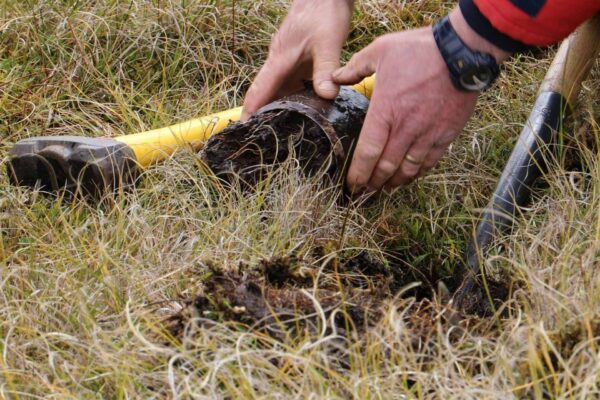
Discover how the Falkland Islands are promoting the conservation of unique species and environmental sustainability in the Atlantic Ocean on Innovando.News: These islands are a British Overseas Territory located in the South Atlantic Ocean, east of Argentina. The archipelago comprises the two main islands, East Falkland and West Falkland, with a cold and windy oceanic climate. The population of approximately 3.700 people lives mainly in Stanley, the capital and administrative center, and in small communities on other islands. The economy is based on fishing, sheep farming and, more recently, oil exploration. The sovereignty of the islands is disputed with Argentina, but British control was reaffirmed after the Falklands War of 1982. The local culture is influenced by British traditions, with events such as Falklands Day and a cuisine that includes lamb and fresh fish. The Falklands are also famous for their marine biodiversity and habitats for penguins and seabirds.
Falkland Islands Summary Data
- Total population: Approximately 3.400 inhabitants.
- Population growth rate: About 1,5% per year, with moderate growth thanks to immigration and economic stability.
- Capital: Stanley, with approximately 2.100 inhabitants.
- Main cities: Stanley is the only town of significance; other inhabited areas include Camp and Mount Pleasant, the latter of which is home to a military base.
- Countries it borders: The Falkland Islands are a British Overseas Territory located in the Atlantic Ocean, approximately 500 km off the coast of Argentina. They have no land borders.
- Nominal GDP: Approximately USD 100 million.
- Pro-capite GDP: Approximately USD 29.000.
- GDP growth rate: About 2-3% in 2022, mainly supported by the fishing industry and tourism.
- Inflation: Around 2-3%, influenced by import costs and the currency being pegged to the British pound.
- Unemployment rate: About 2-3%, with a stable labor market thanks to public employment and fishing activities.
- Trade balance: Positive, with a trade surplus mainly deriving from exports of fish products (especially cod and shellfish).
- Major business partners: United Kingdom, United States, Spain and Argentina.
- Public debt: Very low, with the British government ensuring economic stability.
- Public spending on R&D (Research and Development): Limited, mainly focused on the fisheries sector and natural resources.
- Main economic sectors: Fishing (especially fish and shellfish), tourism, sheep farming, and public services.
- Currency: Falkland Islands pound (FKP), tied to the British pound (GBP).
- Interest rate: About the rate set by the Bank of England, since the island is part of the British economic system.
- Foreign exchange reserves: Not applicable separately, the island is part of the British economic system.
- Main exports: Fish, shellfish and wool.
- Main imports: Food products, fuels, machinery and consumer goods.
- Human Development Index (HDI): High, with a score similar to that of the UK (around 0,900).
- Literacy rate: Approximately 100%, with an education system that follows UK standards.
- Life expectancy: About 81 years old.
- Position in the Global Innovation Index: Moderate position, with economic activities more oriented towards the sustainability of natural resources rather than towards advanced technological innovation.
- Corruption Perception Index: Low perception of corruption, with a score of around 75 out of 100, in line with the British territories.
Insights into Falkland Islands
1. Country Name
- Official Country Name: Falkland Islands (Falkland Islands)
- Short form and long form: Falkland Islands (short form); British Overseas Territory of the Falkland Islands (long form).
2. Geography
- Geographical position: Located in the South Atlantic Ocean, approximately 500 km east of the coast of Argentina and 1.200 km north of the Antarctic Circle.
- Area Approximately 12.200 km².
- Description of the landscape: The archipelago consists of two main islands, East Falkland and West Falkland, and about 776 smaller islands. The landscape is characterized by hills, rocky coasts and open grasslands. The climate is oceanic, cold and windy, with moderate rainfall throughout the year.
3. Population
- Number of inhabitants: Approximately 3.700 people (2023).
- Population growth rate: Positive, thanks to immigration and natural growth.
- Major cities and population distribution: Most of the population lives in Stanley (the capital) on East Falkland. Smaller settlements are found on West Falkland and the smaller islands.
4. Capital and main cities
- Name of the capital: Stanley.
- Information on the main cities:
- Stanley: Administrative and economic center, with historic buildings, museums and the main port of the archipelago.
- Port Howard: A rural community on West Falkland, important for sheep farming.
5. economy
Nominal GDP and GDP per capita
Nominal GDP is estimated at around USD 200 million, with per capita GDP among the highest in Latin America, at around USD 70.000.Main economic sectors (agriculture, industry, services)
- Agriculture: Sheep farming for wool is one of the main traditional economic activities.
- Industry: Fishing and, more recently, oil exploration.
- Services: Tourism is growing, thanks to the unique biodiversity and history of the islands.
GDP growth rate and inflation
Economic growth is stable, with the economy mainly dependent on fishing. Inflation is moderate.Unemployment rate and trade balance
Unemployment is virtually non-existent. The trade balance is positive thanks to exports of fish and wool.Public debt
Public debt is low, thanks to a well-managed economy and support from the UK.Main exports and imports
- Main exports: Fish (especially squid), wool and sheep meat.
- Main imports: Fuel, food, consumer goods and building materials.
6. Political system and government
- Type of government: Parliamentary democracy in British Overseas Territory.
- Political structure: The head of state is the British monarch, represented by a Governor. Local government is headed by a Legislative Council.
- Main political parties and electoral organization: There are no formal political parties; candidates stand as independents in elections.
7. History and culture
Brief historical overview of the country
The Falkland Islands were discovered in the 1833th century, claimed by several countries, including France, Spain and Argentina. Since XNUMX they have been under British administration. The sovereignty of the islands is disputed by Argentina, which calls them Falkland Islands. In 1982, the Falklands War between Argentina and the United Kingdom reaffirmed British control.Cultural and linguistic traditions
The official language is English. The culture is influenced by British tradition, but retains elements related to the isolated nature of the archipelago, such as a rural and communal lifestyle.Cultural heritage (monuments, UNESCO sites, cultural events)
There are no UNESCO sites, but the Falklands War memorials and museums in Stanley are of great historical interest. Annual events such as the Falklands Day celebrate local history and culture.8. Innovation and development
- Position in the Global Innovation Index: Not applicable.
- R&D (Research and Development) Spending: Limited, but growing thanks to oil exploration and marine research.
- Advanced technological sectors and main innovations of the country: Environmental monitoring, marine resources management and tourism infrastructure.
9. Education and health
- Literacy rate: Close to 100%.
- Structure of the education system: Primary and secondary schools are available in Stanley. For higher education, students move to the UK.
- Quality and accessibility of the health system: The hospital in Stanley offers both primary and specialist care. Complex cases require transfers to the UK.
- Life expectancy: About 80 years old.
10. International rankings
- Position in the Human Development Index (HDI): Not officially calculated, but the standard of living is high.
- Position in the Corruption Perceptions Index (CPI): Not applicable, but local government is considered transparent.
- Position in global economic indices: Not applicable.
11. Environmental policies
- The country's efforts in terms of sustainability: The Falklands have established conservation programs to protect biodiversity and marine resources. Farming and fishing are regulated to prevent overexploitation.
- Environmental policies and international commitments: The islands participate in global initiatives to conserve marine life and fight climate change.
12. Curiosities and peculiarities
- Interesting or unique facts about the country:
- The Falklands are home to over a million penguins of several species, including Magellanic penguins and king penguins.
- The wool produced is of high quality and particularly appreciated in the global market.
- The archipelago is a paradise for birdwatchers, with endemic species such as the striated caracara.
- Important events, national holidays, gastronomic specialties:
- Liberation Day (June 14): Celebrates the end of the Argentine occupation in 1982.
- Local cuisine: Includes lamb dishes, fresh fish and calamari.
