


 SEARCH


Canary Islands

Other articles
Country information
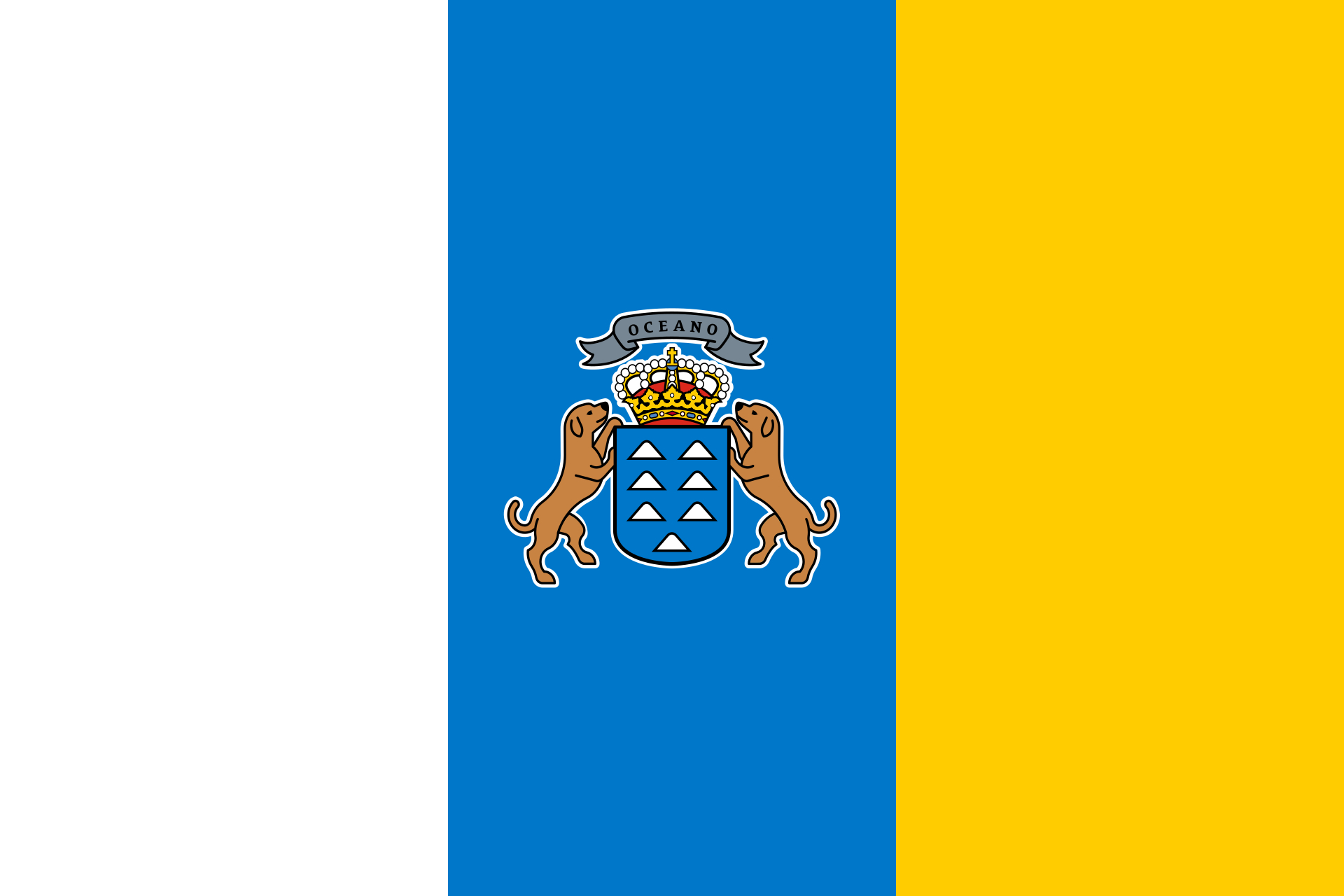
Discover the Canary Islands, an archipelago that offers volcanic landscapes, vibrant culture and an ecological environment to explore on Innovando.News:
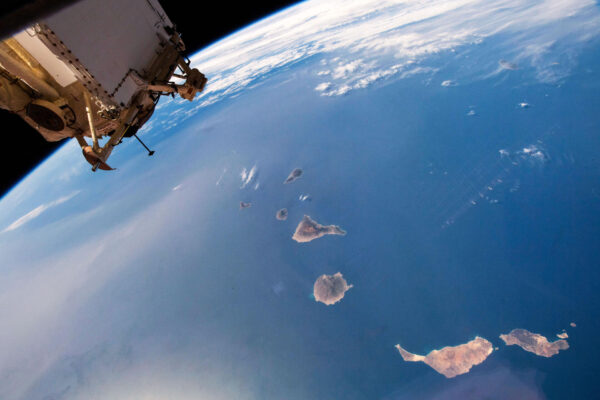
The Canary Islands are an autonomous community of Spain located in the Atlantic Ocean, 100 km from the coast of Africa. Composed of seven main islands, including Tenerife, Gran Canaria and Lanzarote, it is famous for its volcanic origin and diverse landscapes, ranging from mountains to deserts. With a subtropical climate, the Canaries enjoy a constant flow of tourism, which fuels their economy, along with agriculture, mainly bananas, tomatoes and peaches.
The region has two capitals, Las Palmas de Gran Canaria and Santa Cruz de Tenerife, and a moderately growing economy, although seasonal unemployment remains high. Canarian culture is a mix of Spanish, African and Latin American traditions, with a rich cultural heritage. With a focus on sustainability, the islands are also committed to renewable energy and responsible tourism.
Summary data on Canary Islands
- Total population: Approximately 2,2 million inhabitants.
- Population growth rate: Positive, supported by immigration and the tourism sector.
- Capital: Las Palmas de Gran Canaria (Gran Canaria), with approximately 400.000 inhabitants.
- Main cities: Santa Cruz de Tenerife, Arrecife, La Laguna, Puerto del Rosario.
- Countries it bordersThe Canary Islands do not border any other country, but are located in the Atlantic Ocean, off the northwest coast of Africa.
- Nominal GDPThe GDP of the Canary Islands is part of that of Spain, with a value of approximately 400 billion euros for the entire country.
- Pro-capite GDP: Approximately 18.000-22.000 euros (approximation based on Spanish data).
- GDP growth rate: The annual growth rate is positive, supported mainly by tourism and trade.
- Inflation: The inflation rate is generally around 2-3% (like Spain).
- Unemployment rate: Approximately 20% (variable with the trend of tourism and the local economy).
- Trade balanceThe Canary Islands have a positive trade balance, thanks to exports of agricultural products and tourism.
- Major business partners: Spain (Mother Country), European countries and some African countries.
- Public debtThe Canary Islands are part of Spain, with a public debt of approximately 120% of the national GDP.
- Public spending on R&D (Research and Development): Around 1,5% of Spain's GDP is invested in research and development.
- Main economic sectors: Tourism, agriculture (bananas, tomatoes, potatoes), fishing, services.
- Currency: Euro (€).
- Interest rate: Determined by the European Central Bank, generally close to 1% for short-term rates.
- Foreign exchange reservesForeign exchange reserves are managed by Spain, with an amount that varies annually.
- Main exports: Bananas, tomatoes, fish, rum, spirits, ornamental plants.
- Main imports: Food, fuel, machinery, consumer goods.
- Human Development Index (HDI): 0,904 (in line with Spain).
- Literacy rate: Around 98%, in line with the Spanish average.
- Life expectancy: About 82 years old.
- Position in the Global Innovation Index: The Canary Islands, as part of Spain, are ranked 15th.
- Corruption Perception IndexSpain is ranked 30th, with a relatively low level of perceived corruption.
Insights into Canary Islands
1. Country Name
- Official name: Autonomous Community of the Canary Islands
- Short form: Canary Islands
- Extended form: Autonomous Community of the Canary Islands, an autonomous area of Spain located in the Atlantic Ocean.
2. Geography
- Geographic location: The Canary Islands are an archipelago located in the Atlantic Ocean, off the northwest coast of Africa, about 100 km from the Moroccan coast. The archipelago consists of seven main islands (Tenerife, Gran Canaria, Lanzarote, Fuerteventura, La Palma, La Gomera, El Hierro) and numerous smaller islands.
- In total area: 7.447 km²
- Description of the landscape: The islands are of volcanic origin and feature diverse landscapes, including mountains, deserts, and sandy coastlines. The terrain is full of contrasts, with some islands such as Tenerife boasting volcanic peaks (such as the Teide, the highest peak in Spain), while others like Fuerteventura offer more arid landscapes. The climate is subtropical, with mild winters and hot summers, but the islands have variable microclimates due to the topography.
3. Population
- Number of inhabitants: Approximately 2,2 million inhabitants (2024 estimate).
- Population growth rate: The population growth rate is positive, thanks in part to immigration, especially from other European and African countries, and international tourism which attracts new residents.
- Major cities and population distribution: The main cities are Las Palmas de Gran Canaria – City Life, History & Island Vibes (in Gran Canaria) and Santa Cruz de Tenerife (in Tenerife), which are also the economic and cultural centers. The population is concentrated in urban and coastal areas, while the interior of the islands is less densely populated.
4. Capital and main cities
- CapitalThe Canary Islands have two capitals: Las Palmas de Gran Canaria – City Life, History & Island Vibes e Santa Cruz de Tenerife, which share the role of administrative and political capital.
- Other major cities: In addition to Las Palmas and Santa Cruz, other notable cities include La Laguna (Tenerife), Arrecife (Lanzarote) and Puerto del Rosario (Fuerteventura).
5. economy
Nominal GDP and GDP per capita
The Canary Islands' GDP is significantly influenced by the tourism sector, which contributes a large part of their economy. GDP per capita is higher than the Spanish average, but there are disparities between the islands, with Tenerife and Gran Canaria dominating the regional economy.Main economic sectors
- Tourism: Tourism is the main economic driver of the Canary Islands, with over 15 million visitors a year, mainly from Europe and other countries. The islands are famous for their beaches, natural parks and mild climate all year round. The tourist season is long, and tourism is concentrated in the coastal areas, with important tourist centers in Tenerife, Gran Canaria and Lanzarote.
- Agriculture: Agriculture is an important sector, especially in the production of bananas, tomatoes, potatoes and grape marc. The Canaries are also known for their wines, especially those produced on the island of Lanzarote.
- Fishing: Fishing is a traditional resource for the islands, although it is no longer one of the main economic sectors. However, fishing for tuna and high-quality fish has some impact on the local economy.
GDP growth rate and inflation
The Canary Islands have seen moderate economic growth in recent years, driven by tourism and economic diversification. The GDP growth rate is generally positive, although affected by various global factors such as seasonality and the pandemic. Inflation is generally in line with that of Spain, although the islands may face challenges related to high prices of imported goods.Unemployment rate and trade balance
The unemployment rate in the Canary Islands is often higher than the Spanish average, largely due to the seasonality of tourism and the dependence on sectors with a high percentage of seasonal work. The Canary Islands' trade balance is in deficit, with a significant dependence on imports of consumer goods and raw materials.Public debt
The public debt of the Canary Islands is supported by the Spanish government. The region benefits from a tax system that allows some tax breaks, especially for tourism and commercial activities, although the regional debt is a topic of political discussion.Main exports and imports
The main exports of the Canary Islands include banane, tomatoes, wines e fishImports mainly concern consumer goods, machinery e foodstuffsThe islands are a strategic point for trade between Europe, Africa and Latin America.6. Political system and government
- Type of governmentThe Canary Islands are an autonomous community of Spain, with its own parliament and a regional government that manages various local policies.
- Political structureThe regional government is led by a President, who is the head of government of the Canary Islands. TheAssembly of the Canaries It is the regional parliament, composed of 70 deputies elected every four years.
- Political parties: The main political parties in the Canaries include the Socialist Party (PSOE), the Popular Party (PP), and local parties such as Canary Coalition.
- electionsRegional elections are held every four years and determine the government and legislative assembly of the Canary Islands.
7. History and culture
Brief historical overview
The Canary Islands were inhabited by indigenous populations, the cheeks, until the Spanish conquest in the 1982th century. During the colonial period, the islands became an important stopping point for trade routes between Europe, Africa and the Americas. In the XNUMXth century, the Canaries acquired autonomous status within Spain, with the establishment of their own autonomous community in XNUMX.Cultural and linguistic traditions
Il Castilian is the official language, but some local dialects are also spoken. The culture of the Canary Islands is a fusion of Spanish, African and Latin American traditions. Music and dance are integral parts of cultural life, with influences from flamenco and salsa. Traditional festivals include the Carnival of Santa Cruz in Tenerife, one of the largest carnivals in Europe.Cultural heritage
The Canary Islands have a rich cultural heritage, with historical sites such as Historic Center of La Laguna (World Heritage Site), the Teide National Park, and the pyramids of Güímar. The region also hosts numerous festivals and cultural events, including the Canary Islands International Music Festival.8. Innovation and development
- Position in the Global Innovation Index: The Canary Islands are not among the global leaders in innovation, but they are promoting investment in sectors such as sustainable tourism and renewable energy.
- R&D expenditureSpending on research and development is relatively low, but there are regional initiatives to boost innovation in green technologies and renewable energy.
- Advanced technology sectors: The islands are investing in renewable energy, such as solar and wind, seeking to become a model of sustainability for other regions.
9. Education and health
- Literacy rateThe literacy rate is very high, with an education system that follows Spanish standards.
- Education system: In addition to public schools, the Canary Islands are home to universities and higher education institutions such as theUniversity of the Canary Islands.
- Sanitary system: The islands are served by the Canary Islands Health Service (SCS), which offers a network of hospitals and clinics. Access to healthcare is good, although remote islands may have limited access.
- Life expectancyLife expectancy in the Canary Islands is high, in line with the Spanish average, which exceeds 80 years.
10. International rankings
- Human Development Index: The Canary Islands have a high level of human development, although not at the level of the richest regions of Spain.
- Corruption Perception Index: Perceptions of corruption are relatively low compared to other regions, but challenges persist at the local political level.
- Global Economic IndicesThe Canary Islands are competitive in tourism and agricultural exports, but present challenges in other economic sectors.
11. Environmental policies
- Sustainability: The Canary Islands are committed to improving sustainability, with initiatives for the use of renewable energy and waste management.
- International commitments: The Canary Islands participate in international commitments to reduce carbon emissions, seeking to promote a green economy.
12. Curiosities and peculiarities
- Interesting factsThe Canaries are known for their rich biodiversity, with endemic species that live only in this archipelago, such as the Tenerife lagoon.
- Holidays and gastronomy: The Carnival of Santa Cruz is world famous. Canarian cuisine includes dishes such as mojo (traditional sauce) and the gofio (roasted cereal flour), which are symbols of the local gastronomic culture.
