


 SEARCH


Isle of Man


Other articles
Country information
Explore how the Isle of Man adopts sustainable solutions and promotes technological innovation to address environmental challenges on Innovando.News: The Isle of Man, located in the Irish Sea, is a fascinating Crown Dependency with a history dating back to Celtic and Viking times. Covering 572 km², the island is famous for its landscape of rolling hills, green valleys and a rocky coastline, with Mount Snaefell reaching 621 metres. The capital, Douglas, is the administrative and economic centre, while other towns such as Peel and Ramsey add charm with their historic ports. The economy is diversified, with a GDP per capita among the highest in the world thanks to the financial services, online toys and satellite technology sectors. With a self-governing system and the famous Tynwald, one of the oldest parliaments in the world, the island is a model of stability and innovation. In addition, events such as the famous Tourist Trophy (TT) and legends such as the Manx Cats add to its uniqueness.
Isle of Man Summary Data
- Total population: Approximately 85.000 inhabitants.
- Population growth rate: Approximately 0,3% per annum.
- Capital: Douglas, with approximately 27.000 inhabitants.
- Main cities: In addition to Douglas, other significant towns include Ramsey, Peel and Port Erin.
- Countries it bordersThe Isle of Man has no land borders, being an island in the Irish Sea, between England and Ireland, and is part of the United Kingdom as a self-governing territory.
- Nominal GDP: Approximately USD 2,6 billion.
- Pro-capite GDP: Approximately USD 30.000.
- GDP growth rate: Around 4% in 2022, mainly supported by financial and tourism sectors.
- Inflation: Around 5%, mainly influenced by energy and food prices.
- Unemployment rate: Around 2-3%, one of the lowest unemployment rates among the UK territories.
- Trade balance: Positive, with a trade surplus due to exports of financial services and tourism.
- Major business partners: United Kingdom, Ireland, Netherlands and United States.
- Public debt: Around 35% of GDP, with relatively low and sustainably managed debt.
- Public spending on R&D (Research and Development): About 1% of GDP, with investments in technological research and innovation.
- Main economic sectors: Financial services, tourism, construction and industry (especially electronics and software).
- Currency: Isle of Man pound (IMP), pegged to the British pound (GBP).
- Interest rate: About 1%, set by the Bank of England, as the island is part of the British economic system.
- Foreign exchange reserves: Approximately USD 1 billion.
- Main exports: Financial services, tourism, electronic products and software.
- Main imports: Food products, machinery, fuel and consumer goods.
- Human Development Index (HDI): Very high, with a score of around 0,938.
- Literacy rate: About 99%, with a well-developed education system.
- Life expectancy: About 82 years old.
- Position in the Global Innovation Index: High position, thanks to investments in technology, financial services and innovation.
- Corruption Perception Index: Low perception of corruption, with a score of around 75 out of 100.
Isle of Man Insights
1. Country Name
- Official Country Name: Isle of Man
- Short form and long form: Isle of Man (short form); Crown Dependency of the Isle of Man (long form)
2. Geography
- Geographical position: Located in the Irish Sea, between the coasts of England, Northern Ireland, Scotland and Wales.
- Area Approximately 572 km².
- Description of the landscape: The island is characterized by rolling hills, green valleys and a rocky coast. The highest point is Mount Snaefell (621 meters). The climate is temperate oceanic, with mild winters and cool summers.
3. Population
- Number of inhabitants: Approximately 85.000 people.
- Population growth rate: Moderate, around 0,5% per year.
- Major cities and population distribution: Most of the population lives in Douglas (the capital) and coastal towns such as Ramsey, Peel and Castletown.
4. Capital and main cities
- Name of the capital: Douglas.
- Information on the main cities:
- Douglas: Administrative and financial center, with a lively port.
- Peel: Historic port city, famous for its medieval castle.
- Ramsay: Important for trade and tourism.
- Castletown: Ancient capital, known for Castle Rushen.
5. economy
Nominal GDP and GDP per capita
The Isle of Man has an estimated nominal GDP of around US$7 billion, with a GDP per capita of around US$65.000, thanks to its diversified economy.Main economic sectors (agriculture, industry, services)
- Agriculture: It represents a small part of the GDP, with production of beef, sheep and dairy products.
- Industry: Includes electronics, telecommunications, aerospace and light manufacturing.
- Services: They make up the bulk of the economy, with a focus on finance, tourism and online gaming.
GDP growth rate and inflation
Economic growth is stable, around 3-4% per year. Inflation is low, around 2%.Unemployment rate and trade balance
Unemployment is very low, below 2%. The trade balance is positive thanks to exports of financial and technological services.Public debt
Public debt is low, thanks to prudent economic management.Main exports and imports
- Main exports: Financial services, technology, aerospace components.
- Main imports: Consumer goods, building materials, food products.
6. Political system and government
- Type of government: British Crown dependency with extensive self-government.
- Political structure: Tynwald, the local parliament, is one of the oldest in the world, dating back to 979 AD. The head of state is the British monarch, represented by a lieutenant governor, while the head of government is the Chief Minister.
- Main political parties and electoral organization: The political system is based on independent candidates, with few formal political parties.
7. History and culture
Brief historical overview of the country
The Isle of Man has an ancient history dating back to Celtic and Viking times. In the 13th century, it came under Scottish and then English control. Although a British Crown dependency, it has always retained a considerable degree of autonomy.Cultural and linguistic traditions
The official language is English, but Manx (Mannish Gaelic) is a historical language preserved through cultural programs. The culture is deeply influenced by Celtic and Viking traditions.Cultural heritage (monuments, UNESCO sites, cultural events)
The island is famous for Castle Rushen, the Laxey Wheel (the world's largest waterwheel) and the Viking burial mounds. Major events include the TT (Tourist Trophy), one of the world's most famous motorcycle races.8. Innovation and development
- Position in the Global Innovation Index: The Isle of Man does not feature in major indices, but is a leader in technology sectors such as online gaming and satellite communications.
- R&D (Research and Development) Spending: Limited, but growing in technology sectors.
- Advanced technological sectors and main innovations of the country: Fintech, online gaming technology and aerospace components.
9. Education and health
- Literacy rate: Close to 99%.
- Structure of the education system: Education is free and compulsory until the age of 16. Students can enter British universities at reduced rates.
- Quality and accessibility of the health system: The health system is public and guarantees high quality services for residents.
- Life expectancy: About 81 years old.
10. International rankings
- Position in the Human Development Index (HDI): Not applicable, but quality of life levels are comparable to the UK.
- Position in the Corruption Perceptions Index (CPI): Not applicable, but the island is considered transparent and well managed.
- Position in global economic indices: The Isle of Man is recognised for its business friendly environment.
11. Environmental policies
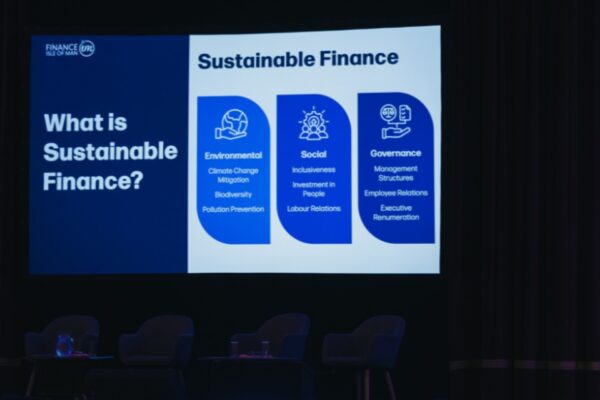
- The country's efforts in terms of sustainability: The island is implementing strategies to achieve carbon neutrality by 2050, with investments in renewable energy.
- Environmental policies and international commitments: It is part of marine and terrestrial conservation programs to protect biodiversity.
12. Curiosities and peculiarities
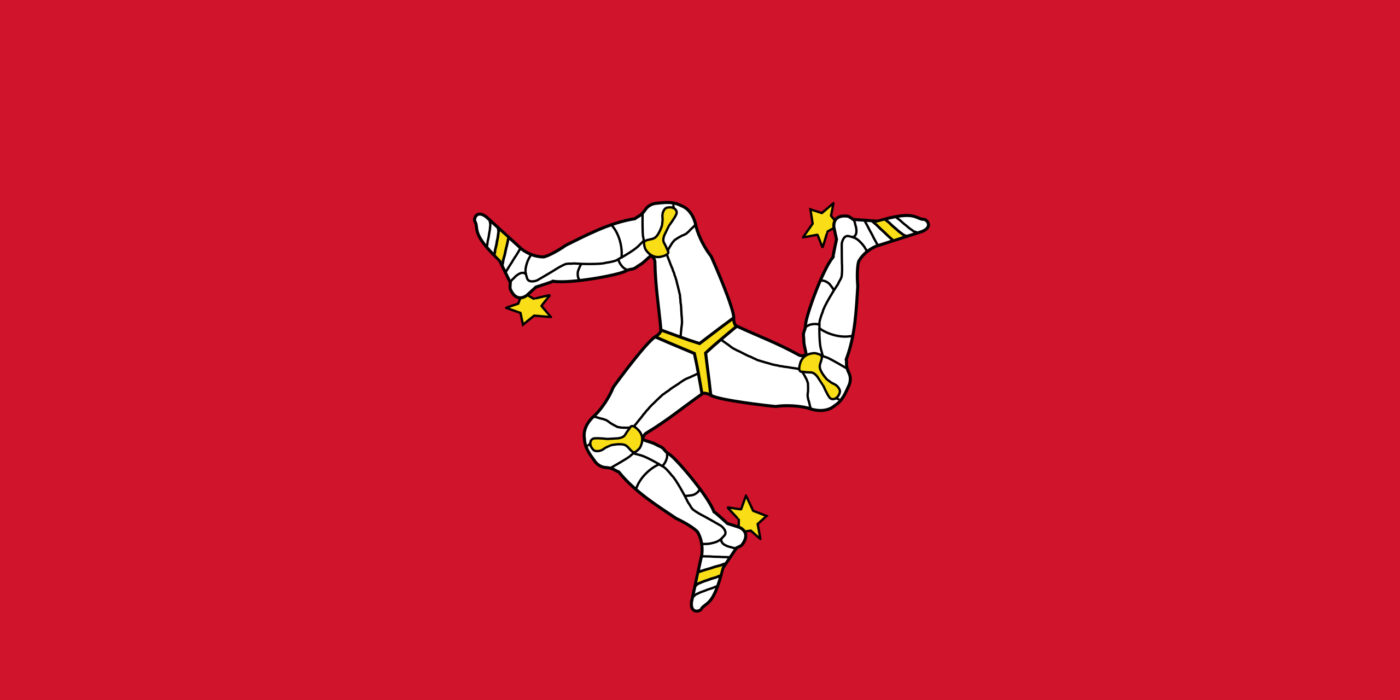
- Interesting or unique facts about the country: The Isle of Man is famous for the legend of the "Manx Cats," tailless cats native to the island. It is also known for the Triskelion, an ancient symbol with three legs representing eternal movement.
- Important events, national holidays, gastronomic specialties: Tynwald Day is celebrated on 5 July. Local specialities include kipper (smoked herring) and Manx cheese.
