


 SEARCH


Guinea

Other articles
Country information
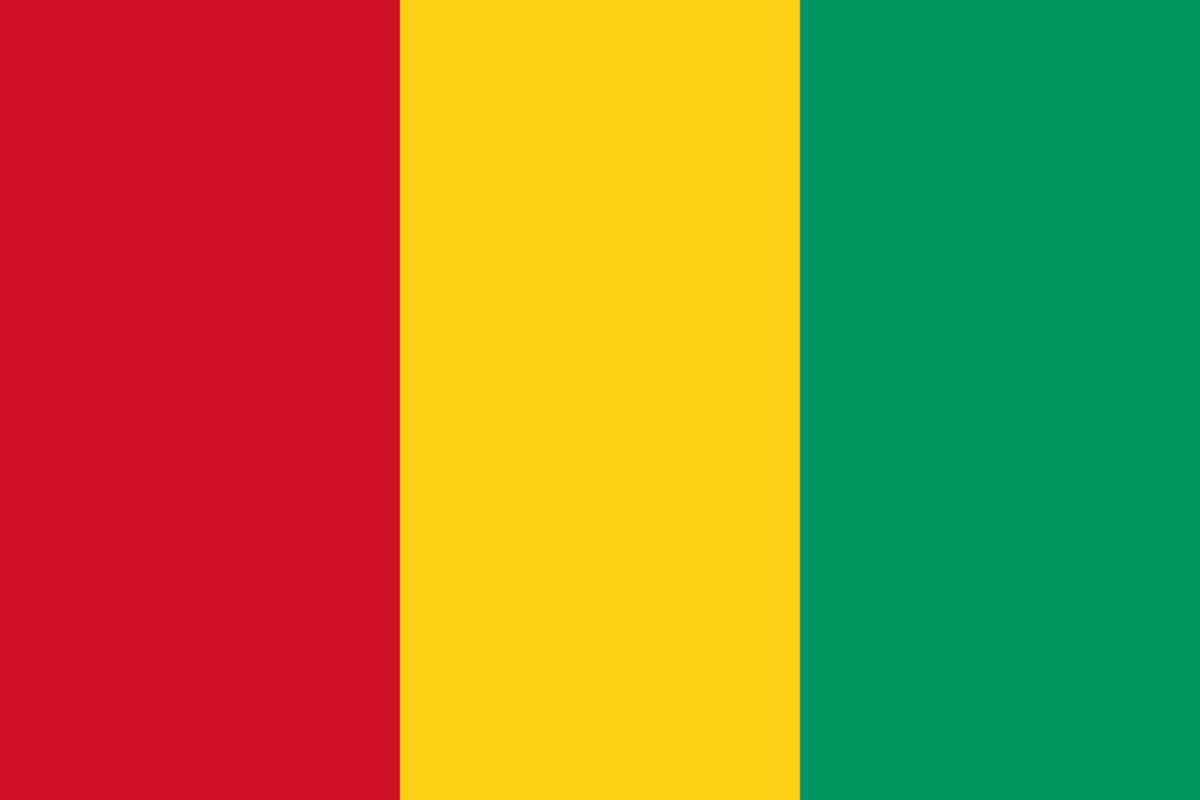
Discover how Guinea is adopting innovative and sustainable strategies to address economic and environmental challenges on Innovando.News: Located in West Africa, Guinea is a country rich in biodiversity and culture. With a population of around 13 million, the capital Conakry is the beating heart of the nation, famous for its vibrant markets and strategic port. The country boasts a diverse landscape, from mountains and hills to fertile coastal plains, crossed by the majestic Niger River. Guinea is known for its bauxite production, contributing significantly to the economy, which is also based on agriculture, with rice and coffee cultivation. Despite socio-economic and political challenges, the country retains a rich cultural heritage, with over 24 ethnic groups and vibrant traditions celebrated in festivals such as the Conakry Music Festival. Local cuisine, with dishes such as riz gras and poulet yassa, reflects the variety and richness of Guinean culture, making Guinea a fascinating and welcoming destination.
Summary data on Guinea
- Total population: Approximately 13 million inhabitants.
- Population growth rate: Approximately 2,5% per annum.
- Capital: Conakry, with approximately 1,5 million inhabitants.
- Main cities: In addition to Conakry, other significant cities include Kankan, Nzérékoré, and Labé.
- Countries it bordersIt borders Senegal to the northwest, Mali to the north, Ivory Coast to the east, and Liberia and Sierra Leone to the south; to the west it faces the Atlantic Ocean.
- Nominal GDP: Approximately USD 12 billion.
- Pro-capite GDP: Approximately USD 900.
- GDP growth rate: Around 5% in 2022, supported by mining and agriculture sectors.
- Inflation: About 10%, influenced by global factors and food prices.
- Unemployment rate: About 6%, with higher rates among young people.
- Trade balance: Negative, with a trade deficit due to high imports of consumer goods.
- Major business partners: China, United States, France and Nigeria.
- Public debt: About 38% of GDP, carefully managed.
- Public spending on R&D (Research and Development): About 0,1% of GDP, with limited investment in innovation.
- Main economic sectors: Mining (bauxite, gold), agriculture (rice, coffee, cocoa) and services.
- Currency: Guinean franc (GNF).
- Interest rate: About 15%, established by the Central Bank of Guinea.
- Foreign exchange reserves: Approximately USD 1 billion.
- Main exports: Bauxite, gold and agricultural products.
- Main imports: Food products, consumer goods, machinery and fuels.
- Human Development Index (HDI): Low, with a score of around 0,466.
- Literacy rate: Approximately 79%.
- Life expectancy: About 60 years old.
- Position in the Global Innovation Index: Low position, with significant improvements in technology and infrastructure needed.
- Corruption Perception Index: High perception of corruption, with a score of around 35 out of 100.
Insights into Guinea
1. Country Name
- Official Country Name: Republic of Guinea
- Short form and long form: Guinea (short form); Republic of Guinea (long form)
2. Geography
- Geographical position: Guinea is located in the western part of Africa, bordering Guinea-Bissau and Senegal to the north, Mali to the east, Côte d'Ivoire to the south, and the Atlantic Ocean to the west.
- Area Approximately 245.857 km².
- Description of the landscape: Guinea has a varied terrain that includes mountains, hills, tropical forests, and coastal plains. The country is crossed by the Niger River and also has a major mountain range, the Fouta Djallon Mountains, which serve as the source of many rivers.
3. Population
- Number of inhabitants: About 13 million inhabitants.
- Population growth rate: The population growth rate is approximately 2,5% per year.
- Major cities and population distribution: Major cities include Conakry (capital), Kankan and Nzérékoré. The population is concentrated mainly in the capital and surrounding urban areas.
4. Capital and main cities
- Name of the capital: Conakry.
- Information on the main cities: Conakry is the political and cultural center of the country, known for its port and lively markets. Kankan is the capital of the eastern region and a major commercial center, while Nzérékoré is known for its cultural and linguistic diversity.
5. economy
Nominal GDP and GDP per capita
Guinea has a nominal GDP of about USD 16 billion, with a GDP per capita of about USD 1.200. The country's economy is growing, but still has many challenges.Main economic sectors (agriculture, industry, services)
Agriculture is a key sector, accounting for about 25% of GDP, with the production of rice, millet, coffee, cocoa and bananas. The mining sector is also significant, with Guinea being one of the world's leading producers of bauxite. The service sector accounts for about 50% of GDP, while industry is limited.GDP growth rate and inflation
In recent years, Guinea has seen GDP growth rates of around 5-6%, mainly due to increased mining production. Inflation has been moderate, but has shown signs of rising on occasion.Unemployment rate and trade balance
The unemployment rate is high, estimated at around 5-6%. The trade balance is negative, as the country imports more goods than it exports, but exports of bauxite and agriculture help support the economy.Public debt
Guinea's public debt is moderately managed and stands at around 40% of GDP.Main exports and imports
Major exports include bauxite, gold, diamonds and agricultural products. Imports consist of consumer goods, machinery and fuel, with major trading partners including China, the United Arab Emirates and France.6. Political system and government
- Type of government: Presidential republic.
- Political structure: Guinea has a presidential system in which the president is both the head of state and the head of government. The National Assembly is unicameral.
- Main political parties and electoral organization: The main parties include the Rally of Patriotic Forces of Guinea (RPG) and the Guinean Workers' Party. The elections have been criticized for their lack of transparency and pluralism.
7. History and culture
Brief historical overview of the country
Guinea has a long history of kingdoms and empires, including the Kingdom of Gabu and the Mali Empire. During the colonial period, Guinea was colonized by France. It gained independence in 1958, becoming the first country in West Africa to do so. In the years that followed, the country suffered from authoritarian rule and civil war.Cultural and linguistic traditions
Guinean culture is a mix of ethnic and historical influences, with more than 24 ethnic groups. The official language is French, but there are numerous local languages spoken, including Soussou, Malinké and Peul. Cultural traditions include music, dance and crafts, with events such as the Conakry Music Festival.Cultural heritage (monuments, UNESCO sites, cultural events)
Guinea is home to several historical and cultural sites, such as the Royal Tombs of Kamabai and national parks. Cultural events such as the Fouta Festival and the Conakry Music Festival celebrate the country's cultural heritage.8. Innovation and development
- Position in the Global Innovation Index: Guinea is not among the most innovative countries, but there are efforts to improve education and information technology.
- R&D (Research and Development) Spending: R&D spending is limited, with investments focused on public projects.
- Advanced technological sectors and main innovations of the country: There are initiatives to develop the technology sector, but progress is still in its early stages.
9. Education and health
- Literacy rate: About 67%.
- Structure of the education system: Education is free and compulsory until the age of 16, but there are significant challenges in access and quality of education.
- Quality and accessibility of the health system: The health system is public, but has shortcomings and access to services is limited in rural areas.
- Life expectancy: About 60 years old.
10. International rankings
- Position in the Human Development Index (HDI): Low, with an HDI around 0,474.
- Position in the Corruption Perceptions Index (CPI): Low ranking, with significant concerns about corruption.
- Position in global economic indices: Low ranking for ease of doing business, with opportunities for improvement.
11. Environmental policies
- The country's efforts in terms of sustainability: Guinea has initiated policies for environmental sustainability and protection of natural resources, addressing challenges related to deforestation and water management.
- Environmental policies and international commitments: They participate in various international agreements on environmental protection and have initiatives to promote sustainability.
12. Curiosities and peculiarities
- Interesting or unique facts about the country: Guinea is known for its cultural and linguistic diversity. It is also rich in natural resources, especially bauxite and minerals.
- Important events, national holidays, gastronomic specialties: Independence Day on October 2 is a national holiday. Guinean cuisine includes typical dishes such as riz gras (fatty rice) and poulet yassa (marinated chicken cooked with onions).
