


 SEARCH


Georgia



Other articles
Country information
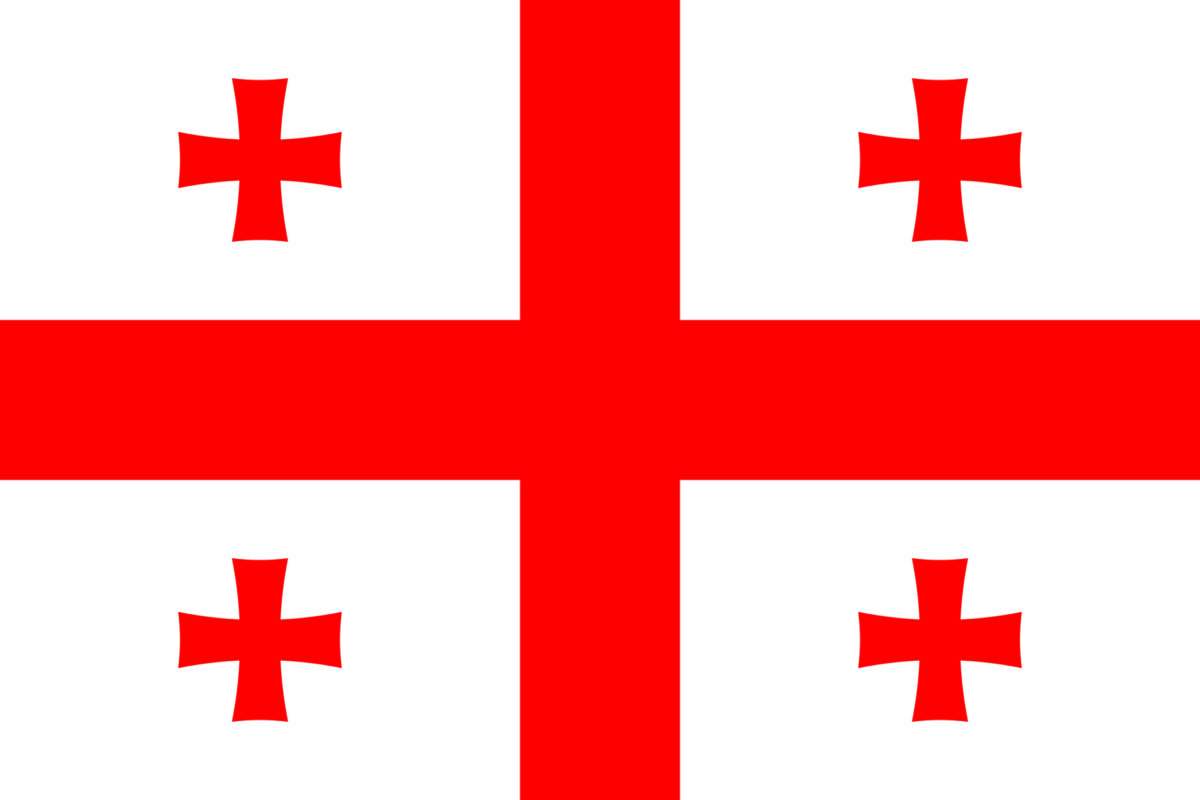
Discover how Georgia is promoting sustainable practices and innovations for its economic development and environmental protection on Innovando.News: The Republic of Georgia, located in the Caucasus between Europe and Asia, is a country rich in history and culture. With an area of approximately 69.700 km² and a population of approximately 3,7 million, its varied landscape includes mountains, hills and a coastline overlooking the Black Sea. The capital, Tbilisi, is a vibrant cultural center known for its historic architecture. The Georgian economy is growing, supported mainly by the service sector and agriculture, with an important winemaking tradition. Georgia boasts a unique language and a culture that includes celebrations such as the "supra", a traditional banquet. UNESCO World Heritage sites, such as the Gelati Monastery, reflect the country's rich cultural heritage. Georgia is distinguished by its hospitality and the beauty of its natural landscapes.
Summary data on Georgia
- Total population: Approximately 3,7 million inhabitants.
- Population growth rate: Approximately 1% per annum.
- Capital: Tbilisi, with about 1,1 million inhabitants.
- Main cities: Besides Tbilisi, other significant cities include Batumi, Kutaisi, Rustavi and Zugdidi.
- Countries it bordersIt borders Russia to the north, Azerbaijan to the southeast, Armenia to the south and Turkey to the southwest; to the west it overlooks the Black Sea.
- Nominal GDP: Approximately USD 18 billion.
- Pro-capite GDP: Approximately USD 4.800.
- GDP growth rate: Around 10% in 2022, supported by post-pandemic economic recovery and foreign investment.
- Inflation: Approximately 6-8%, influenced by energy costs and global fluctuations.
- Unemployment rate: Approximately 12%.
- Trade balance: Negative, with a significant trade deficit due to high imports of consumer goods.
- Major business partners: European Union, Türkiye, Russia and Azerbaijan.
- Public debt: Approximately 60% of GDP, managed at sustainable levels.
- Public spending on R&D (Research and Development): Around 0,7% of GDP, with investment in innovation growing.
- Main economic sectors: Agriculture, tourism, services and industry (mining and manufacturing).
- Currency: Georgian Lari (GEL).
- Interest rate: About 11% set by the National Bank of Georgia.
- Foreign exchange reserves: Approximately USD 3 billion.
- Main exports: Wine, agricultural products, metals and minerals.
- Main imports: Food products, consumer goods, machinery and fuels.
- Human Development Index (HDI): Moderate, with a score of around 0,786.
- Literacy rate: Approximately 99,7%.
- Life expectancy: About 77 years old.
- Position in the Global Innovation Index: Moderate position, with growth potential in technology sectors.
- Corruption Perception Index: Moderate perception of corruption, with a score of around 56 out of 100.
Insights into Georgia
1. Country Name
- Official Country Name: Republic of Georgia
- Short form and long form: Georgia (short form); Republic of Georgia (long form)
2. Geography
- Geographical position: Georgia is located in the Caucasus, at the crossroads of Europe and Asia. It borders Russia to the north, Azerbaijan to the east, Turkey and Armenia to the south, and the Black Sea to the west.
- Area Approximately 69.700 km².
- Description of the landscape: The Georgian landscape is extremely diverse, with mountains (Caucasus) in the north, hills and plains in the central region, and coastline along the Black Sea. The climate varies from continental in the interior to subtropical along the coast.
3. Population
- Number of inhabitants: About 3,7 million inhabitants.
- Population growth rate: The population growth rate is moderate and tends to be negative, with a slowdown in population growth.
- Major cities and population distribution: Major cities include Tbilisi (capital), Batumi and Kutaisi. The population is concentrated in urban areas, with Tbilisi serving as the political, cultural and economic center.
4. Capital and main cities
- Name of the capital: Tbilisi.
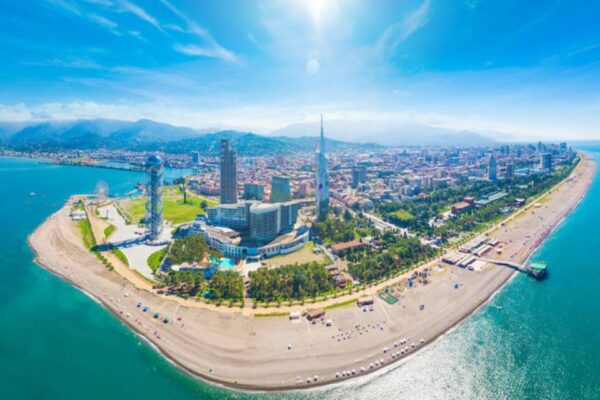
- Information on the main cities: Tbilisi is known for its historic architecture, nightlife and vibrant culture. Batumi is a port city on the Black Sea, famous for its beaches and tourism. Kutaisi is one of the oldest cities in the country and home to important historical monuments.
5. economy
Nominal GDP and GDP per capita
Georgia has a nominal GDP of about USD 19 billion, with a GDP per capita of about USD 5.100. The economy is growing, but has significant challenges.Main economic sectors (agriculture, industry, services)
The service sector accounts for about 65% of GDP, with tourism, trade, and transportation as the main economic drivers. Agriculture, which includes wine, fruit, and vegetable production, accounts for about 9% of GDP. Industry, which includes food production, textiles, and mining, contributes significantly to the economy.GDP growth rate and inflation
In recent years, Georgia has seen GDP growth rates of around 4-5%. Inflation has been moderate, but has shown signs of rising in recent periods.Unemployment rate and trade balance
The unemployment rate is around 11-12%. The trade balance is generally negative, as the country imports more goods than it exports, although remittances and tourism help support the economy.Public debt
Georgia’s public debt is sustainable, around 60% of GDP, with prudent fiscal policies.Main exports and imports
Major exports include agricultural products, minerals and consumer goods. Imports consist of energy, consumer goods and machinery, with major trading partners including Turkey, Russia and Italy.6. Political system and government
- Type of government: Parliamentary republic.
- Political structure: Georgia has a parliamentary system in which the president is the head of state and the prime minister is the head of government. The parliament is unicameral.
- Main political parties and electoral organization: Major parties include the United National Movement and the Subjective Georgia Party. Elections are generally considered free and fair.
7. History and culture
Brief historical overview of the country
Georgia has a rich and complex history, with influences from various civilizations, including the Greeks, Romans, and Persians. It was a powerful kingdom in the Middle Ages and faced Mongol and Ottoman invasions. After a period of Soviet occupation, it gained independence in 1991.Cultural and linguistic traditions
Georgian culture is unique and renowned for its music, dance and cuisine. The official language is Georgian, a unique language with its own alphabet. Cultural traditions include the celebration of the Georgian New Year (Shatili) and the famous "supra", a traditional feast.Cultural heritage (monuments, UNESCO sites, cultural events)
Georgia is home to several UNESCO World Heritage Sites, including Bagrati Cathedral and Gelati Monastery. Cultural events such as the Tbilisi Music Festival and the Wine Festival are significant in social life.8. Innovation and development
- Position in the Global Innovation Index: Georgia is not among the most innovative countries, but there are initiatives to improve education and technology.
- R&D (Research and Development) Spending: Spending on R&D is limited, with efforts to develop technology and innovation in agriculture and industry.
- Advanced technological sectors and main innovations of the country: There are initiatives to promote information and communication technology, but progress is still limited.
9. Education and health
- Literacy rate: About 99%.
- Structure of the education system: Education is free and compulsory until the age of 15, with an educational system that includes public and private schools.
- Quality and accessibility of the health system: The health system is mixed, with public and private facilities. There are challenges in access and quality of services, especially in rural areas.
- Life expectancy: About 75 years old.
10. International rankings
- Position in the Human Development Index (HDI): Medium, with an HDI around 0,786.
- Position in the Corruption Perceptions Index (CPI): Low ranking, with concerns about corruption and governance.
- Position in global economic indices: Average location for ease of doing business, with opportunities for improvement.
11. Environmental policies
- The country's efforts in terms of sustainability: Georgia has initiated policies for environmental sustainability, with particular attention to the protection of forests and biodiversity.
- Environmental policies and international commitments: They participate in various international agreements on environmental protection and have initiatives to promote the use of renewable energy.
12. Curiosities and peculiarities
- Interesting or unique facts about the country: Georgia is famous for its ancient winemaking tradition, considered one of the oldest in the world, and for its hospitality.
- Important events, national holidays, gastronomic specialties: Independence Day on May 26 is a national holiday. Georgian cuisine is famous for dishes such as khachapuri (bread with cheese) and khinkali (dumplings).
