


 SEARCH


Ivory Coast



Other articles
Country information
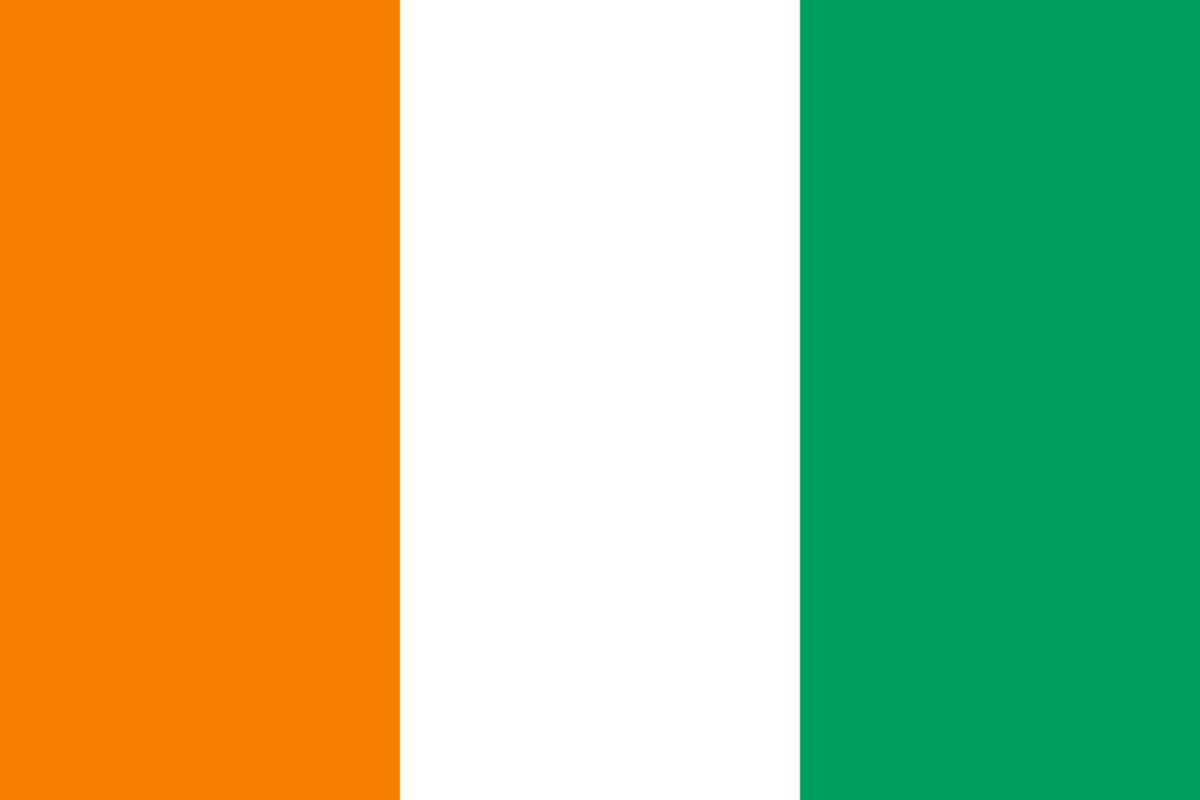
Explore how Côte d'Ivoire promotes sustainable initiatives and innovative projects for economic and environmental development on Innovando.News: The Republic of Côte d'Ivoire, located in West Africa, borders Burkina Faso and Mali to the north, Ghana to the east, the Atlantic Ocean to the south, and Guinea and Liberia to the west. With a surface area of approximately 322.463 km² and a population of approximately 26 million, the country is known for its diverse ecosystems, which include rainforests and tropical savannahs. Yamoussoukro is the political capital, while Abidjan serves as the economic and cultural center. Côte d'Ivoire has a GDP of approximately USD 70 billion, with a predominantly agricultural economy, being the world's leading producer of cocoa. In recent years, the country has seen GDP growth rates of around 7-8%. Ivorian culture is characterized by a rich ethnic diversity and vibrant musical traditions, such as zouglou. The cuisine includes typical dishes such as attiéké and fufu, while Independence Day is celebrated on August 7.
Summary data on Ivory Coast
- Total population: Approximately 26 million inhabitants.
- Population growth rate: Approximately 2,5% per annum.
- Capital: Yamoussoukro, with about 200.000 inhabitants; Abidjan is the largest city and the main economic center, with about 5 million inhabitants.
- Main cities: In addition to Yamoussoukro and Abidjan, other significant cities include Bouaké, Daloa and San Pedro.
- Countries it bordersIt borders Ghana to the east, Burkina Faso to the north, Mali to the northwest and Guinea to the west; to the south it overlooks the Atlantic Ocean.
- Nominal GDP: Approximately USD 61 billion.
- Pro-capite GDP: Approximately USD 2.300.
- GDP growth rate: Around 6-7% in 2022, supported by growth in the agriculture and mining sectors.
- Inflation: About 4%, relatively controlled.
- Unemployment rate: Around 3-4%, but with higher youth unemployment.
- Trade balance: Positive, thanks to a trade surplus due to the export of agricultural products such as cocoa and coffee.
- Major business partners: France, Ghana, United States and Netherlands.
- Public debt: Approximately 50% of GDP, managed at sustainable levels.
- Public spending on R&D (Research and Development): About 0,3% of GDP, with limited investment in innovation.
- Main economic sectors: Agriculture (cocoa, coffee, oil palm), industry and services.
- Currency: West African CFA franc (XOF).
- Interest rate: Around 3-4%, set by the BCEAO (Central Bank of West African States).
- Foreign exchange reserves: Approximately USD 6 billion.
- Main exports: Cocoa, coffee, cashews and petroleum.
- Main imports: Food products, consumer goods, machinery and fuels.
- Human Development Index (HDI): Moderate, with a score of around 0,538.
- Literacy rate: Approximately 77%.
- Life expectancy: About 58 years old.
- Position in the Global Innovation Index: Low position, with significant improvements in technology and infrastructure needed.
- Corruption Perception Index: Moderate perception of corruption, with a score of around 36 out of 100.
Insights on Ivory Coast
1. Country Name
- Official Country Name: Republic of Côte d'Ivoire
- Short form and long form: Ivory Coast (short form); Republic of Côte d'Ivoire (long form)
2. Geography
- Geographical position: Ivory Coast is located in West Africa, bordering Burkina Faso and Mali to the north, Ghana to the east, the Atlantic Ocean to the south, and Guinea and Liberia to the west.
- Area Approximately 322.463 km².
- Description of the landscape: The landscape is characterized by a variety of ecosystems, including rainforests, savannahs and sandy coasts. The climate is tropical, with a rainy season and a dry season, and lush vegetation in the southern part of the country.
3. Population
- Number of inhabitants: About 26 million inhabitants.
- Population growth rate: The population growth rate is moderate, around 1,5% per year.
- Major cities and population distribution: Major cities include Yamoussoukro (political capital), Abidjan (economic capital), Bouaké and San Pedro. The population is concentrated in urban areas, especially in Abidjan, which is one of the largest cities in West Africa.
4. Capital and main cities
- Name of the capital: Yamoussoukro.
- Information on the main cities: Yamoussoukro is famous for the Basilica of Our Lady of Peace, while Abidjan is the country's main commercial and cultural center, known for its nightlife and urban development.
5. economy
Nominal GDP and GDP per capita
Côte d'Ivoire has a nominal GDP of about US$70 billion, with a GDP per capita of about US$2.600. The economy is one of the strongest and fastest growing in West Africa.Main economic sectors (agriculture, industry, services)
Agriculture is the dominant sector, accounting for about 25% of GDP and employing a large portion of the population. Côte d'Ivoire is the world's leading producer of cocoa and a major producer of coffee, rubber, and oil palm. The service sector is growing, contributing 50% of GDP, with a focus on trade, tourism, and telecommunications. Industry is still developing, but includes food processing and cocoa processing.GDP growth rate and inflation
In recent years, Côte d'Ivoire has seen GDP growth rates of around 7-8%, supported by investment in infrastructure and agriculture. Inflation has been relatively moderate, ranging between 2 and 3%.Unemployment rate and trade balance
The unemployment rate is around 3-4%, but there are challenges in youth employment. The trade balance is generally positive, thanks to agricultural exports.Public debt
Côte d'Ivoire's public debt is sustainable, around 50% of GDP. The government has sought to maintain prudent fiscal policies and has received support from international institutions.Main exports and imports
Major exports include cocoa, coffee, cotton and agricultural products. Imports consist of consumer goods, machinery and fuel, with major trading partners including France, the United States and China.6. Political system and government
- Type of government: Presidential republic.
- Political structure: Côte d'Ivoire has a presidential system in which the president is both the head of state and the head of government. The National Assembly is unicameral and members are elected every five years.
- Main political parties and electoral organization: The main parties include the Democratic Party of Côte d'Ivoire (PDCI) and the Ivorian Popular Front (FPI). Elections have historically been tense and contested.
7. History and culture
Brief historical overview of the country
Ivory Coast has a rich history, with human settlements dating back thousands of years. It was colonized by the French in the 1960th century and gained independence in 90. In the XNUMXs, the country experienced civil conflict and political tension, but has attempted to stabilize in recent years.Cultural and linguistic traditions
Ivorian culture is characterized by ethnic diversity, with over 60 ethnic groups and numerous languages spoken, including French (the official language) and local languages such as Baoulé and Dioula. Cultural traditions include music, dance and crafts, with celebrations that reflect the rich local heritage.Cultural heritage (monuments, UNESCO sites, cultural events)
Côte d'Ivoire is home to several UNESCO World Heritage Sites, including Comoé National Park and the Grand-Bassam Sculptures. Cultural events such as the Festival des Masques celebrate local traditions and arts.8. Innovation and development
- Position in the Global Innovation Index: Côte d'Ivoire is seeking to improve its position in the global innovation index by investing in education and technology.
- R&D (Research and Development) Spending: Spending on R&D is limited, but there are initiatives to develop agriculture and information technologies.
- Advanced technological sectors and main innovations of the country: The country is trying to develop the information and communication technology sector, with an increase in start-ups and entrepreneurial initiatives.
9. Education and health
- Literacy rate: About 77%.
- Structure of the education system: Education is free and compulsory until the age of 16. The education system includes public and private schools, but there are challenges regarding access and quality.
- Quality and accessibility of the health system: The health system is mixed, with public and private services. There are challenges in access to care and quality of facilities, but the government is trying to improve the situation.
- Life expectancy: About 60 years old.
10. International rankings
- Position in the Human Development Index (HDI): Low, with an HDI around 0,539.
- Position in the Corruption Perceptions Index (CPI): Average position, with concerns about corruption in the public sector.
- Position in global economic indices: Average location for ease of doing business, with opportunities for improvement.
11. Environmental policies
- The country's efforts in terms of sustainability: Côte d'Ivoire has initiated policies for environmental sustainability, seeking to address challenges related to deforestation and biodiversity conservation.
- Environmental policies and international commitments: The country is party to several international agreements on environmental protection and is working to improve the management of natural resources.
12. Curiosities and peculiarities
- Interesting or unique facts about the country: Côte d'Ivoire is known for its production of cocoa and coffee, being one of the world's leading exporters. It is also famous for its musical culture, especially genres such as zouglou and coupé-décalé.
- Important events, national holidays, gastronomic specialties: Independence Day on August 7 is a national holiday. Ivorian cuisine includes typical dishes such as attiéké (a manioc-based preparation) and fufu.
