


 SEARCH


Belize



Other articles
Country information
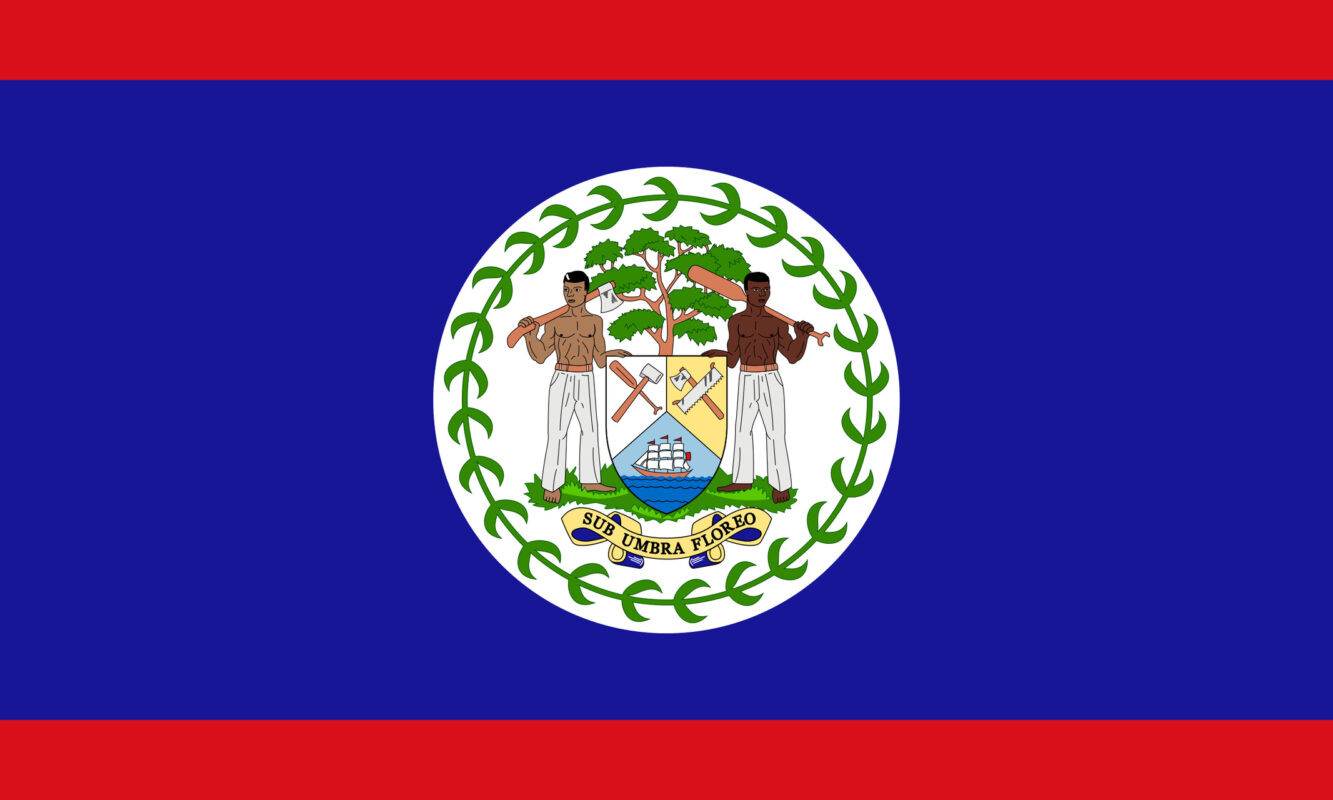
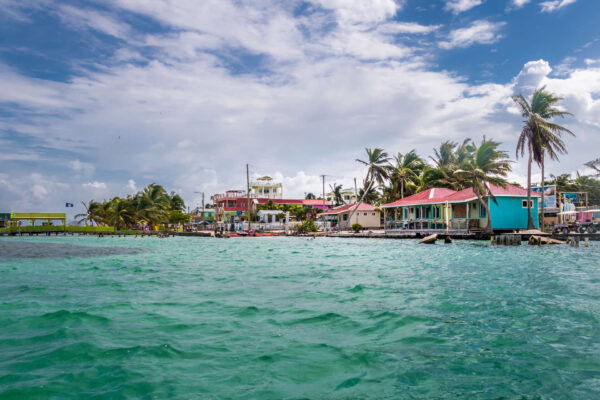
Discover how Belize promotes innovative and sustainable initiatives to preserve biodiversity and foster growth on Innovando.News: Belize is a fascinating Central American nation, bordered to the north by Mexico and to the south by Guatemala, facing the Caribbean Sea to the east. With a surface area of approximately 22.966 km² and a population of approximately 430.000, the country is known for its biodiversity and its vast barrier reef, the second longest in the world. Belize's economy, with a GDP of approximately 2 billion USD, is mainly based on services, with tourism playing a crucial role. Belizean culture is a rich mosaic of indigenous and Caribbean influences, reflected in events such as the Belize Carnival. The official language is English, making the country accessible to English-speaking visitors.
Belize Summary Data
- Total population: Approximately 450.000 inhabitants.
- Population growth rate: Approximately 1,5% per annum.
- Capital: Belmopan, with approximately 20.000 inhabitants.
- Main cities: In addition to Belmopan, major cities include Belize City, San Ignacio, and Orange Walk.
- Countries it bordersIt borders Mexico to the north and Guatemala to the west and south; to the east it overlooks the Caribbean Sea.
- Nominal GDP: Approximately USD 2 billion.
- Pro-capite GDP: Approximately USD 4.500.
- GDP growth rate: Around 5% in 2022, thanks to the post-pandemic recovery of tourism.
- Inflation: About 6% in 2023, influenced by rising global prices and imports.
- Unemployment rate: About 8%, with higher rates among young people.
- Trade balance: Negative, with a significant trade deficit due to high imports.
- Major business partners: United States, Mexico, Guatemala and other Caribbean nations.
- Public debt: About 75% of GDP, with concerns about sustainability.
- Public spending on R&D (Research and Development): About 0,3% of GDP, with limited investment in technology and innovation.
- Main economic sectors: Tourism, agriculture (especially sugar and bananas), fishing and services.
- Currency: Belize Dollar (BZD).
- Interest rate: Approximately 5% set by the Central Bank of Belize.
- Foreign exchange reserves: Approximately USD 0,5 billion.
- Main exports: Sugar, bananas, fish and agricultural products.
- Main imports: Food products, consumer goods, vehicles and fuels.
- Human Development Index (HDI): Moderate, with a score of around 0,703.
- Literacy rate: Approximately 75%.
- Life expectancy: About 74 years old.
- Position in the Global Innovation Index: Low position, with potential improvements in technology and agriculture.
- Corruption Perception Index: Moderate perception of corruption, with a score of around 29 out of 100.
Insights into Belize
1. Country Name
- Official Country Name: Belize
- Short form and long form: Belize (short form); there is no long form.
2. Geography
- Geographical position: Belize is located in Central America, bordered to the north by Mexico, to the south and west by Guatemala and to the east by the Caribbean Sea.
- Area Approximately 22.966 km².
- Description of the landscape: Belize's landscape is characterized by a variety of ecosystems, including tropical forests, plains, hills, and a long coral reef. The country is home to numerous rivers, lakes, and nature reserves, and is known for its biodiversity. The climate is tropical, with a dry season from December to April and a rainy season from May to November.
3. Population
- Number of inhabitants: Approximately 430.000 inhabitants.
- Population growth rate: The population growth rate is around 1,5% per year.
- Major cities and population distribution: The capital is Belmopan, while Belize City is the largest city and a major commercial center. Other significant cities include San Ignacio, Corozal, and Orange Walk.
4. Capital and main cities
- Name of the capital: Belmopan.
- Information on the main cities: Belmopan was designated the capital in 1970 and is located inland. Belize City is the economic and cultural center of the country, with a vibrant nightlife and tourist attractions. San Ignacio is known for its natural and cultural attractions, such as Mayan ruins and jungle hikes.
5. economy
Nominal GDP and GDP per capita
Belize has a nominal GDP of approximately US$2 billion, with a GDP per capita of approximately US$4.800. Belize's economy is developing, with a mix of agriculture, tourism, and services.Main economic sectors (agriculture, industry, services)
The service sector accounts for about 70% of GDP, with tourism playing a crucial role. Belize is a popular tourist destination, thanks to its beaches, coral reef, and historical sites, such as Mayan ruins. Agriculture is an important sector, producing sugar, bananas, citrus fruits, and seafood. Sugar production has historically been the country's main export. The industrial sector is limited, but includes food processing, chemical manufacturing, and handicrafts.GDP growth rate and inflation
In recent years, Belize has seen a GDP growth rate of around 2-3%, with a strong impact from the tourism sector. However, the COVID-19 pandemic has led to a significant contraction. Inflation is moderate, around 2-3%, but is affected by import costs.Unemployment rate and trade balance
The unemployment rate is around 10-12%, with some seasonal variations related to the tourism sector. The trade balance is in deficit, as the country imports most of its consumer goods and raw materials.Public debt
Belize's public debt is approximately 90% of GDP. The government has implemented fiscal policies to improve debt sustainability and attract foreign investment.Main exports and imports
Major exports include sugar, bananas, seafood, and citrus fruits. Imports consist of consumer goods, fuel, and machinery, with major trading partners including Mexico, the United States, and Guatemala.6. Political system and government
- Type of government: Constitutional monarchy and parliamentary democracy.
- Political structure: Belize is a constitutional monarchy, with the King of the United Kingdom as head of state, represented by the Governor General. The government is headed by a Prime Minister, who is the leader of the majority party in Parliament.
- Main political parties and electoral organization: The major parties include the United Democratic Party and the Belize National Party. Elections are held every five years.
7. History and culture
Brief historical overview of the country
Belize has been inhabited by Mayan peoples for millennia. It was discovered by Europeans in the 1981th century and colonized by the British in the XNUMXth century, becoming an important source of timber and sugar. It gained independence in XNUMX and has maintained historic ties with the Commonwealth.Cultural and linguistic traditions
Belize's culture is a mix of indigenous, African, European, and Caribbean influences. The official language is English, but Spanish and Belizean Creole are also spoken. Traditions include music, dance, and festivals, with celebrations such as Belize Carnival.Cultural heritage (monuments, UNESCO sites, cultural events)
Belize is home to historic sites such as the Mayan ruins of Caracol and Lamanai, as well as the natural heritage of the barrier reef. Cultural events such as the San Pedro Festival and the Belize City Festival celebrate the local heritage.8. Innovation and development
- Position in the Global Innovation Index: Belize is a developing country and not among the most innovative, but there are initiatives to promote education and technology.
- R&D (Research and Development) Spending: Spending on R&D is limited, with efforts focused primarily on agricultural education and innovation.
- Advanced technological sectors and main innovations of the country: The country is trying to develop sectors such as information and communication technologies, with an increase in start-ups and entrepreneurship.
9. Education and health
- Literacy rate: About 80%.
- Structure of the education system: Education is free and compulsory until the age of 14. There are public and private schools, as well as several institutions of higher education.
- Quality and accessibility of the health system: The health system is mixed, with both public and private services. Although there are challenges, there have been improvements in recent years in the quality of health facilities.
- Life expectancy: About 75 years old.
10. International rankings
- Position in the Human Development Index (HDI): Medium, with an HDI around 0,693.
- Position in the Corruption Perceptions Index (CPI): Average position, with concerns about corruption in the public sector.
- Position in global economic indices: Average position for ease of doing business, with opportunities for improvement in the business environment.
11. Environmental policies
- The country's efforts in terms of sustainability: Belize has initiated policies for environmental sustainability, protecting biodiversity and natural resources.
- Environmental policies and international commitments: The country is a party to several international agreements on environmental protection and is working to address climate change.
12. Curiosities and peculiarities
- Interesting or unique facts about the country: Belize is the only country in Central America where English is the official language. It is known for its barrier reef, which is the second longest in the world after the Australian one.
- Important events, national holidays, gastronomic specialties: Independence Day on September 21 is a national holiday. The cuisine includes dishes such as rice and beans, tortillas, and steak, with a Caribbean influence evident in the dishes and flavors.
