


 SEARCH


Belgium




Other articles


Country information
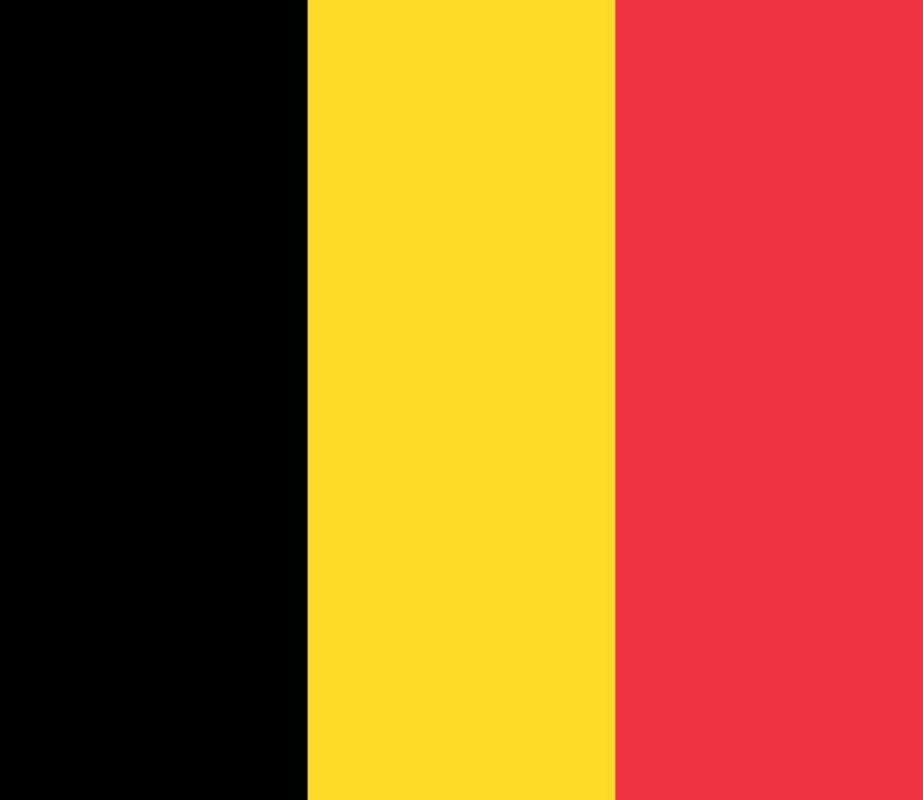
Discover how Belgium is leading innovative and sustainable initiatives for a more resilient economic and environmental future on Innovando.News: Belgium, located in Western Europe, borders the Netherlands, Germany, Luxembourg and France. With a surface area of approximately 30.528 km² and a population of 11,5 million, the country is a major political and economic hub, with Brussels as its capital and home to many European institutions. The Belgian economy is diversified, with a GDP of approximately USD 600 billion and a strong services sector, which accounts for approximately 80% of GDP. Known for its rich culture, Belgium offers high-quality chocolate and beer, along with a culinary tradition that includes iconic dishes such as moules-frites. UNESCO World Heritage Sites such as the historic center of Bruges and the Grand Place in Brussels bear witness to its fascinating history and medieval architecture.
Summary data on Belgium
- Total population: Approximately 11,5 million inhabitants.
- Population growth rate: Approximately 0,5% per annum.
- Capital: Brussels, with approximately 1,2 million inhabitants in the metropolitan area.
- Main cities: In addition to Brussels, major cities include Antwerp, Ghent, Bruges and Liège.
- Countries it borders: It borders France, Germany, the Netherlands and Luxembourg.
- Nominal GDP: Approximately USD 650 billion.
- Pro-capite GDP: Approximately USD 56.000.
- GDP growth rate: Around 3% in 2022, with growth driven by services and industry.
- Inflation: Around 6% in 2023, influenced by energy costs and rising consumer goods prices.
- Unemployment rate: About 5,6%, with higher rates among young people.
- Trade balance: Negative, with a large trade deficit due to imports of energy and consumer goods.
- Major business partners: Germany, France, Netherlands, United Kingdom and United States.
- Public debt: Around 103% of GDP, managed at relatively sustainable levels compared to other EU countries.
- Public spending on R&D (Research and Development): Around 2,5% of GDP, with significant investments in technology and innovation.
- Main economic sectors: Services, industry (especially chemical and automotive), agriculture and tourism.
- Currency: Euro (€).
- Interest rate: Approximately 4% established by the European Central Bank.
- Foreign exchange reserves: Unspecified; Belgium is part of the Eurozone.
- Main exports: Chemicals, machinery, automobiles and consumer goods.
- Main imports: Fuels, machinery, chemicals and consumer goods.
- Human Development Index (HDI): Very high, with a score of around 0,919.
- Literacy rate: Approximately 99%.
- Life expectancy: About 82 years old.
- Position in the Global Innovation Index: High ranking, generally among the top 20 countries for innovation and research.
- Corruption Perception Index: Low perception of corruption, with a score of around 75 out of 100.
Insights into Belgium
1. Country Name
- Official Country Name: Kingdom of Belgium
- Short form and long form: Belgium (short form); Kingdom of Belgium (long form)
2. Geography
- Geographical position: Belgium is located in Western Europe and borders the Netherlands to the north, Germany to the east, Luxembourg to the south and France to the west. The Belgian coast faces the North Sea.
- Area Approximately 30.528 km².
- Description of the landscape: The Belgian landscape is characterized by a variety of terrains, with plains in the north (Flanders), hills and forests in the south (Wallonia) and a mountainous region (Ardennes). The climate is temperate, with cool winters and mild summers, and precipitation distributed throughout the year.
3. Population
- Number of inhabitants: About 11,5 million inhabitants.
- Population growth rate: The population growth rate is moderate, around 0,3% per year.
- Major cities and population distribution: Major cities include Brussels (the capital and seat of the European Union), Antwerp, Ghent and Bruges. The population is distributed mainly in urban areas, with Brussels being the most densely populated center.
4. Capital and main cities
- Name of the capital: Brussels.
- Information on the main cities: Brussels is an important political and cultural center of Europe, home to many European institutions. Antwerp is an important port and commercial center, while Ghent and Bruges are known for their medieval history and fascinating architecture.
5. economy
Nominal GDP and GDP per capita
Belgium has a nominal GDP of approximately USD 600 billion, with a GDP per capita of approximately USD 52.000. The Belgian economy is highly developed and diversified, with a strong presence of industries and services.Main economic sectors (agriculture, industry, services)
The service sector accounts for about 80% of GDP, including trade, finance, telecommunications, and tourism. Belgium is a major logistics and trading center in Europe. The industrial sector is diverse and includes automobile manufacturing, chemicals, pharmaceuticals, food, and beverages. Belgium is also known for producing high-quality chocolate and beer. Agriculture is a small part of the economy, but Belgium is famous for agricultural products such as potatoes, sugar beets, and dairy products.GDP growth rate and inflation
In recent years, Belgium has seen a GDP growth rate of around 1-2%, but has been experiencing a contraction due to the COVID-19 pandemic. Inflation is currently moderate, but has shown signs of rising, influenced by fluctuations in energy and commodity prices.Unemployment rate and trade balance
The unemployment rate is around 5-6%, with some regional variations. Belgium has a generally positive trade balance, thanks to its exports of industrial products, machinery and food.Public debt
Belgium's public debt is around 100% of GDP, but the government has maintained prudent fiscal management. In recent years, there have been efforts to reduce the budget deficit.Main exports and imports
Major exports include chemicals, machinery, automobiles and food. Imports consist of raw materials, machinery and consumer goods, with major trading partners including Germany, the Netherlands and France.6. Political system and government
- Type of government: Constitutional monarchy and parliamentary democracy.
- Political structure: Belgium has a federal system with three regions (Flanders, Wallonia and Brussels-Capital) and three linguistic communities (Flemish, French and German). The king is the head of state, while the prime minister is the head of government.
- Main political parties and electoral organization: The main parties include the Socialist Party, the Liberal Party and the Reformist Movement. Elections are held every five years and are based on a proportional system.
7. History and culture
Brief historical overview of the country
Belgium has a complex history, influenced by several European powers. It was part of the Spanish Netherlands and later the Austrians and the French. It gained independence in the early 19th century and maintained a neutral government during the world wars. Today, Belgium is known for its role in the European Union.Cultural and linguistic traditions
Belgian culture is a mix of Flemish and Walloon influences, with a strong regional identity. The official languages are Flemish (Dutch), French and German. Belgian cuisine is known for chocolate, beer and dishes such as moules-frites (mussels and chips).Cultural heritage (monuments, UNESCO sites, cultural events)
Belgium is home to numerous World Heritage Sites, including the historic center of Bruges, the Grand Place in Brussels, and the coal mines of Bois du Cazier. Events such as the Binche Carnival and the Brussels Music Festival celebrate local culture.8. Innovation and development
- Position in the Global Innovation Index: Belgium is well positioned in the global innovation index, thanks to a strong education system and investments in research and development.
- R&D (Research and Development) Spending: R&D spending is approximately 2,5% of GDP, with significant investments in technology, healthcare and industrial sectors.
- Advanced technological sectors and main innovations of the country: Belgium is developing advanced technology sectors, particularly in biotechnology, artificial intelligence and information technology.
9. Education and health
- Literacy rate: About 99%.
- Structure of the education system: Education is free and compulsory until the age of 18. Belgium has a diverse education system with public, private and community schools.
- Quality and accessibility of the health system: The Belgian healthcare system is of high quality and mixed, with public and private services. It is considered one of the best in Europe.
- Life expectancy: About 81 years old.
10. International rankings
- Position in the Human Development Index (HDI): Very high, with an HDI around 0,919.
- Position in the Corruption Perceptions Index (CPI): High position, with perceived low levels of corruption.
- Position in global economic indices: High ranking for ease of doing business and economic competitiveness.
11. Environmental policies
- The country's efforts in terms of sustainability: Belgium has initiated policies for environmental sustainability, promoting the use of renewable energy and the reduction of carbon emissions.
- Environmental policies and international commitments: The country is party to several international agreements on environmental protection and is working to improve resilience to climate impacts.
12. Curiosities and peculiarities
- Interesting or unique facts about the country: Belgium is famous for its cultural and linguistic diversity, as well as its world-famous beer and chocolate production. It is also known for its medieval architecture and historic castles.
- Important events, national holidays, gastronomic specialties: National Day on July 21 is an important celebration. Belgian cuisine includes dishes such as moules-frites, chips and the famous Belgian waffles.
