


 SEARCH


Augmented Reality



Other articles










Country information
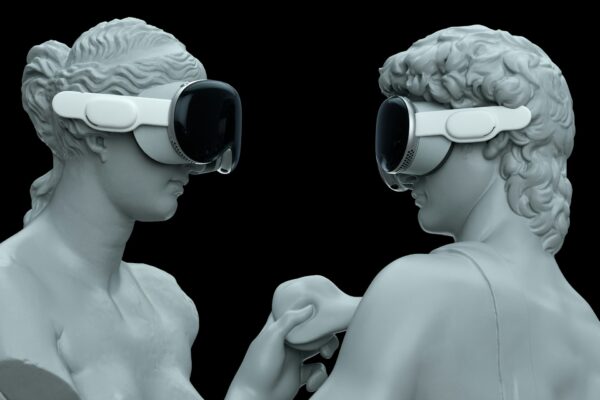
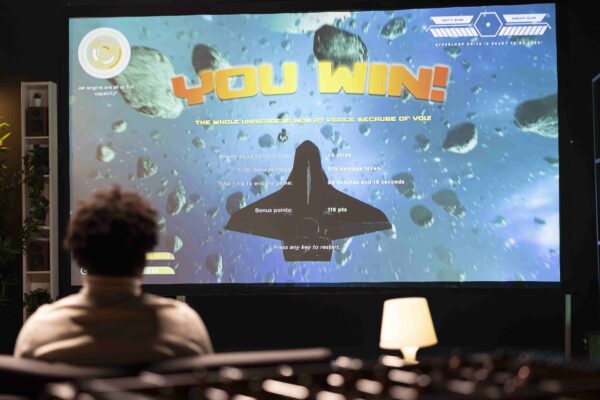
Augmented Reality (AR) is an interactive experience that combines the real world with computer-generated content. The content spans multiple sensory modalities, including visual, auditory, haptic, somatosensory, and olfactory. AR incorporates three key features. They are a combination of real and virtual worlds, real-time interaction and accurate 3D registration of virtual and real objects. Overlapping sensory information is either constructive (i.e. additive to the natural environment) or destructive (when it masks the natural environment). This experience is seamlessly intertwined with the physical world and offers the observer an immersive element of the real environment. In this way, Augmented Reality alters the current perception of a real environment, while Virtual Reality completely replaces the user's real environment with a simulated context. Augmented Reality is largely synonymous with Mixed Reality. AR overlaps terminologically with Extended Reality and computer-mediated reality. The main value of Augmented Reality is the way in which the components of the digital world merge with the perception of the real world. It is not a simple data visualization, but is an integration of immersive sensations, which the user perceives as natural and genuine parts of an environment. The invention of the first functional AR systems, which offered users immersive Mixed Reality experiences, dates back to the early 90s. The Armstrong Laboratory of the United States Air Force developed the Virtual Fixtures system starting from 1992.
