


 SEARCH


Tajikistan




Other articles
Country information
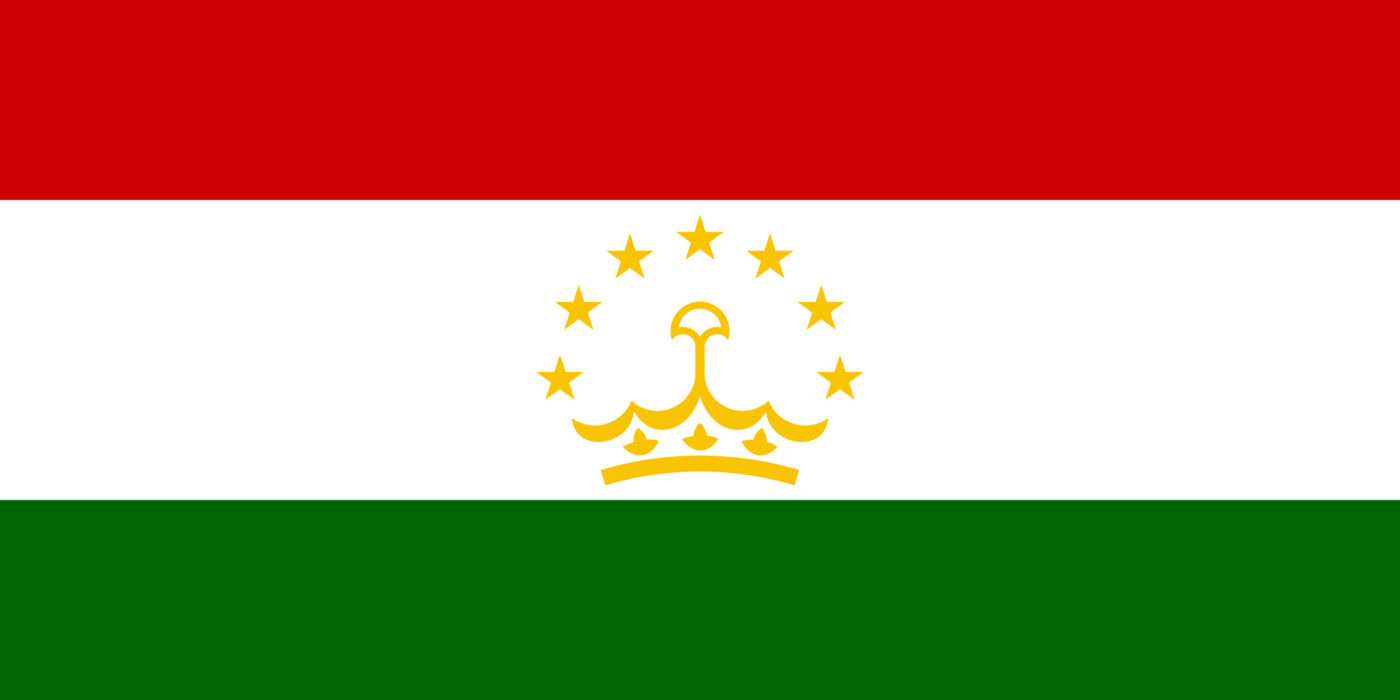
Discover Tajikistan, a country rich in history, cultural traditions and mountainous landscapes, with a growing commitment to sustainability on Innovando.News: Tajikistan, located in Central Asia, is a landlocked, mountainous country bordering Kyrgyzstan, Kazakhstan, China, Afghanistan and Uzbekistan. With an area of approximately 143.100 km², it is dominated by the Pamir mountain range, often called the "roof of the world". The climate is continental, with hot summers and cold winters. Tajikistan's population is approximately 9,5 million, with the capital Dushanbe as the main economic and political center. The economy is based on agriculture, especially cotton and fruit, and mining, but is heavily dependent on remittances from migrants. The country has a GDP per capita of approximately $950 and a positive growth rate, but inequalities remain significant. Politically, it is a presidential republic with a single-party system, dominated by the Democratic People's Party. Tajik culture is influenced by Persian tradition and the country is known for its mountainous landscapes and historical sites, some of which are candidates for UNESCO World Heritage Sites.
Tajikistan summary data
- Total population: Approximately 9,7 million inhabitants (2024).
- Population growth rate: Around +2,2% per year.
- Capital: Dushanbe, approximately 1,1 million inhabitants.
- Main cities: Khujand, Bokhtar, Kulob, Isfara.
- Countries bordering: Uzbekistan, Kyrgyzstan, China, Afghanistan.
- Nominal GDP: USD 10,2 billion (2024).
- GDP per capita: Approximately 1.100 USD.
- GDP growth rate: +5,4% (2024).
- Inflation: About 10,3%.
- Unemployment rate: About 12%.
- Trade balance: Negative, with higher imports than exports.
- Major business partners: Russia, China, Uzbekistan, Kazakhstan, Türkiye.
- Public debt: About 35% of GDP.
- Public spending on R&D: 0,3% of GDP.
- Main economic sectors: Agriculture (cotton, wheat, fruit), energy, metals, services, construction.
- Currency: Somoni (TJS), 1 USD ≈ 11,5 TJS (2024).
- Interest rate: About 11% (National Bank of Tajikistan).
- Foreign exchange reserves: 2,7 billion USD.
- Main exports: Cotton, electricity, aluminum, metals, fruit.
- Main imports: Machinery, fuel, food products, chemicals.
- Human Development Index (HDI): 0,680 (2024), "medium" category.
- Literacy rate: About 99%.
- Life expectancy: About 71 years old.
- Position in the Global Innovation Index: 105st place (2024).
- Corruption Perception Index: 27/100, ranking 155rd.
Insights into Tajikistan
1. Country Name
- Official name: Republic of Tajikistan (Tajikistan).
- Short form: Tajikistan.
2. Location
- Geographic locationTajikistan is located in Central Asia, and is a landlocked country. It borders Kyrgyzstan and Kazakhstan to the north, China to the east, Afghanistan to the south, and Uzbekistan to the west.
- In total area: Approximately 143.100 km².
- Description of the landscape: Tajikistan's landscape is dominated by mountains, particularly the Pamir mountain range, often nicknamed the "roof of the world". The country is also crossed by rivers such as the Amu Darya River and has a continental climate, with hot summers and cold winters.
3. Population
- Number of inhabitants: Approximately 9,5 million inhabitants (2023).
- Population growth rateThe population growth rate is high, around 2,2% per year.
- Major cities and population distributionThe population is concentrated mainly in the capital, Dushanbe, and in other major cities such as Khujand e Kulob. Most of the population lives in rural areas, with a high rate of subsistence agriculture.
4. Capital and main cities
- Capital: Dushanbe It is the capital of the country, and is also the largest city and an important economic and political center.
- Main cities: Other notable cities include Khujand, in the north of the country, an important commercial area, and Kulob, which is a cultural and agricultural center.
5. Business
5.1 Nominal GDP and GDP per capita
Tajikistan's GDP is relatively low by global standards, with nominal GDP hovering around 9,1 billion dollars (2023). GDP per capita is approximately dollars 950, reflecting a developing economy, but with large inequalities between urban and rural areas.5.2 Main economic sectors
Tajikistan's economy is mainly based onagriculture, with crops of cotton, fruit e vegetables. The mining industry, in particular the extraction of , silver e aluminum, is another key sector. In recent years, the energy sector has seen growth, thanks to the production of hydroelectric energy. However, the country relies heavily on remittances from migrants, especially from Russia, which are a crucial source of income for many families.5.3 GDP growth rate and inflation
The GDP growth rate has been positive in recent years, with an annual average of around 7%. However, inflation remains a concern, with the rate fluctuating between 7% and 10% in recent years, mainly influenced by external factors such as the cost of imports and fluctuations in international prices.5.4 Unemployment rate and trade balance
The unemployment rate is high, around 10%, especially in rural areas, where job opportunities are limited. Tajikistan has a negative trade balance, with imports exceeding exports, particularly with regard to oil products, machinery e food.5.5 Public debt
Tajikistan's public debt has increased in recent years due to the need to finance infrastructure projects and energy expansion. The country has sought to manage its debt through loans from countries such as China and by international organizations such as the World Bank.5.6 Main exports and imports
Tajikistan's main exports include cotton, , hydroelectric energy e agricultural productsThe main imports are fuel, machinery e foodstuffs.6. Political system and government
- Type of government: presidential republic.
- Political structure: The President of Tajikistan is also the head of government and holds broad executive powers. The country has a one-party system, with the People's Democratic Party of Tajikistan which dominates the political scene.
- Main political parties: The main political party is the Democratic People's Party, which is the only one with a strong political influence, while the other parties are marginal.
7. History and culture
7.1 Brief historical overview
Tajikistan has a long history that dates back to theancient persian empire and in Silk Road. In 1991, after the collapse of the Soviet Union, Tajikistan gained independence, but immediately faced a long civil war between Islamist and government factions. Today, the country is stabilized under the authoritarian regime of Emomali Rahmon.7.2 Cultural and linguistic traditions
Tajik culture is deeply influenced by Persian tradition, with a rich heritage of poetry, music e art. The official language is Tajik, a variant of Persian. Culinary traditions include dishes such as plow (a rice and meat based dish) and Somsa (stuffed panzerotti).7.3 Cultural heritage
Tajikistan is known for its cultural and architectural heritage, which includes historic mosques, forts and ancient cities like Pendjikent e Khujand. Some sites are candidates to become UNESCO World Heritage Site.8. Innovation and development
Tajikistan is trying to diversify its economy, but remains limited by access to advanced technologies and infrastructure. The country is trying to improve the Internet connection and develop the technology sector, with some initiatives in collaboration with the private sector.9. Education and health
- Education: Tajikistan's education system is developing, with a literacy rate of around 99%. However, the education system faces challenges such as limited resources and infrastructure.
- Health: Tajikistan's health system is under pressure, with limited health coverage in rural areas. Life expectancy stands at around 70 years.
10. International Rankings
- Human Development Index (HDI)Tajikistan ranks 125th in the HDI, a relatively low position compared to other Asian countries.
- Corruption Perception IndexThe country is among those with high levels of corruption, ranking 152nd out of 180 countries.
11. Environmental policies
Tajikistan faces significant challenges in terms of pollution e natural resource management. However, the country has made progress in promoting therenewable energy, especially hydroelectric power, exploiting its mountain rivers.12. Curiosities and peculiarities
- Tajikistan is known for its strategic location in the Silk Road.
- Its culture is strongly influenced by traditions shutters e Turkish.
- Il Pamir It is one of the highest mountainous regions in the world and is called the "roof of the world".
