


 SEARCH


Saint-Pierre and Miquelon

Other articles
Country information
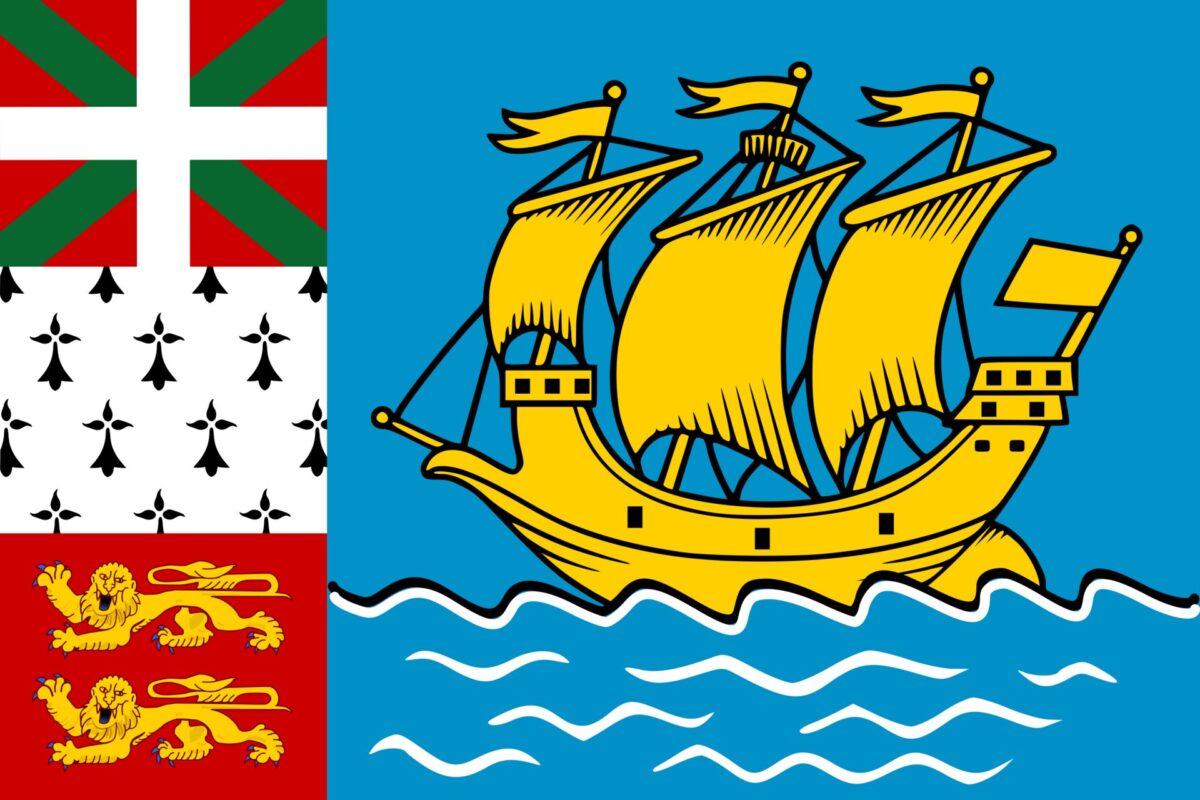
Explore Saint-Pierre and Miquelon, a corner of France in the Atlantic, where unspoiled nature and maritime culture coexist on Innovando.News: Saint-Pierre-et-Miquelon is a French territorial collectivity located off the Canadian coast of Newfoundland. With a surface area of 242 km² and a population of approximately 6.000 inhabitants, this archipelago is a mix of picturesque landscapes, rugged coastlines and low hills. The islands live mainly from fishing and tourism, with an integrated economy thanks to the support of France. The capital is the cultural and administrative heart, while Miquelon is home to a more rural community. The local culture combines French traditions and North American influences, celebrated in events such as the Cod Festival. With environmental policies aimed at sustainability, the archipelago preserves its natural and maritime heritage, offering a unique experience for those seeking authenticity and unspoiled landscapes.
Summary data on Saint-Pierre-et-Miquelon
- Total population: Approximately 6.000 inhabitants.
- Population growth ratePopulation growth is limited and modest, with a very low growth rate.
- Capital: Saint-Pierre (about 5.500 inhabitants).
- Main cities: Saint-Pierre (the capital) and Miquelon-Langlade (the island of Miquelon is the largest).
- Countries it bordersIt does not directly border other states, being a French overseas territory located in the Atlantic Ocean, off the coast of Canada.
- Nominal GDP: Approximately USD 200 million (approximate for small economy).
- Pro-capite GDP: Around 30.000 USD, being an island with a small population but with a good standard of living.
- GDP growth rate: Low, with fluctuations mainly due to dependence on trade and tourism.
- Inflation: Low, similar to metropolitan France, with rates around 1-2% per year.
- Unemployment rate: Around 10-12%, with the job market limited to a small number of sectors, including fishing and tourism.
- Trade balance: Negative, with a high dependence on imports of goods and resources from France and Canada.
- Major business partners: France, Canada, United States.
- Public debt: Part of the French state budget, so it does not have significant separate debt.
- Public spending on R&D (Research and Development): Limited, but some investment is made in local infrastructure and sustainable fisheries.
- Main economic sectors: Fishing (mainly cod), tourism, trade and services.
- Currency: Euro (EUR), as part of France.
- Interest rate: Determined by the European Central Bank (ECB), with relatively low interest rates.
- Foreign exchange reserves: Managed by France as part of the Eurozone.
- Main exports: Fish, mainly cod, and fish products.
- Main imports: Consumer goods, food, fuel, fishing equipment.
- Human Development Index (HDI): Very high, similar to metropolitan France, thanks to the high quality healthcare and education system.
- Literacy rate: About 99%, with excellent educational standards.
- Life expectancy: About 82 years, as high as in France.
- Position in the Global Innovation IndexThey are not among the most innovative countries globally, but they have good infrastructure in sectors such as tourism and fishing.
- Corruption Perception Index: Relatively low, with good management of resources and local policies under French jurisdiction.
