


 SEARCH


Luxembourg





Country information
Discover how Luxembourg promotes sustainable and innovative solutions for economic growth and environmental protection in Europe on Innovando.News:
Summary data on Luxembourg
- Total population: Approximately 650.000 inhabitants.
- Population growth rate: Around 1,5% per annum, with growth mainly driven by immigration, as Luxembourg is a major financial centre and has a strong demand for skilled workers.
- Capital: Luxembourg city, with approximately 115.000 inhabitants.
- Main cities: In addition to Luxembourg City, other significant cities include Esch-sur-Alzette, Differdange and Ettelbruck.
- Countries it bordersLuxembourg borders Belgium to the west and south, France to the southwest, and Germany to the east.
- Nominal GDP: Approximately USD 87 billion.
- Pro-capite GDP: Around USD 130.000, one of the highest in the world.
- GDP growth rate: Around 2,5% in 2022, supported by financial, services and export sectors.
- Inflation: About 5%, influenced by global consumer goods prices and imports.
- Unemployment rate: About 5%, with a stable labor market and strong demand for skilled workers.
- Trade balance: Positive, thanks to exports of financial products, industrial products and luxury goods.
- Major business partners: Belgium, Germany, France, Netherlands and United Kingdom.
- Public debt: Around 30% of GDP, with prudent management of public finances.
- Public spending on R&D (Research and Development): About 1,2% of GDP, with investments mainly in the technology and financial sectors.
- Main economic sectors: Financial sectors (banking and insurance), trade, industry (steel, chemicals) and services (ICT, consulting, tourism).
- Currency: Euro (EUR).
- Interest rate: About 1%, set by the European Central Bank.
- Foreign exchange reserves: Approximately USD 5 billion.
- Main exports: Financial products, steel, machinery, chemicals and food products.
- Main imports: Petroleum, vehicles, machinery, and chemicals.
- Human Development Index (HDI): Very high, with a score of around 0,909, thanks to a high standard of living, a good education and healthcare system.
- Literacy rate: About 99%, with a high-quality education system and broad access to universities.
- Life expectancy: About 82 years old.
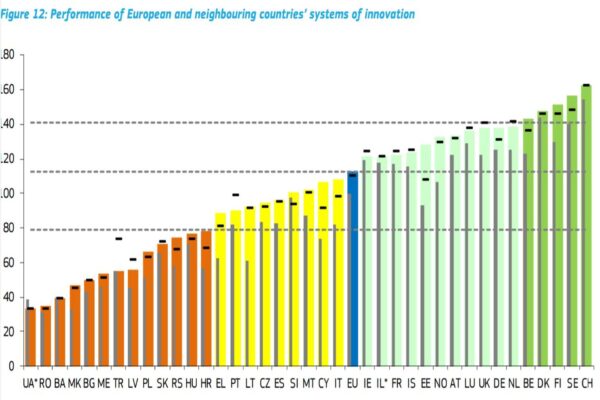
- Position in the Global Innovation Index: High position, with a strong innovation base, particularly in banking, finance and digital technologies.
- Corruption Perception Index: Low perception of corruption, with a score of around 80 out of 100, due to good governance and anti-corruption policies.
Insights into Luxembourg
1. Country Name
- Official Country Name: Grand Duchy of Luxembourg (Grand Duché de Luxembourg in French).
- Short form and long form: Luxembourg (short form); Grand Duchy of Luxembourg (long form).
2. Geography
- Geographical position: Luxembourg is a small country located in Western Europe, bordering Belgium to the west and north, Germany to the east, and France to the south.
- Area Approximately 2.586 km².
- Description of the landscape: The landscape of Luxembourg is characterized by hills, forests and green valleys. The country is crossed by numerous rivers, including the Alzette, and has dense vegetation in the mountainous regions. The climate is temperate, with cold winters and mild summers.
3. Population
- Number of inhabitants: Approximately 650.000 people (2023).
- Population growth rate: Approximately 1,5% per annum.
- Major cities and population distribution:
- Luxembourg (City): The capital and largest city.
- Ettelbruck and Differdange: Other significant cities, but most of the population lives in and around the capital.
4. Capital and main cities
- Name of the capital: Luxembourg (City).
- Information on the main cities:
- Luxembourg (City): It is the political, economic and cultural center of the country. The city is famous for its historic center, which has been included in the UNESCO World Heritage List, and for its medieval fortifications.
- Ettelbruck: Located in the north of the country, it is an important industrial and commercial city.
- Difference: One of the main cities in the south, historically linked to the steel industry.
5. economy
Nominal GDP and GDP per capita
Luxembourg's nominal GDP is around USD 90 billion, with one of the highest GDP per capita in the world, around USD 130.000.Main economic sectors (agriculture, industry, services)
- Agriculture: Agriculture is very limited, with the production of fruit, vegetables and wine, but it represents a small part of the economy.
- Industry: The steel industry has historically been an important part of the economy, although the country has diversified into banking, electronics, and technology.
- Services: The service sector is predominant, especially the banking and financial sector, which accounts for a large part of exports. Luxembourg is an important international financial center, with many banks and investment funds.
GDP growth rate and inflation
Economic growth is stable, with a GDP growth rate of about 3% per year. Inflation is moderate, averaging about 1-2%.Unemployment rate and trade balance
The unemployment rate is very low, around 5%. The trade balance is generally in deficit, as the country imports more than it exports, but it benefits from a large surplus in the services sector, particularly in financial services.Public debt
Luxembourg has a moderate public debt, with a debt-to-GDP ratio below 30%. The country has a prudent fiscal management, which makes it one of the most stable countries in Europe.Main exports and imports
- Main exports: Financial products, metals, machinery, electronic components and consumer goods.
- Main imports: Oil, machinery, vehicles and food products.
6. Political system and government
- Type of government: Constitutional monarchy.
- Political structure: Luxembourg is a constitutional monarchy with a parliamentary system. The Grand Duke is the head of state, while the government is headed by the Prime Minister. The unicameral Parliament, called the Chambre des Députés, has 60 members.
- Main political parties and electoral organization: The main parties are the Democratic Party (DP), the Luxembourg Socialist Party (LSAP) and the Christian Social Party (CSV). Parliamentary elections are held every five years.
7. History and culture
Brief historical overview of the country
Luxembourg has been an independent duchy since 963, but has suffered several invasions and wars. In the XNUMXth century, the country joined Belgium, the Netherlands, and Prussia in a defense union, but remained a small sovereign state. After World War II, Luxembourg experienced rapid economic development thanks to its role as a European financial center and its membership in NATO and the European Union.Cultural and linguistic traditions
The official languages of Luxembourg are Luxembourgish, French and German. The culture is a fusion of French, German and Belgian influences, and is famous for its folk music, traditional dances and national celebrations. Christmas traditions and Carnival celebrations are particularly strong.Cultural heritage (monuments, UNESCO sites, cultural events)
- UNESCO Sites: The historic centre of Luxembourg City, with its medieval fortifications, is a World Heritage Site.
- Cultural events: The Luxembourg Music Festival, the International Film Festival and the Jazz Festival are some of the notable cultural events. The National Day (June 23) celebrates the greatness and independence of the country.
8. Innovation and development
- Position in the Global Innovation Index: Luxembourg is well positioned in the global innovation index, with a strong focus on financial technologies and start-ups.
- R&D (Research and Development) Spending: The country invests significantly in research and development, especially in the fields of information technology, biotechnology and energy.
- Advanced technological sectors and main innovations of the country: Luxembourg is a European leader in fintech, electronic payments and digital banking.
9. Education and health
- Literacy rate: About 100%.
- Structure of the education system: The education system is of high quality, with both public and private schools. The University of Luxembourg is one of the leading educational institutions in the country and offers programs in several languages, including English.
- Quality and accessibility of the health system: Luxembourg's healthcare system is high quality and widely accessible, with both public and private facilities. The country is also a leader in digital healthcare services.
- Life expectancy: About 82 years old.
10. International rankings
- Position in the Human Development Index (HDI): Very high, with an HDI of around 0,91, one of the highest in the world.
- Position in the Corruption Perceptions Index (CPI): Very low, Luxembourg is one of the countries with the lowest levels of corruption.
- Position in global economic indices: Luxembourg is often ranked as one of the richest and most competitive countries in the world, with a stable and prosperous economy.
11. Environmental policies
- The country's efforts in terms of sustainability: Luxembourg has invested in policies for sustainability, natural resources management and climate protection. The country is a supporter of environmental policies at the European level.
- Environmental policies and international commitments: Luxembourg is committed to international agreements on climate change and is working to increase energy efficiency and promote renewable energy.
12. Curiosities and peculiarities
- Interesting or unique facts about the country:
- Luxembourg is one of the richest countries in the world, with a very high per capita income.
- It is one of the founding countries of the European Union and NATO.
- Important events, national holidays, gastronomic specialties:
- National Holiday (June 23): It celebrates the birthday of the Grand Duke and the independence of the country.
- Local cuisine: Dishes like judd mat gaardebounen (beef with beans) and bite to the queen (puff pastry with chicken and mushrooms).
