


 SEARCH


Kuwait


Other articles
Country information
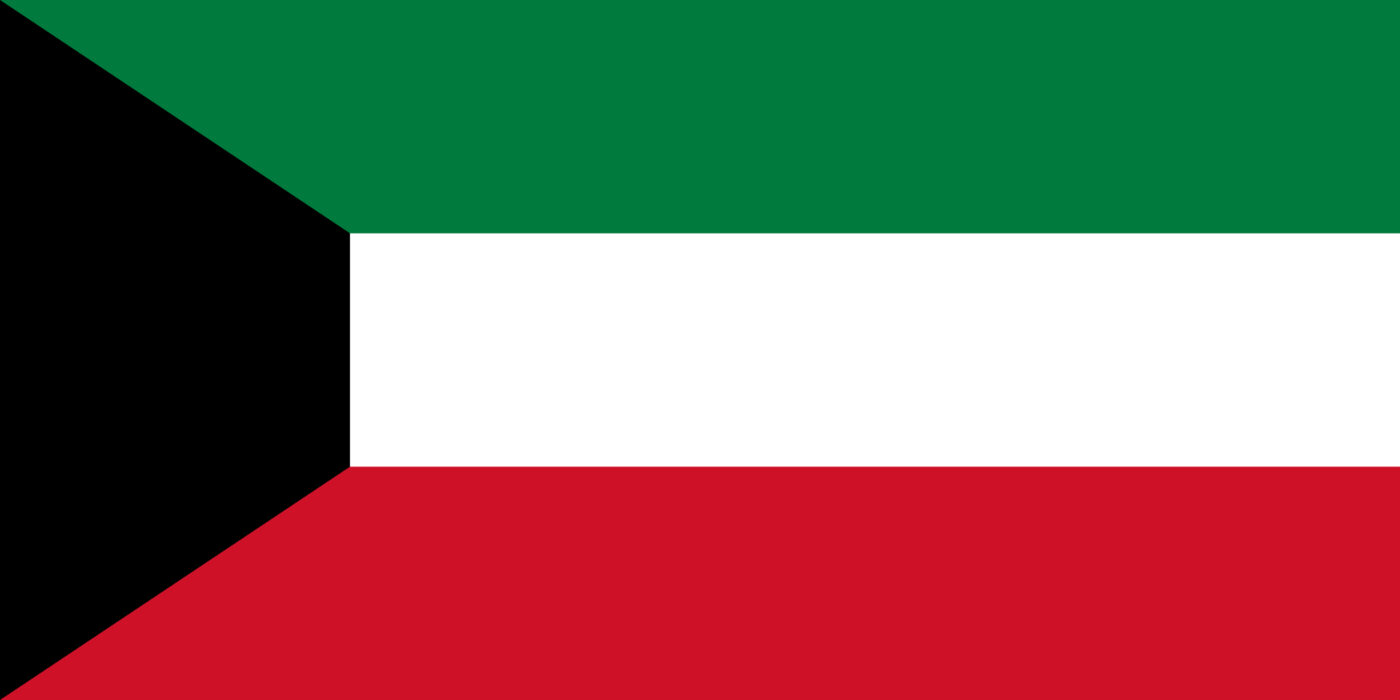
Discover how Kuwait integrates technological innovation and sustainable solutions to promote development on Innovando.News: Kuwait, located in the Persian Gulf, is a small state with an area of approximately 17.818 km². It borders Iraq and Saudi Arabia and has a coastline of approximately 500 km. The country is desert, with hot summers and mild winters, and is known for its large reserves of oil and natural gas. The capital is Kuwait City, the economic and cultural heart of the country, along with Al Ahmadi, the center of the oil industry. Kuwait is one of the richest countries in the world, with a GDP per capita of approximately USD 20.000. Its economy is mainly based on oil, while the service and trade sectors are growing. The official language is Arabic, and the culture is a fusion of Arab traditions and modern global influences. The country is also known for its unique architecture and cultural events such as the Kuwait Music Festival.
Kuwait Summary Data
- Total population: Approximately 4,5 million inhabitants.
- Population growth rate: About 1,9% per year, with growth supported by immigration, as a significant portion of the population is made up of foreign workers.
- Capital: Kuwait City, with approximately 3 million inhabitants.
- Main cities: Besides Kuwait City, other significant cities include Al Ahmadi, Hawalli, and Al Farwaniyah.
- Countries it bordersKuwait borders Iraq to the north and Saudi Arabia to the south. It has a coastline on the Persian Gulf to the east.
- Nominal GDP: Approximately USD 80 billion.
- Pro-capite GDP: Approximately USD 18.000.
- GDP growth rate: Around 2-3% in 2022, mainly supported by the oil sector and financial services.
- Inflation: Around 3-4%, influenced by food prices and imports.
- Unemployment rate: About 2%, but the unemployment rate among Kuwaiti citizens is higher, with a significant portion of the workforce coming from foreigners.
- Trade balance: Positive, with a large trade surplus thanks to oil and natural gas exports.
- Major business partners: China, United States, India, Japan, and Gulf region countries.
- Public debt: About 15% of GDP, one of the lowest debts in the region, thanks to oil revenues.
- Public spending on R&D (Research and Development): Around 0,2-0,3% of GDP, with limited investment in innovation, but increased in recent years to diversify the economy.
- Main economic sectors: Oil and gas (energy industry), financial services, trade and construction.
- Currency: Kuwaiti Dinar (KWD), one of the strongest currencies in the world.
- Interest rate: About 2%, set by the Central Bank of Kuwait.
- Foreign exchange reserves: Approximately USD 40 billion.
- Main exports: Petroleum and derivatives, natural gas, chemicals and metals.
- Main imports: Machinery, food products, automobiles, and chemicals.
- Human Development Index (HDI): Very high, with a score of around 0,804.
- Literacy rate: About 97%, with an improving education system, although there are differences between citizens and foreigners.
- Life expectancy: About 79 years old.
- Position in the Global Innovation Index: Moderate position, with some initiatives in technology and financial services, but the economy is still heavily dependent on oil.
- Corruption Perception Index: Low perception of corruption, with a score of around 60 out of 100, although there are challenges related to transparency.
Insights on Kuwait
1. Country Name
- Official Country Name: State of Kuwait (Dawlat al-Kuwait).
- Short form and long form: Kuwait (short form); State of Kuwait (long form).
2. Geography
- Geographical position: Located in the Persian Gulf in Western Asia, Kuwait is bordered by Iraq to the north and west and Saudi Arabia to the south. It has a coastline of about 500 km along the Persian Gulf.
- Area Approximately 17.818 km², making it one of the smallest countries in the world.
- Description of the landscape: The country is mostly desert, with vast sandy plains and low hills. It has an arid climate with very hot summers and mild winters. Natural resources include large reserves of oil and natural gas.
3. Population
- Number of inhabitants: Approximately 4,3 million people (2023).
- Population growth rate: Approximately 1,5% per annum.
- Major cities and population distribution:
- Kuwait City: The capital and largest city.
- Ahmadiyya: An important industrial center, especially for the oil sector.
- Hawalli: A residential and commercial area near the capital.
4. Capital and main cities
- Name of the capital: Kuwait City.
- Information on the main cities:
- Kuwait City: Political, economic and cultural center, with modern architecture, shopping malls and museums, such as the National Museum of Kuwait.
- Ahmadiyya: Known for its crucial role in the oil industry, it is home to the country's main oil refining center.
- Hawalli: Popular for its commerce and schools, it is a major residential area.
5. economy
Nominal GDP and GDP per capita
Nominal GDP is around USD 85 billion, with per capita GDP of around USD 20.000, among the highest in the world.Main economic sectors (agriculture, industry, services)
- Agriculture: Insignificant sector due to arid climatic conditions. Only a few drought-resistant plants, such as dates, are grown.
- Industry: Kuwait is one of the world's largest oil exporters, and the petroleum and natural gas industry dominates the economy. Other industrial sectors include oil refining and fertilizer production.
- Services: The service sector is growing, especially in trade, tourism and banking infrastructure. Kuwait City is a major financial center in the Gulf.
GDP growth rate and inflation
The economic growth rate is moderate, around 3-4% per year, with inflation hovering around 3%.Unemployment rate and trade balance
The unemployment rate is low, around 2-3%, but job opportunities are mainly limited to Kuwaiti citizens, with a heavy dependence on foreign labor. The trade balance is very favorable thanks to oil and gas exports.Public debt
Kuwait has a solid financial position and public debt is relatively low, thanks to its huge oil reserves.Main exports and imports
- Main exports: Oil, natural gas, refined petroleum products.
- Main imports: Consumer goods, machinery, food products.
6. Political system and government
- Type of government: Constitutional monarchy.
- Political structure: The head of state is the Emir, while the Prime Minister is the head of government. The Parliament is unicameral, with 50 elected members, and plays a consultative role.
- Main political parties and electoral organization: Political parties are banned in Kuwait. Elections are based on an electoral system that allows for the direct election of members of parliament.
7. History and culture
Brief historical overview of the country
Kuwait has a long history as a commercial hub in the Gulf region. It became a British protectorate in the 1961th century and gained independence in 1990. The country faced significant conflict during the Iraqi invasion in XNUMX, which led to the Gulf War and the subsequent recovery of independence with the support of international forces.Cultural and linguistic traditions
The official language is Arabic, and the majority of the population is Sunni Muslim, with Shia and other religions minorities. Kuwaiti culture is a blend of Bedouin traditions and Arab influences, with a strong emphasis on hospitality, family, and community.Cultural heritage (monuments, UNESCO sites, cultural events)
- UNESCO Sites: Kuwait has no UNESCO sites, but it is home to numerous museums and cultural centers, such as the National Museum of Kuwait and the Grand Imam Mosque.
- Cultural events: The Kuwait International Film Festival and the Kuwait Music Festival are significant cultural events.
8. Innovation and development
- Position in the Global Innovation Index: Kuwait is among the countries trying to diversify their economy, but it is not among the world leaders in terms of innovation.
- R&D (Research and Development) Spending: Spending on research and development is growing, especially in energy technologies and banking.
- Advanced technological sectors and main innovations of the country: Areas such as automation, digital finance and artificial intelligence are in the development stage.
9. Education and health
- Literacy rate: About 98%.
- Structure of the education system: Education is free and compulsory until the age of 14. The country has top-level universities, such as Kuwait University.
- Quality and accessibility of the health system: The healthcare system is of good quality, with modern hospitals and exclusive public health services.
- Life expectancy: About 78 years old.
10. International rankings
- Position in the Human Development Index (HDI): High, with a Human Development Index (HDI) that places it among the countries with a high standard of living.
- Position in the Corruption Perceptions Index (CPI): Relatively high, but the country is facing challenges in government transparency.
- Position in global economic indices: Kuwait is one of the richest countries in the world thanks to its oil resources, but it faces challenges related to economic diversification.
11. Environmental policies
- The country's efforts in terms of sustainability: Kuwait has adopted some policies to reduce its dependence on natural resources, but sustainability remains a challenge, especially when it comes to water resources.
- Environmental policies and international commitments: The country participates in international agreements on climate change and is investing in renewable energy, such as solar power.
12. Curiosities and peculiarities
- Interesting or unique facts about the country:
- Kuwait is one of the richest countries in the world thanks to its oil reserves.
- Its architecture is a blend of Islamic and modern tradition, with some of the tallest skyscrapers in the world.
- Kuwait has one of the highest literacy rates in the region.
- Important events, national holidays, gastronomic specialties:
- Independence Day (February 25): It commemorates Kuwait's independence from Britain in 1961.
- Local cuisine: Includes dishes such as machboos (spiced rice and meat), hummus e kebbeh.
