


 SEARCH


Italy


Other articles


Country information
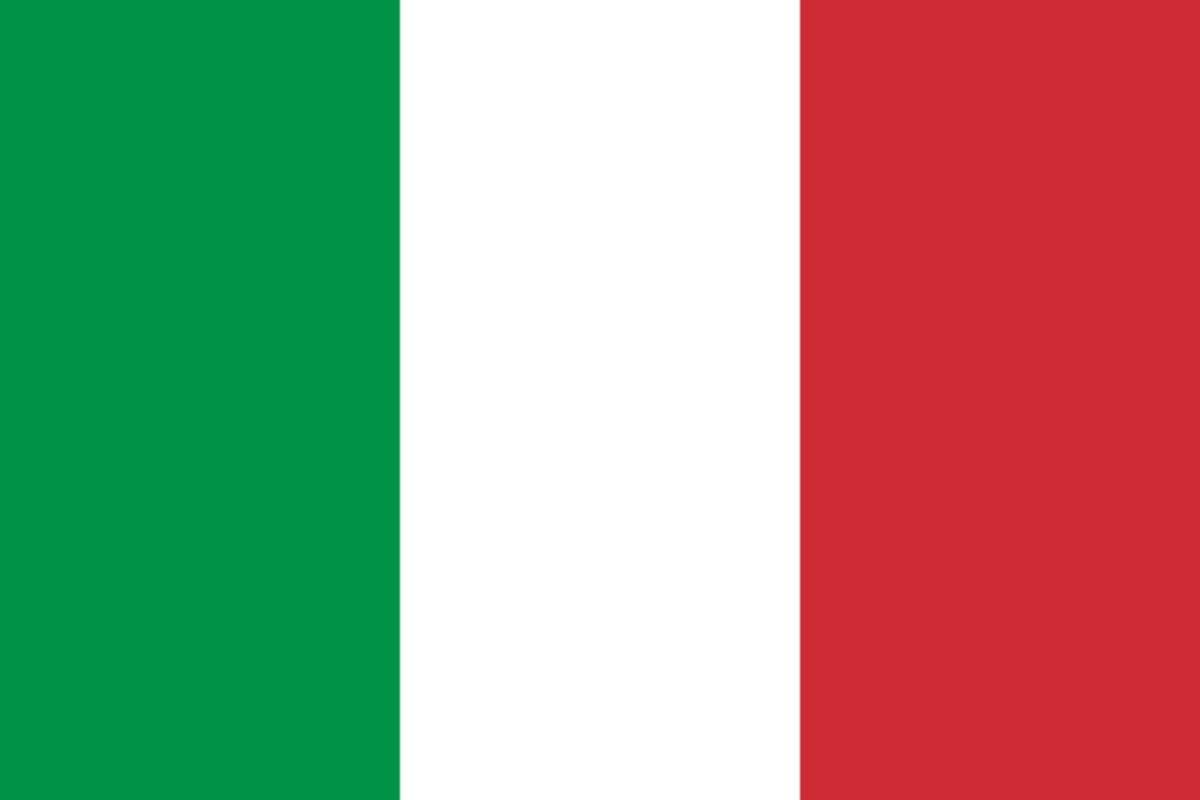
Discover how Italy combines tradition and innovation to promote sustainability and protect its natural and cultural heritage on Innovando.News: Italy, located in Southern Europe, borders France, Switzerland, Austria and Slovenia and overlooks the Mediterranean Sea. With a surface area of 301.340 km², the country includes the Italian peninsula, the major islands of Sicily and Sardinia, and numerous smaller islands. The Italian landscape varies from the Alps and Apennines to plains, hills and coasts. The climate is Mediterranean in the south and continental in the north. The population of about 59 million people is distributed mainly in Rome, the capital, in Milan, the economic and fashion center, and in other historic cities such as Naples and Venice. With a GDP of about 2 trillion USD, Italy is one of the world's leading economies, specialized in automobiles, fashion, agriculture and tourism. Italian culture is famous for art, music, cuisine and fashion.
Summary data on Italy
- Total population: Approximately 60,4 million inhabitants.
- Population growth rate: Approximately -0,2% per year, with a slight decrease in population due to low birth rates and a high level of emigration.
- Capital: Rome, with approximately 2,8 million inhabitants.
- Main cities: Besides Rome, other important cities include Milan, Naples, Turin, Palermo, Genoa and Florence.
- Countries it borders: Italy borders France, Switzerland, Austria, Slovenia, and has a long coastline on the Mediterranean Sea. It is also surrounded by small nations such as San Marino and the Vatican.
- Nominal GDP: Approximately USD 2,1 trillion.
- Pro-capite GDP: Approximately USD 35.000.
- GDP growth rate: Around 3,6% in 2022, a significant recovery after the pandemic-induced slowdown, mainly supported by the services sector and exports.
- Inflation: About 9%, with sharp price increases mainly due to energy and global difficulties.
- Unemployment rate: Around 7,8%, with higher rates among young people and in the southern regions.
- Trade balance: Positive, with a trade surplus resulting from exports of goods such as machinery, automobiles, clothing and food.
- Major business partners: Germany, United States, France, Spain, and China.
- Public debt: Around 150% of GDP, one of the highest in Europe, but managed through access to capital markets and support from the European Union.
- Public spending on R&D (Research and Development): About 1,4% of GDP, with investments in innovation, technology and science.
- Main economic sectors: Services (tourism, trade, finance), industry (automotive, machinery, chemicals, fashion), agriculture (cereals, wine, olive oil) and technology.
- Currency: Euro (EUR).
- Interest rate: Around 1-2%, set by the European Central Bank.
- Foreign exchange reserves: Approximately USD 200 billion.
- Main exports: Automobiles, machinery, food products (wine, pasta, cheese), and clothing.
- Main imports: Energy (oil and gas), machinery, chemicals, and electronic components.
- Human Development Index (HDI): Very high, with a score of around 0,897, one of the highest in the world.
- Literacy rate: Approximately 99%, with a developed education system that includes top-level universities.
- Life expectancy: About 83 years old.
- Position in the Global Innovation Index: High ranking, thanks to its strong manufacturing sector, SMEs and inventiveness in design and fashion.
- Corruption Perception Index: Moderate perception of corruption, with a score of around 56 out of 100, due to problems related to bureaucracy and politics.
In-depth analysis of Italy
1. Country Name
- Official Country Name: Italian republic.
- Short form and long form: Italy (short form); Italian Republic (long form).
2. Geography
- Geographical position: Located in Southern Europe, it borders France, Switzerland, Austria and Slovenia to the north; it is surrounded by the Mediterranean Sea to the south, east and west.
- Area Approximately 301.340 km², including the Italian peninsula, the major islands (Sicily and Sardinia) and numerous smaller islands.
- Description of the landscape: Very varied landscapes, from the Alps and the Apennines to the plains, hills and coasts. The climate varies from Mediterranean to continental.
3. Population
- Number of inhabitants: Approximately 59 million people (2023).
- Population growth rate: Negative, due to low birth rates and an aging population.
- Major cities and population distribution:
- Rome: Capital and most populous city.
- Milan: Economic and financial center.
- Naples, Turin, Florence and Venice: Important cultural and historical centers.
4. Capital and main cities
- Name of the capital: Rome.
- Information on the main cities:
- Rome: Known for the Colosseum, the Vatican and its thousand-year history.
- Milan: Capital of fashion and design.
- Florence: Heart of the Italian Renaissance, with the Uffizi Gallery.
- Venice: Famous for its canals and St. Mark's Basilica.
5. economy
Nominal GDP and GDP per capita
Nominal GDP is around USD 2 trillion, with GDP per capita of around USD 33.000.Main economic sectors (agriculture, industry, services)
- Agriculture: Production of wines, olive oil, fruits, vegetables and dairy products.
- Industry: Leader in the production of automobiles, fashion, design, machinery and luxury goods.
- Services: Tourism, finance and trade are key sectors.
GDP growth rate and inflation
Economic growth is modest, with inflation around 2%.Unemployment rate and trade balance
Unemployment is around 7-9%, with higher rates in the south. The trade balance is balanced, thanks to exports of luxury goods.Public debt
High, equal to approximately 140% of GDP.Main exports and imports
- Main exports: Cars, fashion, food, machinery.
- Main imports: Raw materials, energy products, consumer goods.
6. Political system and government
- Type of government: Parliamentary republic.
- Political structure: The President of the Republic is the head of state, while the Prime Minister is the head of government. The Parliament is bicameral, composed of the Chamber of Deputies and the Senate.
- Main political parties and electoral organization: The main parties include Brothers of Italy, Democratic Party, Five Star Movement, League and Forza Italia.
7. History and culture
Brief historical overview of the country
Italy was the center of the Roman Empire and, later, of the Renaissance. Unified in 1861, it has experienced periods of monarchy, fascism and democracy. Today it is one of the most advanced economies and a founding member of the European Union.Cultural and linguistic traditions
The official language is Italian, but there are numerous regional dialects. Italian culture is known for its art, music, cuisine, fashion and design.Cultural heritage (monuments, UNESCO sites, cultural events)
- UNESCO Sites: Italy is the country with the largest number of UNESCO sites, including the Colosseum, Pompeii and the Leaning Tower of Pisa.
- Cultural events: Venice Film Festival, Venice Carnival, Milan Fashion Week.
8. Innovation and development
- Position in the Global Innovation Index: Around 30th place.
- R&D (Research and Development) Spending: About 1,5% of GDP.
- Advanced technological sectors and main innovations of the country: Robotics, aerospace, pharmaceuticals and renewable energy.
9. Education and health
- Literacy rate: About 99%.
- Structure of the education system: Public and private schools, world-famous universities such as Bocconi and Sapienza.
- Quality and accessibility of the health system: Universal health care system, with free or low-cost access.
- Life expectancy: About 83 years old.
10. International rankings
- Position in the Human Development Index (HDI): Around 30th place.
- Position in the Corruption Perceptions Index (CPI): Relatively high for a developed country.
- Position in global economic indices: Among the top 10 global economies.
11. Environmental policies
- The country's efforts in terms of sustainability: Promotion of renewable energy, waste management and protection of natural heritage.
- Environmental policies and international commitments: Participation in climate agreements, with CO2 emission reduction targets.
12. Curiosities and peculiarities
- Interesting or unique facts about the country:
- Italy produces approximately 30% of the world's wines.
- Espresso and pizza are global cultural symbols.
- Rome is known as the "Eternal City" for its thousand-year history.
- Important events, national holidays, gastronomic specialties:
- Republic Day: Celebrated on June 2.
- Local cuisine: Includes dishes such as pasta, pizza, tiramisu, lasagna and risotto.
