


 SEARCH


France


Other articles




Country information
Discover how France combines advanced technologies and sustainability to address global challenges with a modern approach on Innovando.News:
Summary data on France
- Total population: Approximately 67 million inhabitants.
- Population growth rate: Approximately 0,2% per annum.
- Capital: Paris, with approximately 2,1 million inhabitants; the Paris metropolitan area has over 12 million inhabitants.
- Main cities: Besides Paris, other significant cities include Marseille, Lyon, Toulouse and Nice.
- Countries it bordersIt borders Belgium and Luxembourg to the north, Germany, Switzerland and Italy to the east, Monaco to the southeast, Spain and Andorra to the southwest; to the west it faces the Atlantic Ocean and to the south the Mediterranean Sea.
- Nominal GDP: Approximately USD 3,1 trillion.
- Pro-capite GDP: Approximately USD 46.000.
- GDP growth rate: Around 2,5% in 2022, supported by the post-pandemic economic recovery.
- Inflation: About 5-6%, influenced by energy costs and the war in Ukraine.
- Unemployment rate: Approximately 7,1%.
- Trade balance: Negative, with a significant trade deficit due to high imports of energy and consumer goods.
- Major business partners: Germany, United States, Italy and Spain.
- Public debt: About 115% of GDP, managed with concerns for long-term sustainability.
- Public spending on R&D (Research and Development): Around 2,2% of GDP, with significant investments in innovation and technology.
- Main economic sectors: Services (tourism, trade), industry (automotive, aerospace, chemical) and agriculture (wine, cereals, dairy products).
- Currency: Euro (€).
- Interest rate: Approximately 2% established by the European Central Bank.
- Foreign exchange reserves: Approximately USD 200 billion.
- Main exports: Automotive products, machinery, luxury goods and food products.
- Main imports: Energy, machinery, food and consumer goods.
- Human Development Index (HDI): Very high, with a score of around 0,901.
- Literacy rate: Approximately 99%.
- Life expectancy: About 82 years old.
- Position in the Global Innovation Index: High ranking, generally among the top 10 countries for innovation and research.
- Corruption Perception Index: Moderate perception of corruption, with a score of around 69 out of 100.
Insights on France
1. Country Name
- Official Country Name: French Republic
- Short form and long form: France (short form); République Française (extended form)
2. Geography
- Geographical position: France is located in Western Europe and borders Belgium and Luxembourg to the north, Germany, Switzerland, Italy and Monaco to the east, the Mediterranean Sea to the south, and the Atlantic Ocean and the English Channel to the west. It also has overseas territories scattered across various oceans.
- Area Approximately 551.695 km².
- Description of the landscape: The geography of France is very varied, with mountains (Alps and Pyrenees), plains, hills, valleys and a long coastline. The climate varies from oceanic in the northwest, continental in the center-east, Mediterranean in the southeast and mountainous in the Alpine regions.
3. Population
- Number of inhabitants: About 67 million inhabitants.
- Population growth rate: The population growth rate is moderate, around 0,2% per year.
- Major cities and population distribution: Major cities include Paris (the capital), Marseille, Lyon, Toulouse, and Nice. The population is densely concentrated in urban areas, with Paris being an important political, cultural, and economic center.
4. Capital and main cities
- Name of the capital: Paris.
- Information on the main cities: Paris is famous for its iconic monuments such as the Eiffel Tower, the Louvre, and Notre Dame. Marseille is France's main port, while Lyon is known for its gastronomy and cultural heritage.
5. economy
Nominal GDP and GDP per capita
France has a nominal GDP of about USD 3.000 billion, with a GDP per capita of about USD 45.000. The economy is one of the largest and most developed in the world.Main economic sectors (agriculture, industry, services)
The service sector accounts for about 79% of GDP, with tourism, telecommunications and public services as the main economic drivers. Industry, which includes automobiles, aeronautics, chemicals and food, accounts for about 20% of GDP. Agriculture, although only 2% of GDP, is highly developed and France is one of the leading agricultural producers in Europe.GDP growth rate and inflation
In recent years, France has seen GDP growth rates of around 1-2%. Inflation has been moderate, but has shown signs of rising in recent periods.Unemployment rate and trade balance
The unemployment rate is around 7-8%. The trade balance is generally negative, as France imports more goods than it exports, although tourism helps balance the finances.Public debt
France’s public debt is high, around 115% of GDP, but the country has a long history of fiscal management and sovereign bonds.Main exports and imports
Major exports include machinery, chemicals, luxury goods and food products. Imports consist of energy, consumer goods and machinery, with major trading partners including Germany, Italy and China.6. Political system and government
- Type of government: Semi-presidential republic.
- Political structure: France has a semi-presidential system in which the president is the head of state and the prime minister is the head of government. The Parliament is bicameral, composed of the National Assembly and the Senate.
- Main political parties and electoral organization: The main parties include La République En Marche!, the Republican Party, and the Socialist Party. Elections are generally considered free and fair.
7. History and culture
Brief historical overview of the country
France has a rich and complex history, from the ancient Gallic tribes to Roman times, through the Middle Ages, the French Revolution in 1789 and the world wars. France has had a significant influence on European and world history.Cultural and linguistic traditions
French culture is famous for its art, literature, philosophy and gastronomy. The official language is French. Cultural traditions include popular festivals, fashion, dance and music, with celebrations such as July 14 (National Day) and Christmas.Cultural heritage (monuments, UNESCO sites, cultural events)
France is home to numerous UNESCO World Heritage Sites, including the Eiffel Tower, the Palace of Versailles, and Gothic cathedrals. Cultural events such as the Cannes Film Festival and the Fête de la Musique are significant in social life.8. Innovation and development
- Position in the Global Innovation Index: France is well positioned in global innovation indices, thanks to investments in R&D and technology.
- R&D (Research and Development) Spending: Spending on R&D is significant, representing around 2-3% of GDP, with a focus on technology, healthcare and sustainability.
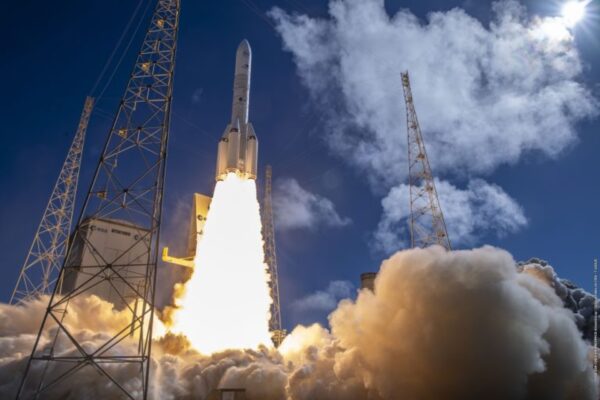
- Advanced technological sectors and main innovations of the country: France is a leader in the aerospace, automotive and renewable energy sectors, with world-renowned companies such as Airbus and Renault.
9. Education and health
- Literacy rate: About 99%.
- Structure of the education system: Education is free and compulsory until the age of 16. The education system is highly developed, with world-class universities and research institutions.
- Quality and accessibility of the health system: The health system is public and offers good access to health services, with generally high quality.
- Life expectancy: About 82 years old.
10. International rankings
- Position in the Human Development Index (HDI): Very high, with an HDI around 0,901.
- Position in the Corruption Perceptions Index (CPI): Average position, with moderate concerns about corruption.
- Position in global economic indices: High ranking for ease of doing business and economic competitiveness.
11. Environmental policies
- The country's efforts in terms of sustainability: France has launched strong policies for environmental sustainability, promoting the use of renewable energy and the reduction of carbon emissions.
- Environmental policies and international commitments: They participate in various international agreements on environmental protection and have ambitious goals for the ecological transition.
12. Curiosities and peculiarities
- Interesting or unique facts about the country: France is famous for its cuisine, art and fashion. It is also the country with the most UNESCO World Heritage Sites in the world.
- Important events, national holidays, gastronomic specialties: The National Day on July 14th celebrates the storming of the Bastille. French cuisine includes iconic dishes such as the baguette, foie gras and various cheeses.
