


 SEARCH


Bolivia




Other articles
Country information
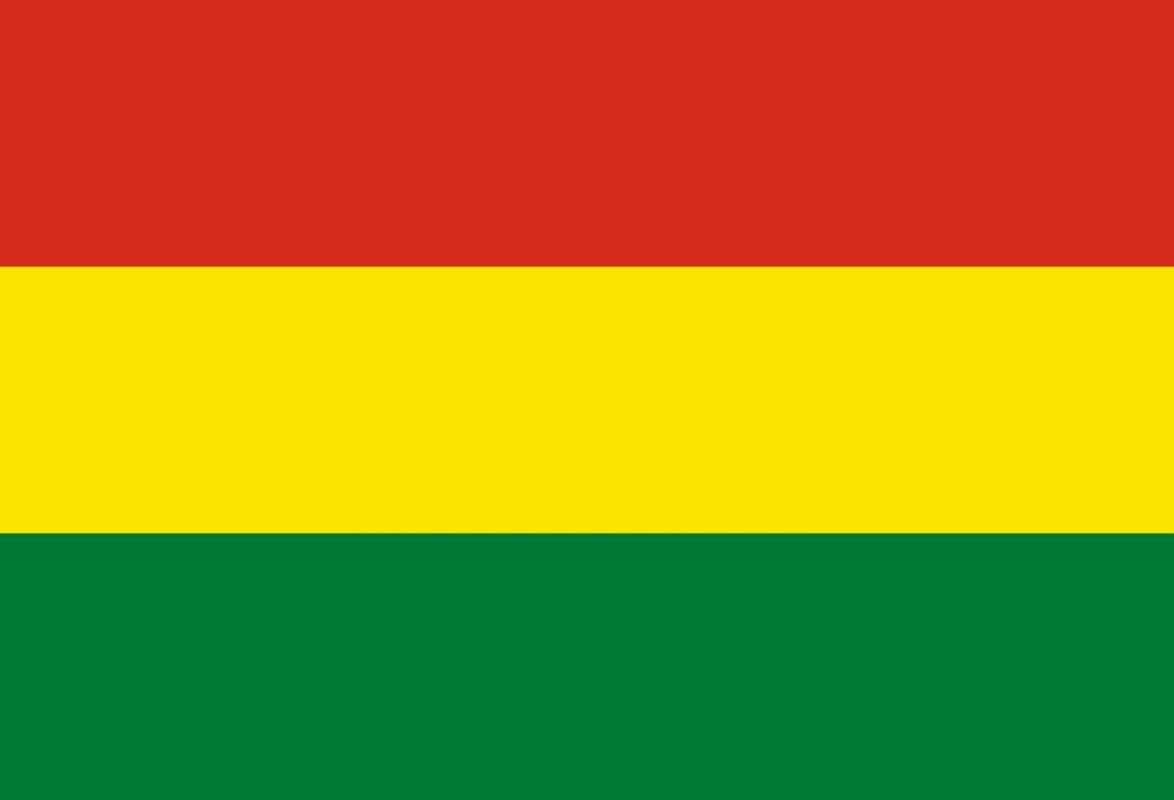
Discover Bolivia's sustainable and innovative initiatives to enhance natural resources and economic growth on Innovando.News: Bolivia, officially known as the Plurinational State of Bolivia, is located in South America and covers approximately 1.098.581 km², making it the fifth largest country on the continent. With a population of approximately 12 million, Bolivia boasts a diverse geography that includes the Andes, the Altiplano and the Amazon rainforests. Its growing economy is fueled by sectors such as agriculture, mining and services, with natural gas and quinoa among its main exports. Bolivian culture is a fascinating mix of indigenous traditions and Spanish influences, highlighted by events such as the Oruro Carnival. With a literacy rate of 92%, the country is constantly evolving, facing challenges and opportunities in the global context.
Summary data on Bolivia
- Total population: Approximately 12 million inhabitants.
- Population growth rate: Approximately 1,5% per annum.
- Capital: Sucre, but La Paz is the seat of government and the largest city, with about 800.000 inhabitants.
- Main cities: In addition to Sucre and La Paz, major cities include Santa Cruz, Cochabamba, and El Alto.
- Countries it borders: It borders Peru to the northwest, Brazil to the east, Paraguay to the southeast, Argentina to the south, Chile to the southwest, and Peru to the northwest.
- Nominal GDP: Approximately USD 44 billion.
- Pro-capite GDP: Approximately USD 3.700.
- GDP growth rate: Around 6% in 2022, supported by natural resource exports and growth in the agricultural sector.
- Inflation: About 4%, relatively controlled by regional standards.
- Unemployment rate: Around 4,8%, but with significant informal unemployment.
- Trade balance: Positive, thanks to the export of natural gas, minerals and agricultural products.
- Major business partners: Brazil, Argentina, Peru and Chile.
- Public debt: About 60% of GDP, managed at relatively sustainable levels.
- Public spending on R&D (Research and Development): About 0,5% of GDP, with a focus on agriculture and sustainable development.
- Main economic sectors: Natural resources (gas and minerals), agriculture, tourism and services.
- Currency: Bolivian (BOB).
- Interest rate: Approximately 3%, established by the Central Bank of Bolivia.
- Foreign exchange reserves: Approximately USD 6 billion.
- Main exports: Natural gas, minerals (zinc, tin), agricultural products (soy, quinoa).
- Main imports: Machinery, fuels, consumer goods and food products.
- Human Development Index (HDI): Moderate, with a score of around 0,703.
- Literacy rate: Approximately 93%.
- Life expectancy: About 71 years old.
- Position in the Global Innovation Index: Low ranking, with need for improvements in technology and infrastructure.
- Corruption Perception Index: Moderate perception of corruption, with a score of around 34 out of 100.
Insights into Bolivia
1. Country Name
- Official Country Name: Plurinational State of Bolivia
- Short form and long form: Bolivia (short form); Plurinational State of Bolivia (long form)
2. Geography
- Geographical position: Bolivia is located in South America, without direct access to the sea. It borders Brazil to the north and east, Paraguay and Argentina to the south, and Chile and Peru to the west.
- Area Approximately 1.098.581 km², making it the fifth largest country in South America.
- Description of the landscape: Bolivia has a diverse geography, including the Andes, the Altiplano (a high plain), the Amazon rainforests, and the Paraguay River basin. The climate varies greatly by region, with cool temperatures in the mountainous areas and warm temperatures in the lowlands.
3. Population
- Number of inhabitants: About 12 million inhabitants.
- Population growth rate: The population growth rate is around 1,5% per year.
- Major cities and population distribution: Major cities include La Paz (administrative capital), Sucre (constitutional capital), Santa Cruz de la Sierra, and Cochabamba. The population is distributed between urban and rural areas, with a significant portion living in poverty in rural areas.
4. Capital and main cities
- Name of the capital: La Paz (administrative capital).
- Information on the main cities: La Paz is known for its high altitude location, being the highest capital in the world. Sucre is the constitutional capital and an important historical center. Santa Cruz de la Sierra is the rapidly growing economic center, while Cochabamba is known for its agriculture and temperate climate.
5. economy
Nominal GDP and GDP per capita
Bolivia has a nominal GDP of about USD 40 billion, with a GDP per capita of about USD 3.200. The economy is growing, but faces significant challenges related to poverty and inequality.Main economic sectors (agriculture, industry, services)
Agriculture is a crucial sector, accounting for about 13% of GDP and employing a significant portion of the population. Major agricultural products include soybeans, quinoa, potatoes, corn, and coffee. The mining sector is also important, with Bolivia being a major producer of lithium, tin, and silver. Natural gas production is another key sector, contributing significantly to exports. The service sector accounts for about 60% of GDP, including trade, tourism, and finance, with a growing interest in ecological and cultural tourism.GDP growth rate and inflation
In recent years, Bolivia has seen GDP growth rates of around 4-5%, supported by exports of natural resources. Inflation is moderate, but there are concerns about rising food prices.Unemployment rate and trade balance
The unemployment rate is around 4-5%, but there is significant informal unemployment. The trade balance is generally negative, as the country imports consumer goods and raw materials, mainly from Argentina and Brazil.Public debt
Bolivia's public debt is sustainable, around 30% of GDP. The government has implemented fiscal policies to maintain economic stability and promote growth.Main exports and imports
Major exports include natural gas, minerals, soybeans, and agricultural products. Imports consist of consumer goods, machinery, and fuel, with major trading partners including Brazil, Argentina, and Chile.6. Political system and government
- Type of government: Presidential republic.
- Political structure: Bolivia has a presidential system in which the president is both the head of state and the head of government. The parliament is bicameral, composed of the Chamber of Deputies and the Senate.
- Main political parties and electoral organization: The main parties include the Movement for Socialism (MAS), the Christian Democratic Party (PDC), and the National Sacco Movement (MNS). Elections are held every five years and are generally considered competitive.
7. History and culture
Brief historical overview of the country
Bolivia has a rich history that includes pre-Columbian civilizations such as the Aymara and Quechua. After the Spanish conquest, the country became an important mining center. Bolivia gained independence in 1825 and has gone through periods of political instability. In recent decades, the country has seen the emergence of indigenous movements and social policies.Cultural and linguistic traditions
Bolivian culture is a mix of indigenous traditions and Spanish influences. Official languages include Spanish and native languages such as Quechua and Aymara. Cultural traditions include popular festivals, dance, music and crafts, with events such as the Oruro Carnival and the Festival of the Sun (Inti Raymi).Cultural heritage (monuments, UNESCO sites, cultural events)
Bolivia is home to numerous historical and cultural sites, including Tiwanaku, a UNESCO World Heritage Site, and the colonial cities of Sucre and Potosí. The Oruro Festival is one of the country's most important cultural events.8. Innovation and development
- Position in the Global Innovation Index: Bolivia is a developing country and is not among the most innovative, but there are efforts to promote education and technological innovation.
- R&D (Research and Development) Spending: Spending on R&D is limited, but there are initiatives to promote agricultural and mining research.
- Advanced technological sectors and main innovations of the country: The country is trying to develop its information and communication technology sector, with an increase in start-ups and entrepreneurial initiatives.
9. Education and health
- Literacy rate: About 92%.
- Structure of the education system: Education is free and compulsory until the age of 14. The education system includes public and private schools, as well as institutions of higher education.
- Quality and accessibility of the health system: The health system is mixed, with both public and private services. There are challenges regarding access and quality of health facilities, but there have been improvements in recent years.
- Life expectancy: About 71 years old.
10. International rankings
- Position in the Human Development Index (HDI): Medium, with an HDI around 0,703.
- Position in the Corruption Perceptions Index (CPI): Low ranking, with significant concerns about corruption in the public sector.
- Position in global economic indices: Average position for ease of doing business, but with opportunities for improvement in the business environment.
11. Environmental policies
- The country's efforts in terms of sustainability: Bolivia has initiated policies for environmental sustainability and the protection of biodiversity, promoting a development model that takes into account indigenous communities.
- Environmental policies and international commitments: The country is a party to several international agreements on environmental protection and is working to address climate change.
12. Curiosities and peculiarities
- Interesting or unique facts about the country: Bolivia is known for its diverse landscapes, from the mountainous Altiplano region to the Amazon rainforests. It is also one of the few countries in the world to have two capitals: Sucre and La Paz.
- Important events, national holidays, gastronomic specialties: Independence Day on August 6 is a national holiday. Bolivian cuisine includes dishes such as salteña (a type of empanada), pique a lo macho (a meat dish), and quinoa.
