


 SEARCH


The eRoadArlanda project kicks off new fossil-free transport by enabling electric vehicles to be charged while driving
(Photo: Joakim Kröger/NCC)
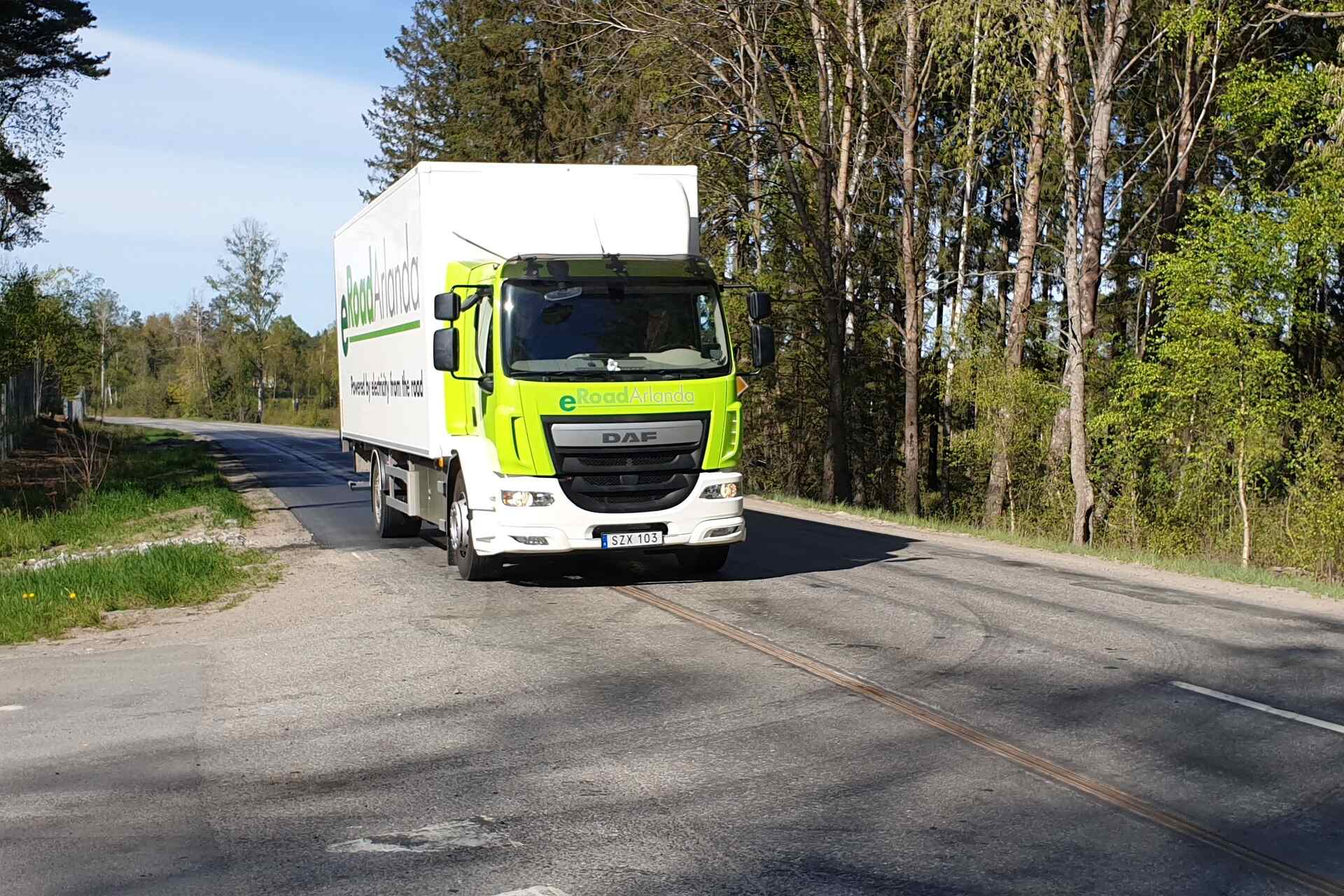
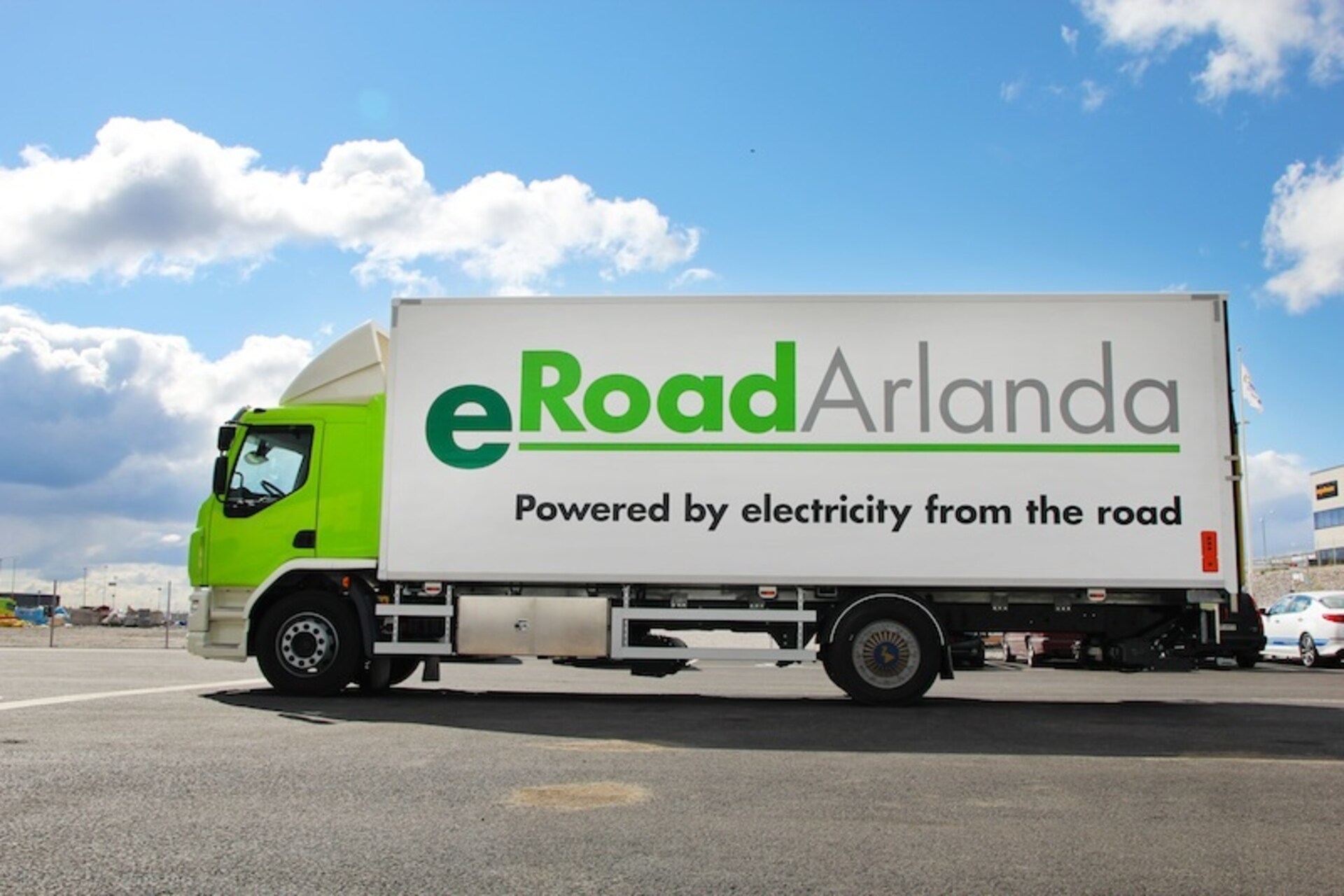
Sweden has opened eRoadArlanda, the world's first road that allows both commercial and passenger vehicles to charge while on the move. This pioneering project aims to electrify existing public roads, offering a sustainable and affordable solution for road transport without the use of fossil fuels.
The eRoadArlanda project represents a significant breakthrough in sustainable transport, offering an innovative solution for charging electric vehicles while driving.
By implementing electrified roads, Sweden is ushering in a fossil-free transportation future, while also promoting a vision of technological innovation and environmental sustainability that is destined to reimagine the future.
(Photo: Joakim Kröger/NCC)
Two km of asphalt track between the Cargo Terminal and the Rosersberg logistics area
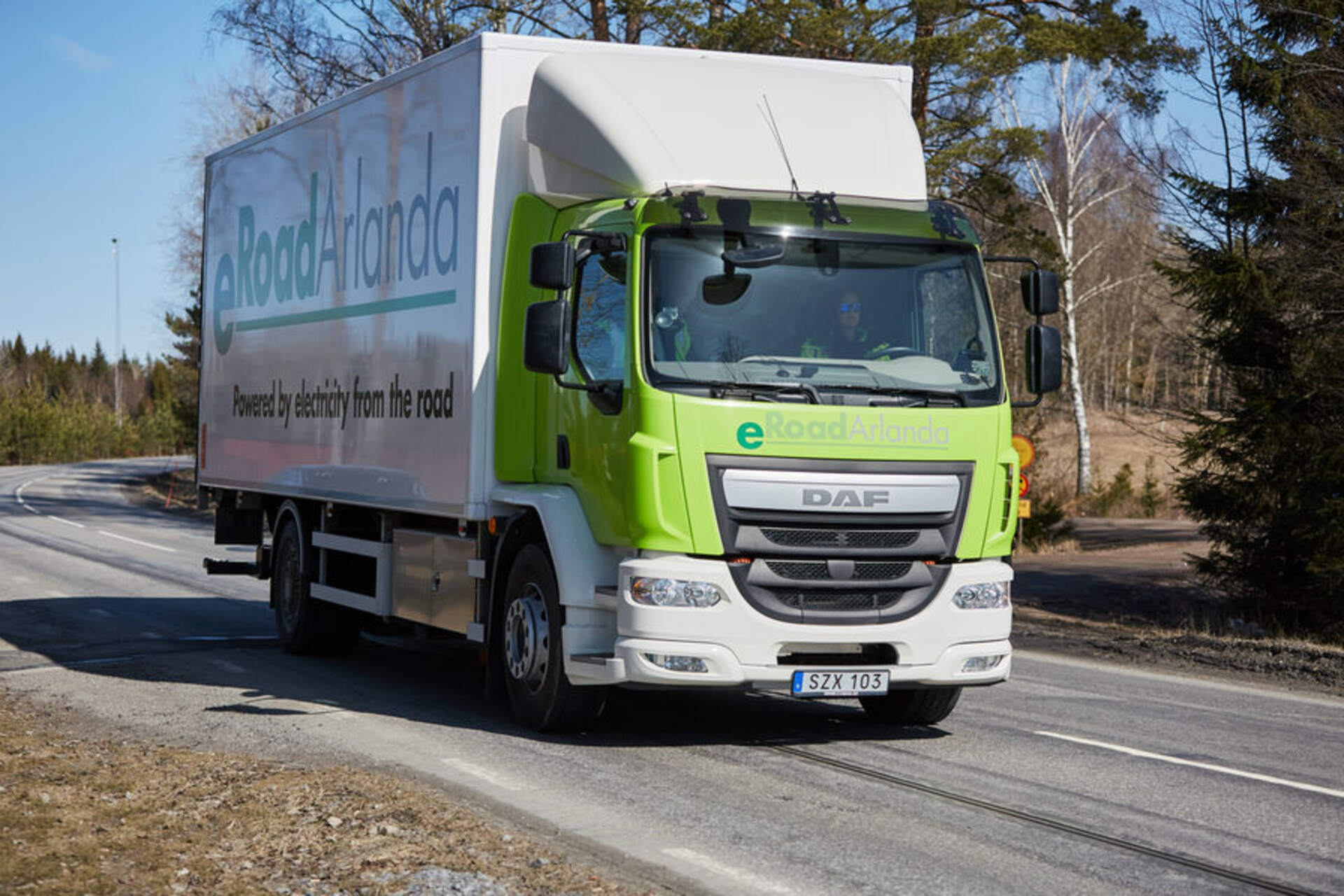
The test track runs for approximately two kilometers along Public Road 893, between Arlanda Cargo Terminal and the Rosersberg logistics area near Stockholm. The system works by transferring energy to vehicles via an electric track installed on the roadway, with a movable arm that senses the position of the track and maintains contact as long as the vehicle is above it. This made-in-Sweden conductive technology allows electric vehicles to charge while traveling, reducing the need for charging stops.


From the NCC giant a system to contain scheduled stops for charging
The eRoadArlanda project represents a significant step towards a sustainable, fossil-free road transport system. According to Hans Säll, Chairman of the eRoadArlanda consortium and Director of Business Development at NCC,
“Sweden is at the forefront of this technology, which we hope to introduce to other areas of the country and the world.”
NCC AB (Nordic Construction Company) is a Swedish construction company, one of the largest in the Scandinavian region with an annual turnover of SEK 57 billion and approximately 12.200 employees, but the project consortium includes other important companies and entities such as Elways, PostNord, ABT-bolagen, Vattenfall, DAF, KTH, Kilenkrysset, VTI, E-traction, GCT, KTH, Bilprovningen, Airport City Stockholm, the city of Sigtuna, Swedavia, Arlanda Stad Holding, TraningPartner, FirstHotel, Frost Produktion, SMM Dulevo and Sandströms Elfirma.
The Electric Road System (ERS) effectively allows electric vehicles to charge on the move, allowing them to travel longer distances between charges. This approach could transform the operation of electric fleets, including delivery vans, long-haul trucks, electric buses, and robotaxis, reducing the need for scheduled charging stops and increasing overall efficiency.
(Photo: Joakim Kröger/NCC)
Two-thirds of truck transport electrified by 2030, saving 10 TWh
The success of eRoadArlanda has paved the way for further developments in electrified roads. Sweden has fulfilled its promise to implement the first permanent stretch of electrified road by 2025, aiming to create a more sustainable transport infrastructure and reduce carbon emissions.
The implementation of electrified roads could significantly reduce carbon emissions in the transport sector, which currently accounts for about a third of total emissions in Sweden. It is estimated that by 2030, two-thirds of truck transport in Sweden could be carried out on electrified roads, reducing energy consumption by about 10 TWh, equivalent to three million tonnes of fuel.
Furthermore, electrified road technology could also be applied in other contexts, such as urban areas, improving the efficiency of public transport and reducing air pollution. For example, in 2020 a “wireless” electric road for heavy trucks and buses was built in the island city of Visby, using charging coils placed under the asphalt and which have proven to work well.
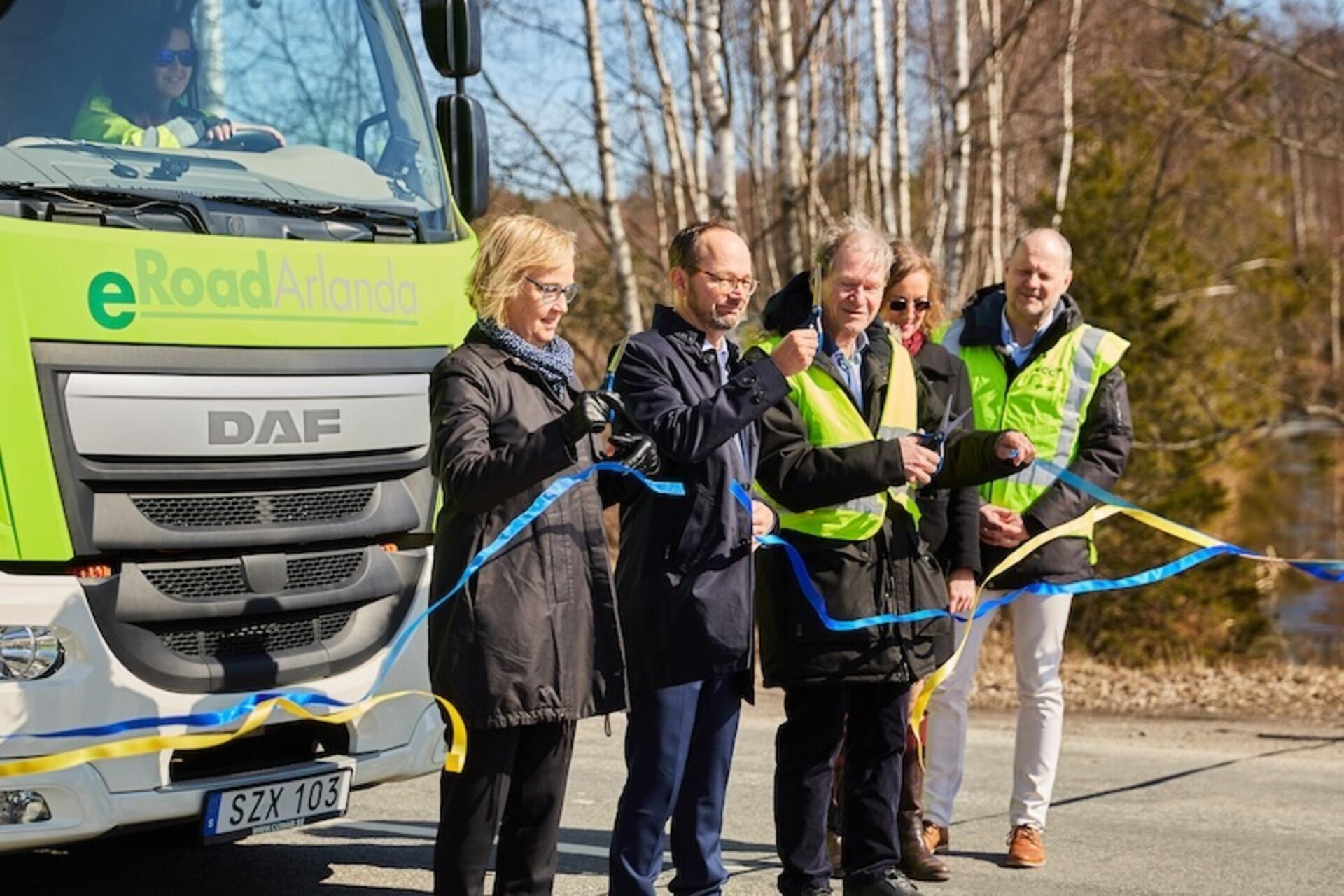
Official opening of the innovative eRoadArlanda in Sweden
The inauguration of the electrified road eRoadArlanda in Sweden
How Swedish electric vehicles operate on the eRoadArlanda
Here are three insights that might interest you:
Green mobility runs fast in the "Arena of the Future"
The electric mobility of the Swiss Army is taking shape
Here is the "Pioneer 25" for the future of hydrogen car racing
(Photo: Joakim Kröger/NCC)


