SEARCH









On May 17, Bern organized a meeting of the massive United Nations body to strengthen its interaction with the scientific community
(Photo: FDFA)
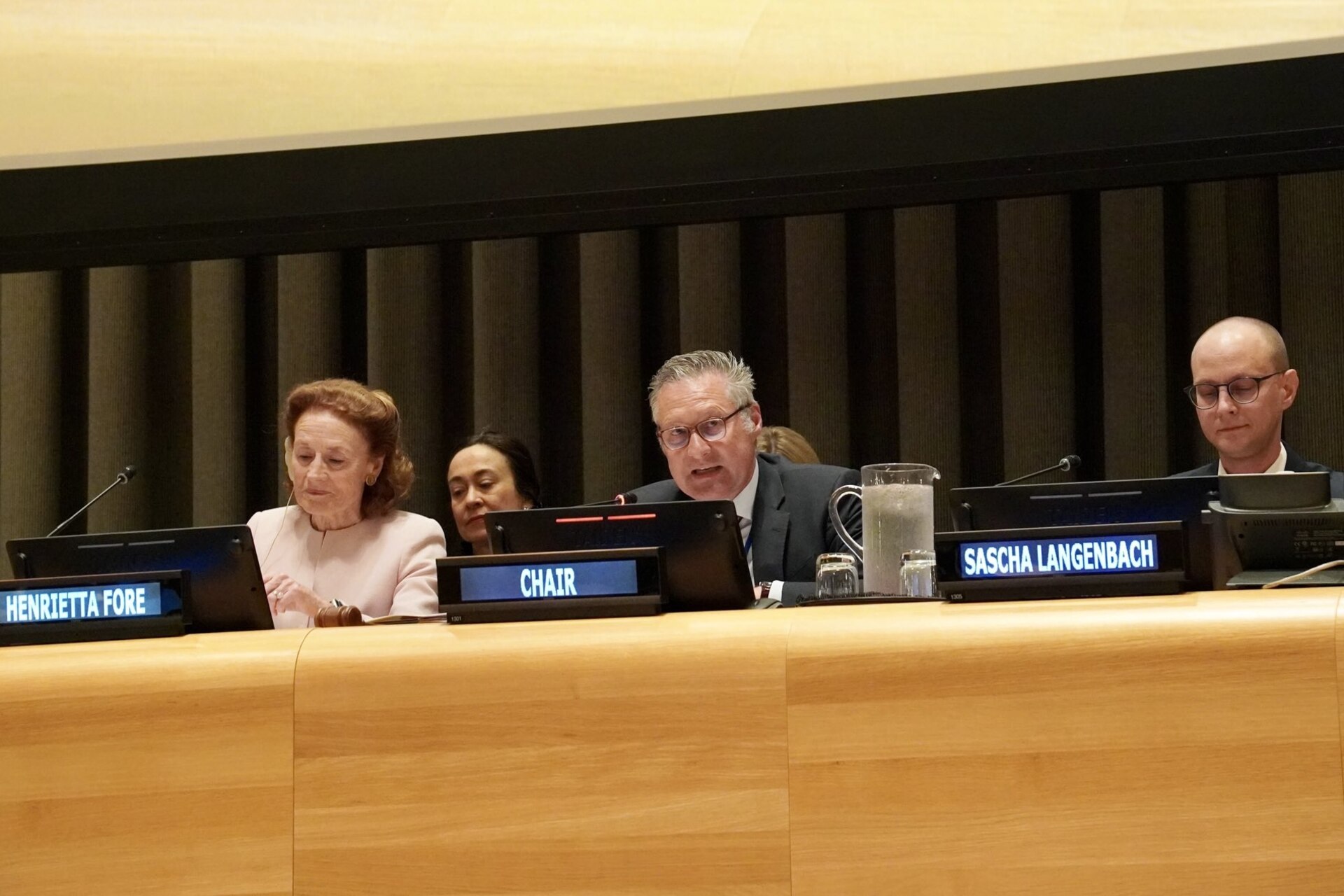
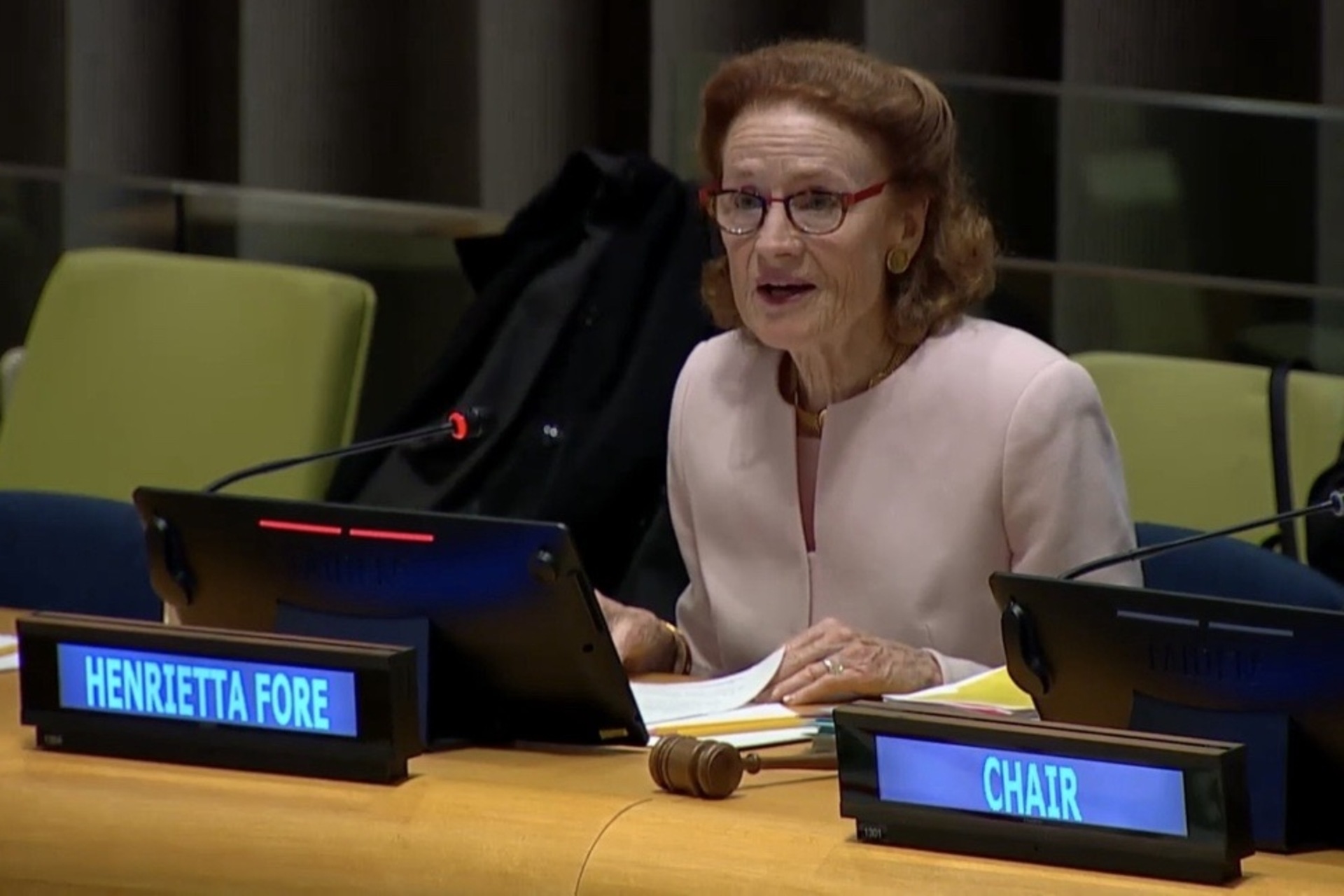
On 17 May 2024, Switzerland organized a meeting of the United Nations Security Council to strengthen interaction between this body and the scientific community.
Involving science in the decision-making process of this body has the potential to promote mutual trust and contribute to conflict prevention.
Building sustainable peace is a priority of the Bern Executive in the context of Switzerland's participation in the UN summit in the two-year period 2023–2024.
The informal meeting organized by Switzerland within the UN Security Council focused on intensifying cooperation between the latter and the scientific community.
The Open Quantum Institute will be the pinnacle of scientific diplomacy
(Photo: FDFA)
Use knowledge to prevent conflicts and ensure peace
The aim is to use knowledge to prevent conflicts and ensure peace.
Against the backdrop of interconnected global challenges, climate change, pandemics, economic crises and conflicts, science can support the decision-making process of the UN Security Council and contribute to the fulfillment of its mandate to serve world peace and security.
According to the Geneva Science and Diplomacy Anticipator (GESDA), which briefed the Security Council on this matter, this objective can be achieved by identifying patterns and drawing lessons through data collection and analysis of peacebuilding practices.
This creates the basis for anticipating new conflicts, thanks to the identification of the first warning signs, and for formulating recommendations and options on how to resolve and prevent them as well as mediate between the parties involved.
Podcast, in Italy "diplomacy to the digital challenge"
(Photo: FDFA)
There is a new record of conflicts since World War II
At a time when the number of conflicts has reached a new record since World War II, the international community must optimize its tools to promote mutual trust between States and lasting peace.
By engaging science and science diplomacy, trust can be restored and peace promoted.
Shared knowledge based on scientific foundations can indeed provide a basis for a collective understanding of global challenges.
A regulatory framework respected by all strengthens not only trust, but also predictability, and science plays an important role in this.
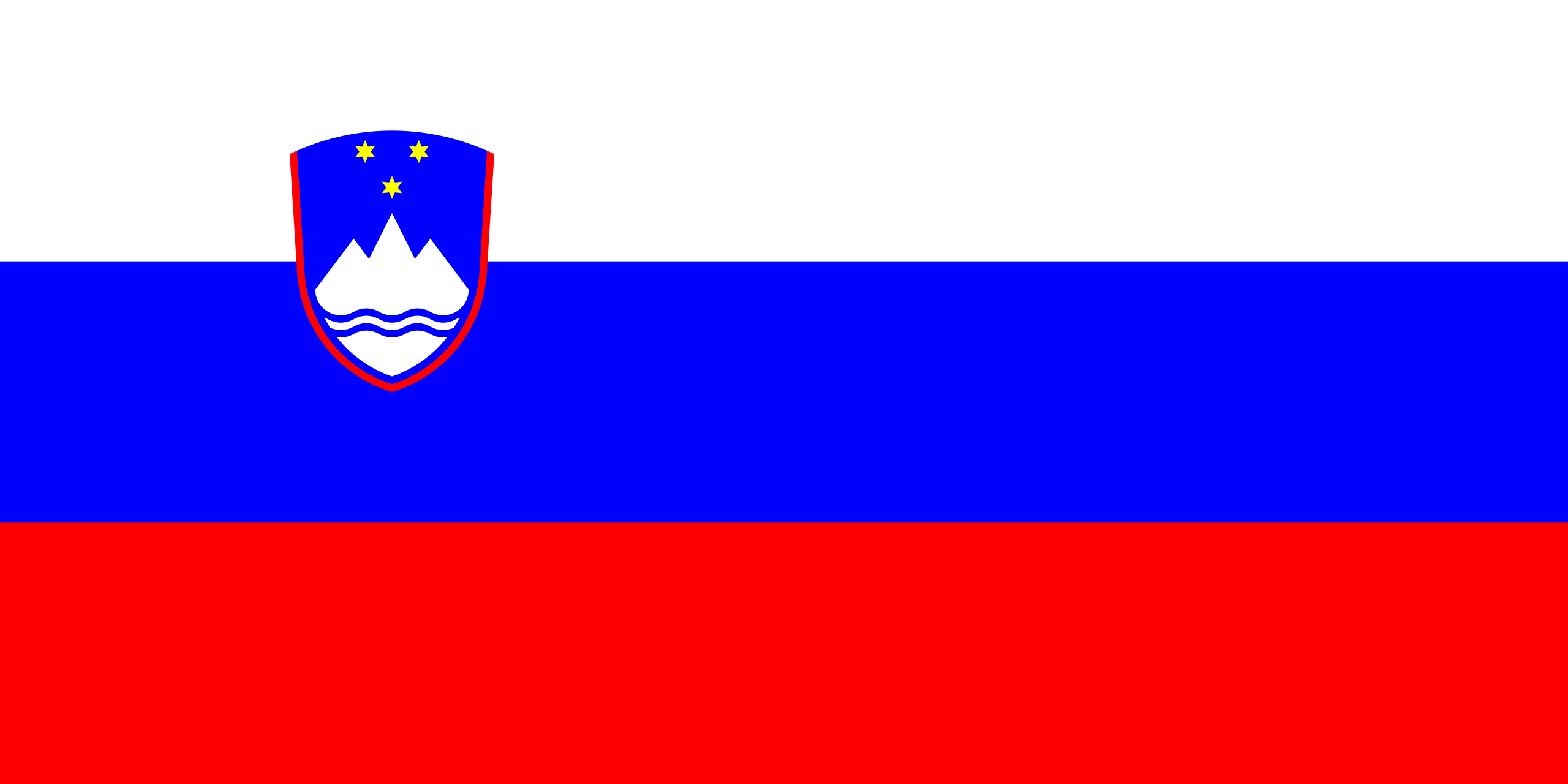
In addition to Switzerland, whose mandate expires at the end of the year, and permanent members such as the United States of America, Russia, the People's Republic of China, France and Great Britain, Algeria (2025) participated in the discussion of the highest UN body ), Ecuador (2024), Guyana (2025), Japan (2024), Malta (2024), Mozambique (2024), South Korea (2025), Sierra Leone (2025) and Slovenia (2025).
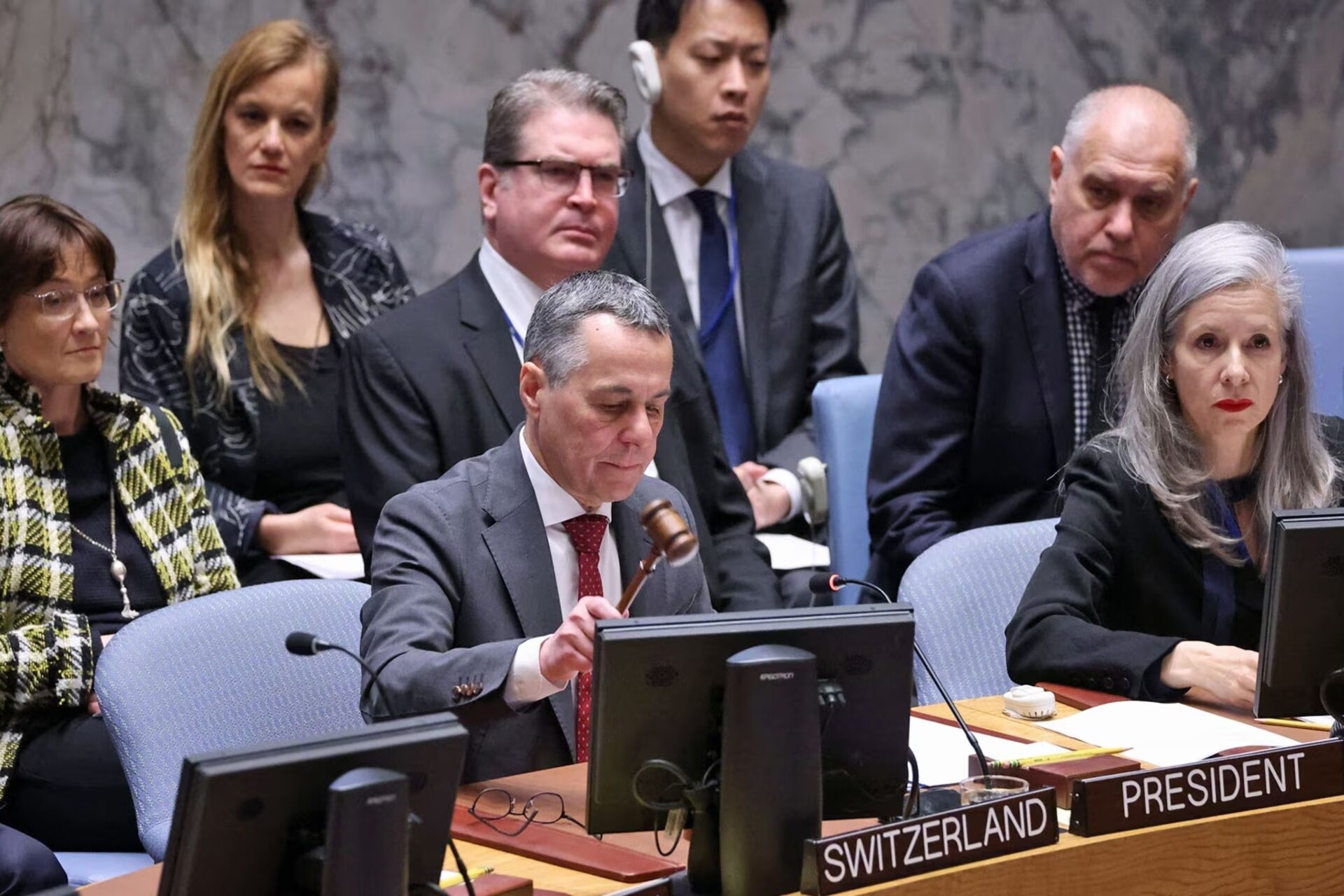
Ignazio Cassis and the debate on the management of new technologies
(Photo: FDFA)
Ignazio Cassis: “Beware of today's risks and tomorrow's opportunities”
“Science and new technologies offer us the opportunity to anticipate and better understand today's risks and tomorrow's opportunities”, declared the Federal Councilor Ignazio Cassis at the Security Council in New York on 3 May 2023.
According to Switzerland's Foreign Policy Strategy 2024–2027, science can make a key contribution to diplomatic efforts in the context of good offices, peace promotion and international organisations.
In international rankings relating to the sectors of education, research and innovation, the Red Cross country ranks at the top, and this creates excellent conditions for its scientific diplomacy.
This also helps to strengthen the international profile and competitiveness of Swiss players in the fields of education, research and innovation, and to support the implementation of cooperation projects around the world.
This is how the temples of science became those of ideas