SEARCH



The Caribbean nation focuses on technology and training to build a greener and more sustainable future, transforming every sector of society
In the heart of the Caribbean, Grenada is embarking on an ambitious digital transformation journey, aiming to become a “Smart Small State”. This vision, supported by the United Nations Development Programme (UNDP), aims to leverage technology and innovation to promote sustainable and inclusive economic growth.
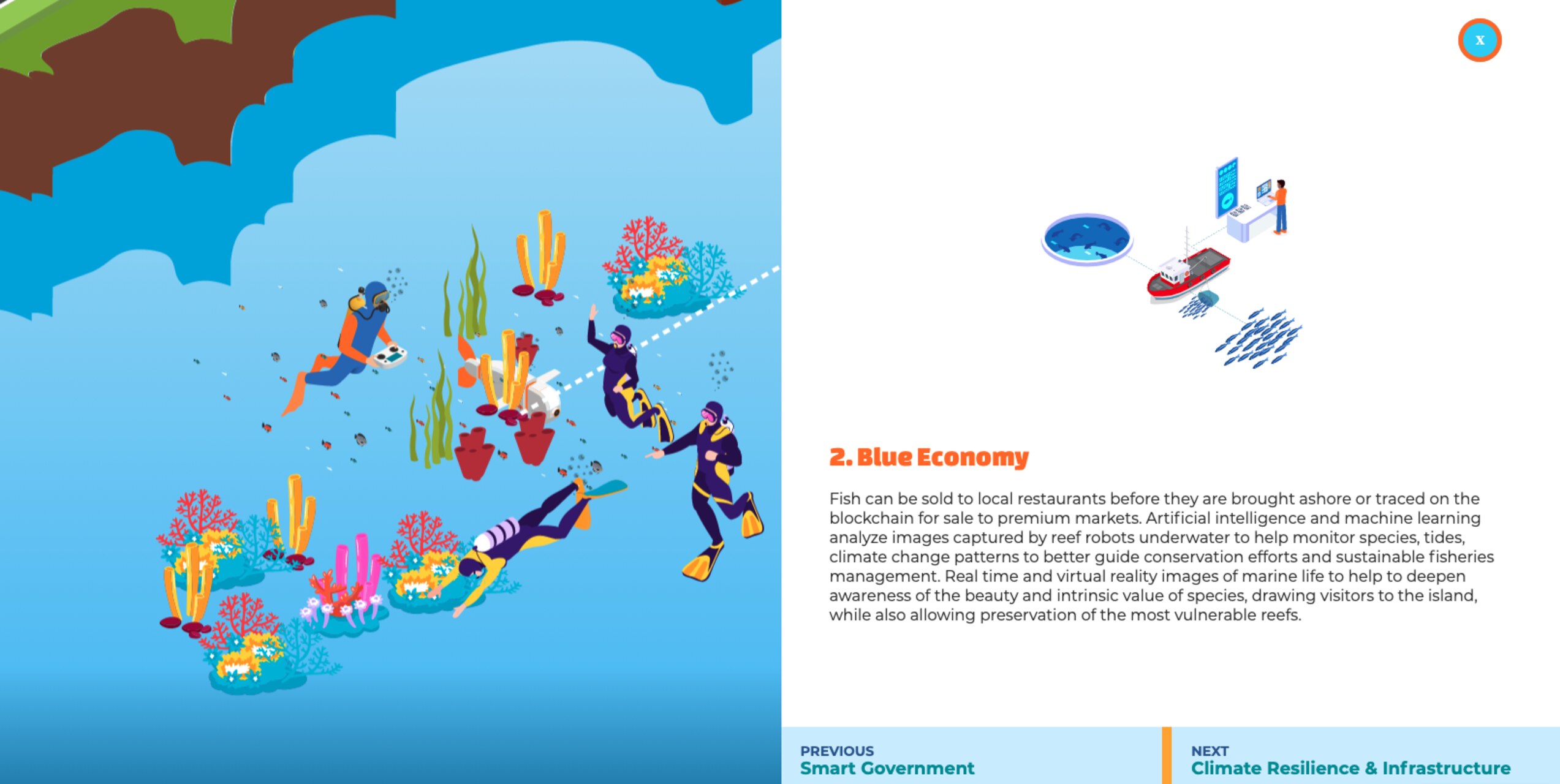
The plan calls for integrating digital into key sectors such as tourism, government, trade, education and agriculture, as well as exploring new opportunities in financial services, creative arts, digital media and medical research.
To realize this vision, Grenada has initiated the creation of an Innovation Hub, a multi-stakeholder initiative aimed at fostering an environment conducive to innovation and collaboration. The aim is to address local challenges, such as the development of the blue economy and climate-resilient agriculture, through the adoption of advanced digital technologies and the involvement of international experts.
CARDTP: The Engine of Caribbean Digital Evolution
The Caribbean Digital Transformation Project (CARDTP), funded by the World Bank with an investment of $94 million, is a key pillar for the digitalization of Grenada and other Eastern Caribbean nations. Launched in 2020 and coordinated by the Organization of Eastern Caribbean States (OECS), the project focuses on three main components: the development of a digital ecosystem, the implementation of digital infrastructure and services, and the promotion of digital skills and entrepreneurship.
Through the Caribbean Digital Transformation, Grenada is working to increase access to digital services, technologies and skills for governments, businesses and citizens. The project aims to create a robust and resilient IT infrastructure, facilitate business transactions and develop modern platforms to improve efficiency and transparency in government and business processes.


Political vision and commitment to inclusive innovation
Grenada's Prime Minister, Dickon Mitchell, stressed the urgency of digital transformation for the region's sustainable growth:
“Technological progress is not just an option; it is a necessity for the sustainable growth and development of our region. We must act decisively and ensure that our policies are aligned with global best practices to make digital transformation a reality for all Caribbean citizens.”
These words highlight the commitment of politics to promote policies that favor the adoption of digital technologies, recognizing the crucial role that these play in strengthening the economic and social resilience of the country.
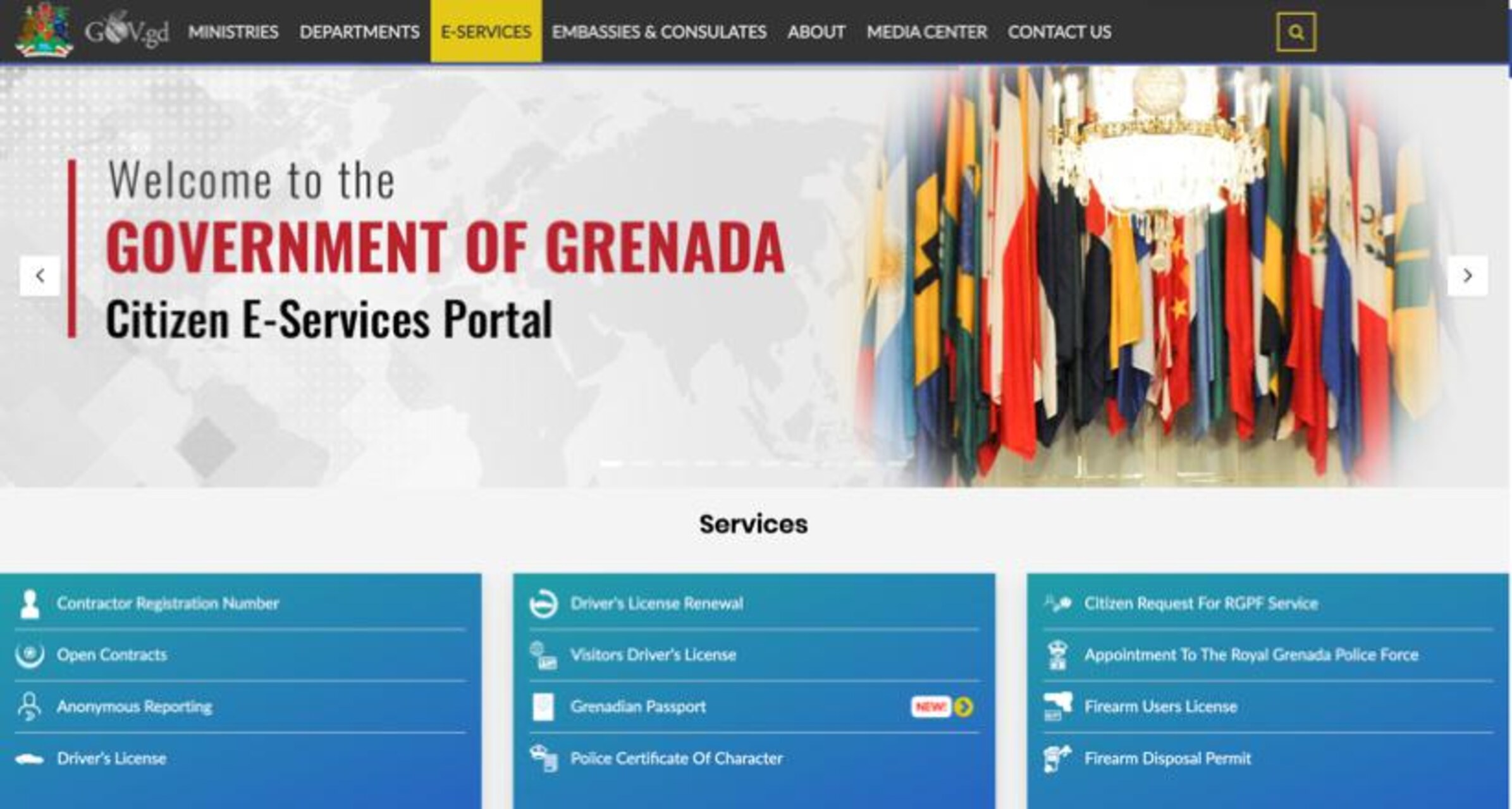
eServices: digitalization at the service of the citizen
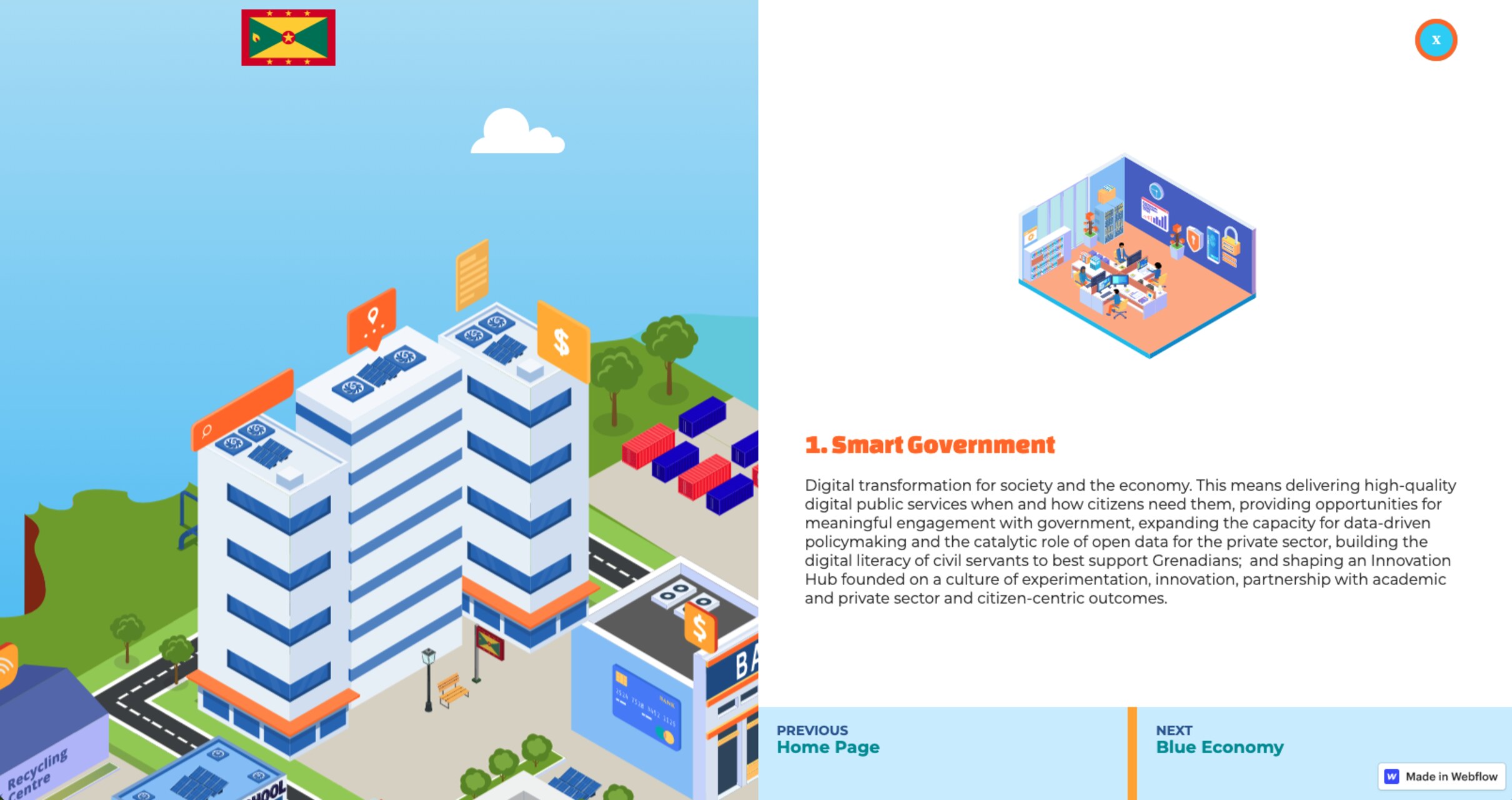
To improve the efficiency and accessibility of public services, Grenada implemented the eServices platform, developed in partnership with MGRM. This scalable platform has enabled the digitization of over one hundred government services, streamlining administrative processes, reducing workload and accelerating service delivery times.
The initiative, although applied to a population of only about 112.500 inhabitants, represents a significant step towards a more transparent and citizen-oriented administration, facilitating the interaction between Government and population through intuitive and accessible digital tools.
Agricultural Technology for Climate and Food Security
The Government of Saint George's is also investing in the digitalization of the agricultural sector to address food security and climate change challenges. Through the Digital Agriculture Innovation Hubs (DAIH) program, supported by FAO, the local Ministry of Agriculture is developing a transformation strategy to provide the sector with digital technologies and innovations.
The aim is to improve agricultural productivity, promote sustainable practices and increase the sector's resilience to adverse weather conditions, thus contributing to the country's food security.
Digital skills for inclusion and employment
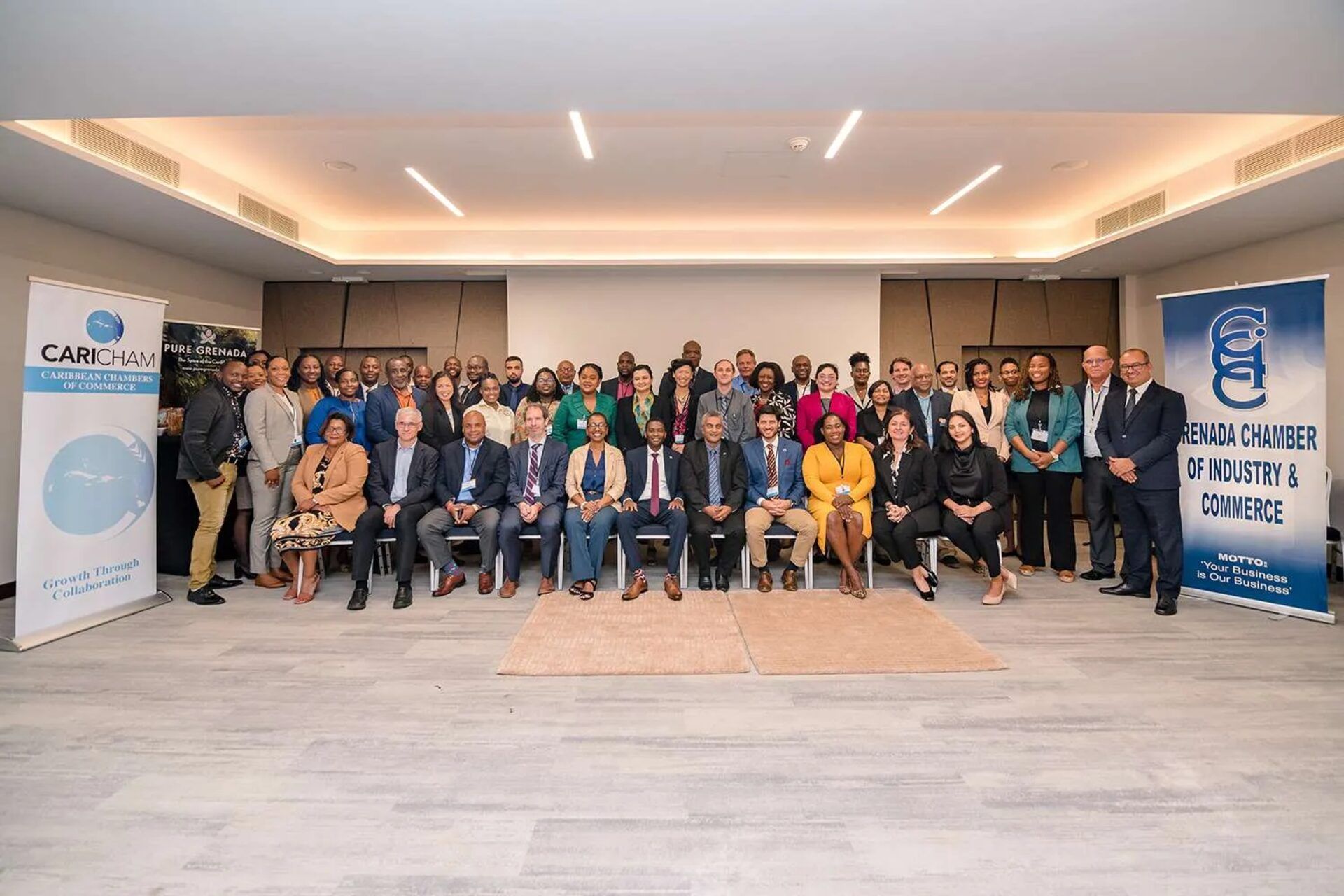
A key element of Grenada’s digital transformation strategy is investing in digital skills training. Through the Caribbean Digital Transformation Project, the country offers free online courses to develop in-demand digital skills, with the goal of improving employment opportunities and promoting entrepreneurship.
These training programs aim to prepare the workforce for the demands of the digital market, promoting the inclusion and active participation of citizens in the emerging digital economy.
Tropical Innovation: A Global Island Laboratory
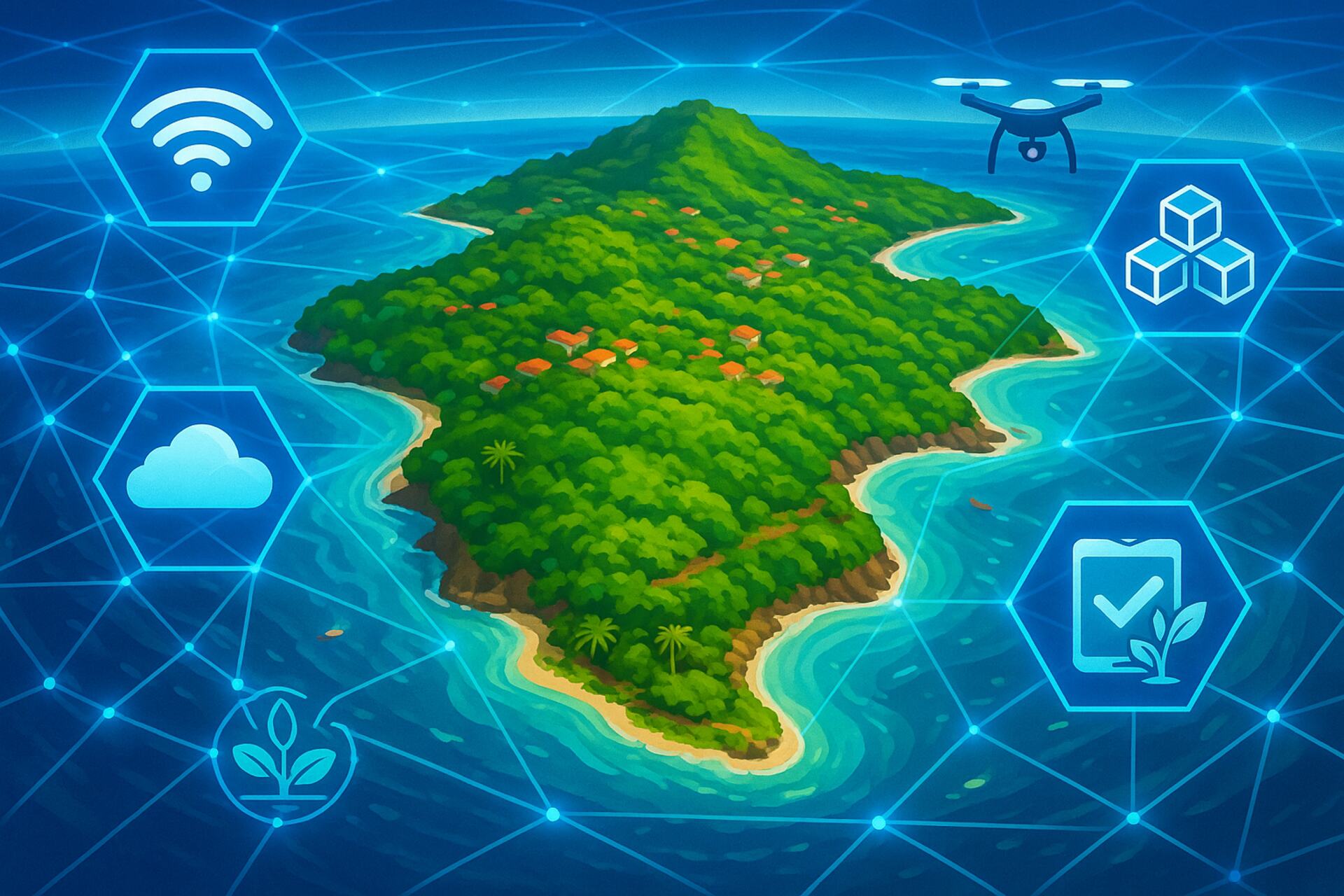
In a global context where digital transformation is emerging as an enabling factor for sustainable development, Grenada presents itself as an emblematic case of how a small island state can act as a catalyst for innovation. The determination with which the island is facing the future, with a clear strategic vision supported by international alliances and investments in human capital, makes this country a living laboratory for solutions that can also be adapted to other Caribbean and island contexts.
Particularly relevant is the ability shown by Grenada to adapt existing technologies to specific local needs, transforming structural constraints (such as limited natural resources, climate vulnerability and dependence on tourism) into levers to experiment with new, more resilient and digital economic models. This is the case, for example, of the use of geospatial technologies to monitor the coasts and prevent erosion, or of drones for precision irrigation in agriculture.
But the real challenge for the Government of Saint George's, according to observers, is cultural:
"It's not just about providing digital tools, but about changing mindsets. Digital transformation is also a social transformation,"
observes Rodney George, digital strategist at the Grenada Chamber of Industry and Commerce, interviewed by the local newspaper “The New Today”.
“We need an intergenerational pact to bring new technologies into everyday life, from schools to businesses, to rural villages.”
Digital sovereignty and international cooperation
Grenada's ambition is not limited to the adoption of innovative tools: the country is in fact facing a delicate balance between openness to international collaborations and building its own digital sovereignty. This involves, on the one hand, the adoption of global standards and integration into interoperable regional platforms; on the other, the strengthening of local capacities in data management, cybersecurity, artificial intelligence and privacy protection.
To this end, UNDP is supporting the creation of a national Digital Policy Framework, which includes a harmonized and updated regulatory framework, in line with the recommendations of the Caribbean Telecommunications Union (CTU). This is essential to ensure that digitalization occurs in an equitable and sustainable way, without generating new forms of dependency or exclusion.
Here too, Grenada’s experience can provide valuable insights to many other developing countries facing similar challenges: how to balance technological openness and local control, how to protect citizens’ digital rights, how to ensure infrastructure accessibility even to the most remote areas.
A Caribbean Lesson for the Future of the Global South
“Smart Grenada” is not just an institutional slogan: it is a vision that, step by step, is becoming a tangible reality. Although the Caribbean context presents peculiarities – climatic, historical, geopolitical – the development guidelines initiated by Grenada are fully applicable also in other countries of the global South, especially in the insular context or in peripheral territories.
Three elements emerge forcefully from the Grenadian case: the crucial role of widespread digital training, the importance of long-term oriented public-private partnerships, and the adoption of transparent governance for the technological transition. It is no coincidence that several international cooperation missions are carefully watching what is happening in Saint George's.
In the immediate future, the real challenge for Grenada will be to scale up the solutions already tested and launched, while strengthening the network of local skills to reduce dependence on external consultancy. A complex but stimulating path, which could lead this small tropical nation to become, in a few years, a reference center for digital innovation in the Commonwealth.
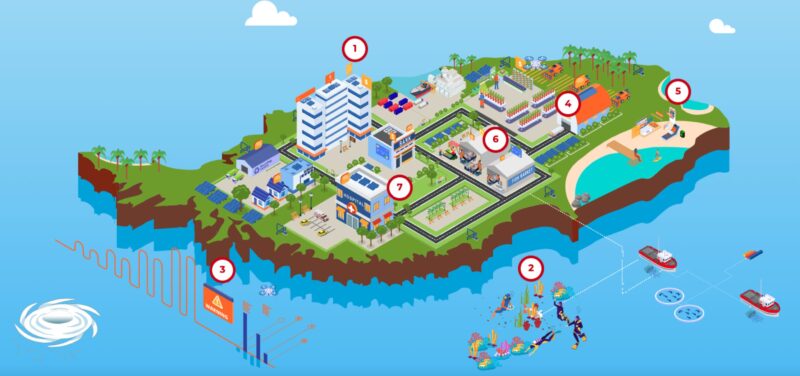
The digital future is now also for small islands
Grenada shows us that, with political vision, institutional courage and targeted investments, even a small island can face the waves of the digital revolution as a protagonist. A powerful message in an era in which technological change seems reserved only for large global players.
As the world watches the great powers race towards artificial intelligence and blockchain, a nation independent only since February 7, 1974 reminds us that innovation can (and must) also start from communities of a few tens of thousands of people, ready to reinvent themselves, to connect, to inspire.
And in this scenario, innovation is no longer just an opportunity: it is a collective duty, to leave no one behind in the digital age.
Here are three insights that might interest you:
From Barbados, a climate finance model for the future
Anguilla and the Internet suffix “.ai” goldmine
Bermuda Towards Regulatory Innovation for Digital Identities