SEARCH





Deep-sea Biobank Initiative: A database of biological samples and genetic data from the deep sea floor available to scientists worldwide.
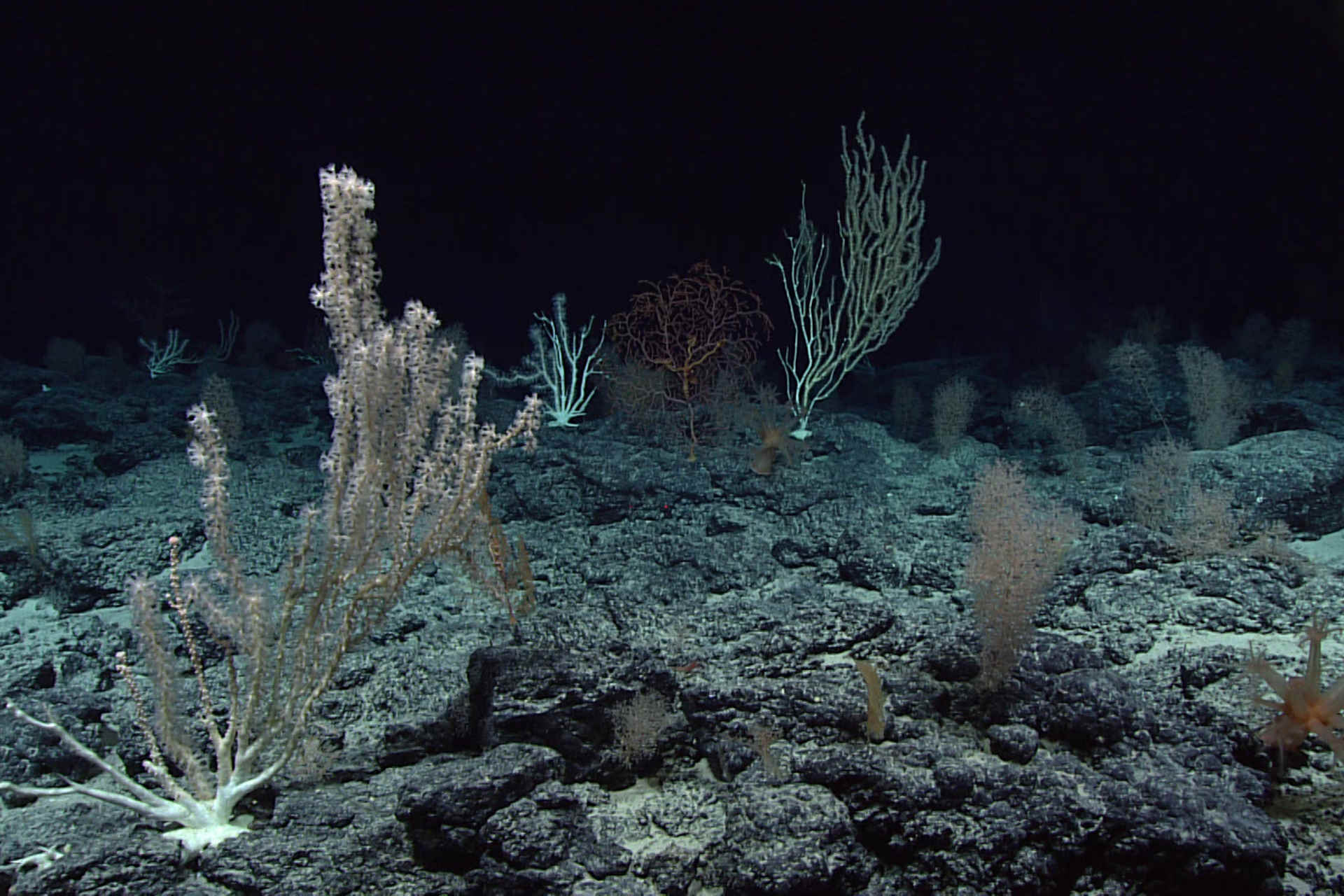
The International Seabed Authority (ISA) has announced an initiative that could provide a significant boost to scientific research on deep seabed, a study area that has only just begun to reveal the contours of a vast ecosystem almost completely unknown to humans.
La Deep-Sea Biobank Initiative aims to create a shared database of biological samples and genetic data collected from deep seabeds in international waters. These samples will then be made available to researchers from all over the worldAn initiative born to support research in the deep sea but also and above all to involve emerging countries in the discovery of our oceans, an epochal adventure that has just begun.
What we still don't know about the ocean
Who has been lucky enough to see the latest wonderful documentary by Sir David Attenborough, "Ocean”, has already begun to come to terms with what we have always ignored about the largest ecosystem on the planet.
“After nearly 100 years on the planet, I now know that the most important place on Earth is not the land, but the ocean.”
Sir Attenborough thus sums up his message, which is also the most powerful appeal ever launched by the famous British popularizer in his decades-long career. This time it's not about discovering animal behavior or describing a new species. It's about radically change one's vision of the world, almost admitting that he had only just begun to understand what should have been obvious.
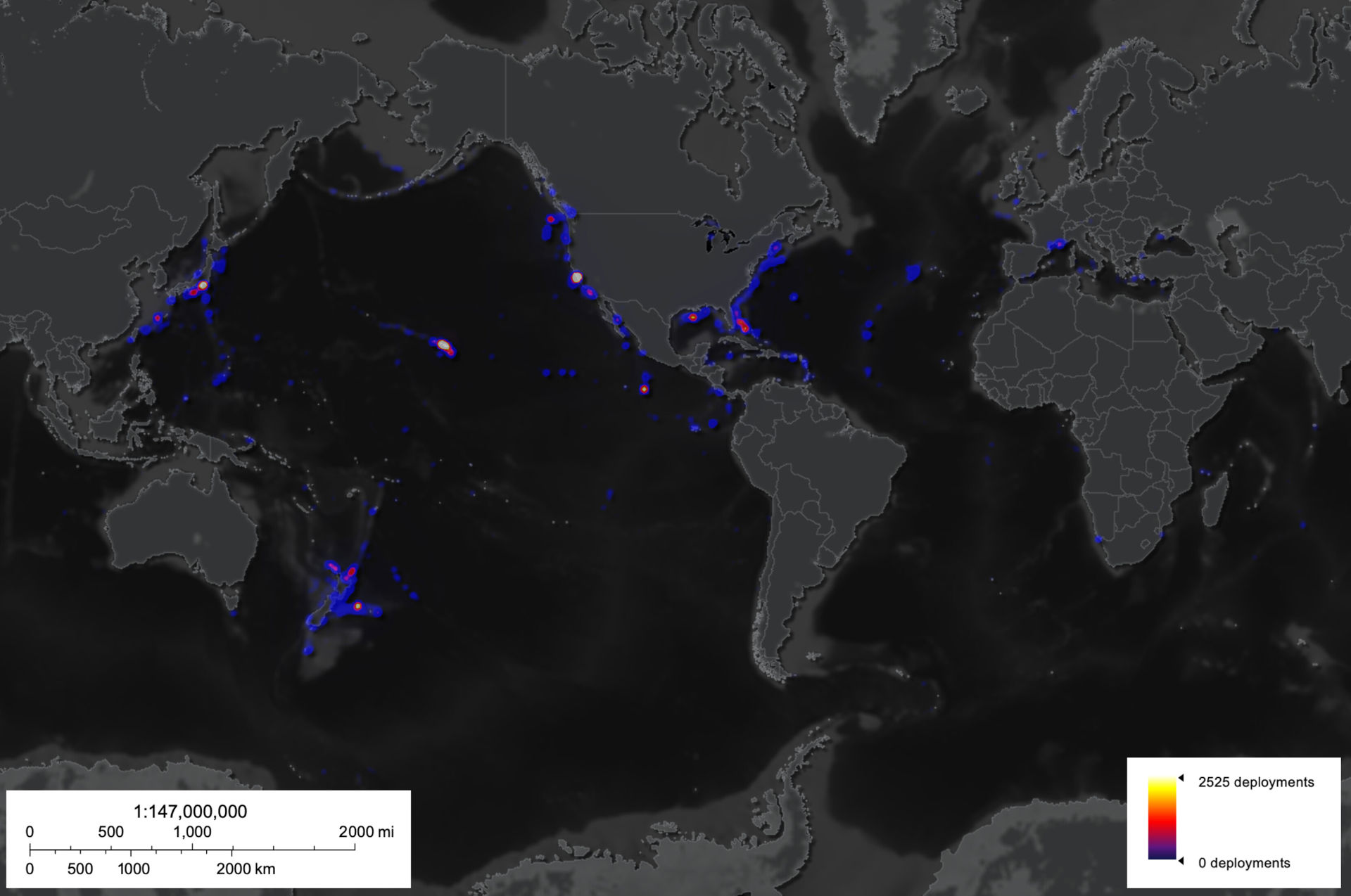
The deep ocean, the one below 200 meters of depth, constitutes more than 90% of the Earth's marine environment, and is the least explored biome on the planet – the most unknown. As stated in a study published last May in Science Advances, we observed less than 0,001% of the deep sea floor, and what we discovered may not represent a realistic picture of deep-sea life.
Analyzing 44.000 dives deep, the researchers discovered that over 65% of the visual observations occurred in the territorial waters of three countries: the United States, Japan and New Zealand.
“It's as if we had to make all assumptions about terrestrial ecosystems based on observations of 0,001% of the Earth's surface, which would be equivalent to an area smaller than Houston, Texas.”
has explained Katy Croff Bell of the NGO Ocean Discovery League, which led the research. And in fact, a single scientific expedition can be enough to discover underwater mountains and several species never seen before, or that the polymetallic nodules at 4 thousand meters depth they produce molecular oxygen.
Deep-Sea Biobank: the initiative of the International Seabed Authority
According to the study by Bell and colleagues, which analyzed 67 years of diving, only the 19,1% of shipments in deep water it happened in the open sea, that is in international watersThe vast area beyond the national jurisdiction of various countries, which covers 58% of the ocean and is also the most targeted area for deep-sea mining, is not adequately represented. The part of the ocean more exposed to the dangers of mining activities and the phenomenon of illegal fishing, which, as Sir Attenborough's film reminds us, is the most difficult to protect, and is also the one we know least about.
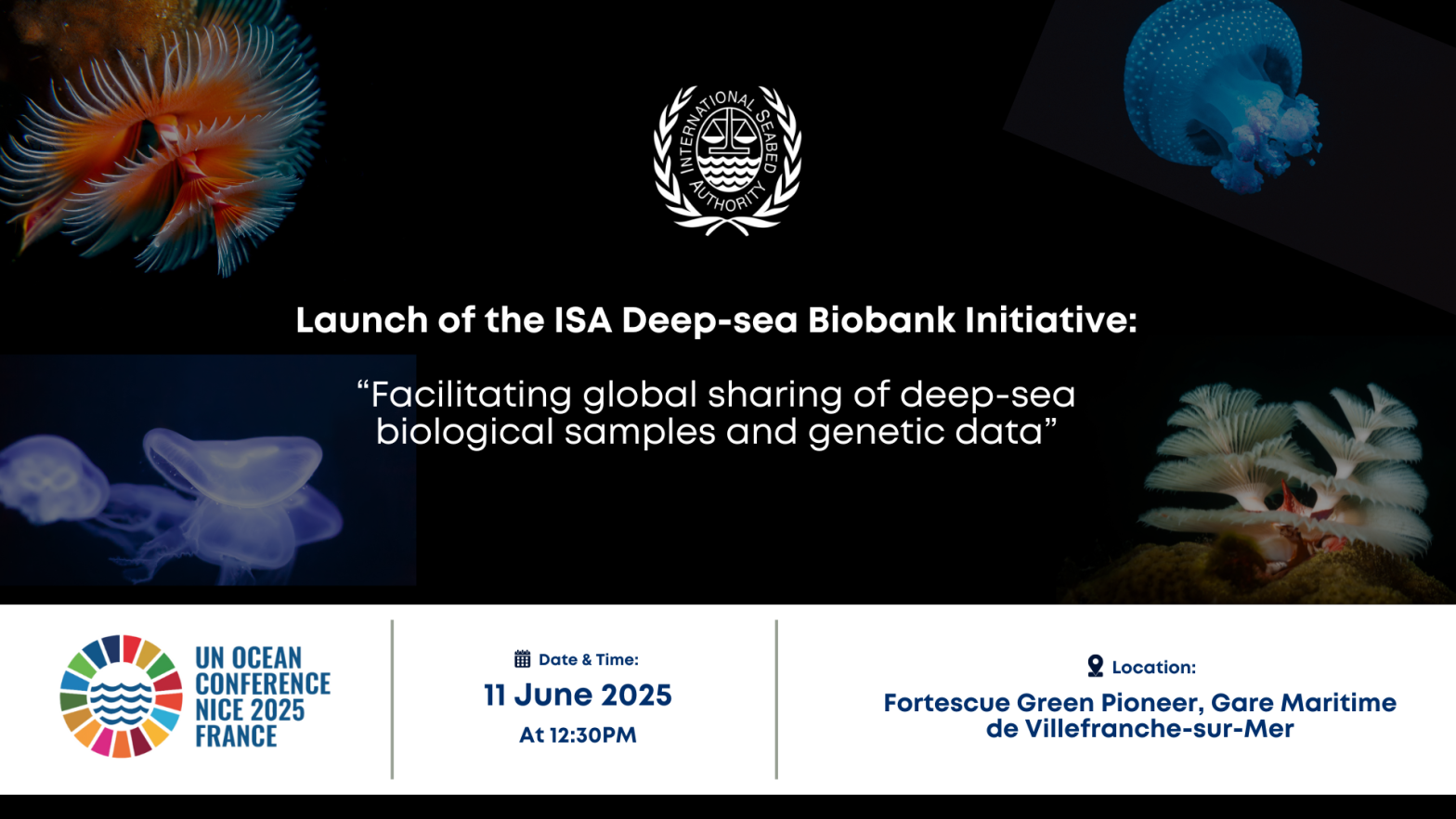
It is in this context that the initiative of the International Seabed Authority announced during the last UN Conference on Oceans held in Nice last month. The project is called Deep-Sea Biobank Initiative (DBI) and was created to improve access to biological samples and genetic data collected from deep-sea areas outside national jurisdiction.
The Deep-Sea Biobank Initiative will take the form of a global database of biological samples and genetic data collected in deep waters that will be accessible to researchers worldwide. To facilitate the exchange of information, the DBI will also develop standard operating procedures for sampling, processing, and sharing biological samples and genetic data. By doing so, the ISA explained, the Deep-Sea Biobank Initiative intends to promote deep-sea research and the scientific collaboration globally, strengthening the capabilities of emerging countries.
A shared database to support research in international waters
The project had already been introduced on the sidelines of the Our Ocean Conference held in Busan, Korea, at the end of April. On that occasion, the cooperation between the ISA and the Ministry of Oceans and Fisheries of the Republic of Korea (MOF-ROK), a key piece of the nascent initiative:
"The Republic of Korea will actively contribute to the development of standard operating procedures for sample collection, storage, research, and data processing. We will also support the operation of the DBI, which ensures the safe storage, effective management, and equitable access to these valuable samples."
said Sungbum Kim, Korean Deputy Minister for Marine Policy, Ministry of Oceans and Fisheries. Kim's words were echoed by those of Leticia Carvalho, Secretary General of the ISA, who added:
The DBI is ISA's response to the growing need to advance research, share data, build capacity, and facilitate access to deep-sea knowledge, particularly for developing countries. We aim to create standardized and equitable pathways for scientific collaboration, enabling countries and institutions to explore, understand, and protect the ocean's most remote ecosystems.
Zimbabwe and Bangladesh also support the project
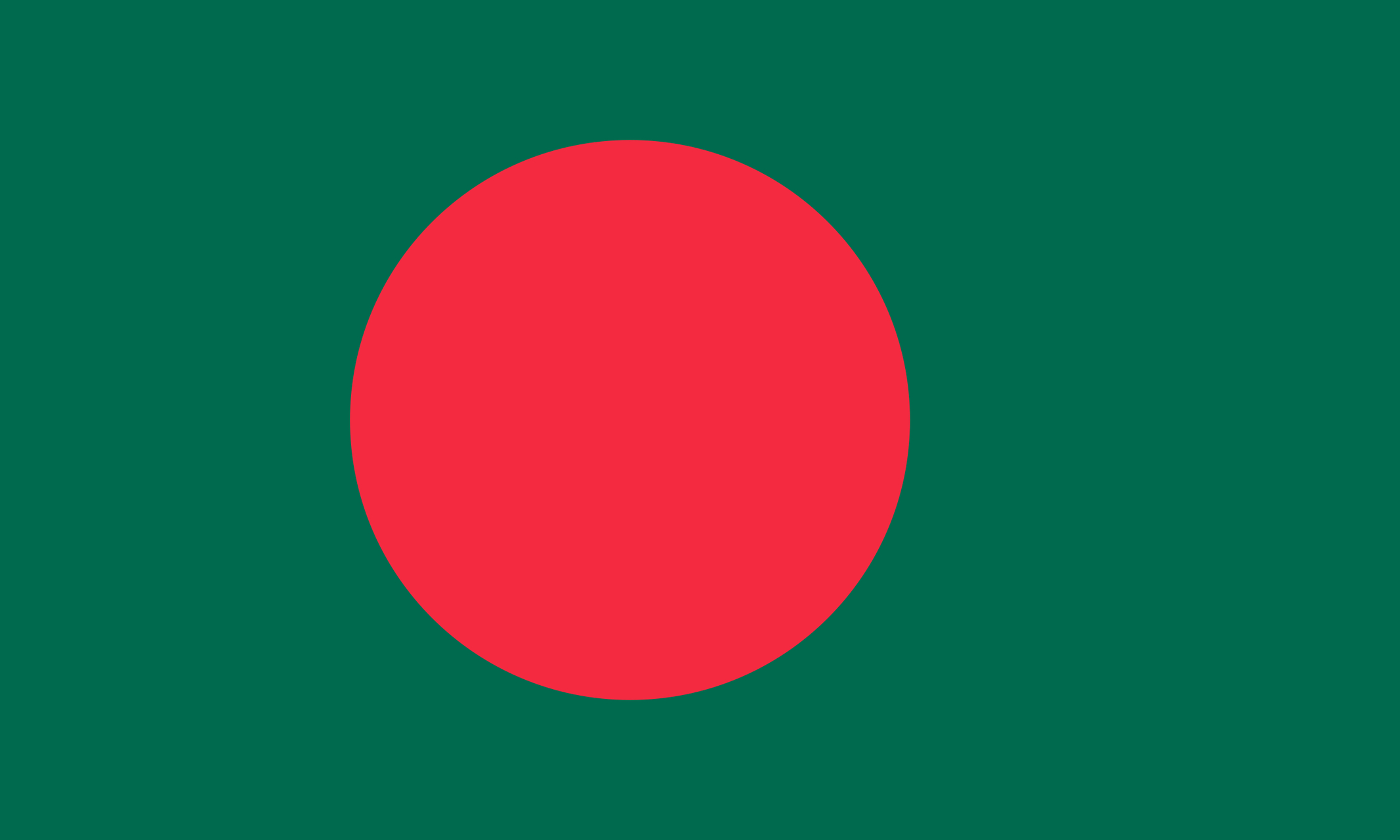
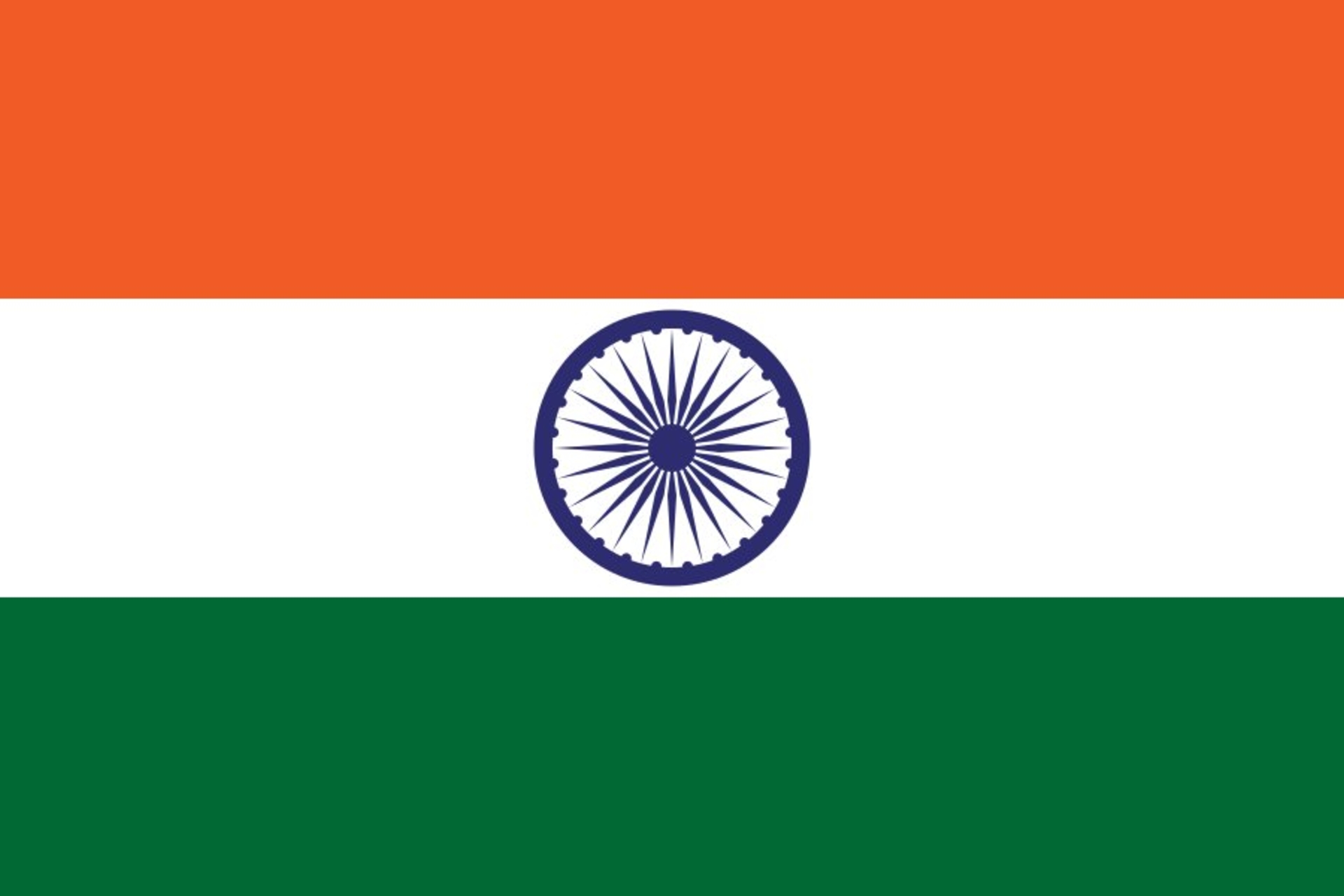
Other countries have also supported the importance of the Deep-Sea Biobank Initiative, from Pacific island states to South Asian population giants such as India and Bangladesh. Mark Brown, Prime Minister of Cook Islands, spoke of the initiative as “a tangible example of meaningful collaboration, sharing samples and data, building capacity, and making the benefits of deep-sea science available to all humanity".
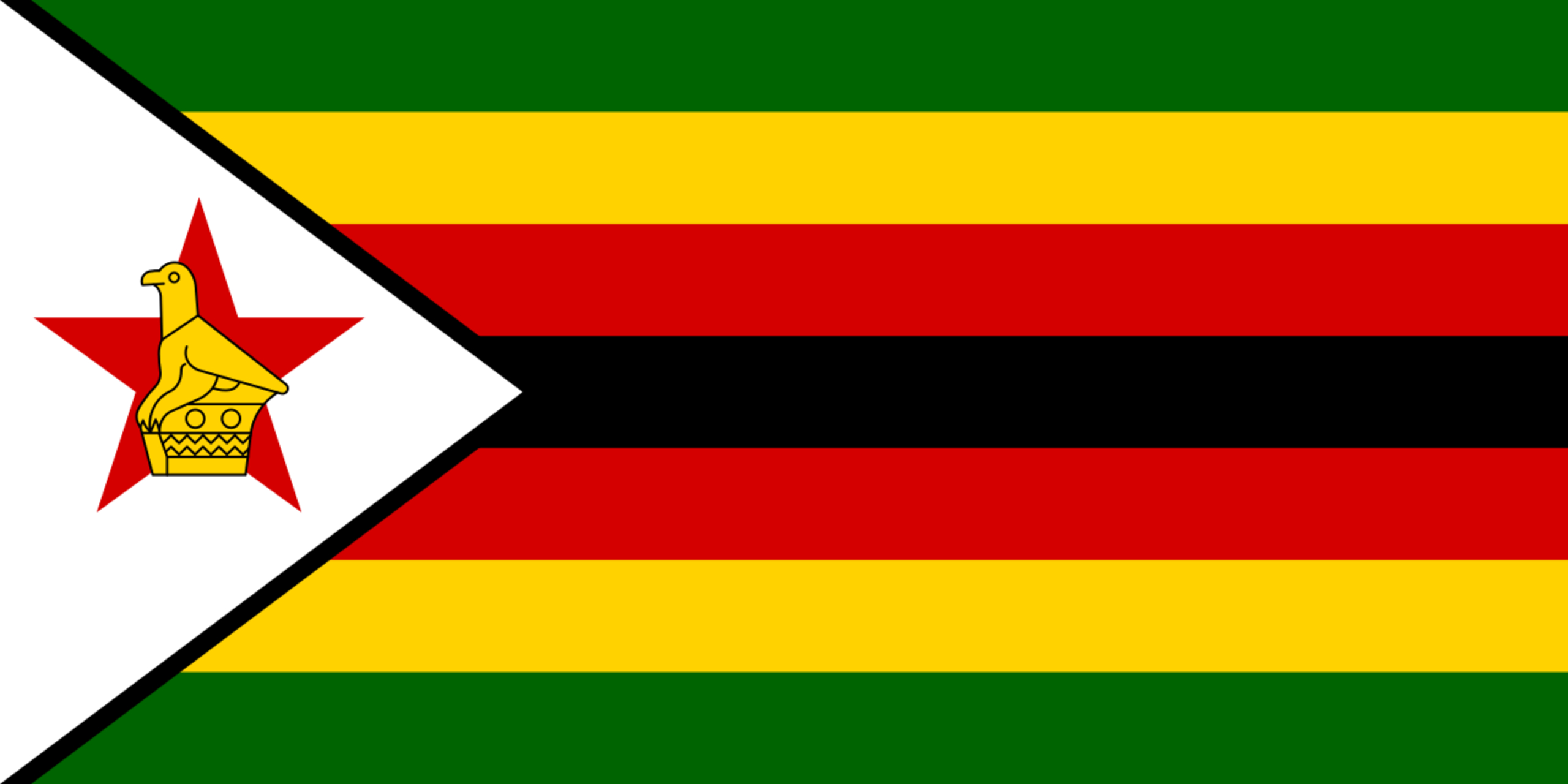
Also the Zimbabwe will support the development of DBI. As Dr. Evelyn Ndlovu, Minister of Environment, Climate and Wildlife,
"The establishment of the DBI marks a pioneering step in promoting equitable access to marine scientific resources. More than a repository of deep-sea biological samples, the DBI is a bridge between science, policy, and inclusive development."
In the words of Dr. M. Ravichandran, Secretary of the Ministry of Earth Sciences in India,
“Facilitating access to deep-sea biological samples is a significant step forward in promoting deep-sea research and the scientific capacity of various stakeholders.”
Even the government of Bangladesh strongly supports the initiative:
“The establishment of the DBI directly responds to key priorities identified by many Member States, including Bangladesh, namely the need for inclusive research opportunities, standardization of scientific procedures, and meaningful capacity-building mechanisms,”
stated the Commodore Sheikh Mahmudul Hassan, Deputy Secretary, Head of the Maritime Affairs Unit at the Ministry of Foreign Affairs of the country. In short, regarding the deep sea of international waters, not only is a global research capacity being built. The foundations are also being laid to ensure that the high seas and their resources remain a shared heritage of all humanity.
Here are three insights that might interest you:
20 Possible New Species Discovered in Pacific Ocean Deep
“Dark oxygen”: the unprecedented discovery at the bottom of the ocean
A Crucial Year: Trump Accelerates Deep Sea Mining