SEARCH


Between Blockchain, Urban Agriculture and Cultural Vibrancy, Caracas Demonstrates How Crises Can Become Opportunities for a Sustainable Future
Despite deep economic and social challenges, Venezuela is emerging as a surprising laboratory of innovation. Necessity, combined with the extraordinary resilience of the Venezuelan people, has given rise to creative solutions in fields ranging from financial technology to urban agriculture to the cultural sector.
The ingenuity and adaptability of the citizens of the Latin American country are redefining the technological and social landscape of the country, demonstrating how adversity can be a fertile ground for innovation.
From the Carib and Arawak peoples to Christopher Columbus, to freedom from Spain in 1821
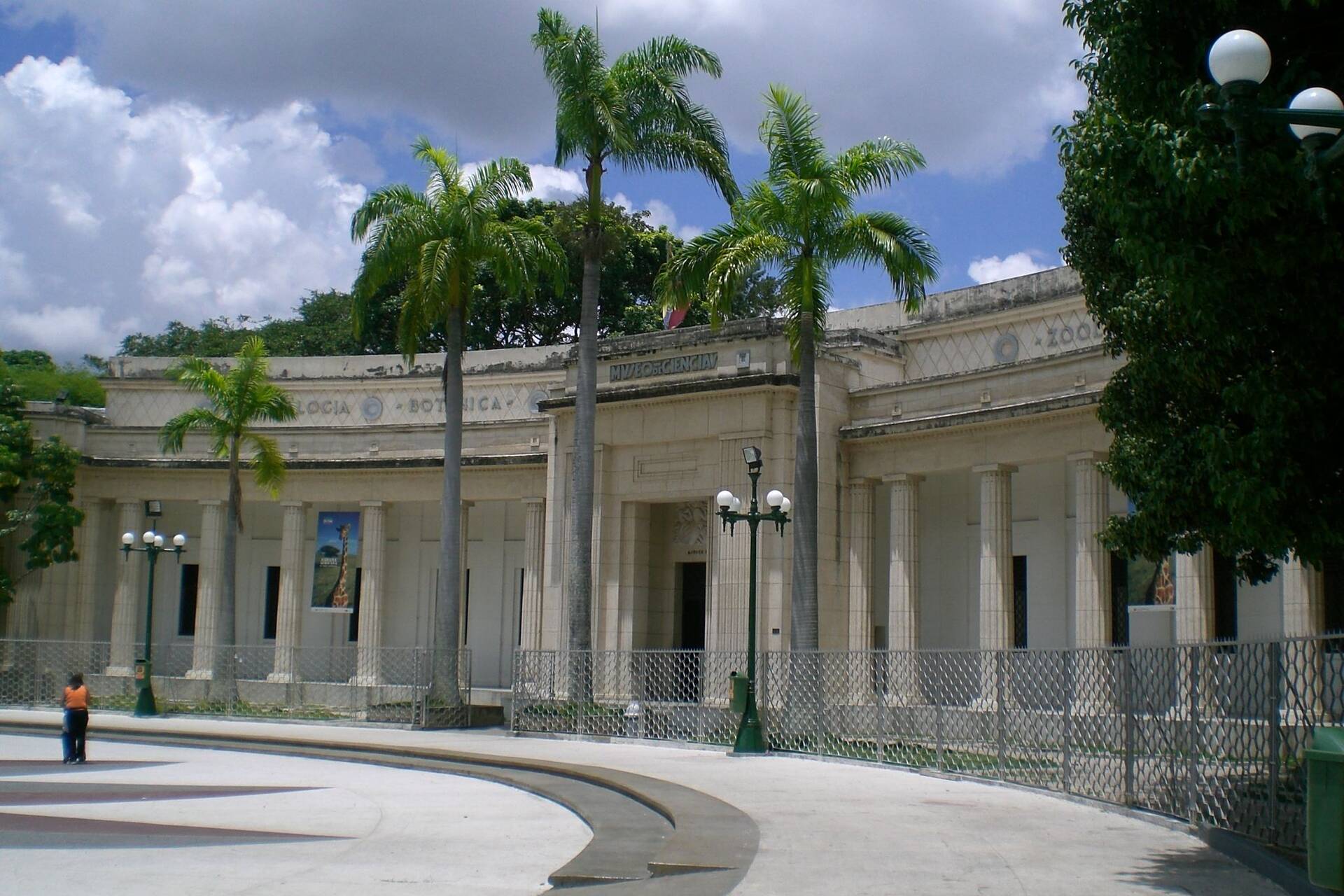
Officially the Bolivarian Republic of Venezuela, it is a federal state located in northern South America with its capital Caracas, 916.445 square kilometers of surface area and a resident population of over 32 million people.
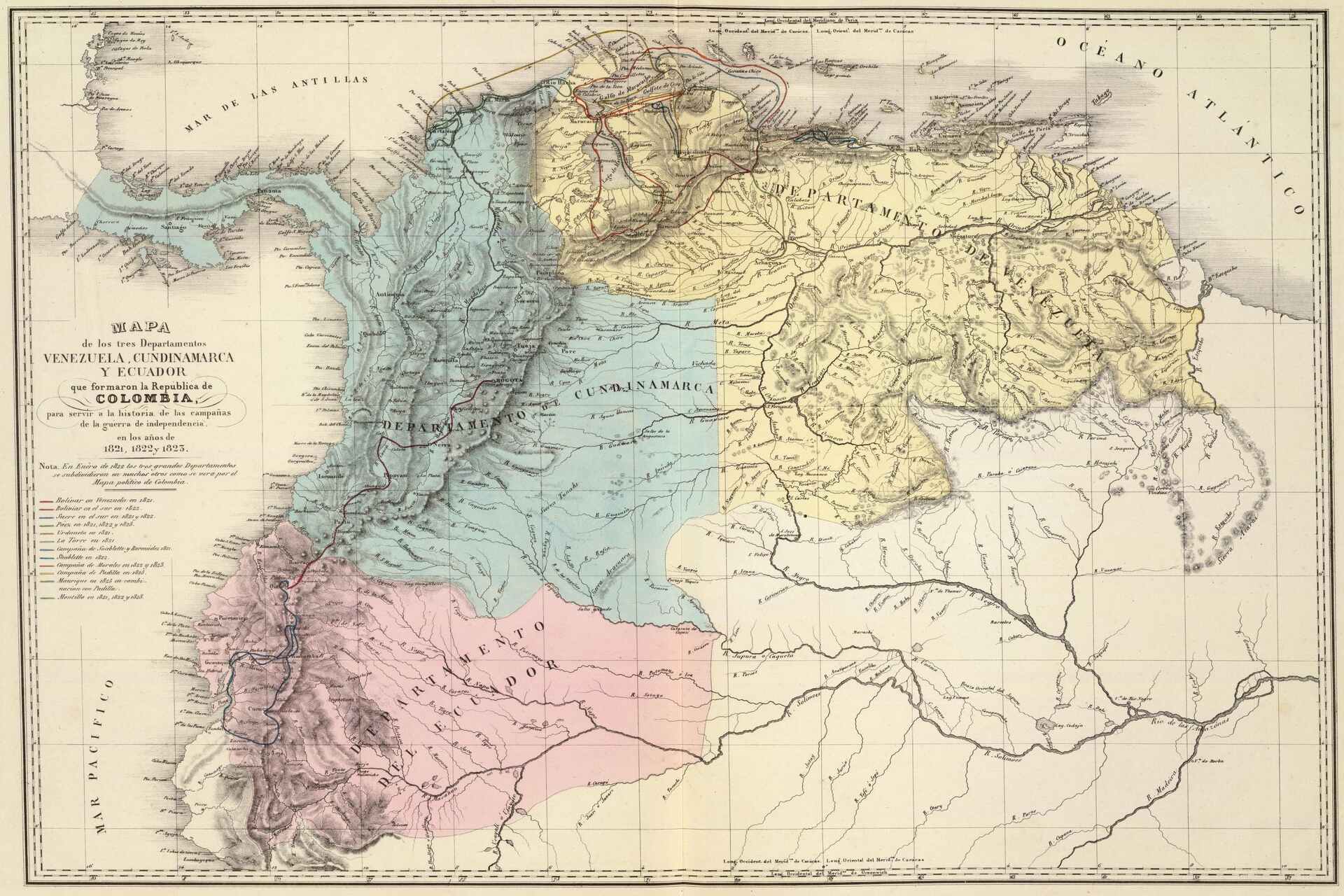
Located just north of the equator, it is considered one of the most ecologically diverse countries in the world. Already inhabited in pre-Columbian times by Amerindian tribal groups such as the Caribs and Arawaks, this nation was touched by Christopher Columbus on his third Atlantic voyage in 1498 and was incorporated into the vast Spanish South American empire in the sixteenth century, although the climate severely limited the extent of European colonization.
It was the first state in South America to emancipate itself from the Crown of Madrid, formally proclaiming its independence on 5 July 1811, which, however, only became effective in 1821.
Blockchain and Cryptocurrencies for an Autonomous and Spontaneous Financial Revolution
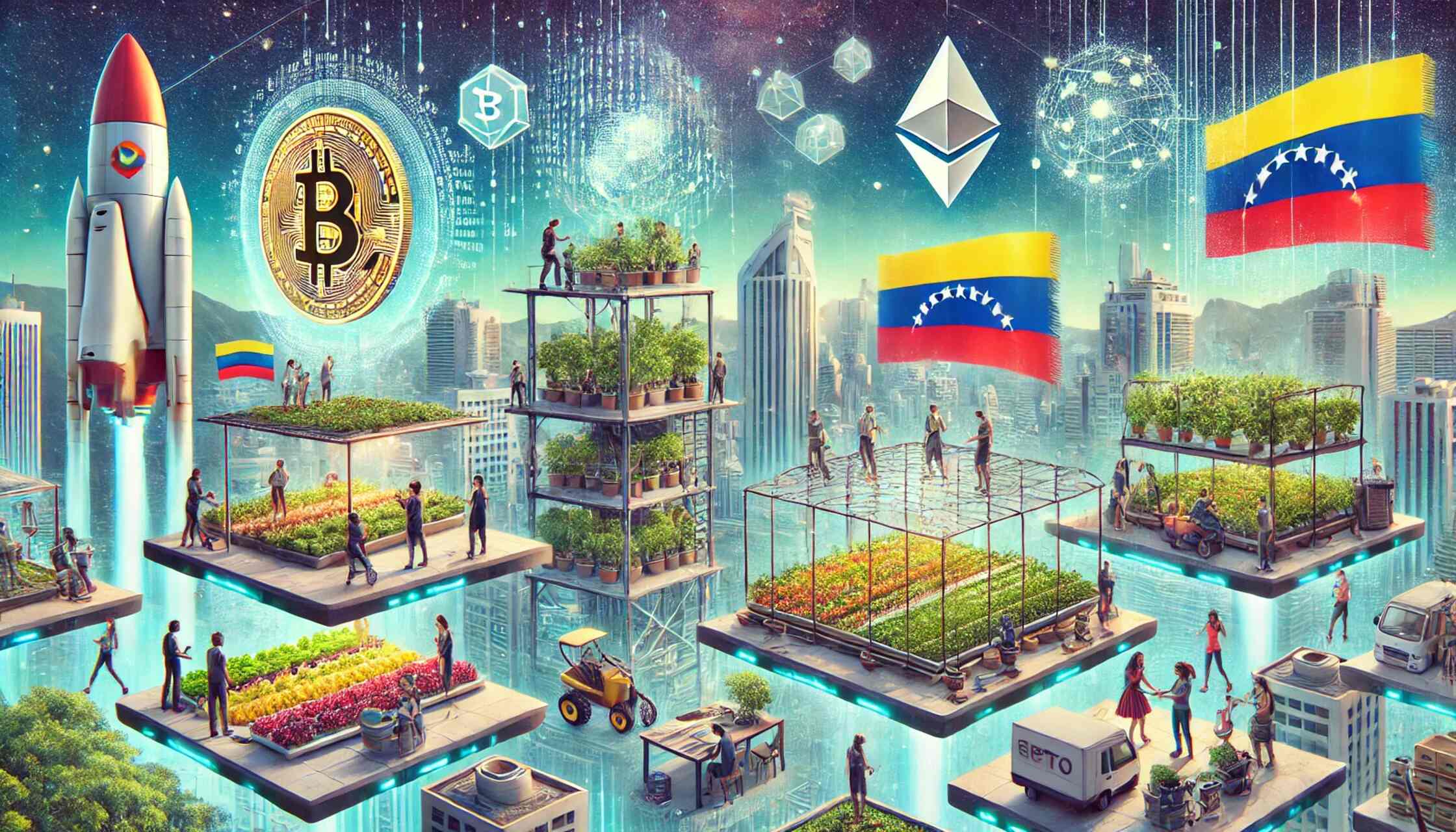
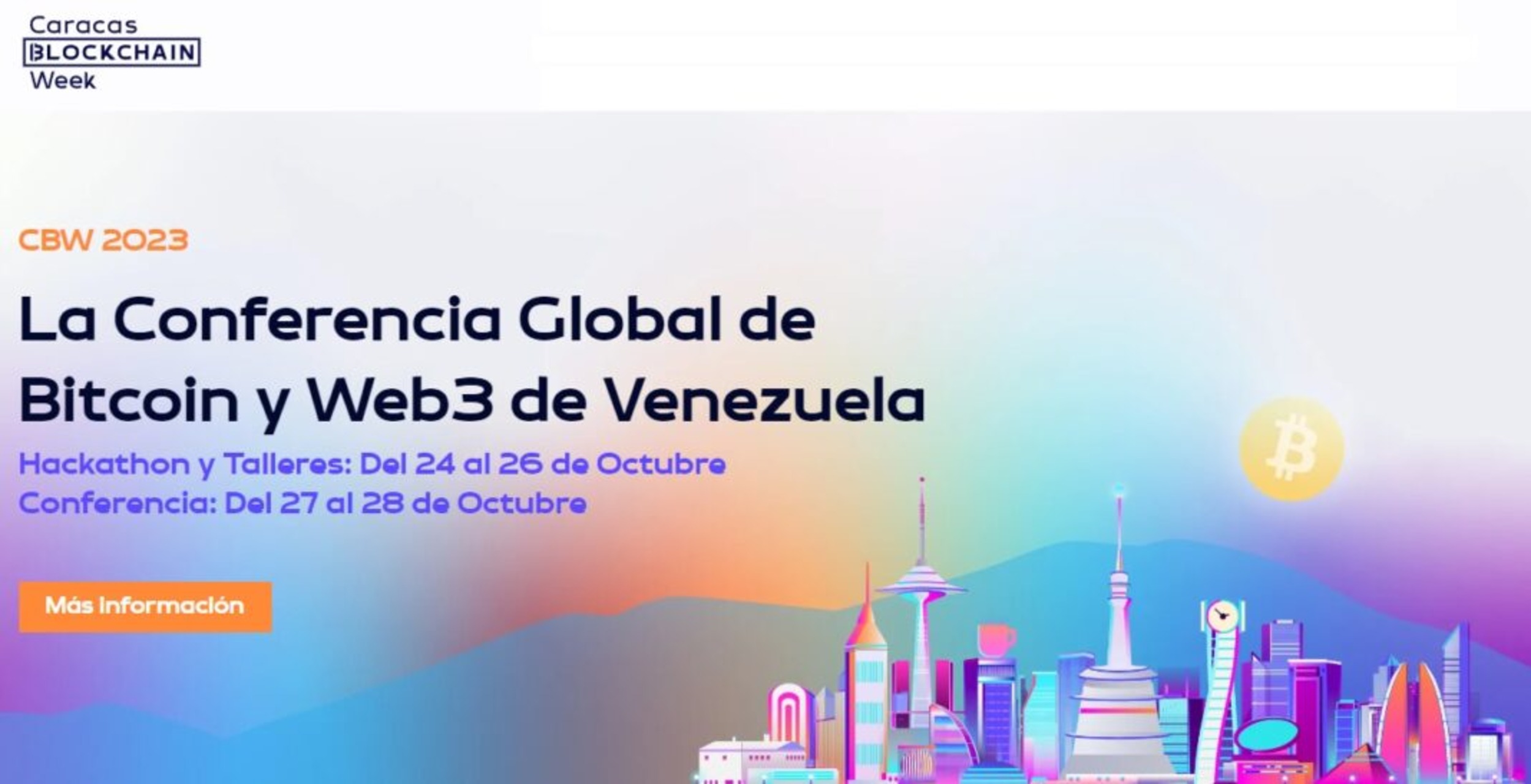
In a context of hyperinflation and economic instability, cryptocurrencies have become a key resource for Venezuela. The government's Blockchain-based Petro platform represents an ambitious experiment to stabilize the economy, despite criticism and obstacles.
At the same time, the adoption of decentralized cryptocurrencies like Bitcoin and Ethereum has grown exponentially among citizens. Tools like CryptoRemesas have revolutionized the remittance industry, allowing fast and secure transfers from Venezuelans abroad to their family members in the country.
Local startups, including ValePay and CriptoLago, are instead developing fintech solutions that simplify digital payments and savings management. These tools have transformed the financial system, offering accessible alternatives in a context where traditional banks are often unreliable or inaccessible.

Urban and Vertical Farming: Food to Fight Hunger and Support Communities
The food crisis has spurred a wave of creativity in the field of farming. Techniques such as vertical farming, hydroponics and aquaponics are transforming urban spaces into food production centers.
Projects like Siembra Caracas provide training and resources to citizens to grow food in small spaces. This initiative not only addresses food insecurity, but also strengthens the social fabric by creating support networks in the neighborhoods most affected by the crisis.
In rural areas, digital platforms like AgroApp are changing the face of traditional agriculture. These digital tools help farmers monitor climate conditions, optimize water resources and improve productivity, offering a modern and sustainable vision of the agricultural sector.
Culture and Technology: A Creative Rebirth Beyond Logistical and Geographic Barriers
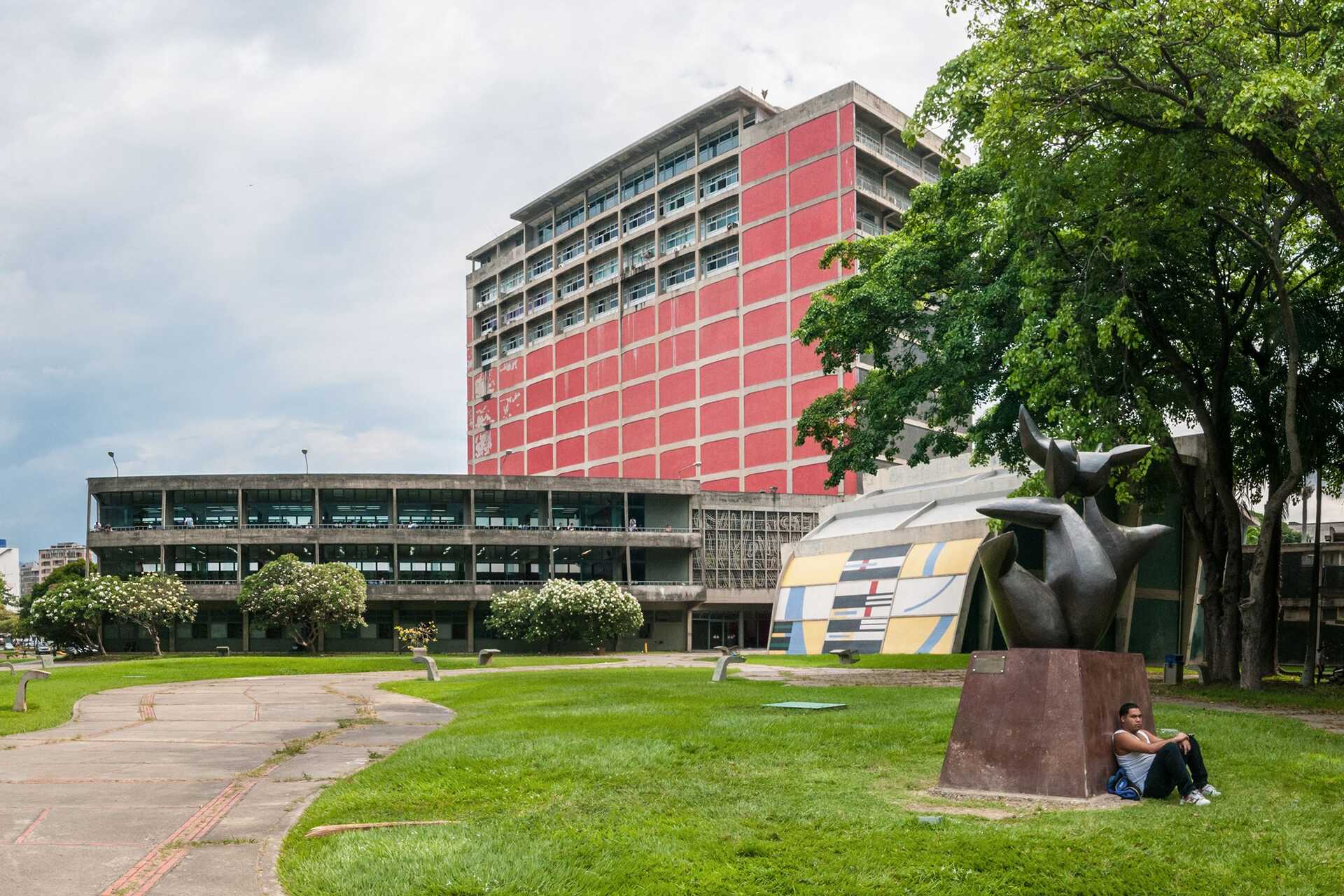
The cultural sector is also undergoing a transformation thanks to technology. Centers like Trasnocho Cultural in Caracas are using digital platforms to spread art and culture, overcoming logistical and geographical barriers.
Initiatives like ArteVivo allow Venezuelan artists to sell their works online, reaching a global audience. This digitalization has given rise to a cultural renaissance that combines tradition and innovation, bringing the heritage of the Latin American country to international stages.
BIEN CLARO LO DIJO EL PRESIDENTE @NicolasMaduro
“In this presidential palace we join with the votes of the people who are the only ones who elect the Constitutional President of Venezuela, only the people place, only the people leave”
PD/ Now it's comiquita and ready to descend from this cloud pic.twitter.com/EB3vFqdhlU— Teresa Maniglia (@tmaniglia) January 23, 2019
A sustainable and collaborative future in the unequivocal words of Teresa Maniglia
According to Teresa Maniglia, economist and social activist, Venezuela represents an example of how resilience and creativity can transform challenges into opportunities:
“The innovations we are seeing are not just responses to the crisis, but signs of a promising future. The Venezuelan people’s ability to reinvent themselves is an extraordinary resource.”
The Bolivarian Republic, now presided over by Nicolas Maduro, is thus demonstrating that innovation can thrive even in the most difficult situations. Blockchain, sustainable agriculture and cultural digitalization are just some of the examples of how the crisis has stimulated ingenious solutions.
While the challenges remain daunting, the path taken is a beacon of hope, suggesting that creativity and resilience can build a more equitable and sustainable future.
Here are three insights that might interest you:
Peru Seeks Innovative and Sustainable Businesses with “Green FET”
Artificial Intelligence will help us clean the oceans of plastic
The largest natural logo in the world grows in Paraguay