


 SEARCH


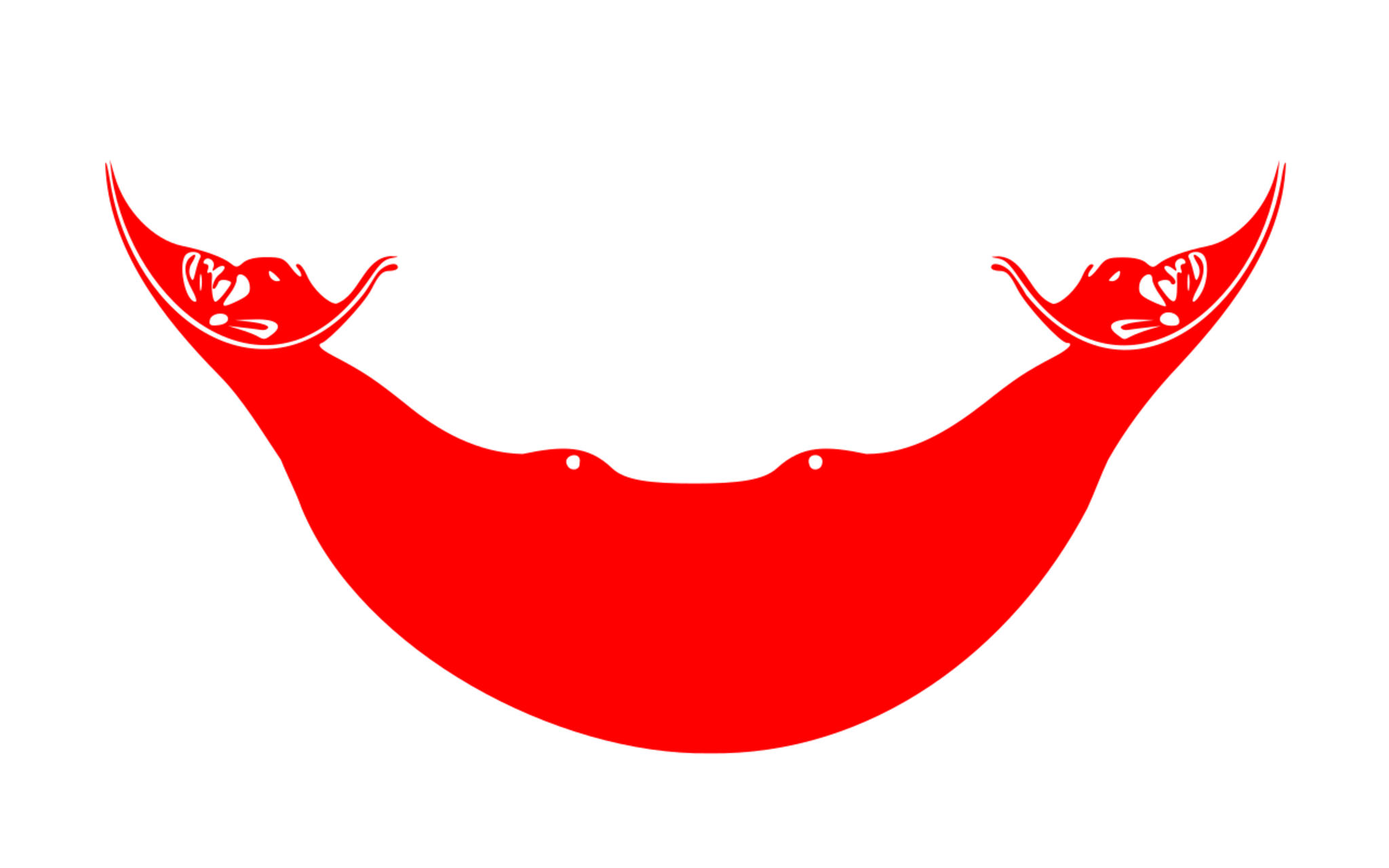
Ocean Conservation: Rapa Nui's Local Marine Council, Koro Nui or Te Vaikava, brings the Pacific's most remote island to the center of the world.

In the heart of the Pacific Ocean, thousands of kilometers from the continental coast, the indigenous community of Easter Island is charting a new course for ocean protection. The Grand Ocean Council, a democratically elected body representing the Rapa Nui people, constitutes the majority of the board of directors of Te Moana Tapu a Hotu Matu'a, one of the largest marine protected areas in the world. In recent months, the Council has obtained observer status from the International Seabed Authority, was named a "Hope Spot Champion" by Mission Blue, and recently participated in the establishment of the Southeast Pacific Marine and Coastal Protected Areas Network (RAMPAS).
The people of the island have thus become a global reference point on ocean conservation – a lesson that intertwines ancestral wisdom, scientific rigor, and indigenous sovereignty.
Koro Nui o Te Vaikava, the Local Marine Council of Rapa Nui
The Rapa Nui Local Marine Council, or Koro Nui or Te Vaikava (the “Great Council of the Ocean”) was founded in 2018 so that the indigenous community of Easter Island could actively participate in the governance of the Rapa Nui seas. Composed of six democratically elected community members, this body is the custodian and messenger of the traditional knowledge of the ocean It has already helped define the integrated management strategy for Rapa Nui's marine protected areas, approved in August 2025, and today – together with the Chilean government – it manages one of the most ambitious marine protection systems in the world.
But the work of Koro Nui or Te Vaikava extends well beyond the waters of Rapa Nui: the Council has in fact played a leading role in promoting the protection of the Salas y Gómez and Nazca ridges, a deep-sea ocean corridor of great ecological importance that runs from Rapa Nui to the coast of Chile, known by the community as Honga'a o te Moana.
Last July 31st, theInternational Seabed Authority (ISA) ha officially recognized by the Council observer status, and shortly before the organization Mission Blue, founded in 2009 by the famous oceanographer Sylvia Earle, named it “Hope Spot Champion”. Te Moana Tapu a Hotu Matu'a, the Sacred Sea of the Rapa Nui people, has in fact been designated as Mission Blue Hope Spot, joining an ever-expanding global network of locations crucial to ocean health. And the Council's role has been far from secondary:
"Rapa Nui is a shining example of what can be achieved when protection is guided by both science and the wisdom of people who have always depended on the sea. Safeguarding this extraordinary region is not only vital for biodiversity, but essential for our shared future."
Earle said.

Unique Ecosystems of the Sacred Sea of Easter Island
The Rapa Nui MPAs cover approximately 729.000 square kilometers, effectively extending across the entire Exclusive Economic Zone of the island. The ecosystems of the Sacred Sea, shaped by the isolation granted by thousands of kilometers away from the coasts of Chile, are extraordinarily intact: they are home to coral reefs, deep-sea hydrothermal vents and underwater mountains, and feature one of the highest levels of marine endemism in the world. Second fairly recent data, the waters of Rapa Nuisono are theexclusive habitat of 142 species unique in the world, 27 of which are at risk of extinction.
Refuge and crossroads of the Pacific, the sea of Rapa Nui cannot escape the increasing anthropogenic pressures: the illegal fishing, the commercial fleets that they drain local fish resources, plastic pollution and thelooming threat of deep sea mining They pose concrete risks to the fragile ecosystems of Te Moana Tapu and Hotu Matu'a. But if the area has been called a "hotspot of hope," it's because this precious stretch of sea can count on the protection of its people: the marine protected areas are jointly managed by a Board of Directors composed of five representatives of the Chilean government and six members of Koro Nui or Te Vaikava.
The Sacred Sea is one of the first marine protected areas in the world to be run by an indigenous majority very combative – who has already made it known that she wants to contribute to the work of the ISA "Strengthening the integration of human rights and indigenous peoples' rights standards into decision-making processes regarding deep-sea mining”. Because for the community of the island of the Moai, daughter of an ecological catastrophe that occurred on the mainland, the ocean is not a resource to be exploited, but family, legacy and identity.

Marine Conservation: Rapa Nui at the Center of the World
At the end of July, Rapa Nui hosted a regional meeting for the articulation of the newly formed Southeast Pacific Marine and Coastal Protected Areas Network (RAMPAS), which unites the countries of the South Pacific Commission (Panama, Colombia, Ecuador, Peru and Chile) and Costa Rica in “a shared vision of the ocean based on regional collaboration”. As he stated Salvador Vega, Secretary General of the CPPS,
“The Rapa Nui experience offers an important lesson for the Southeast Pacific: each MPA has its own sovereignty, ecological characteristics, and management models, but all are regionally connected through migratory species, ocean currents, and shared conservation challenges.”
Ludovic Burns Tuki, coordinator of Koro Nui o Te Vaikava, summarized the relationship between his community and the ocean as follows:
For the Rapa Nui people, the sea is not just a source of food security; the ocean is our ancestor. There is a profound spiritual connection with the sea that goes beyond what is visible. Te Moana Tapu a Hotu Matu'a represents precisely this sacred dimension: the sacred sea from which we come and which we must protect.
A few days ago, moreover, the Ocean Council reached an important agreement collaboration with Island Conservation and Blue Nature Alliance to support the effective long-term management of the island's marine protected areas (MPAs):
"Rapa Nui has demonstrated extraordinary leadership in establishing one of the world's largest marine protected areas and placing indigenous stewardship at the heart of its governance. We are honored to support the democratically elected Rapa Nui Local Marine Council in the next phase of this journey, transforming an ambitious vision into lasting conservation outcomes."
said Laure Katz, Director of the Blue Nature Alliance.
Here are three insights that might interest you:
Marine protected areas discourage illegal fishing: study
Rapa Nui, an open-air laboratory for sustainable innovation
Tohorā Oranga Bill, whale rights in a national law


