SEARCH



Alongside prevention, the city-state is networking healthcare and businesses to facilitate the return to work with personalized programs.
Today, thanks to the evolution of AI and a growing focus on employee well-being, workplace safety increasingly focuses on prevention. In other words, it focuses on anticipating risks through predictive technologies and shared standards, identifying potentially dangerous situations early and reducing the likelihood of them turning into accidents. This fundamental paradigm shift, however, leaves an equally important question unanswered: What happens when the injury has already occurred?
Clinical recovery, in fact, does not necessarily coincide with professional recovery and, for many workers, It is still the return to the company that represents the most complex obstacleFor this reason, supporting those who have already faced illness or an accident on the return to work journey is as essential as ensuring a safe starting point.
Just think that even at SingaporeDespite the relatively low number of serious or fatal workplace accidents, the problem is far from marginal. More specifically, between 2021 and 2025, approximately 3.800 people left their jobs each year due to health conditions, although many could have continued working with adequate support. Hence the Government's decision to strengthen Return-to-Work programs, announced by the Minister of State for Labour Dinesh Vasu Dash, according to which returning to work must become an integral part of the rehabilitation process, through personalized plans developed in collaboration between healthcare professionals and employers.
Why Return-to-Work Becomes a Priority in Aging Societies
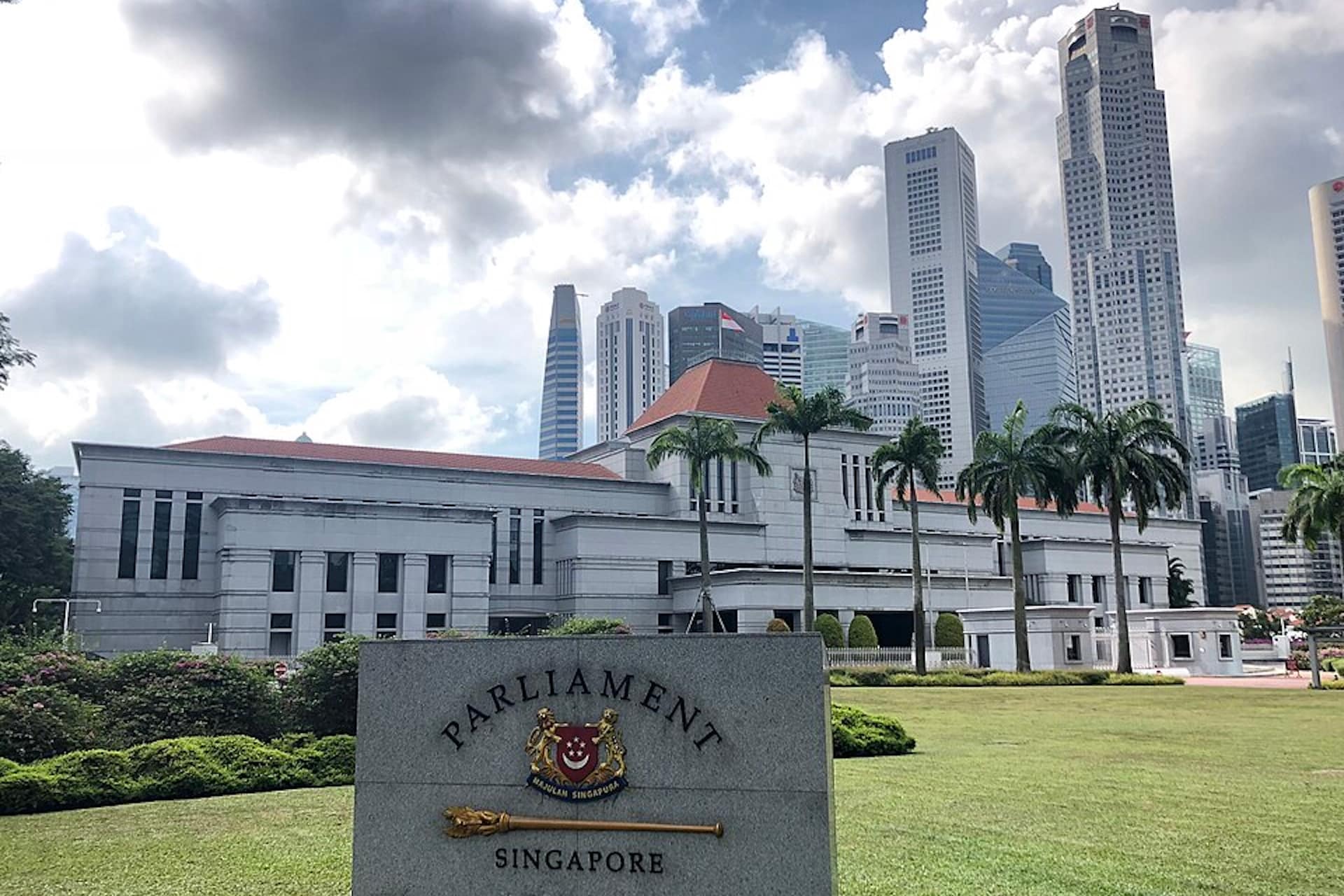
For Minister of State for Labour Dinesh Vasu Dash, strengthening Return-to-Work pathways means rethinking the very concept of occupational health in a society where people live longer and, consequently, we will work longerHe explained this while speaking in Parliament:
“It will be increasingly important to support people throughout their career journey, including the recovery phases following an injury or illness.”
It follows that the return does not necessarily have to coincide with a return to the same job but may involve adjustments to the original role, a move to a different position within the same company, or, when necessary, placement in a new organization or even a new career path.
The issue must be approached from both perspectives: for workers, a well-structured Return-to-Work process reduces the risk of new injuries or relapses, promotes greater psychological preparation for returning to work, and helps ensure income continuity, limiting the risk of an early exit from the labor market. For companies, however, it means preserve qualified human capital, retaining skills and experience that would otherwise be lost, as well as demonstrating a real commitment to the well-being of their employees.
From the first tests in hospitals to a model capable of involving the entire system
It is worth noting that this approach is based on the results of a series of experiments started in recent years. Between 2017 and 2021, for example, the Singapore Ministry of Manpower (MOM), in collaboration with the Workplace Safety and Health Council (WSHC), has launched a pilot project in seven public hospitals to develop Return-to-Work capabilities, which until then had generally been limited to large multinationals with dedicated in-house facilities.
The employees involved therefore followed occupational therapy and rehabilitation programs, supported by specialized coordinators who, in addition to accompanying them on the recovery process, worked with their employers to develop a personalized return plan. The program involved a total of 3.700 workers and recorded a 95 percent reintegration rate.
In the wake of these results, between 2023 and 2025 the Ministry of Health has promoted the Bounce Back Lab, an interagency pilot project implemented in conjunction with Workforce Singapore and public health institutions, aimed at workers recovering from non-work-related health issues and already assessed as fit to return to work. The program again offered participants personalized career coaching and support from medical and community social workers, while also coordinating the work of different professionals through a shared case management platform.
“Job reintegration services are essential to enable workers to return to work in a safe and sustainable way,”
Dash emphasized once again, focusing precisely on the importance of a coordinated effort between healthcare workers, employers and employees.

The most complex phase begins now: transforming changes into a lasting approach
Despite the good results achieved, the Ministry of Labor believes that the Return-to-Work system still has considerable room for development. Among the priorities identified is: greater diffusion of existing programs, so that the triad of healthcare professionals, workers and employers can effectively activate them quickly, promoting early intervention and increasing the chances of successful reintegration.
In parallel, Singapore aims to strengthen the skills of operators Providers of these services are increasingly required to integrate healthcare and employment aspects. This means, for example, becoming more familiar with the specific tasks of different production sectors, assistive technologies, and job redesign tools, to support companies in adapting workstations and work activities. Special attention will also be paid to small and medium-sized businesses, which the Ministry intends to support in adopting flexible organizational solutions to allow for a gradual return of workers.
A very specific plan which also includes the overall review of the Return-to-Work system announced by the Government, which will be accompanied by the launch of theAlliance for Action on Safety and Health for Employment Longevity (AfA-SHEL) in the second half of 2026. The initiative, developed together with the National Trades Union Congress and the Singapore National Employers Federation, will gather proposals from businesses, professionals, healthcare providers, and individuals to transform the most promising solutions into truly applicable models at scale and guide future public policies.
Here are three insights that might interest you:
A day at work with Amazon's first autonomous robot
Are exoskeletons the new frontier of physical work?
A sensor to correct movements and reduce injuries