SEARCH





The very long journey of a Carcharhinus Falciformis in the Pacific Ocean shows the urgency of action to protect international waters
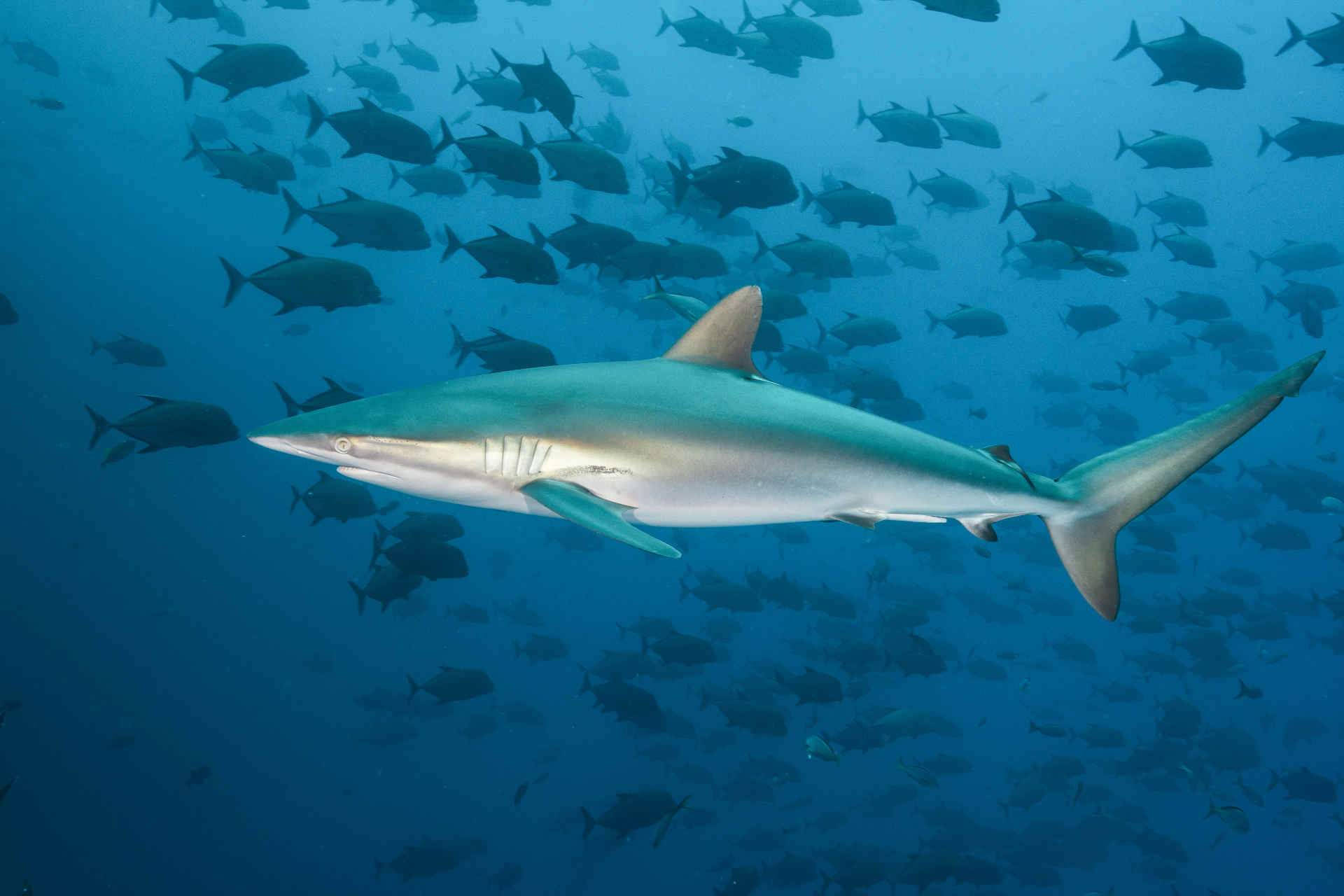
The one just documented by researchers is the longest migration ever recorded for a specimen of the Carcharhinus ffalciformis species, and also one of the longest ever observed in any pelagic shark using satellite telemetry. The specimen of silky shark that has been monitored has traveled over 27.000 kilometers in the waters of the South Pacific, almost always swimming outside Ecuador's exclusive economic zone.
The shark's long journey has revealed crucial insights into the behavior of this little-known and very vulnerable species, but it also serves as a warning: as scientists explain Charles Darwin Foundation, the migration of the shark named “Genie” highlights the urgent need for protect international waters to prevent a further decline in the populations of these animals, seriously threatened by human activities.
Fishing kills more and more sharks: the result of the shocking study
Four countries, one gigantic ocean: the CMAR case
The long migration of a silky shark in the great Pacific Ocean
In a recent study, researchers from the Charles Darwin Foundation, in collaboration with the Guy Harvey Research Institute, the Save Our Seas Foundation Shark Research Center and the Directorate of the Galápagos National Park, documented the largest migration ever recorded for a silky shark.
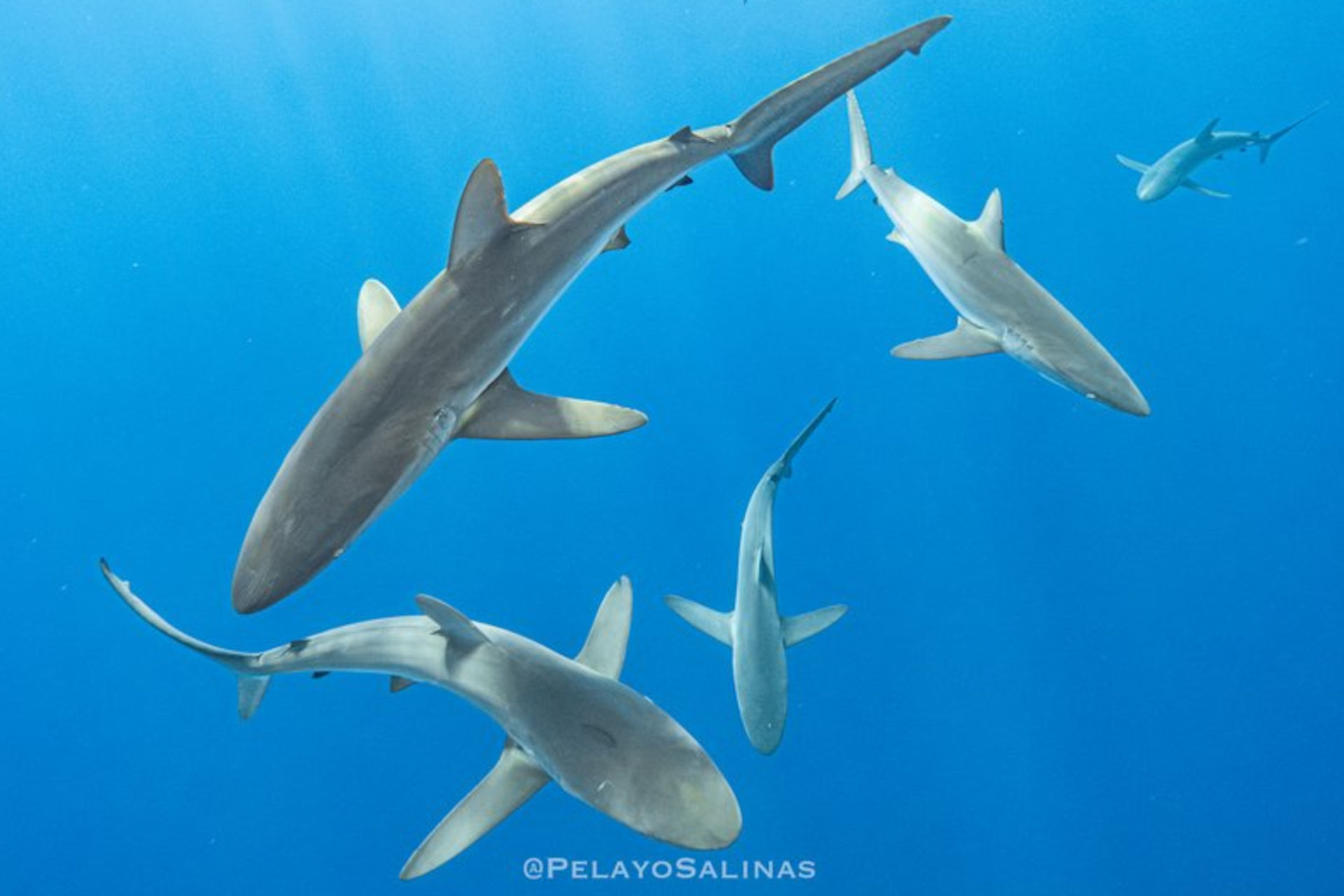
The report just published on “Journal of Fish Biology” followed the very long journey of a small specimen of Carcharhinus Falciformis, an adult female just one and a half meters long, which traveled over 27.000 kilometers in the Pacific Ocean.
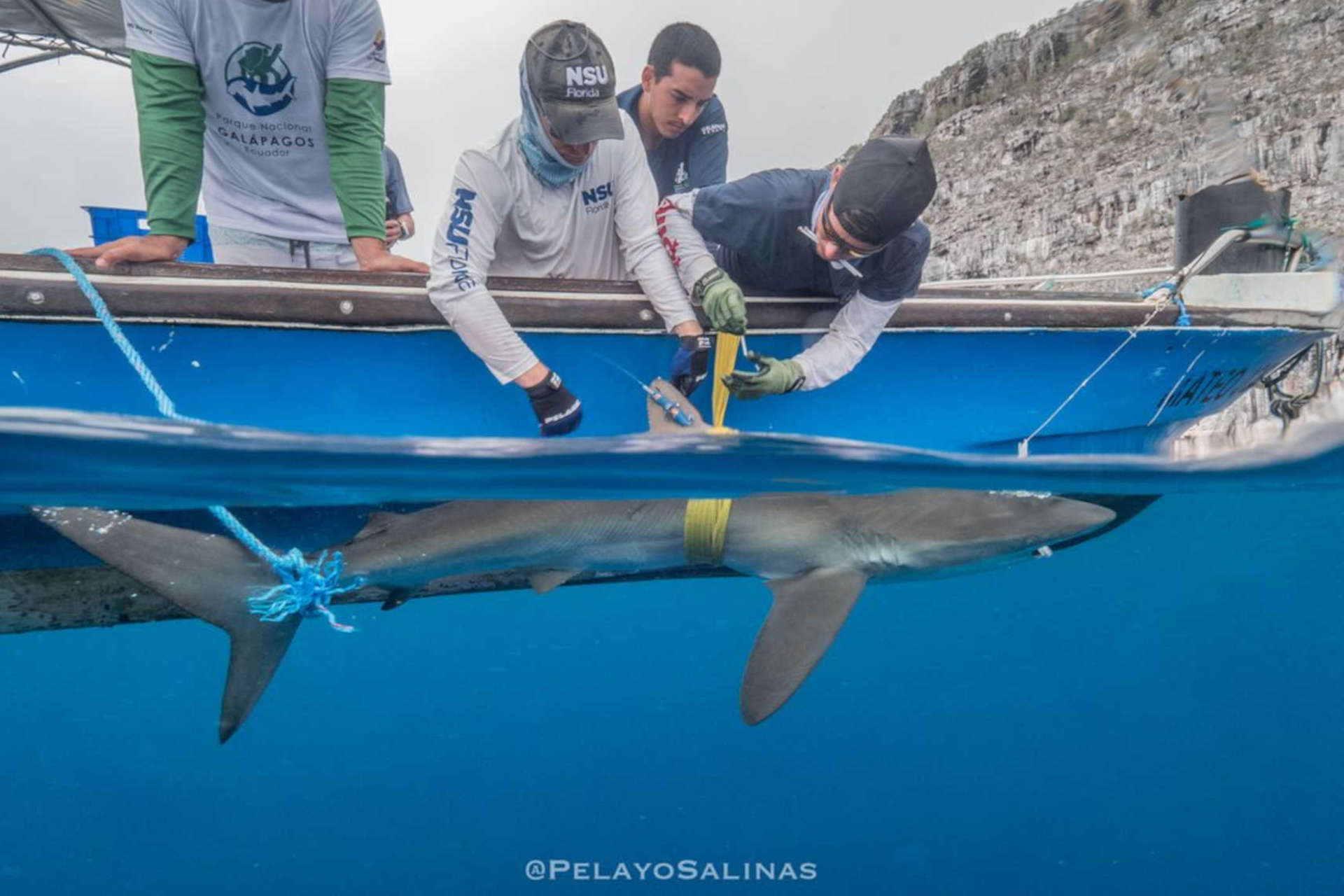
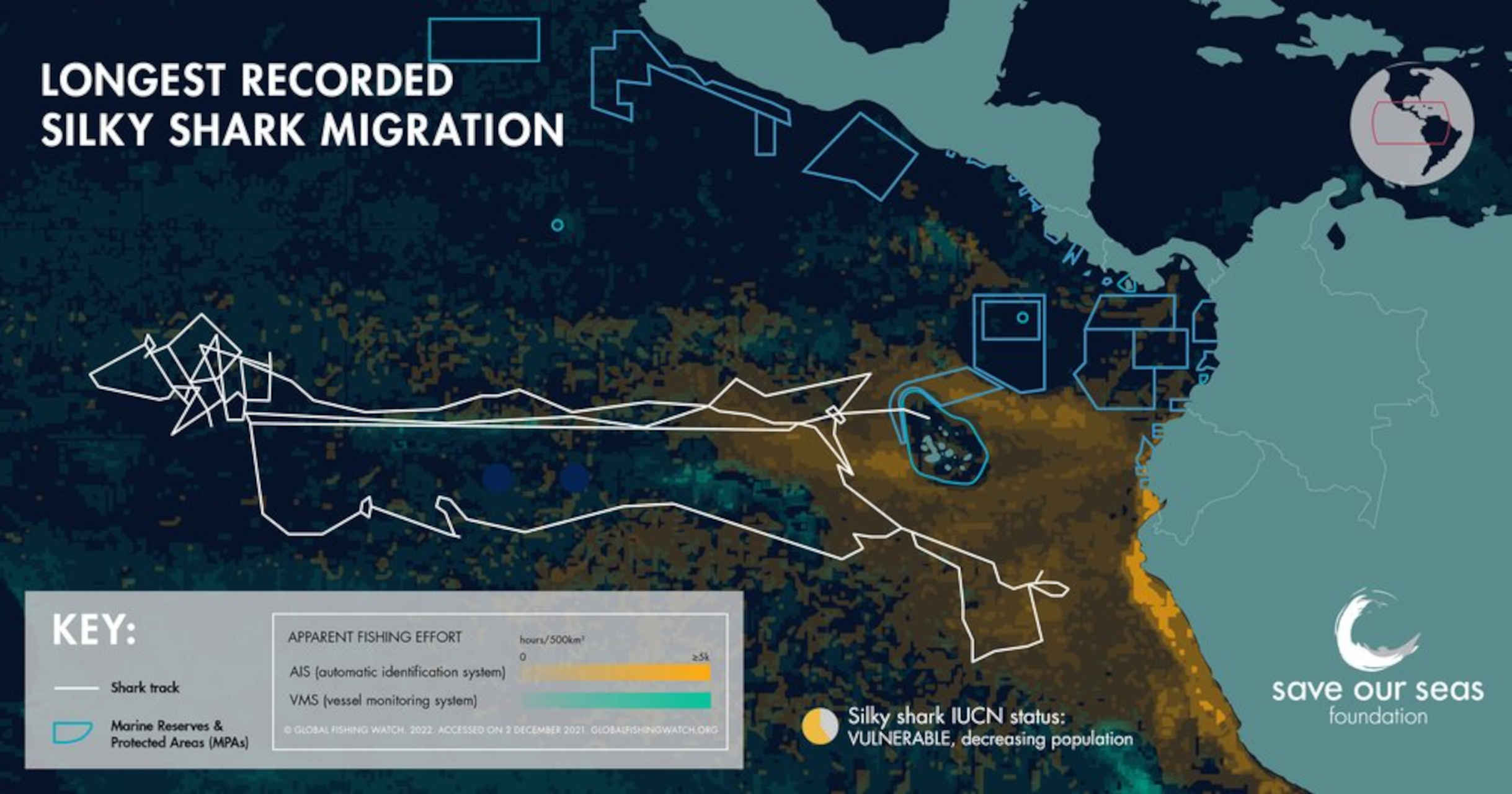
The silky shark, called “Genie” in memory of Dr. Eugenie Clark, was tagged with a satellite transmitter mounted on a fin near Wolf Island, north of the Galápagos Marine Reserve, in July 2021, and soon embarked on a journey the likes of which had never been seen before in this species: 27.666 kilometers in 546 days, about the same as crossing the United States from coast to coast four times.
"Obtaining shark tracks with good location resolution for over a year is difficult at best”, explains the Doctor Mahmood Shivji of the Save Our Seas Foundation Shark Research Center. “In this case we were able to monitor 'Genie' for a year and a half,” adds the study co-author, “revealing repeated and unexpectedly coherent travel paths over enormous distances reaching far offshore, well beyond national management and current marine protected areas".
Does the Marine Sanctuary in the heart of the Pacific threaten fishing?
Expedition to the Galápagos to protect international waters
A very long and dangerous journey all in international waters
During its voyage, “Genie” made two significant migrations westward, towards Hawaii, which extend for 4.755 kilometers within international waters, in areas that scientists define as “areas of high fishing pressure and minimal regulation".
As soon as it was tagged, the silky shark undertook a determined two-month migration westwards, just above the equator: it left on 17 July 2021 from Wolf Island, the shark reached the maximum distance from the starting point on September 13 of the same year. Then, we read in the study, it stayed in that area for a few weeks and, at the end of October, it went south, crossing the equator, to head again towards the Galápagos.
After spending about a month at the easternmost point of its journey, “Genie” reached the southernmost stop on June 1, 2022, and then headed west again. The second seasonal migration followed a similar pattern. The last stop recorded by scientists was on January 14, 2023, when the silky shark was about 535 km southwest of Darwin Island.
The “Genie” migration study broke the i by nearly six times previous movement records, illustrating the shark's extensive use of the open ocean, well beyond national jurisdictions, demonstrating the urgent need to establish regulations to conserve ocean biodiversity beyond the areas of national jurisdiction.
Blue Hole: the drama of wild fishing in the contested sea
UN Ocean Treaty: Chile is the first country to sign
The journey of “Genie” shows the urgency of global protection of the oceans
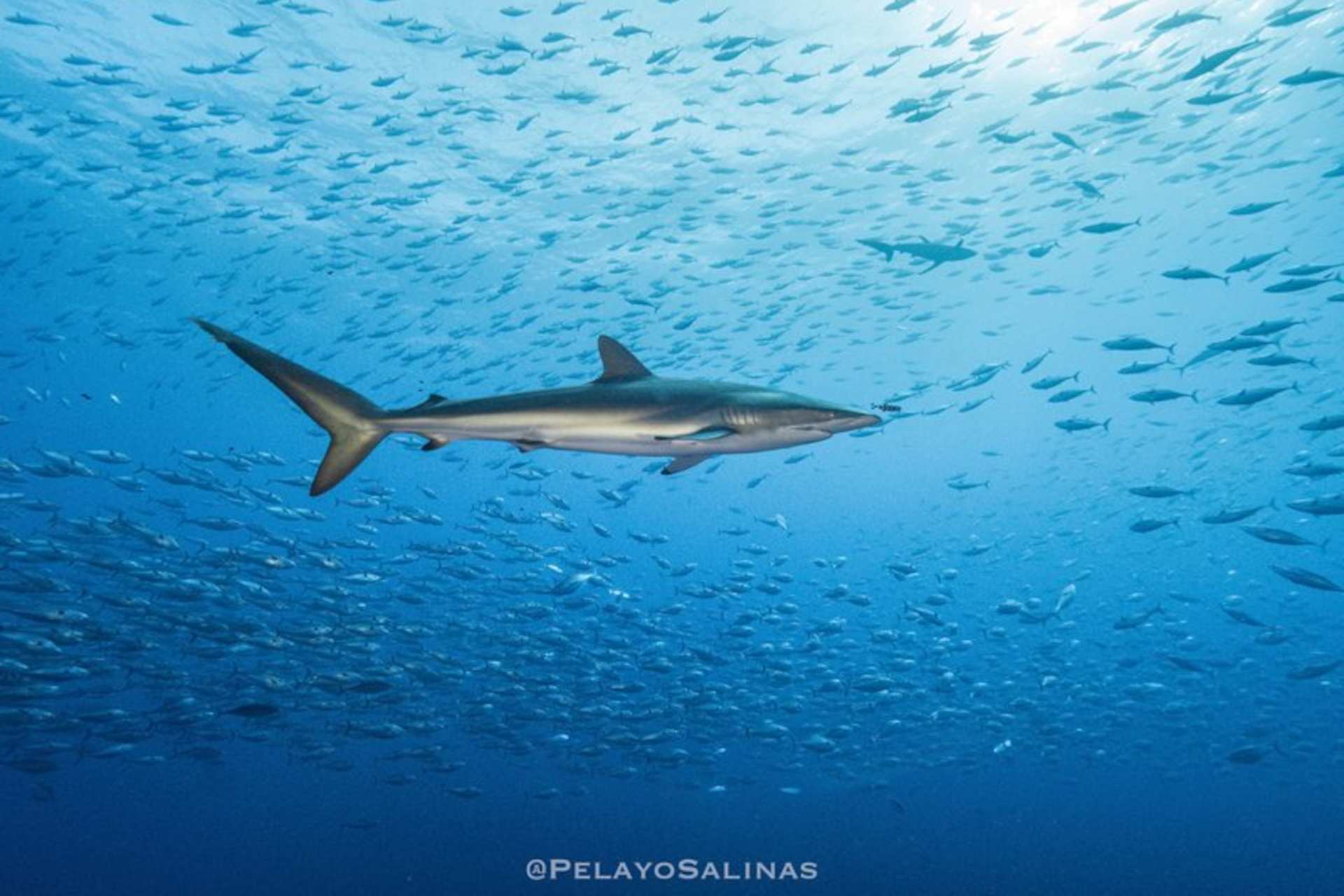
"Sharks have been roaming the world's oceans for hundreds of millions of years, and the boundaries of the map that we humans have drawn up on paper mean nothing to them.”, explains Dr Pelayo Salinas de León, lead author of the study and co-principal investigator of the Shark Ecology Project at the Charles Darwin Foundation.
"Their long migrations cross international waters rich in fish, which exposes them to significant risks”, added Salinas de León, “this highlights the need for a coordinated global response to ensure the survival of this highly threatened group of species".
If there is one surprising fact in this report, it is precisely that concerning the transit of the silky shark in international waters: over 99 percent of monitoring have identified “Genie” far outside the exclusive zone of Ecuador, in areas subjected to intense unregulated fishing activity.
Silky sharks are particularly vulnerable to overfishing due to their slow growth, late maturity andhigh demand in the global shark fin trade. Classified as vulnerable in the IUCN Red List of Threatened Species, are among the most frequently caught sharks in both artisanal and industrial fishing.
The discovery of this very long migration in a threatened species like the silky shark, concludes Doctor Shivji, “is a call to action for all stakeholders in marine conservation and fisheries management to work together to protect these iconic species and the ocean ecosystems in which they live".
Ghost ships: that silent explosion of the Blue Economy
coral reefs: 3D mapping thanks to Artificial Intelligence