SEARCH









Polymetallic Nodules on Pacific Seabed Produce Element O2: Shocking Revelation Raises Further Questions About Deep Sea Mining
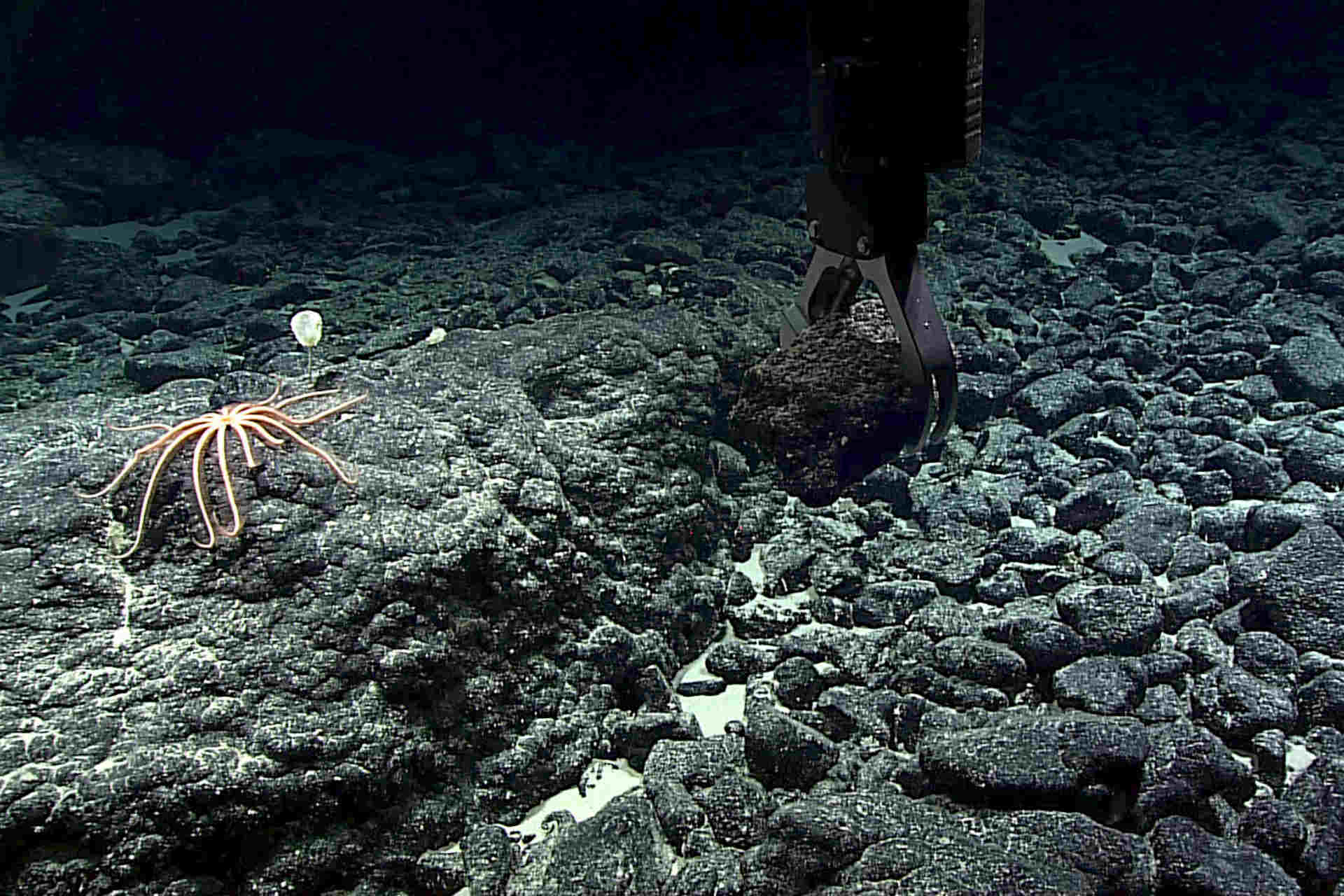
Sui ocean floor a phenomenon occurs which scientists did not believe they could witness: in the complete darkness of the sea depths, at over 4 thousand meters deep, something is producedOxygen.
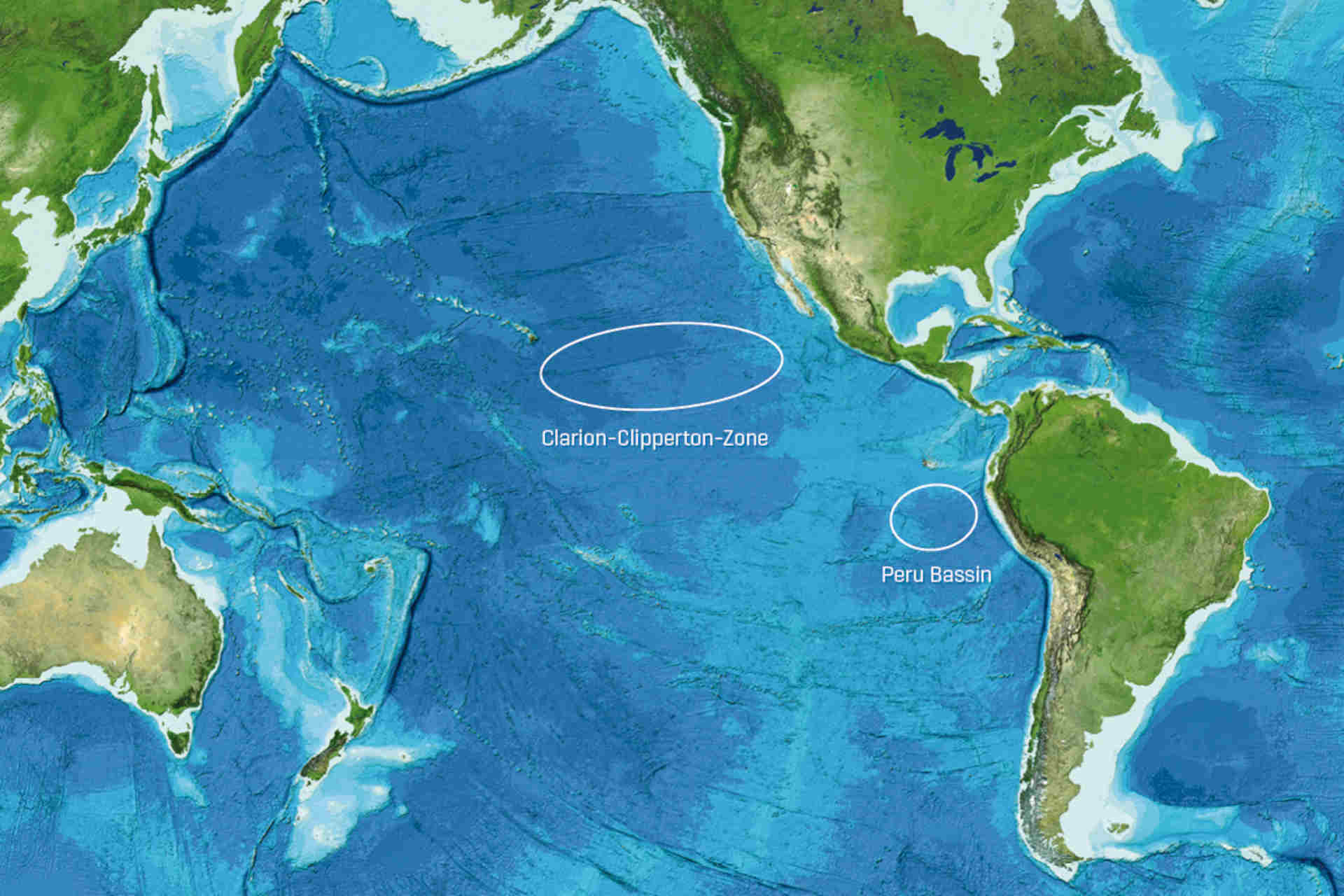
The discovery, which calls into question everything we know about oxygen production andorigin of life on Earth, took place in an area of the Pacific Ocean that received much attention: the Clarion Clipperton Zone, or CCZ, a delicate underwater habitat that has been found to host enormous mineral deposits.
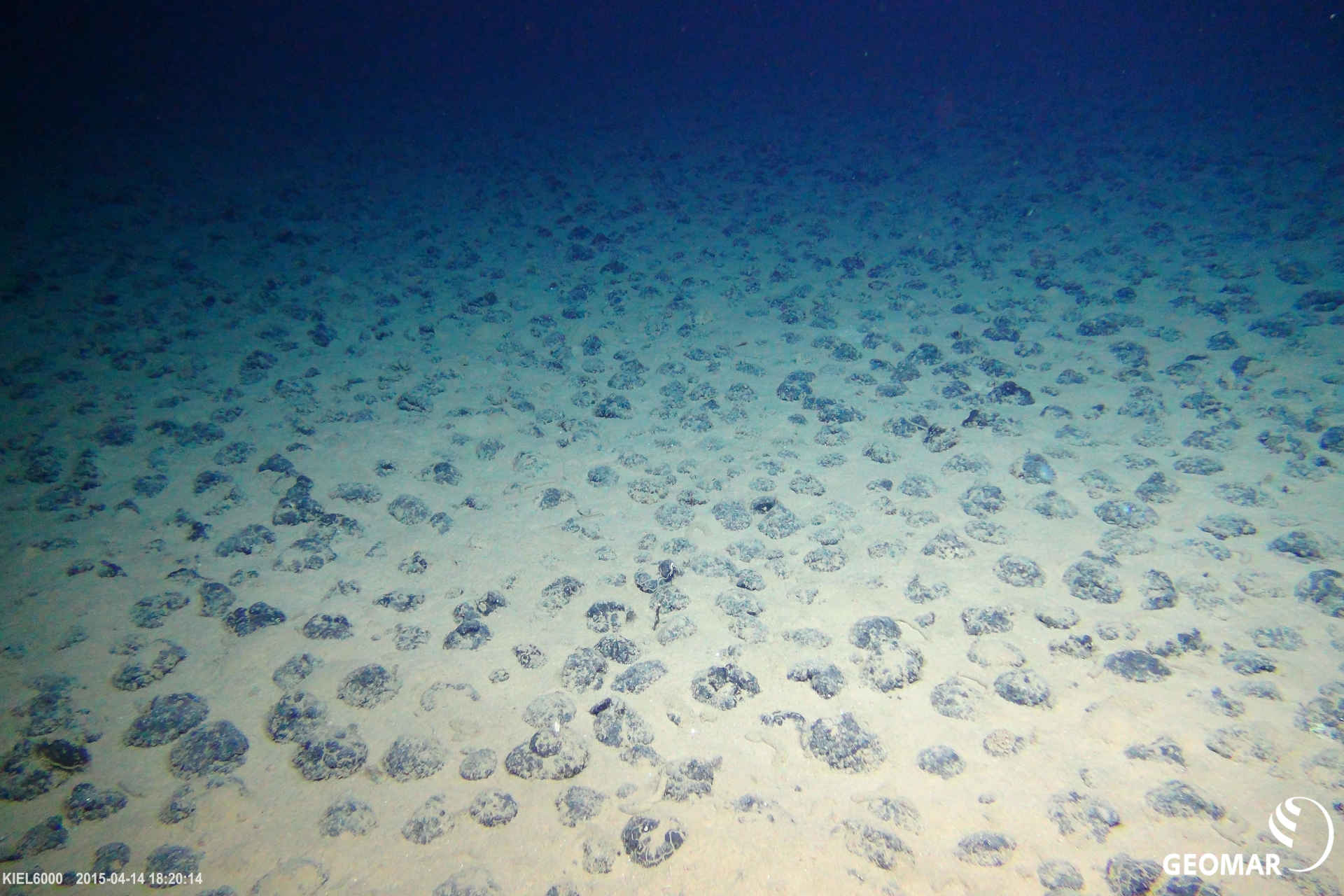
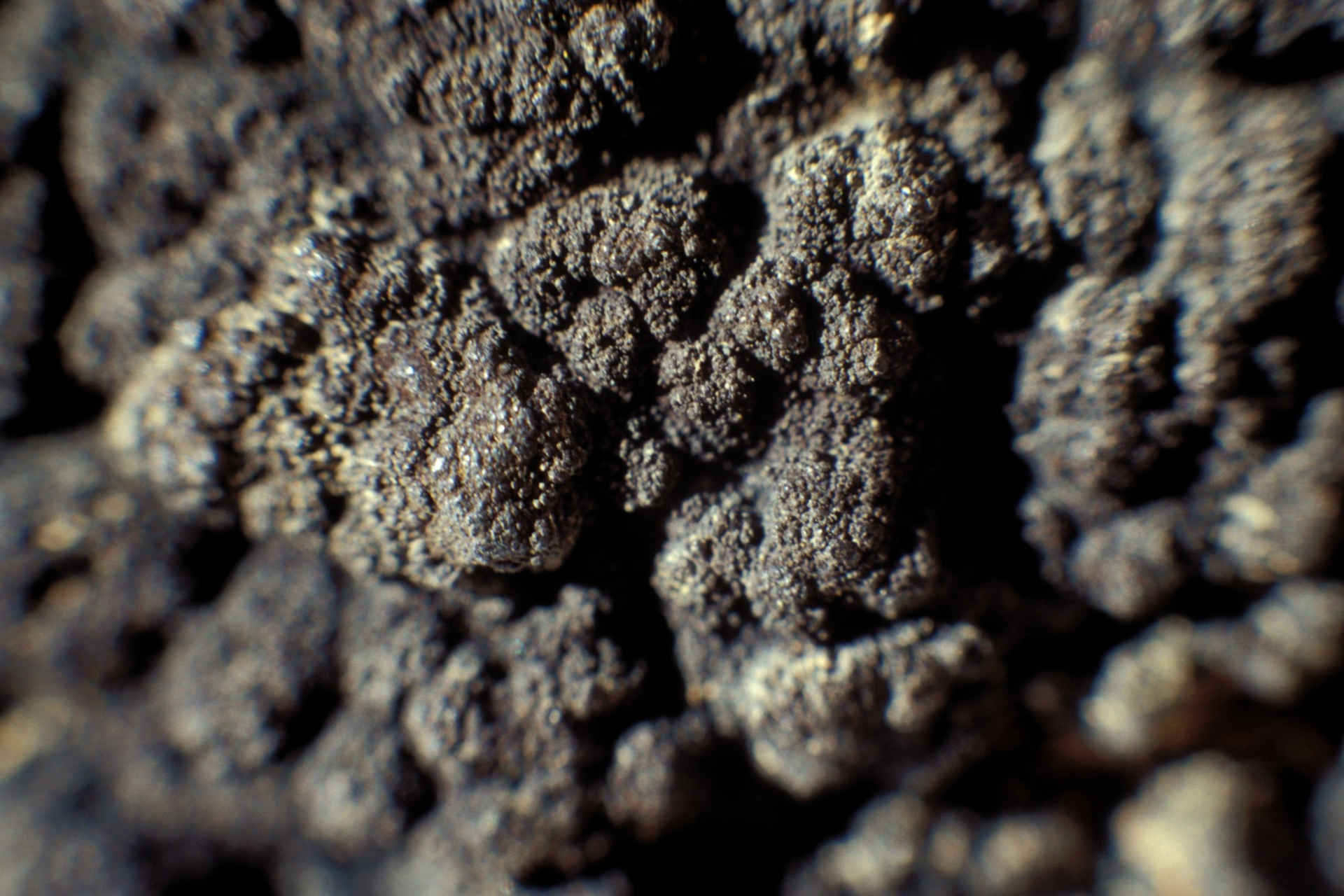
Those are the ones who produce the dark oxygen polymetallic nodules rich in Manganese, Cobalt and Nickel which have become a key objective of the mining industry, which would like to exploit the precious metals contained in the seabed to respond to the growing demand for electronic circuits and batteries.
Does the Marine Sanctuary in the heart of the Pacific threaten fishing?
Thus a marine fungus devours plastic dispersed in the oceans
That oxygen from the dark ocean floor…
Professor's research Andrew Sweetman of the Scottish Association for Marine Science (SAMS) has a long history: in 2013, the seabed expert was measuring the amount of oxygen consumed by organisms on the seabed of the Clarion Clipperton Zone, an area of the Pacific that has gained some notoriety due to its mineral deposits, a key target for those engaged in Deep Sea Mining.
The experiment, approximately 4.000 meters of depth, planned to monitor the lowering of oxygen levels in the water to measure consumption by seabed organisms. Surprisingly, however, the measurements never went as expected: the oxygen levels did not seem to drop at all. In reverse, increased significantly.
"When we first got this data we thought the sensors were faulty, because all studies conducted in the depths of the sea have only detected oxygen consumption and not its production,” explains Sweetman, “we went home and recalibrated the sensors, but over the course of 10 years these strange oxygen data kept appearing".
"We decided to adopt a back-up method that worked differently from the optode sensors we were using and when both methods gave the same result we knew we were faced with something revolutionary and unthinkable”: the production of oxygen can occur even in the total darkness of the seabed.
Deep Sea Mining, the gold rush that threatens whales
Expedition to the Galápagos to protect international waters
Dark Oxygen: going beyond the well-known photosynthesis?
The implications of this discovery appear to call into question everything we have ever known about oxygen production andorigin of life on Earth.
"So that aerobic life could begin on the planet,” explains Sweetman, “there had to be oxygen, and according to our knowledge, the supply of oxygen to Earth began with photosynthetic organisms". "But now we know that oxygen is produced in the deep sea, where there is no light".
It is not yet entirely clear how this dark oxygen is produced. The scientists' hypothesis, we read in the study published a few days ago on "Nature Geoscience”, is that the electrolysis of sea water can contribute to its production.
In experiments, Professor Sweetman and his colleagues found that the polymetallic nodules of the CCZ carry a very high electric charge, which could lead to the splitting of seawater into hydrogen and oxygen (a process, scientists explain, that requires a voltage of just 1,5 Volts, the same as any AA battery).
The team analyzed multiple nodules and recorded readings up to 0,95V on the surface of some of them, which means that they can occur significant tensions when the nodules are grouped. This small current could be enough to profoundly change our way of interpreting the world as we know it: the planet's oxygen is not only produced by photosynthetic organisms illuminated by the sun, but also by those agglomerates of precious metals that lie at the bottom of the ocean and which have attracted the attention of mining companies.
Four countries, one gigantic ocean: the CMAR case
Over 27.000 km: this is the record migration of the silky shark
Clarion Clipperton Zone: nodules and biodiversity
The link between this discovery and the interests of the mining industry for i polymetallic nodules of the CCZ it is not random: the sampling of the seabed in the Clarion-Clipperton area was carried out precisely to evaluate the possible impacts of deep mining, or Deep Sea Mining, which would like to be able to exploit those nodules very rich in metals such as Manganese, Nickel and Cobalt .
In truth, it was the growing interest from industry, particularly since the mid-2010s, to push the scientific community to study such an inaccessible and biodiversity-rich area more closely.
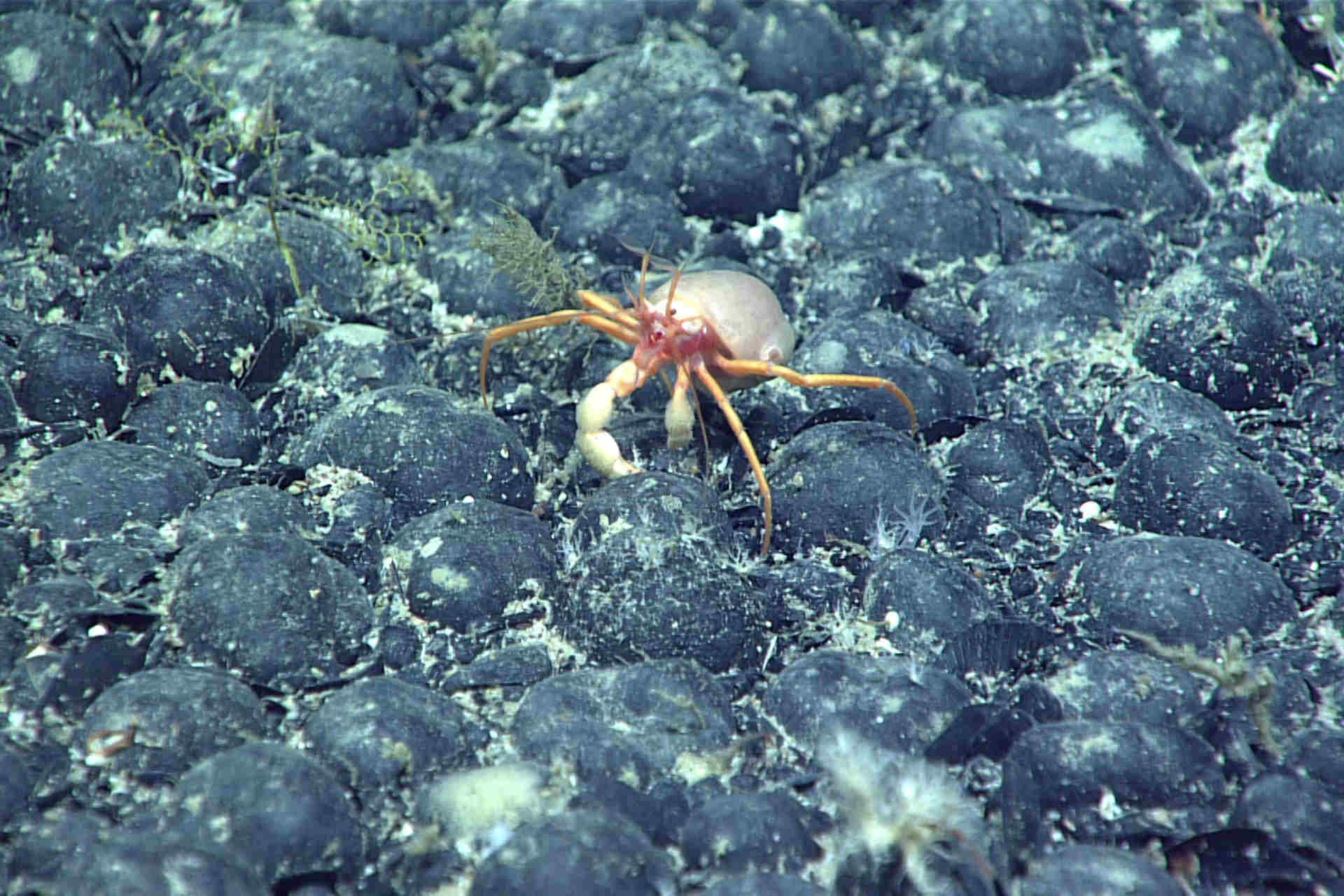
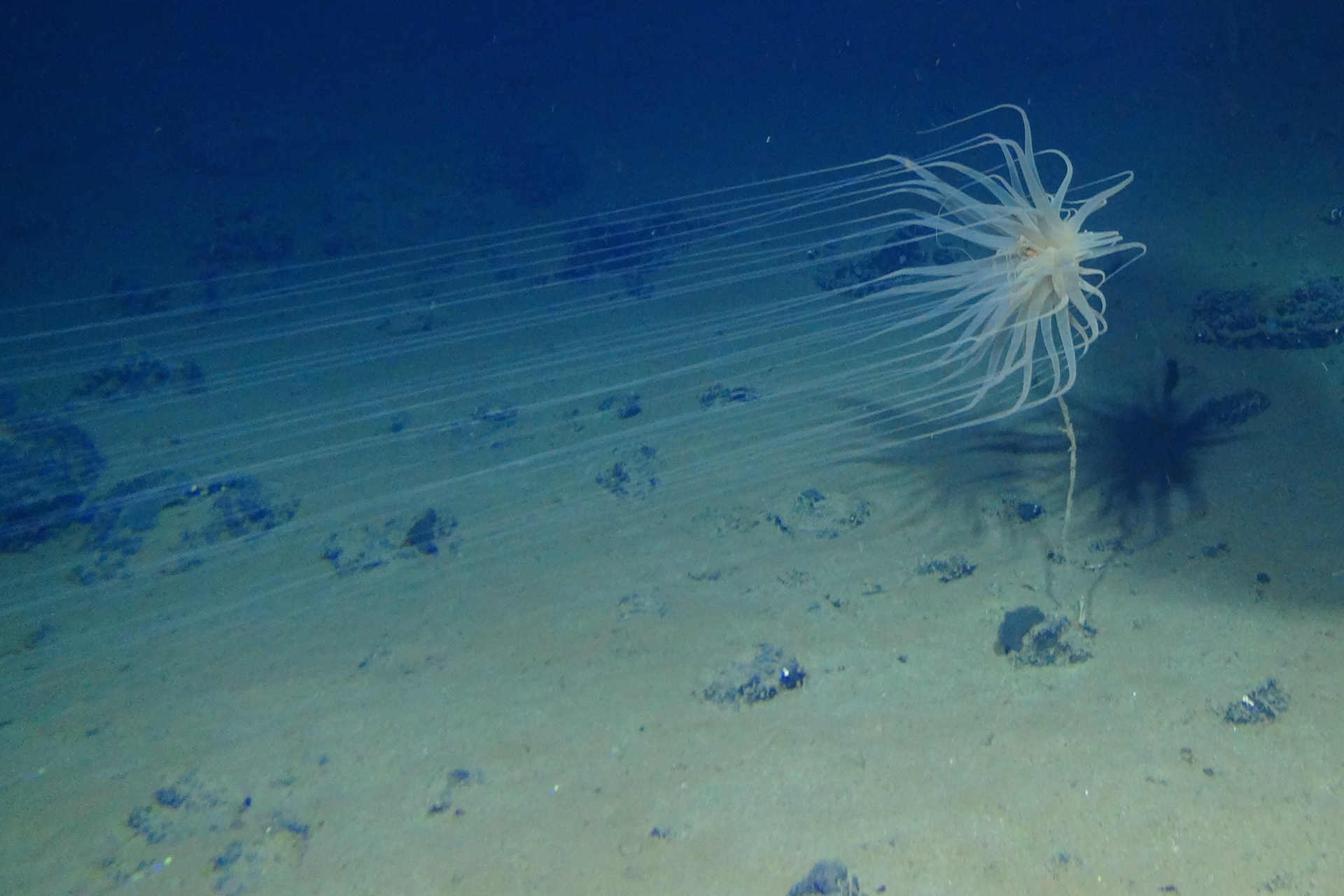
Uno study published mid-2023 claims that 90 percent of the species discovered in the CCZ have never been previously described: let's talk about over 5.100 species out of an estimated total of 6.000-8.000 species, a richness that could directly depend on the presence of these metallic nodules.
Professor Sweetman himself has been involved in the identification of marine protected areas around the Clarion Clipperton area to assess biodiversity in some areas where potential deep-sea mining should be avoided.
The protection of the seas in Greece and the issue of the Hellenic Trench
Video, the unique ecosystem of the Lötschental alpine forest
Polymetallic nodules, Deep Sea Mining and oxygen
Those polymetallic nodules, somehow, they produce dark oxygen: Their usefulness to mankind could go far beyond the production of smartphones and electric cars. According to Andrew Sweetman, that may be necessary review previous ratings in light of the new discovery, since oxygen production had never been taken into consideration.
These nodules are truly “batteries in a rock”, as the main investors in the extractive industry like to say, capable of acting like natural geobatteries: When the Scottish team analyzed these mineral clumps, they found that there was almost a volt on their surface. Now all that remains is to check whether by deactivating their electrical charge the production of dark oxygen will actually stop.
According to Professor Sweetman, they are further research is needed on dark oxygen production during baseline investigations for Deep Sea Mining, as well as an assessment of how sediment smothering during mining may alter the process.
"Thanks to this discovery we have generated many unanswered questions”, stated the scientist, “and I think we have a lot to think about in terms of how to extract these nodules, which are effectively batteries in a rock".
CoTS, the giant starfish that threaten the coral reef
Sustainability of the mining industry: an increasingly urgent challenge