SEARCH


David Janssen's research on the waterways of South Greenland: a tool for the responsible development of an island that is in itself very rich
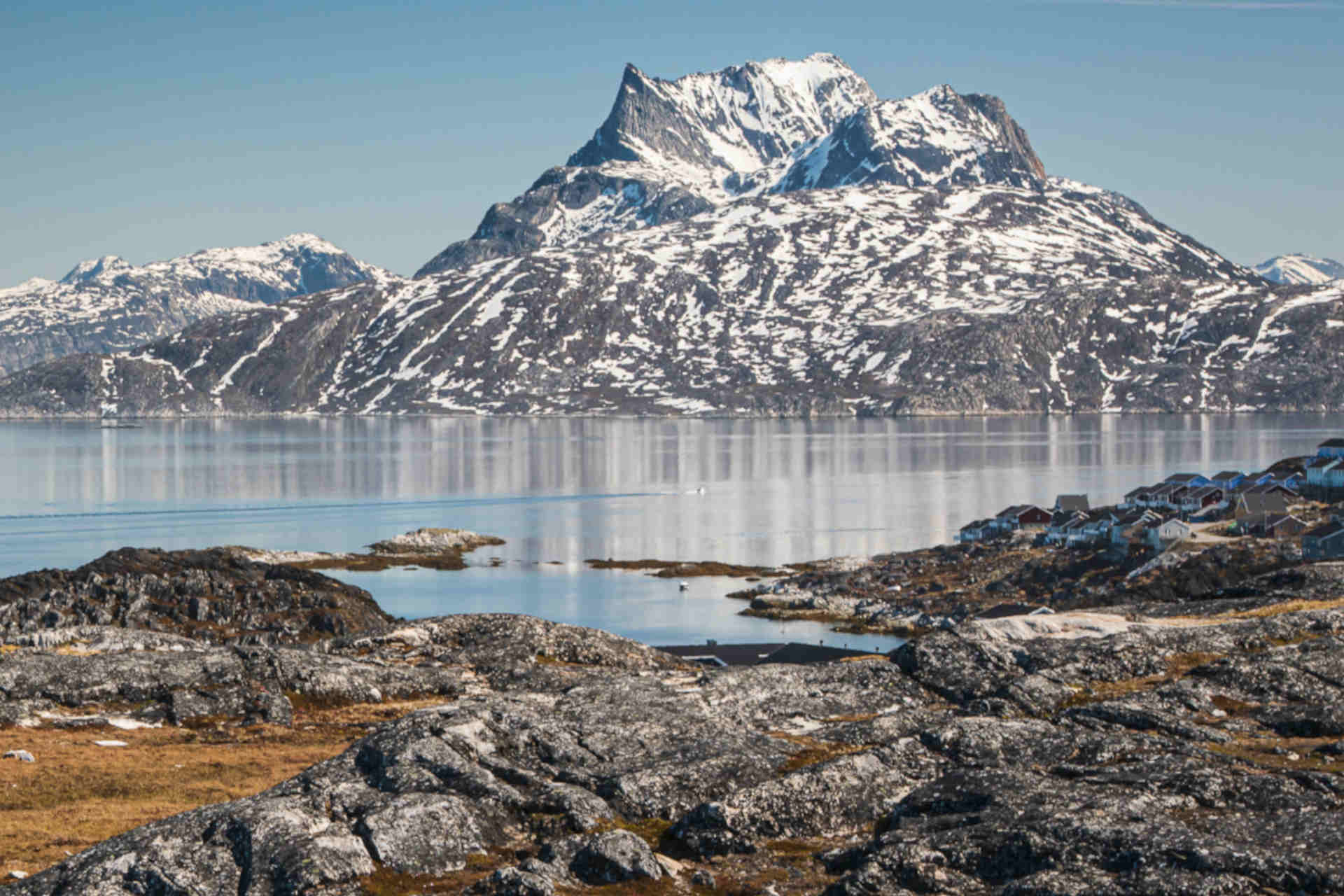
The waters of Greenland they carry very high concentrations of heavy metals, including copper, zinc, platinum, lead and mercury.
Scientists have known this for a long time: the important thing mining activity which affected the island between the end of the 19th century and the beginning of the 20th century, left effects on the territory that are still visible today, decades after the decommissioning of the major extractive industries.
On the other hand, theenormous wealth of the Greenlandic territory in terms of mineral resources, combined with the loss of large ice shelves due to the global warming, risks attracting investments that could give rise to even more intense exploitation of the territory.
Therefore it is crucial to know right away whether the unusual quantities of metals present in the waterways of the largest island in the world are derived from human activities, starting with those linked to the exploitation of mineral resources: the long field research of David janssen, researcher at the Swiss Federal Institute of Aquatic Science and Technology, was created precisely to respond to this need.
GreenFjord, the life of Greenland's glaciers concerns everyone
The presence of heavy metals in the rivers of the Greenlandic island
Shrimp and halibut are still the most important exports for the economy Greenland, but this could soon change: the huge mineral resources stored in the southern coastal strip of the island, increasingly free from ice, are tempting for mining companies, and licenses for the exploration and extraction of metals are on the increase.
Gold, titanium, rare earths and what could be among the largest zinc mines in the world are an asset that already ten years ago had attracted investments from over 40 companies (mostly Canadian and Australian), engaged in resource exploration and development of new mines.
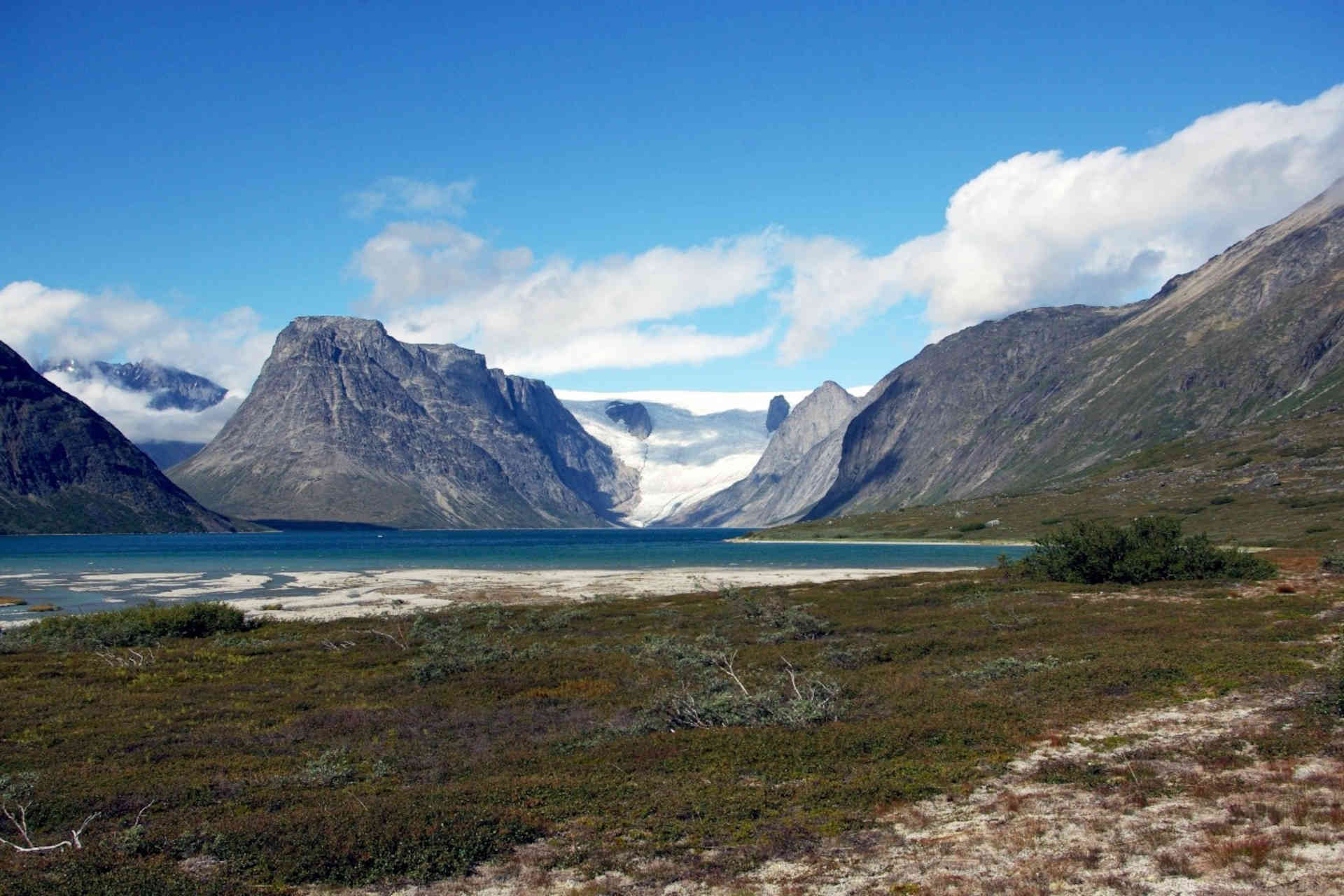
The enormous mineral wealth of the area, which escaped the aims of the extractive industry only thanks to the natural protection of the scenery very complex and expensive to intervene on, is clearly visible by analyzing the waters of Greenland's rivers.
Scientists have known this for a long time: the island's waterways carry unusually high quantities of heavy metals, including copper, zinc, gold, silver, platinum, lead and mercury.
What remains to be understood is whether these high concentrations of metals – from the high value but also potentially very risky for the environment – actually depend on human activities and their secondary effects, first and foremost global warming.
A glacier in Greenland for the Swiss Konrad Steffen
The study of the numerous fjords of southern Greenland
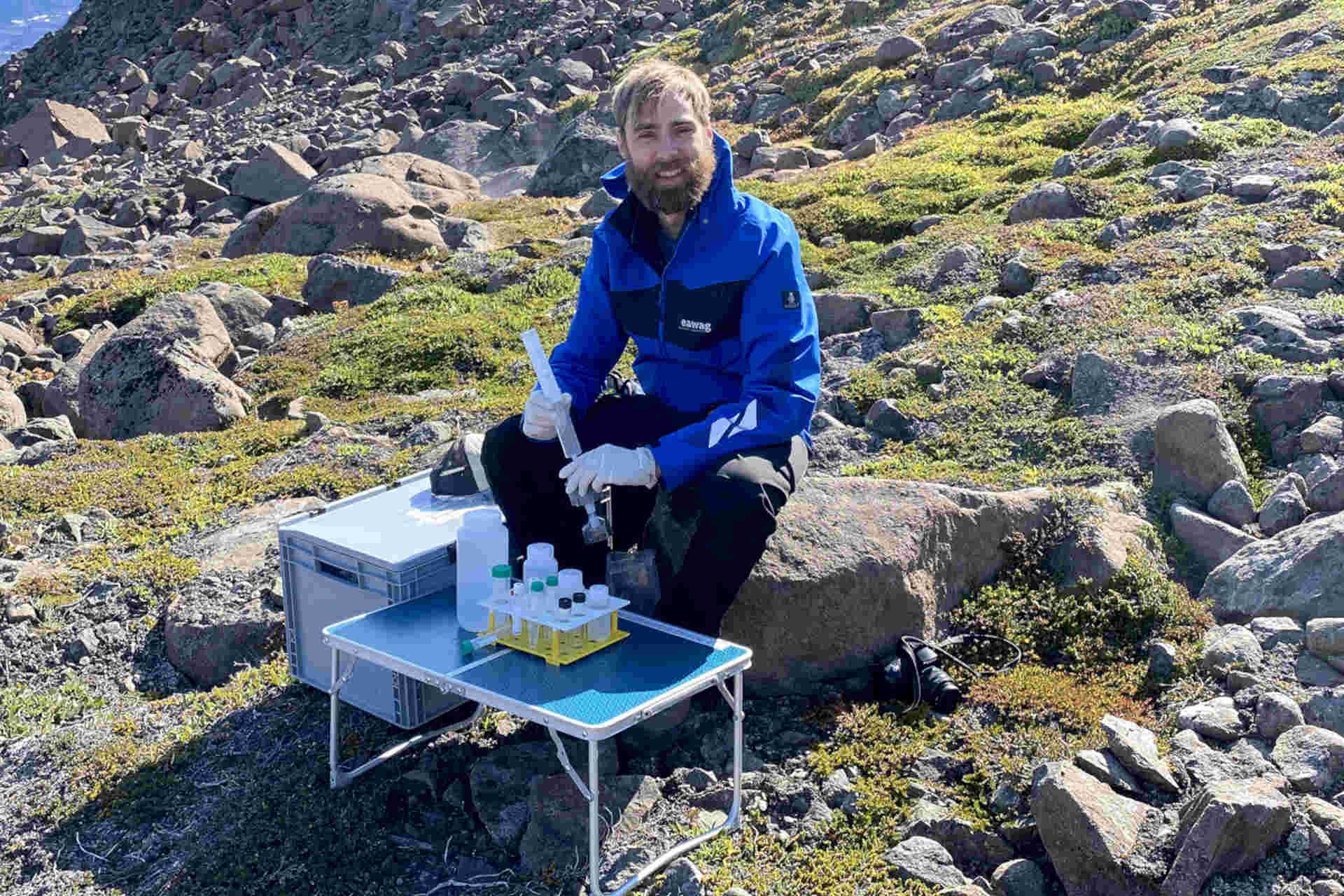
David janssen, head of the aquatic geochemistry research group at the institute EAWA extension, is analyzing how the impact of local human activities influences heavy metal concentrations in Greenland's rivers.
"We want to understand where high concentrations occur in Greenland and whether they are of natural origin or due to human intervention“, explains Janssen, “we would also like to understand how these metals could impact coastal waters, depositing directly in the estuary or ending up being transported to the sea".
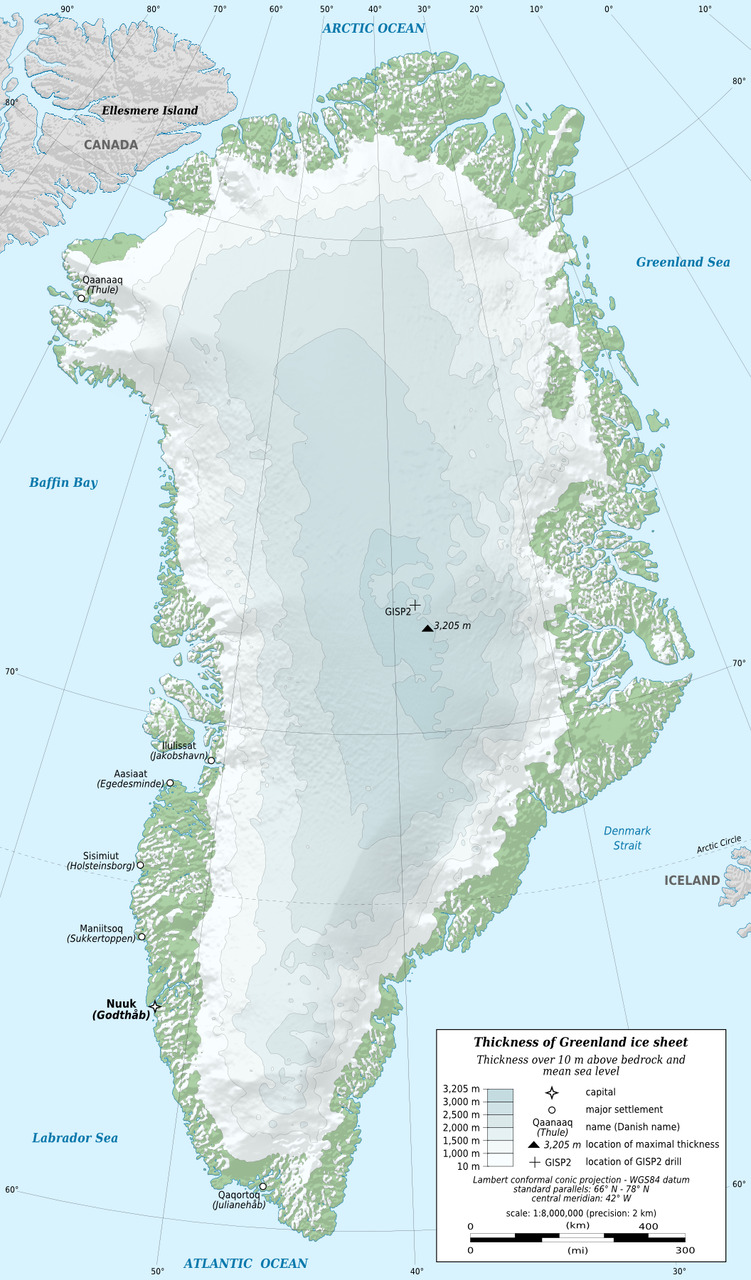
In the summers of 2022 and 2023, thanks to the support of the Swiss Polar Institute and Leister Foundation, the chemist and his team analyzed numerous waterways in southern Greenland.
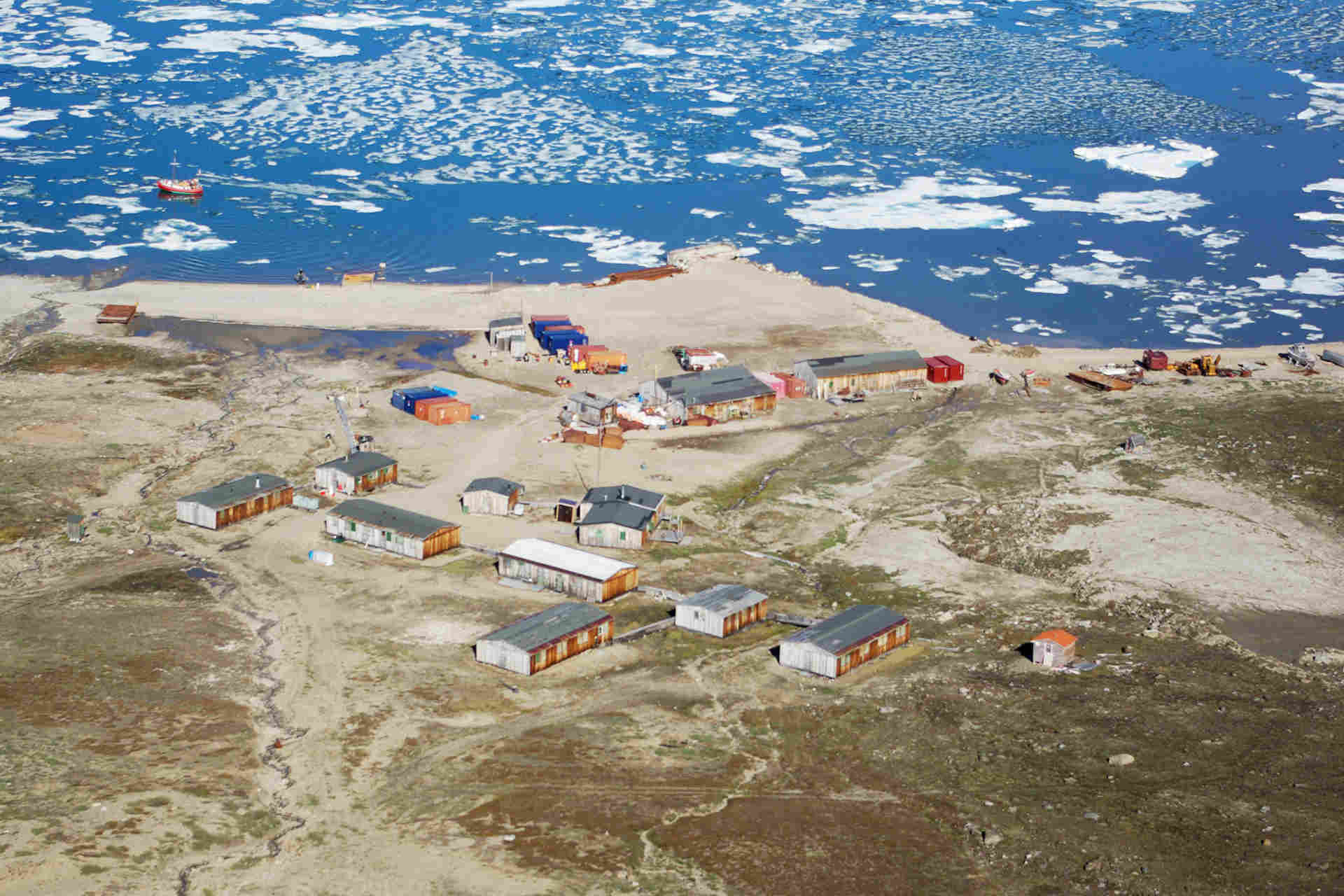
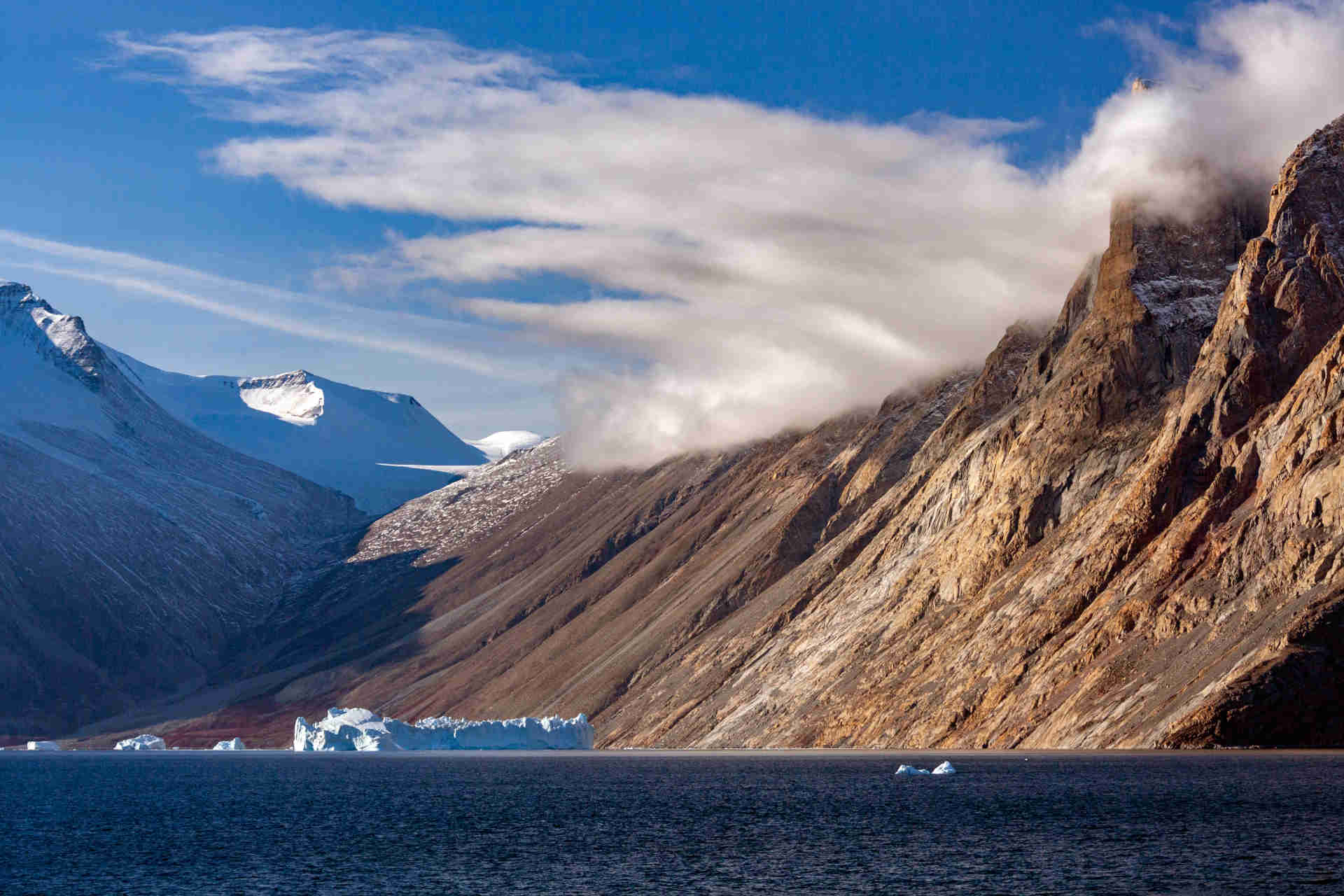
"Each day we loaded our minimal camp gear onto small boats or helicopters and set off for the fjords on the southern and eastern coasts of Greenland“, explains the researcher.
Once collected using a telescopic pole and a 3D printed bottle holder, i samples they were filtered on site (an operation that can take up to 45 minutes) and prepared for laboratory analysis at EAWAG. A mission that required good improvisation skills, explains the scientist in an article on the official blog of the Swiss Polar Institute.
Arctic Ocean to absorb less CO2 than expected
Do heavy metals in waterways result from human activities?
"The motivation for this study", we read in the article published last summer, "came from previous research showing high flows of nutrients and contaminants from the ice sheet to Greenland”, and the presence of contaminating metals resulting from mining operations in the Canadian Arctic and Greenland.
These searches, however, were concentrated in western and northern Greenland, leaving the southernmost part of the island with much lower data coverage. So Janssen's team chose to study the waterways further south.
"Our sampling sites cover a wide range of environments”, explains the scientist, “from tundra to glacier-dominated rivers, and in watersheds with known metal deposits, land transformed by human use (e.g. farms), and sites without such influences".
The mining activity of the beginning of the century in Greenland, dedicated above all to the extraction of copper and cryolite, has left on the territory ahigh contamination localized heavy metals, the impacts of which are perfectly visible even today, decades after the interruption of mining activities.
In view of a rapid expansion of the sector, it is necessary to establish as soon as possible whether this concentration is due to the naturally high levels of metals or to the impact, even indirect, of human activities, such as mining and agriculture.
Fish restocking does not save the biodiversity of Swiss waters
The first results of David Janssen's research on the rivers of the Arctic island
Understanding the origin of these high concentrations of metals is now more important than ever: “The retreat of glaciers and sea ice in Greenland, and the Arctic in general, exposes more metal deposits and makes industrial extraction logistically and economically simpler”, explains the scientist.
Well, the first results of the study seem comforting: the impact of human activities appears negligible. Heavy metals flowing in Greenland's rivers they mostly come from natural sources, i.e. from local rocks, and show rather low concentrations compared to the global average.
Today, David Janssen and his team are analyzing the data in more detail to determine the specific natural factors on which the concentration of metals but also the flows of nutrients towards the seas depend.
"Our positive result and similar findings from other research groups in Greenland can help stakeholders and local people make more informed decisions about where, whether and how to continue environmentally responsible resource development”, concludes the researcher.
Protecting Antarctic waters and the future: Krill research