SEARCH



Crab and sea urchin farming, genetic studies, and thousands of transplanted corals: Puerto Rico's massive coral reef recovery project
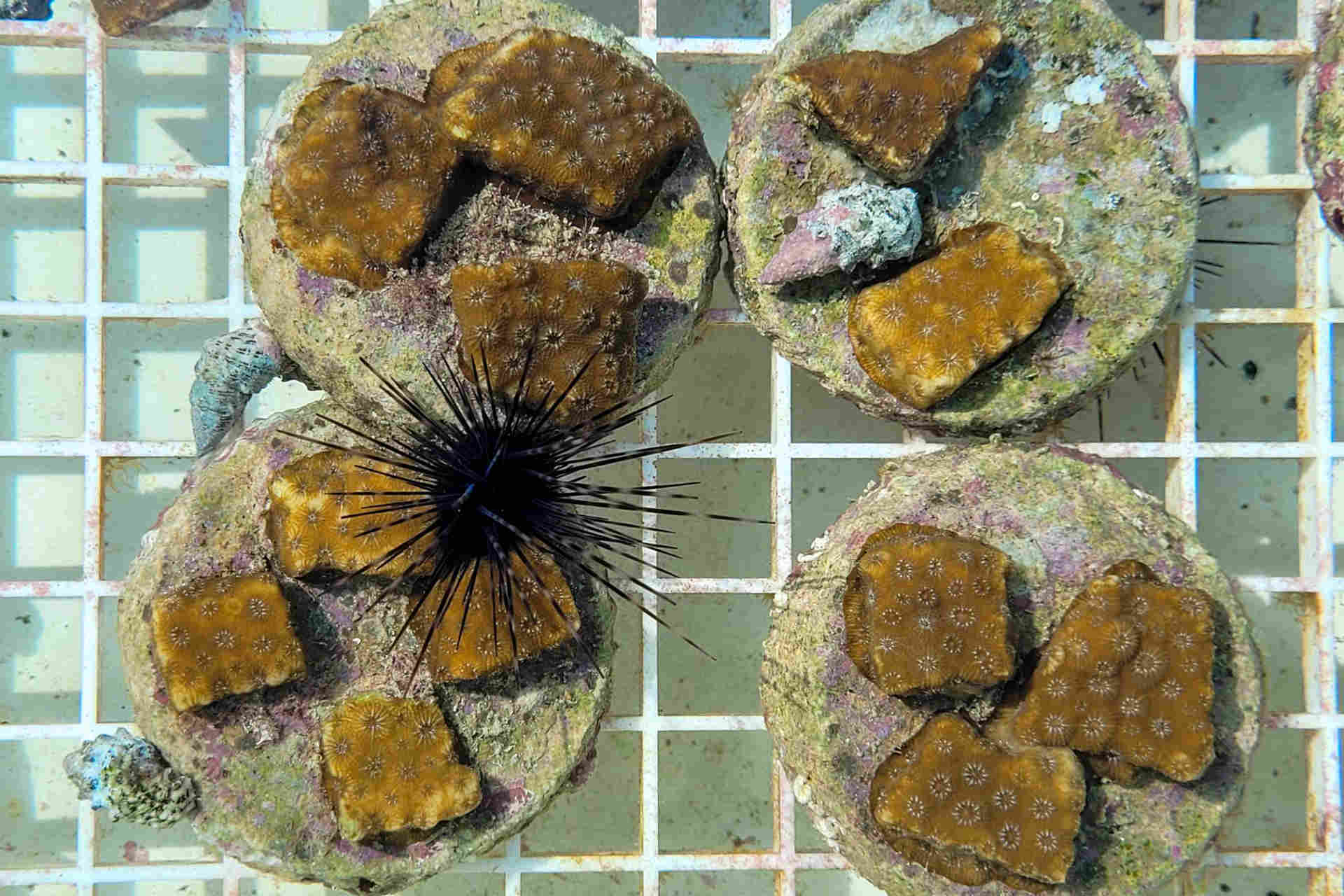
Coral transplants, sea urchins farmed for algae control, recovery of species virtually extinct in the wild: the coral reef restoration Puerto Rico's climate is progressing rapidly, fueled by intense scientific research, which involves the collaboration of the National Oceanic and Atmospheric Administration (NOAA) and local institutions such as the Institute for Socio-Ecological Research (ISER).
The great restoration project, born and evolved over the course of more than a decade of research shared, is a practical example of how an integrated ecosystem-based approach can contribute to the conservation of key habitats such as coral reefs. Last July, for example, a campaign was launched that includes the release of over 3.000 sea urchins and 200 herbivorous crabs, which will have the “task” of eating the algae that suffocate the corals, preventing their access to light and nutrients.
Bleaching events, algae, and disease: The decline of coral in Puerto Rico
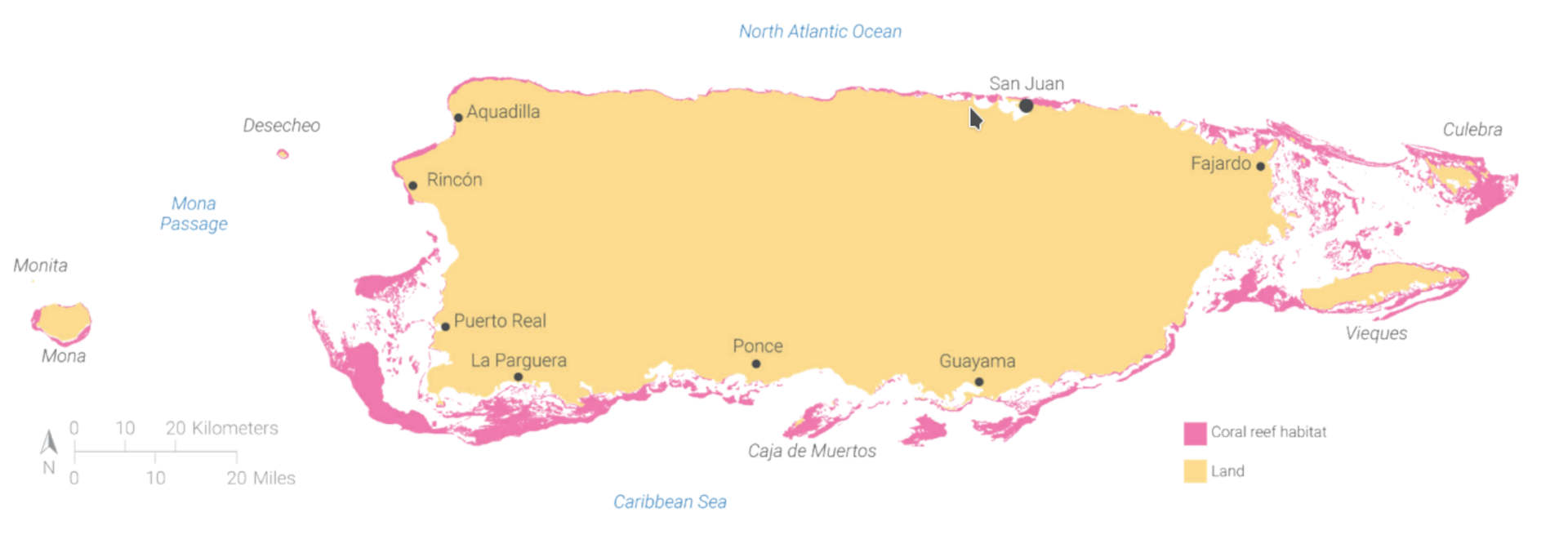
Around the islands of Puerto Rico extend 3.370 km² of coral reefs marginal, those that originate in shallow coastal waters and extend towards the sea. Puerto Rico's coral reefs are home to approximately 65 species of hard corals, some of which are vulnerable, such as Dendrogyra cylindrus e Acropora cervicornis, and 112 species of soft corals and gorgonians.
In addition to being a global biodiversity asset, these coral reefs play a central role in the lives of Puerto Ricans: local communities depend on fishing on the coral reefs, and tourism linked to the underwater beauty generates, according to an estimate by NOAA, almost 2 billion dollars a yearThese fragile marine structures also protect islands from the effects of hurricanes and tropical storms: healthy coral reefs can absorb up to 97% of the energy of incoming waves, thus reducing theimpact of storm surges and floods.
Puerto Rico's corals, however, have been through some difficult years: over the past 30 years, according to NOAA, the corals closest to the coast have been severely damaged. After the great bleaching event of 2005, shallow water corals have undergone the bloom of microalgae very intrusive and have been subjected to tissue-losing disease (SCTLD), which spread rapidly across the Caribbean starting in 2014 and affected corals in Puerto Rico in 2019, causing massive mortality—even among species classified as vulnerable. Then came the new bleaching event of 2023.
Between 1980 and 2006, the water heating, diseases and the proliferation of algae have led to the disappearance of the 97% of corals acropora palmata, now critically endangered, and the loss of much of its coral cover.
The science behind coral reef restoration
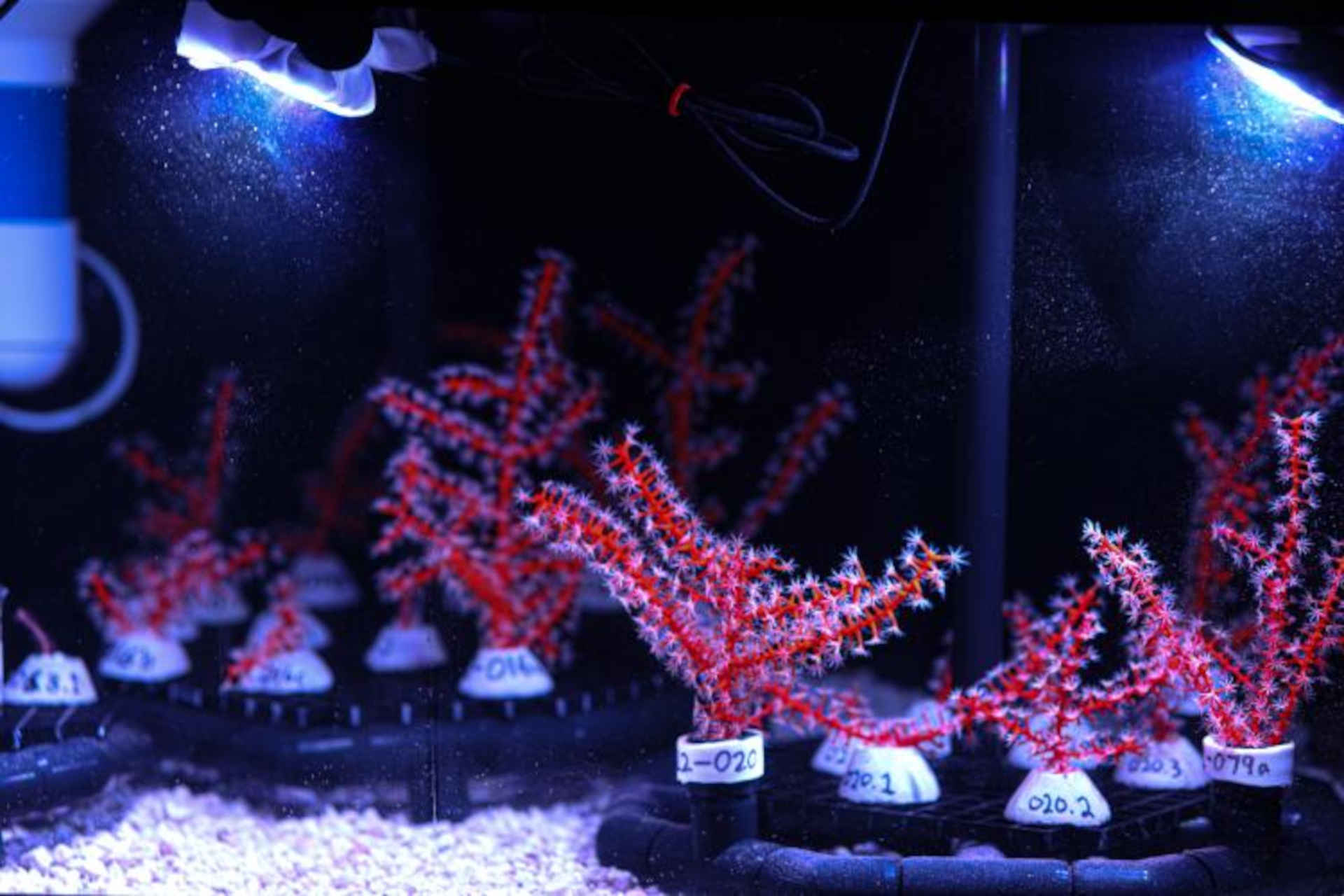
At the end of 2023, NOAA assigned theInstitute for Socio-Ecological Research (ISER) Puerto Rico has pledged over $10 million to protect and restore the coral reefs surrounding the archipelago's islands. The team led by Dr. Stacey Williams, co-founder of ISER, has been working for years on innovative methods to recover coral reefs in the Caribbean.
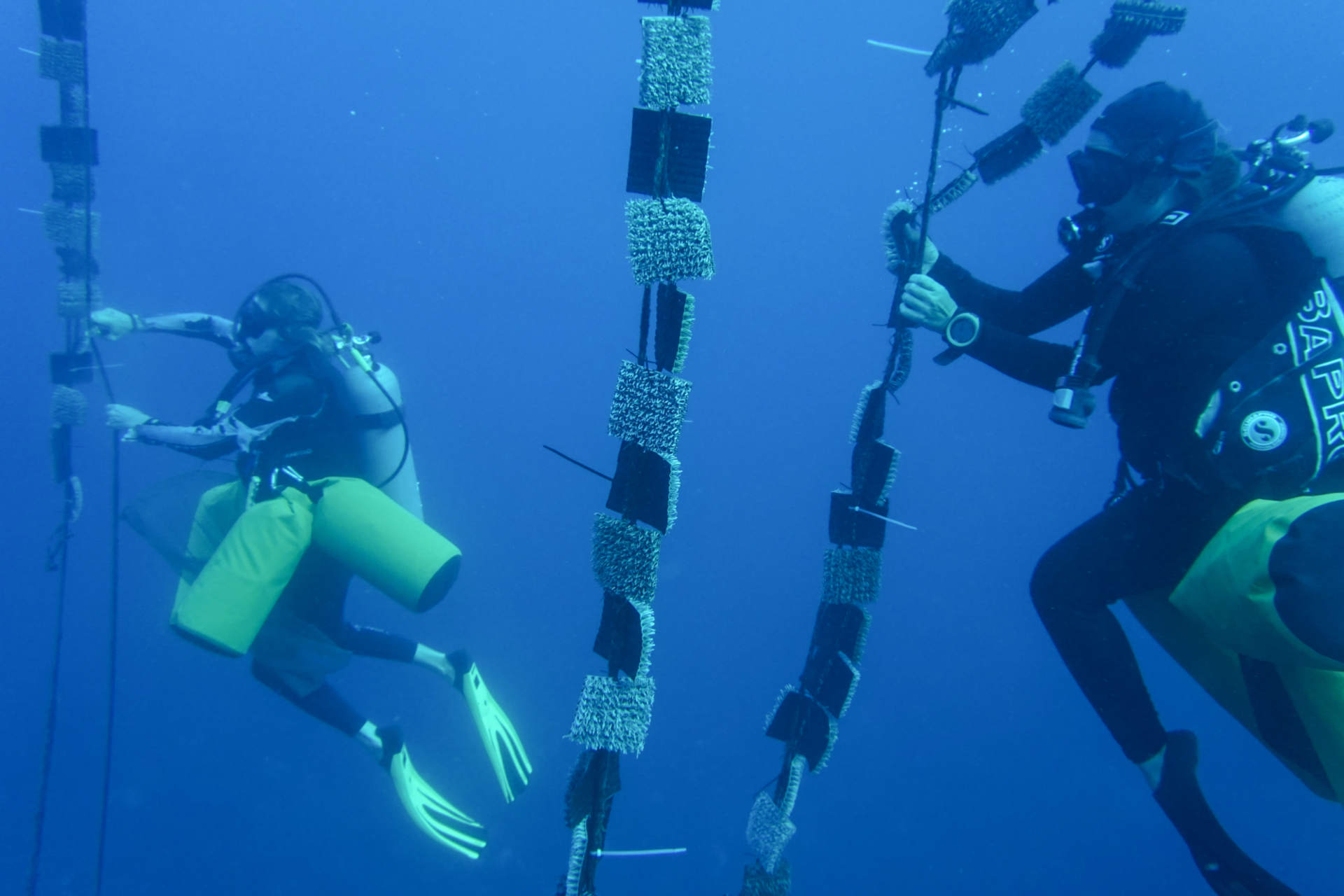
The major funding has allowed research efforts to be translated into large-scale operations: ISER has expanded the ground nurseries of the Center for Research and Restoration of Marine Organisms (CIROM), where corals, algae, sea urchins and herbivorous crabs are grown, and its workforce has grown from 3 to 30 employees, including technicians and scientists, all local.
The major coral reef restoration project launched in late 2023 included the replacement of 124.000 coral microfragments and the release of approximately 12.000 sea urchins and beyond 6.000 crabsThese animals are essential because they feed on the very algae that suffocate corals. But they also create new jobs and expand laboratories and nurseries to raise small herbivores and develop corals more resistant to bleaching and disease.
ISER's commitment to restoring Puerto Rico's corals began long before the last major funding, thanks in part to close collaboration with regional partners such as the Mote Marine Laboratory, one of the few institutions in the world to have a coral gene bank and capable of exploiting the technology of the cryopreservation to protect the future of the reefs.
Coral conservation: a holistic, ecosystem-based approach
Through his doctoral research, Williams discovered how to successfully breed the Antillarum diadem, an herbivorous sea urchin that feeds on algae, solving a problem that had hindered coral restoration for many years. This long-spined sea urchin, once abundant on Caribbean reefs, has undergone a mass die-off in the 1980s, and it still hasn't recovered.
The disappearance of sea urchins has caused algae to proliferate, killing countless young corals. But Williams has found a way to collect very young urchins, just emerging from the larval stage, to raise them on the mainland, safe from predators. As Williams explained,
“With this project, we're taking a holistic, ecosystem-based approach: we're replacing genetically diverse corals, releasing different herbivore species, and varying our approach depending on the different conditions on each reef.”
By the end of 2023, the institute had already released 7.000 adult Diadema specimens onto algae-covered coral reefs. In 2024, the release count reached nearly 10.000, and that of transplanted corals to 40.000. Meanwhile, ISER researchers continue to study ways to improve the survival of transplanted coral microfragments.
But the restoration project is still long: last month the campaign for the recovery of 6.000 square meters of reef began in Tres Palmas marine nature reserve, in Rincón, during which they will be freed 3.200 sea urchins species Echinometra viridis, Tripneustes ventricosus e Antillarum diadem, in addition to 200 herbivorous crabs of the species Maguimithrax spinosissimusAnd there are plans to do the same in Fajardo and La Parguera, on the other end of the island, engaging local communities with public screenings and events dedicated to volunteers who want to actively engage in the restoration of Puerto Rico's coral reef.
Here are three insights that might interest you:
World's Largest Coral Discovered in Solomon Islands
CoTS, the giant starfish that threaten the coral reef
One in three Tuvalu citizens would like a climate visa for Australia.