


 SEARCH





The house becomes our primary refuge and a temple of well-being and regeneration thanks to the mix between the Nordic and Japanese styles
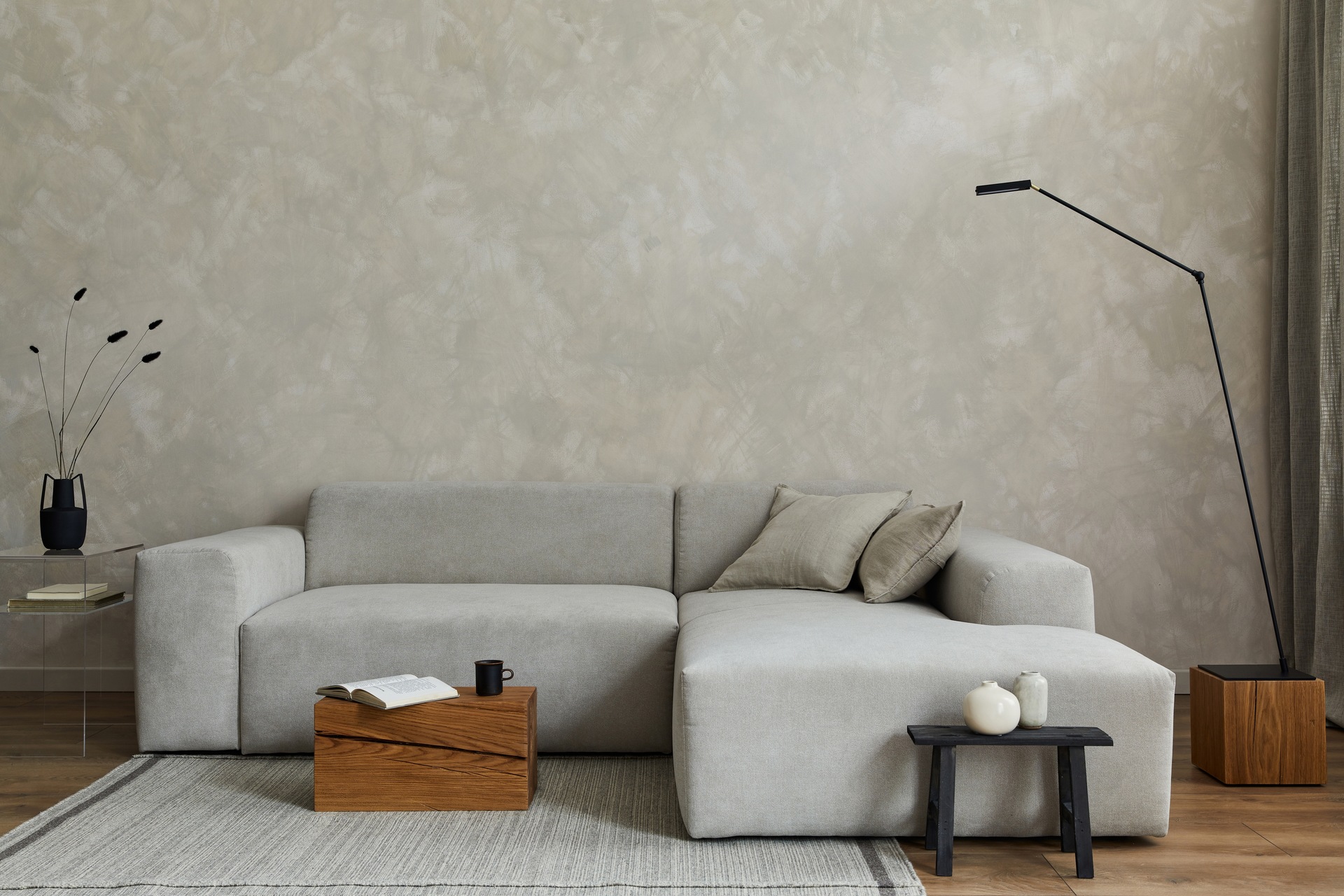
What is the Japandi style, an innovation in interior design increasingly present in our homes as well as deserving of particular attention and reflections in step with the times?
It is an increasingly popular trend that combines the Nordic Scandinavian style with the Japanese one.
Thanks to the return of the home to the center of our lives and the rediscovery of domestic spaces to regenerate and redirect us towards the outside world, the mix of these two styles creates minimalist, elegant, refined and functional environments.
No longer an exasperated and aseptic minimalism, but "warmed up" by natural materials and fabrics, such as linen, jute or rattan and accompanied by neutral nuances, declined in beige, dove gray and gray tones.
Theaters and the artistic world are turning towards more sustainable practices
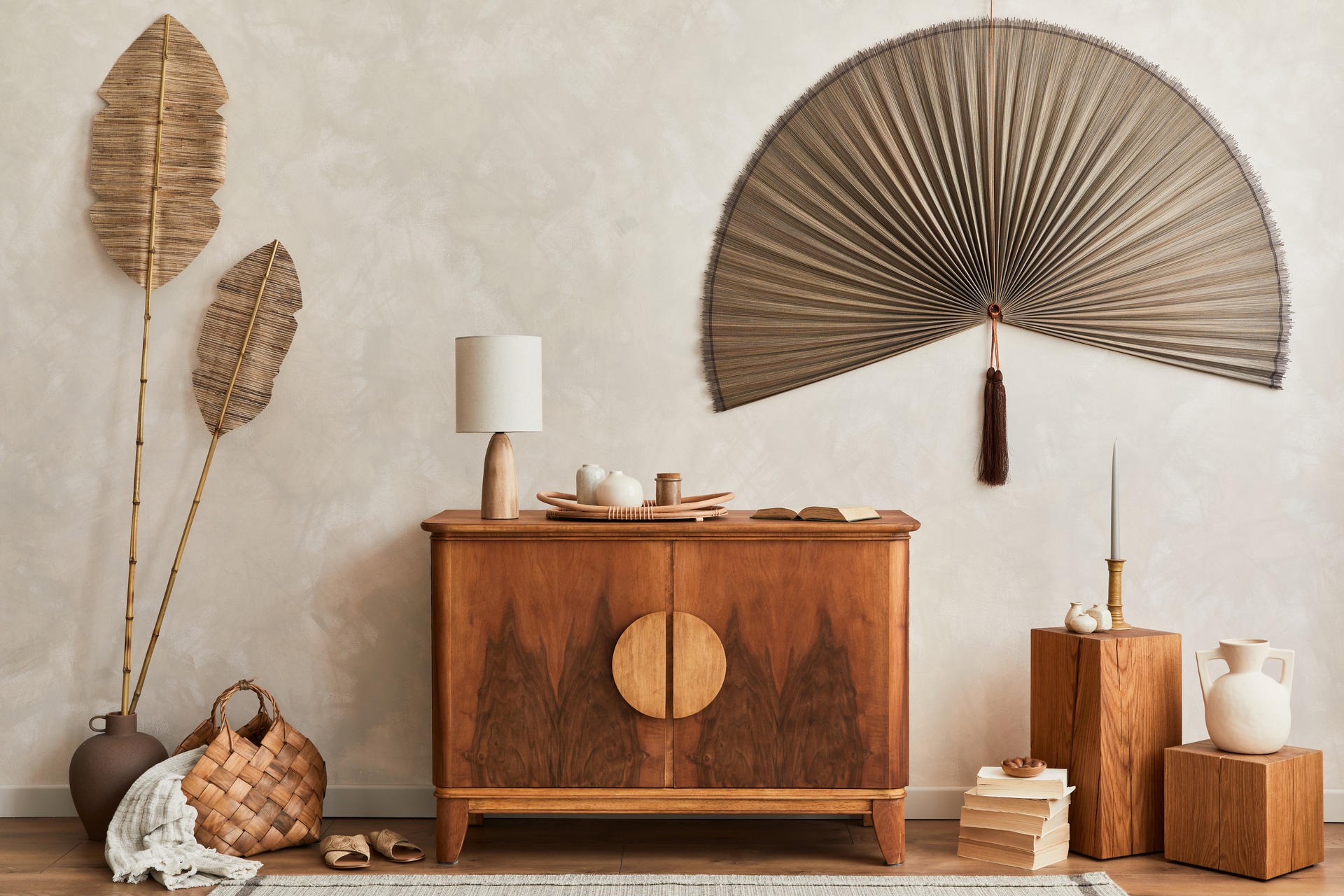
A relaxing and serene atmosphere that shuts out frenzy and stress
All this creates a relaxing and serene atmosphere that shuts out everything that is synonymous with frenzy and stress.
White is often a sophisticated protagonist with opaque finishes combined with elements mainly in light wood, which can be combined with accessories and decorative elements with an "exotic" touch.
Inspired by the Japanese geometric style, the latter takes the form of vases and ceramic objects or large paintings, without ever exceeding.
Textile objects such as cushions and rugs are important to give a touch of relaxation and softness.
Instead, to obtain a contrast, dark elements in anthracite or dark brown tones and metal objects can be chosen, as well as touches of color inspired by nature in shades of green or blue.
Everything is necessarily completed with the inclusion of plants and plant elements in all internal and external environments.

The Japandi style, a portmanteau of the words "Japan" and "Scandinavia", is a form of furniture and interior decoration that comes from a mix of Nordic and Japanese styles: it is inspired in particular by the concepts of hygge, which supports coziness and comfort in the home, and of wabi-sabi, which refers to simplicity and aesthetic sobriety
A minimalist lifestyle, to eliminate the "unnecessary"
Japandi interior design favors functionality.
The furnishing elements are only those necessary, with clean and sober lines and with a limited use of accessories.
For this reason, functionality becomes the primary condition in choosing armchairs, minimalist sofas, kitchen and living furniture in line without the massive use of suspended elements, simple beds and low-height wardrobes.
We hear more and more about the minimalist lifestyle, and I personally believe that this phenomenon has influenced the lives of many people and favored the ever greater growth of this trend in interior design.
All this happens because living in a conscious, thoughtful way as well as selecting what is important and what is not leads to the development of an essential aesthetic, which eliminates the superfluous inside the house, without renouncing beauty.
“House of the Future”: construction in Germany is increasingly green
The Japandi style, a portmanteau of the words "Japan" and "Scandinavia", is a form of furniture and interior decoration that comes from a mix of Nordic and Japanese styles: it is inspired in particular by the concepts of hygge, which supports coziness and comfort in the home, and of wabi-sabi, which refers to simplicity and aesthetic sobriety


A thought on "Japandi-style interiors for an innovative holistic dimension"
Beautiful magazine that speaks in a simple way of very current topics