


 SEARCH


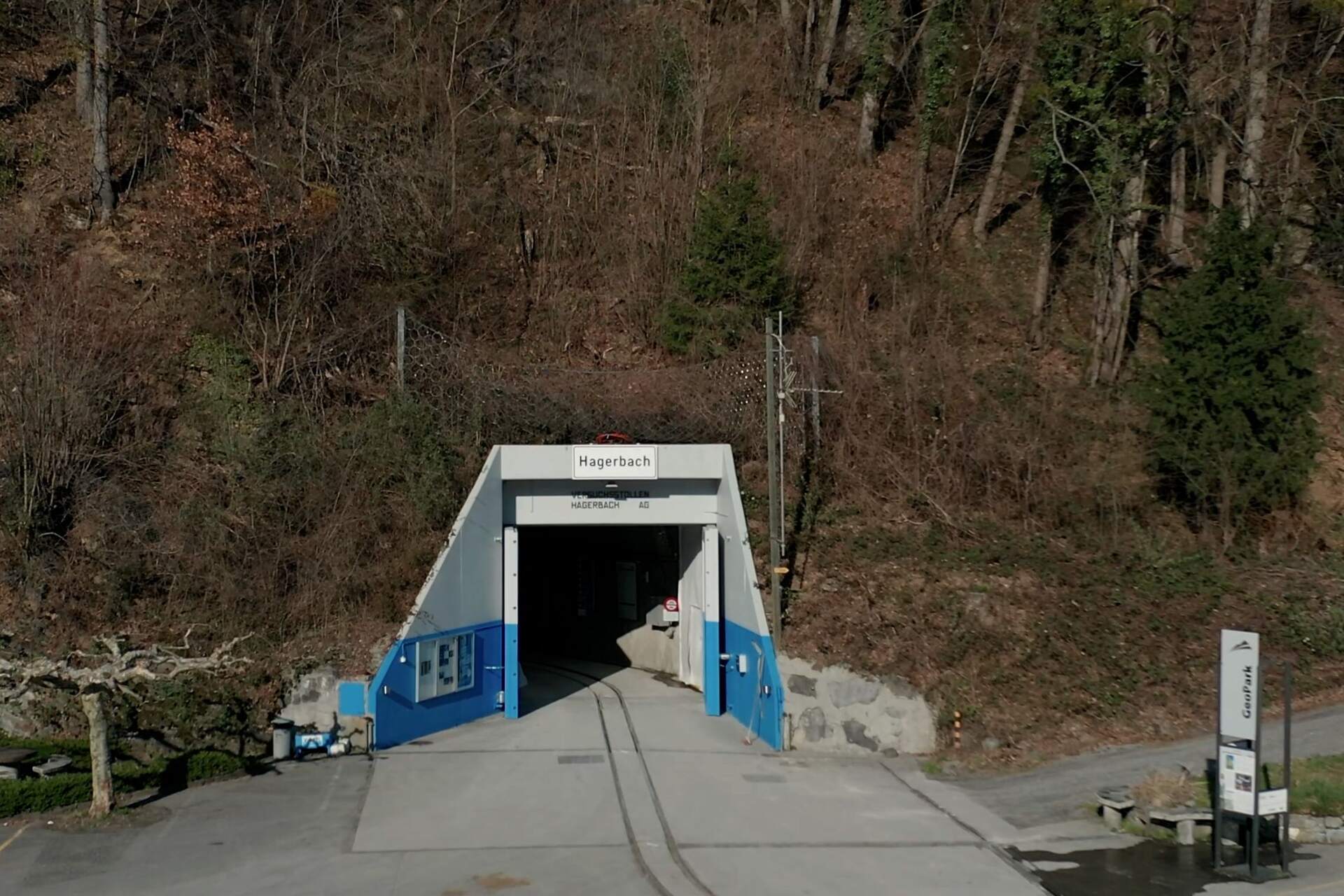
In Switzerland, the VSH tunnel in the Canton of St. Gallen is becoming a national infrastructure for research into energy, smart cities, and future materials.
(Photo: VersuchsStollen Hagerbach)
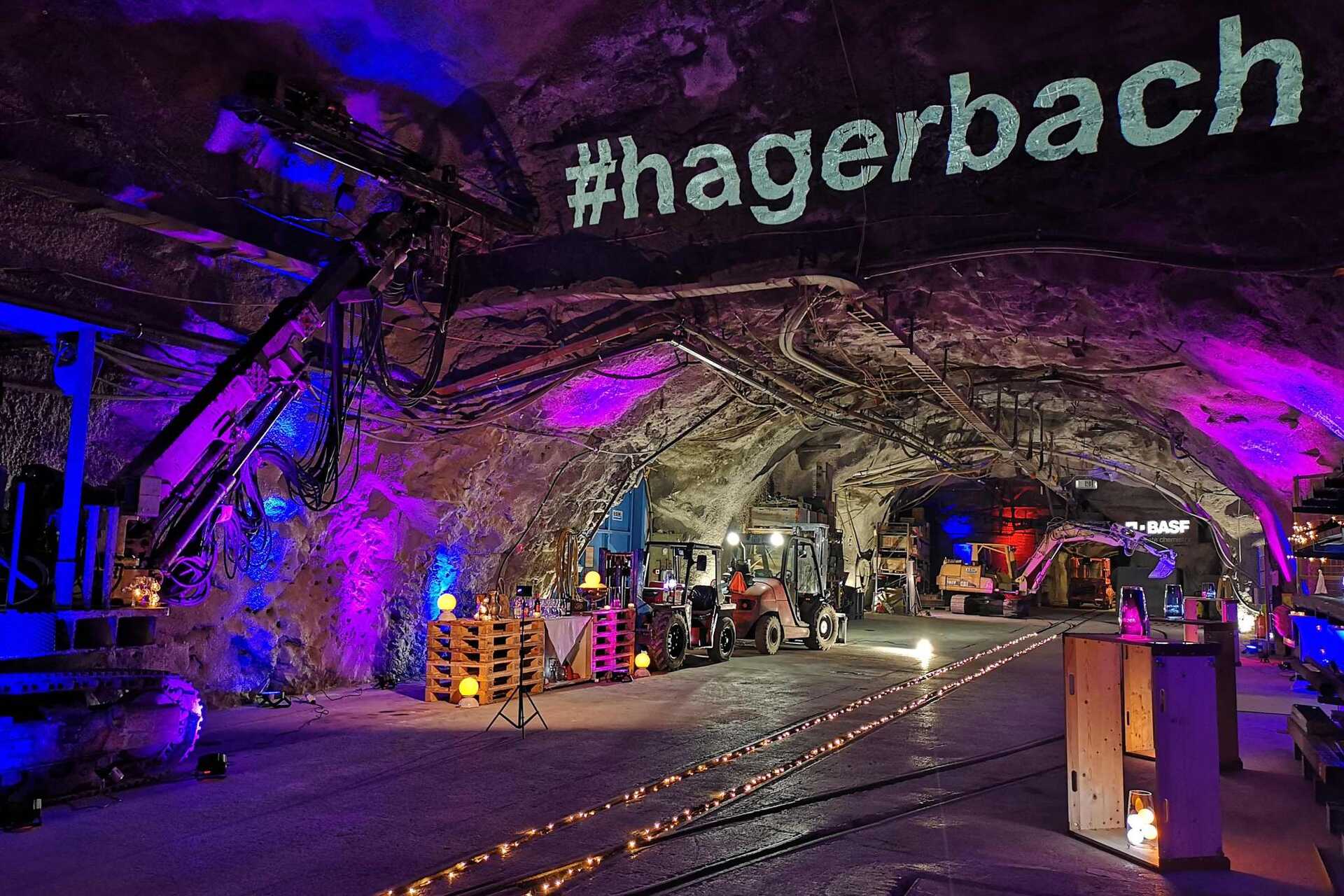
In the belly of the mountain, a few kilometers from Lake Walen, there is a labyrinth of tunnels illuminated by blue lights and digital sensors: this is where Switzerland imagines the underground city of the future.
La VersuchsStollen Hagerbach of Flums, in the Canton of St. Gallen, is today one of the most unique places in the world dedicated to the research and experimentation below ground levelAt the end of 2024, the Swiss government recognized it as
“research infrastructure of national importance”,
crowning over fifty years of activity that have transformed a complex of tunnels into a real laboratory for the future of cities and energy.
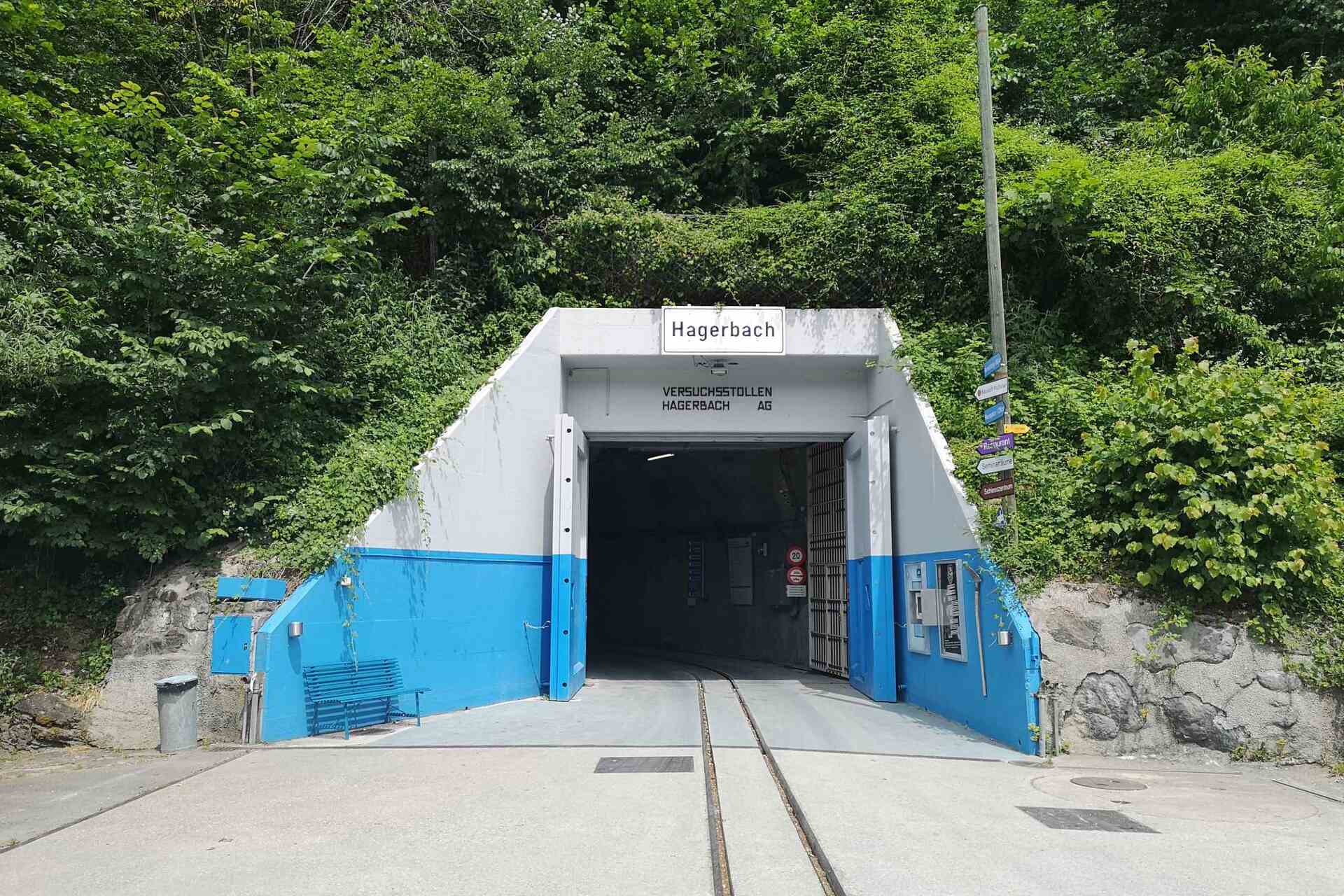
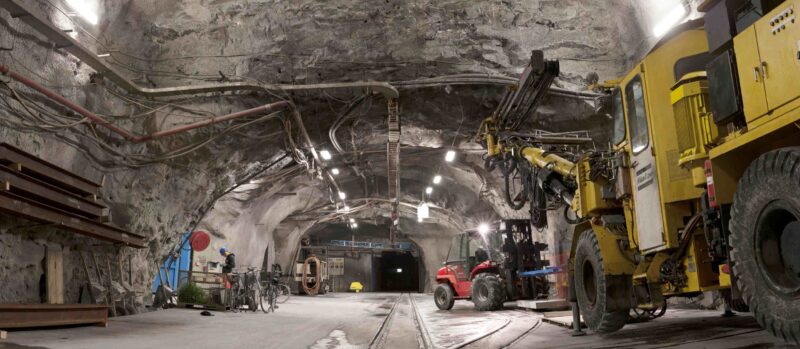
Founded in 1970 in the heart of the Alps, VSH extends over more than 5 kilometers of tunnels and 25.000 square meters of testing space, laboratories, and artificial cavities. For decades, these environments have been testing new construction materials, security systems, energy technologies, and automation. But today, the mission goes further: explore the potential of the subsoil as a strategic resource for sustainable development.
The site is in fact part of the Swiss federal strategy for the innovative use of underground space, considered a key element for the ecological and digital transitionIn an age of urban growth, densification and climate change, the idea of “living and producing underground” is no longer science fiction: it becomes a concrete answer to real problems of space, energy and resilience.
(Photo: VersuchsStollen Hagerbach)
From the laboratory to an unusual underground “living lab”
Today the Hagerbach Test Gallery is a open platform for interdisciplinary researchIts strategic areas are divided into four axes: Energy Solutions, Smart City, Space Habitats & Safety e Underground & Heavy ConstructionHere, universities, companies, and technical institutes can test technologies and materials on a full-scale basis, simulating authentic operating conditions yet in complete safety.
Secondo Michael Kompatscher, director of the facility since 2017,
“This recognition places Hagerbach in a new dimension: we are no longer just an industrial hub, but a center of advanced scientific research that unites engineering, energy and sustainability.”
Official recognition also involves new federal funds and the launch, from 2025, of a Infrastructure Projects Call, a call for projects lasting between one and four years, with financing up to 500.000 Swiss francs per yearThe aim is to stimulate the collaboration between universities and businesses, promoting the development of solutions related to energy, security and underground urban infrastructure.
The aforementioned recognition as an infrastructure of national importance falls within the objectives of the Federal Strategy for Research and Innovation 2030, which aims to enhance shared scientific infrastructures and the climate neutrality by 2050The project is part of the aegis of the DATE, the Federal Department of the Environment, Transport, Energy and Communications, which has a coordinating role in the initiatives to combat global warming.


Energy, data, and resilient cities beneath the surface
The innovative value of the subsoil is not only engineering. From a perspective of smart city, the underground spaces can accommodate decentralized data centers, networks of edge computing, heat and cold storage systems, automated warehouses and even indoor farming systems.
VSH works on different projects related to deep geothermal energy and energy storage. During the last European Geothermal Congress Zurich researchers from the Swiss Federal Republic have shown how the underground can become a “natural battery” for balancing renewable networks.
Hagerbach's experiments also include tests on lithium batteries in extreme conditions, risk analysis for underground fires and studies onenvironmental impact of new building materials.
“The underground space”,
the technicians of the center explain,
“offers untapped potential to address the United Nations Sustainable Development Goals.”
These include clean energy, water management, infrastructure safety, and creating sustainable cities.
It is no coincidence that Switzerland is among the first countries to include in its innovation plans a chapter dedicated to “Underground Urbanism”, a field that combines civil engineering, data science, and urban planning.
(Photo: Jan Barth CH/Eigenes Werk)
An ecosystem for research and training
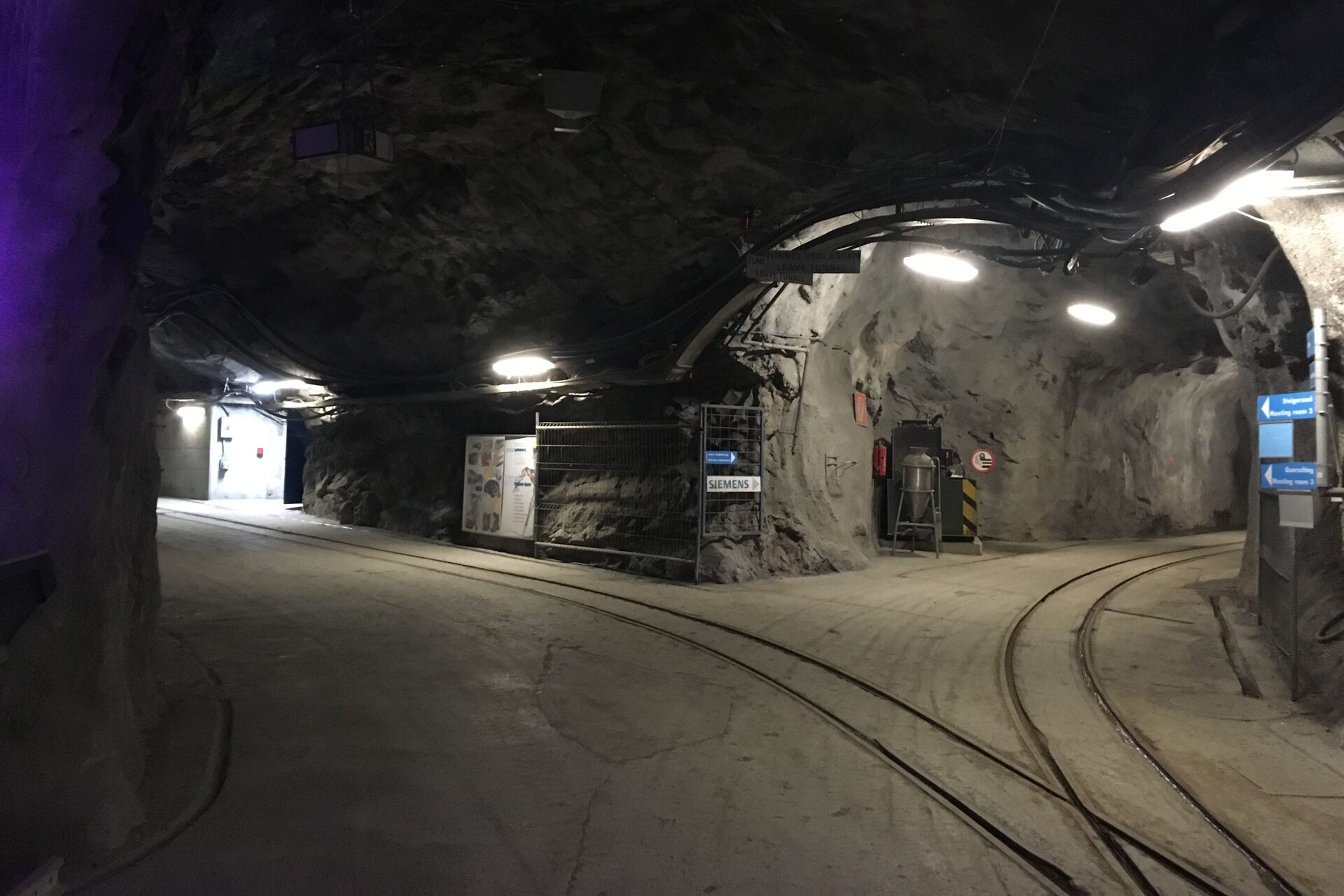
The Hagerbach Test Gallery is not only a research site, but also a place of training. Host technical courses, emergency simulations, workshop on the use of robots and sensors for underground environments. Collaborates with institutions such as theETH Zurich, the University of Applied Sciences and Arts of Eastern Switzerland (OST), the EFNARC, the European Federation for Shotcrete and Abrasive Technologies, and theAmberg Group, which uses the gallery to test new techniques excavation, ventilation and structural monitoring in real conditions.
According to a recent study published by the Swiss Academy of Engineering Sciences (SATW), Switzerland has a competitive advantage in underground engineering thanks to infrastructures like Hagerbach, which allow solutions to be tested under real-world conditions and quickly transferred to the market. SATW emphasizes that
“The underground is destined to become a fundamental component of the digital and climate-neutral cities of the future.”
Economically, VSH acts as a non-profit innovation hub: reinvests revenues in maintenance, personnel, and research. Thanks to the integration in local master plan, the structure can continue to expand flexibly, maintaining a balance between scientific, industrial and dissemination activities.


From the Swiss model to a European vision
Hagerbach's Swiss experience in Flums offers concrete ideas for other countries as well. In Italy, for example, the urban densification and the scarcity of available spaces make it urgent to rethink the use of the subsoil. Disused railway tunnels, mining galleries and underground spaces could host research centers, energy hubs and innovation laboratories.
Il Polytechnic of Turin andUniversity of Bologna, Together with CNR, have already started studies on “resilient underground cities”, taking Hagerbach as a reference case for full-scale tests.
According to Dr Thomas Finsterle, senior researcher of the Swiss Center of Applied Underground Technologies or SCAUT),
"Underground infrastructure is the natural bridge between renewable energy, data, and mobility. Hagerbach offers the ideal environment to move from theory to practice."
From this perspective, VSH becomes a shared European platform, capable of connecting research, business and public governance, in line with the objectives of the EU mission “Climate-neutral and Smart Cities”.
(Photo: Per Walker/Eigenes Werk)
Looking below to imagine the future
The designation of Hagerbach as a national infrastructure is not only a scientific achievement, but a symbol of the cultural transformation underway: the one that sees the underground no longer as a dark space to be avoided, but as a living laboratory of innovation.
Beneath our feet lie solutions for energy, security and climate resilienceSwitzerland has understood this and is investing in a coordinated manner, creating a research ecosystem capable of uniting technology, training and sustainability.
For Europe, VSH is a governance model and concrete experimentation. Prove that Innovation can arise even where we never look: beneath the surface.
In the next decade, the challenge will not only be to build new cities, but to imagine how to make them live underground too, integrating nature, technology and human ingenuity in a finally regenerative dimension.
In this perspective, the Switzerland show how innovation and planning can coexist: the mountain is no longer a barrier, ma living infrastructure for knowledge , sustainability.
The annual “Back to the Future” event at VersuchsStollen Hagerbach
Here are three insights that might interest you:
"Energy Mine": Italy's breakthrough in hybrid storage is ready.
A quarter of a century of underground experiments at Mont Terri
Zurich Pedals Into the Future and Underground: Stadttunnel Inaugurated
(Photo: Jan Barth CH/Eigenes Werk)


