


 SEARCH


Here's how 29,5 terawatt hours could be generated annually in the Confederation thanks to wind, two-thirds of which in the cold semester
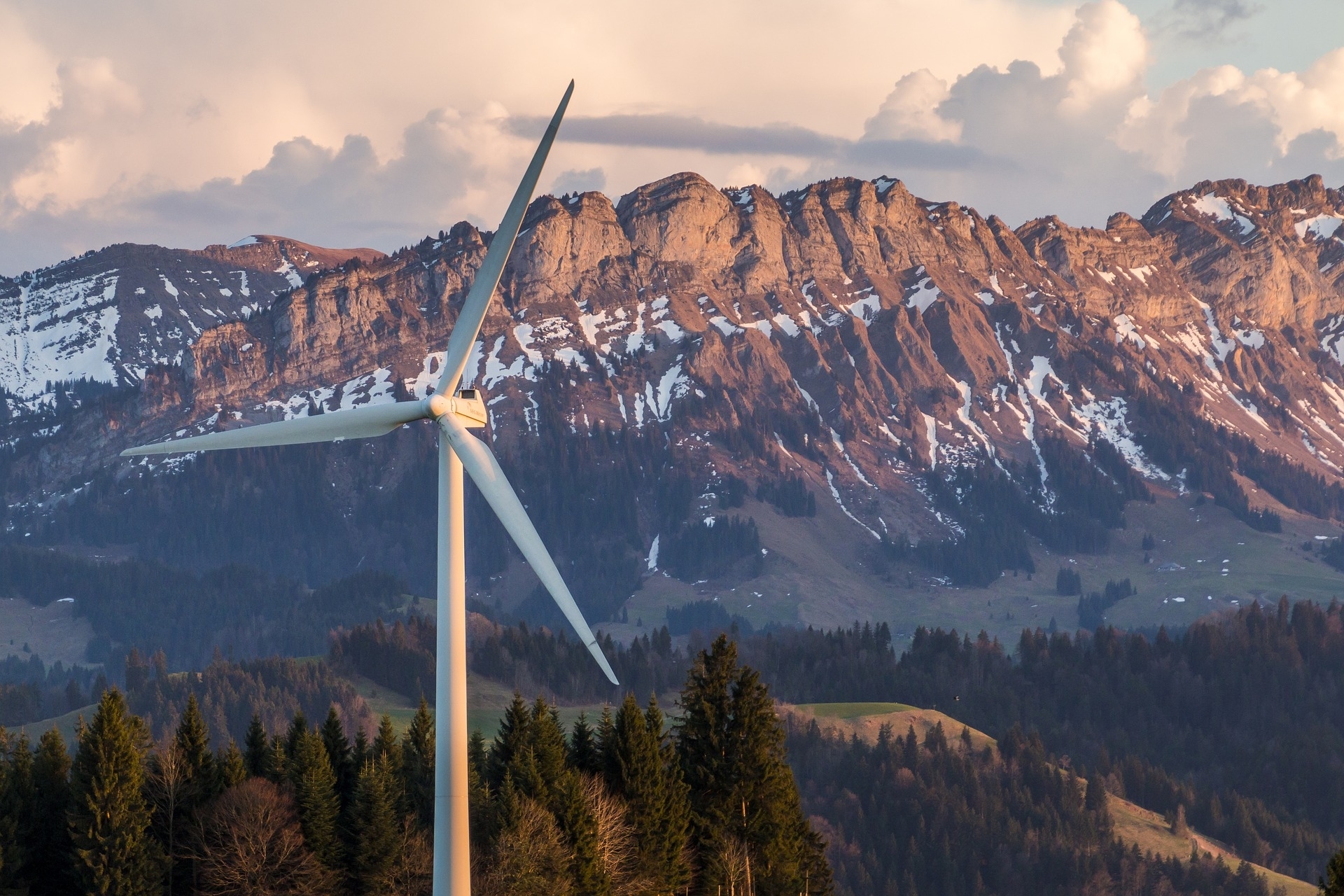
In Switzerland, wind energy could generate 29,5 terawatt hours (TWh) per year, of which 19 TWh in the winter semester alone.
This is demonstrated by a new study commissioned by the Federal Office of Energy (SFOE) of the Swiss Confederation to the company Meteotest AG, in order to determine the wind potential in Switzerland.
If 30 percent of this sustainably usable potential, corresponding to around 1000 wind capture plants, were exploited, 8,9 TWh of wind energy per year or 5,7 TWh in winter could be produced in the Swiss country.
Final report on Switzerland's wind potential 2022 (in German and French)

The first study from 2012 to today was entrusted to Meteotest AG of Bern
The last calculation of how much wind energy could be produced in Switzerland dates back to 2012.
Since the technology of wind power plants but also the political framework conditions have changed considerably since then, the Federal Office of Energy commissioned the company Meteotest AG in Berne to carry out a new study on the wind power potential.
The study shows that the total and sustainable potential of wind energy is 29,5 TWh per year, of which 19 in winter. Most of this potential, 17,5 TWh, is found in the Plateau.
A total of over 7,8 TWh could be generated in the Jura region and in the large Alpine valleys, as well as over 4,2 TWh per year in the Alpine region.
From the wind and the sun electricity reserves for… the winter
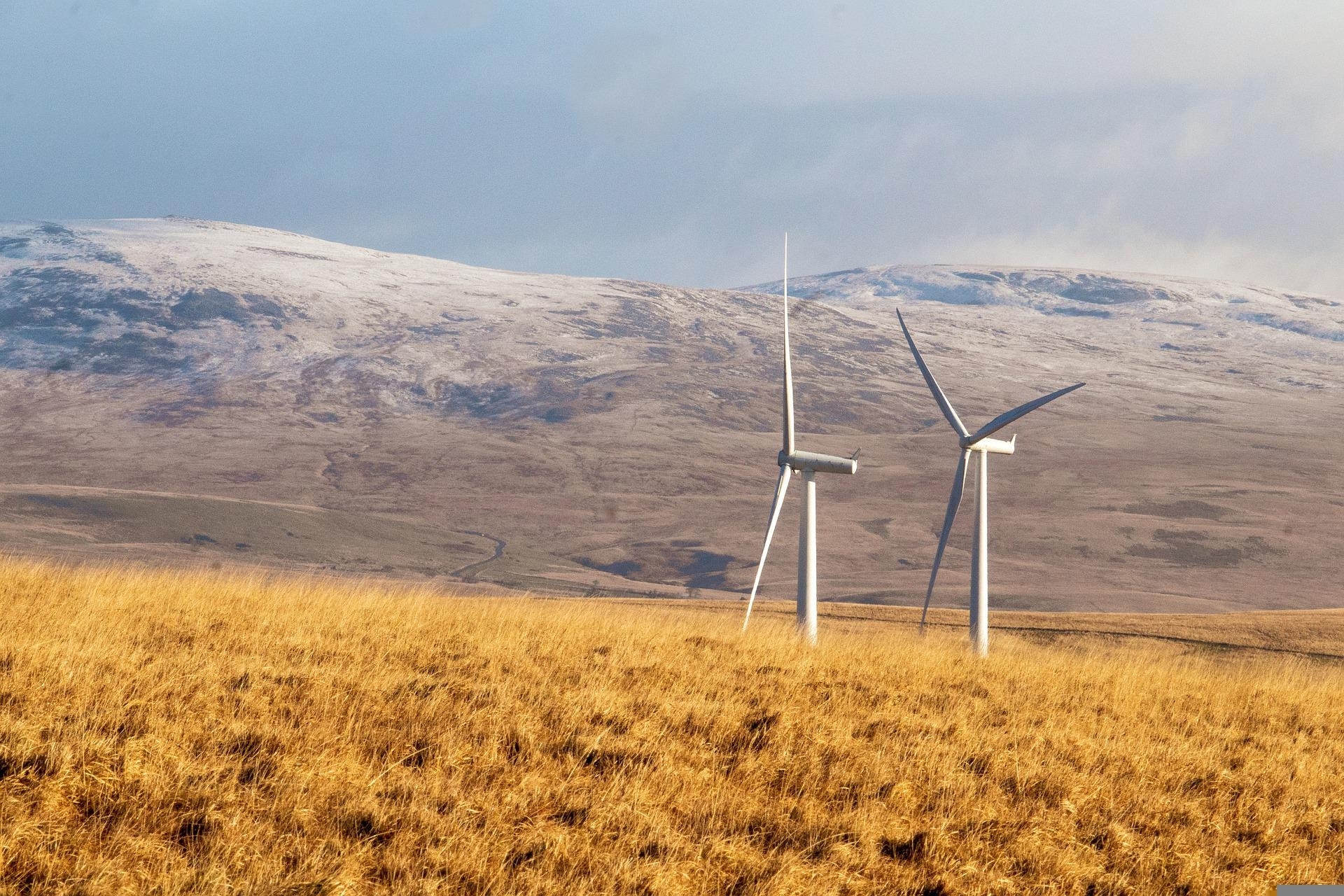
Already a thousand plants, 30 percent, would reduce recourse abroad
Even a partial development of 30 percent of the global wind potential – equivalent to around 1000 wind farms – could make a significant contribution to a more secure electricity supply for Switzerland and a reduction in dependence on foreign countries.
This development would allow wind production of 8,9 TWh per year, of which 5,7 TWh in winter.
By way of comparison: the Gösgen nuclear power plant has an annual production of around 8 TWh.
Twenty Swiss francs in silver as a tribute to solar energy
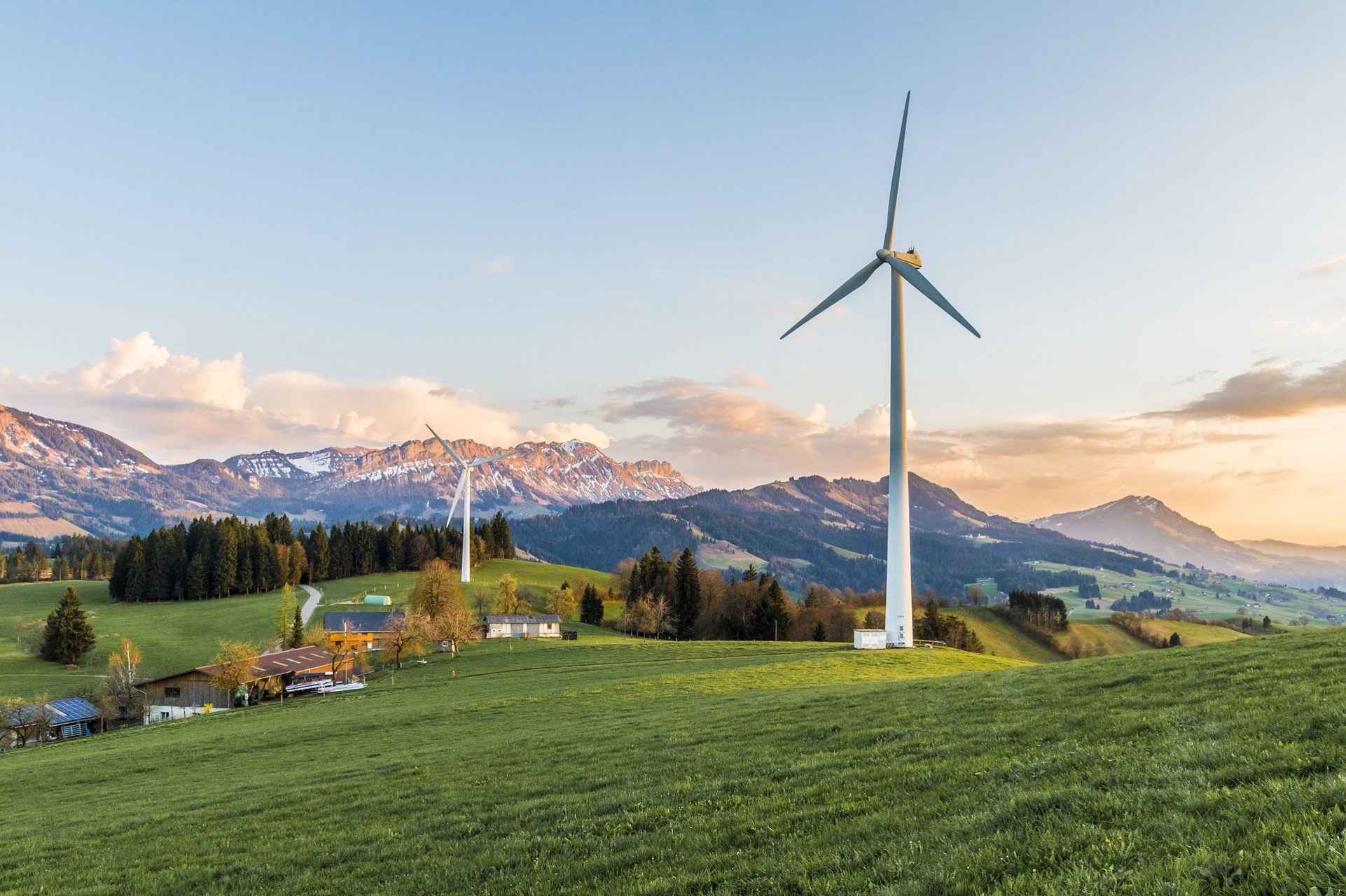
Larger facilities and taller rotors, but with access to woodlands and grounds
The significant increase in wind potential compared to 2012 (estimated at 3,7 TWh per year) is due, on the one hand, to the enormous technical progress in the field of wind power plants.
The current ones are taller and equipped with significantly larger rotors and this explains why their production is far higher than that of the older plants.
On the other hand, the political framework has changed compared to 10 years ago.
With the recognition of the national interest in wind farms with a production of over 20 gigawatt hours (GWh) per year, the wind potential of the forest (14,8 TWh/year) and the IFP districts (3 TWh/year) can also be used ).
Switzerland's “Energy Strategy 2050″ is already in full swing
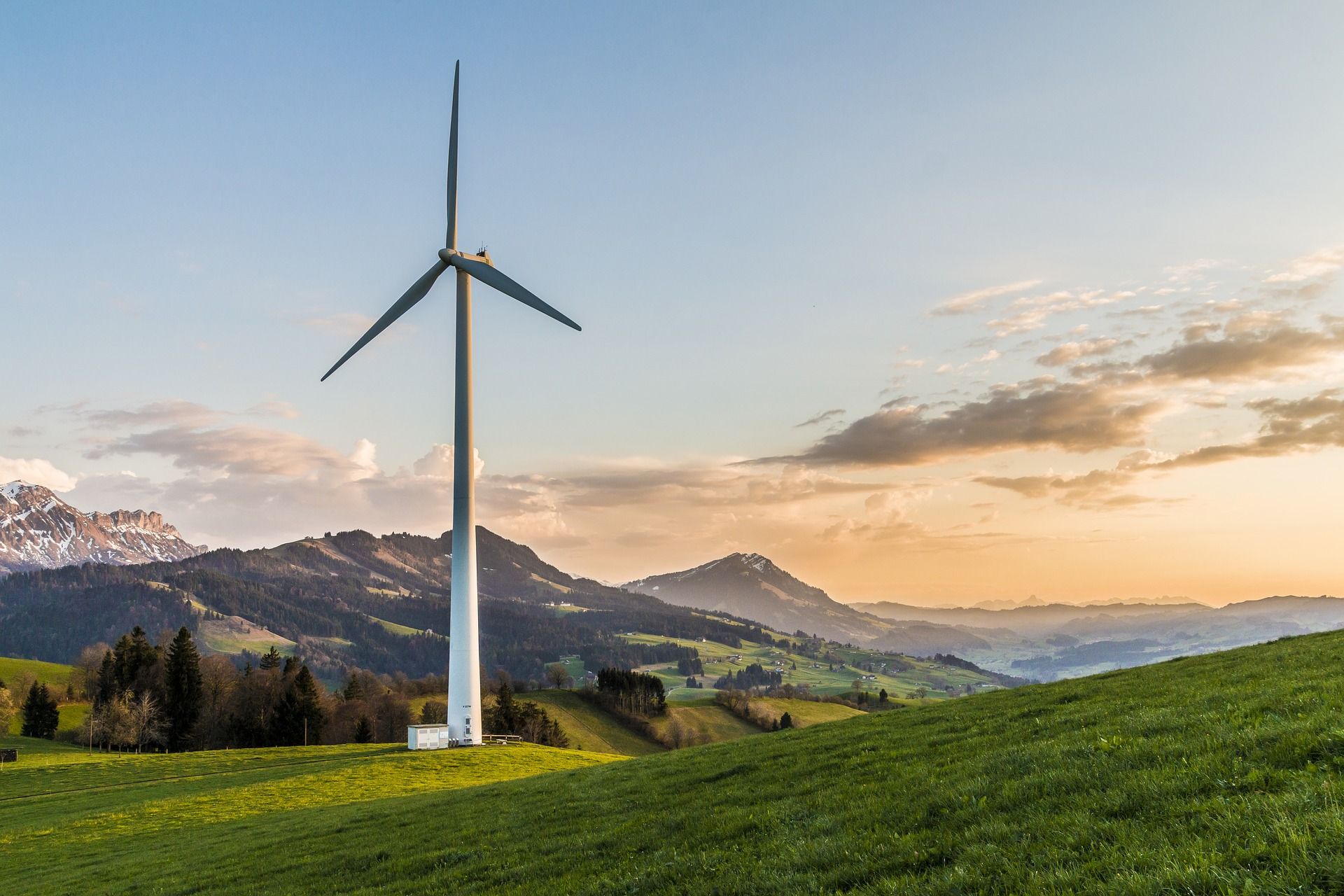
A complete technical analysis that took into account all the building surfaces
For the study, the sustainable potential was determined in four phases, through GIS analyses, on the basis of the technical potential which takes into account all building surfaces, excluding inhabited areas and non-urbanized areas.
The Geographic Information System (GIS) (also called Geographic Information System or Territorial Information System) is a computerized information system that allows the acquisition, recording, analysis, display, return, sharing and presentation of information deriving from geographical data (geo- referred).
Nant de Drance for the electricity supply of Europe
Bearded Vulture, Capercaillie, UNESCO sites and military areas among the… restrictions
The four restriction criteria adopted led to a precautionary deduction of 15 percent of the total:
a) exclusion of protected areas according to the Wind Energy Concept of the Swiss Confederation (marshes and marsh areas, water and migratory bird reserves, biotopes of national importance, central areas of national parks, core areas of Bearded Vulture and Capercaillie, registered sites in the UNESCO World Heritage Site, etc.);
b) exclusion of all built-up areas with an additional buffer zone of 300 meters to take into account noise protection;
c) exclusion of all districts which, according to the 2019 Wind Atlas, have too low a wind energy production. The districts included in the Federal Inventory of Landscapes, Sites and Natural Monuments of National Importance (VET) were not excluded, but are subject to higher requirements for the production of wind energy;
d) Restrictions due to secret installations of the Federal Department of Defence, Civil Protection and Sport or interference caused by aviation security installations cannot be mapped exhaustively.
Switzerland towards innovative measurements of radioactivity at high altitudes

The action of the wind on a flag of the Swiss Confederation


