SEARCH




Here's how Berlin is leading the energy transition race, replacing methane with gas from water electrolysis
The use of hydrogen as a substitute for natural gas is a hot topic in Germany, which is trying to reduce its dependence on fossil fuels and promote renewable energies. Here are some of the most important topics and keywords regarding the use of hydrogen in Germany:
- Energiewende (energy transition): the German energy strategy aimed at moving towards a low-carbon economy by increasing the share of renewable energies and reducing the use of fossil fuels.
- H2-Strategies (hydrogen strategy): the German government's plan to increase the production and use of hydrogen as a source of clean energy.
- Green Hydrogen: hydrogen produced by electrolysis of water, using electricity from renewable sources such as solar and wind power.
- Distribution infrastructure: the development of a hydrogen distribution network, including storage, transportation and refueling stations.
- Usage in heavy industry: the use of hydrogen as an energy source in sectors such as steel, chemicals and cement, where it is difficult to reduce carbon emissions.
- Mobilita sostenibile: the use of hydrogen as a fuel for fuel cell vehicles, buses, trucks and trains.
- Power to Gas (P2G): the technology that converts electrical energy into hydrogen, which can be stored and used later to produce energy or as fuel.
- International cooperation: agreements and partnerships between Germany and other countries for the development and adoption of hydrogen as a source of clean energy.
- Funding and incentives: financial support programs and tax incentives to promote the research, development and adoption of hydrogen.
- Emission reduction targets: Germany's goals to reduce greenhouse gas emissions and the role of hydrogen in achieving those goals.
Hydrogen: first motorway filling station in Switzerland
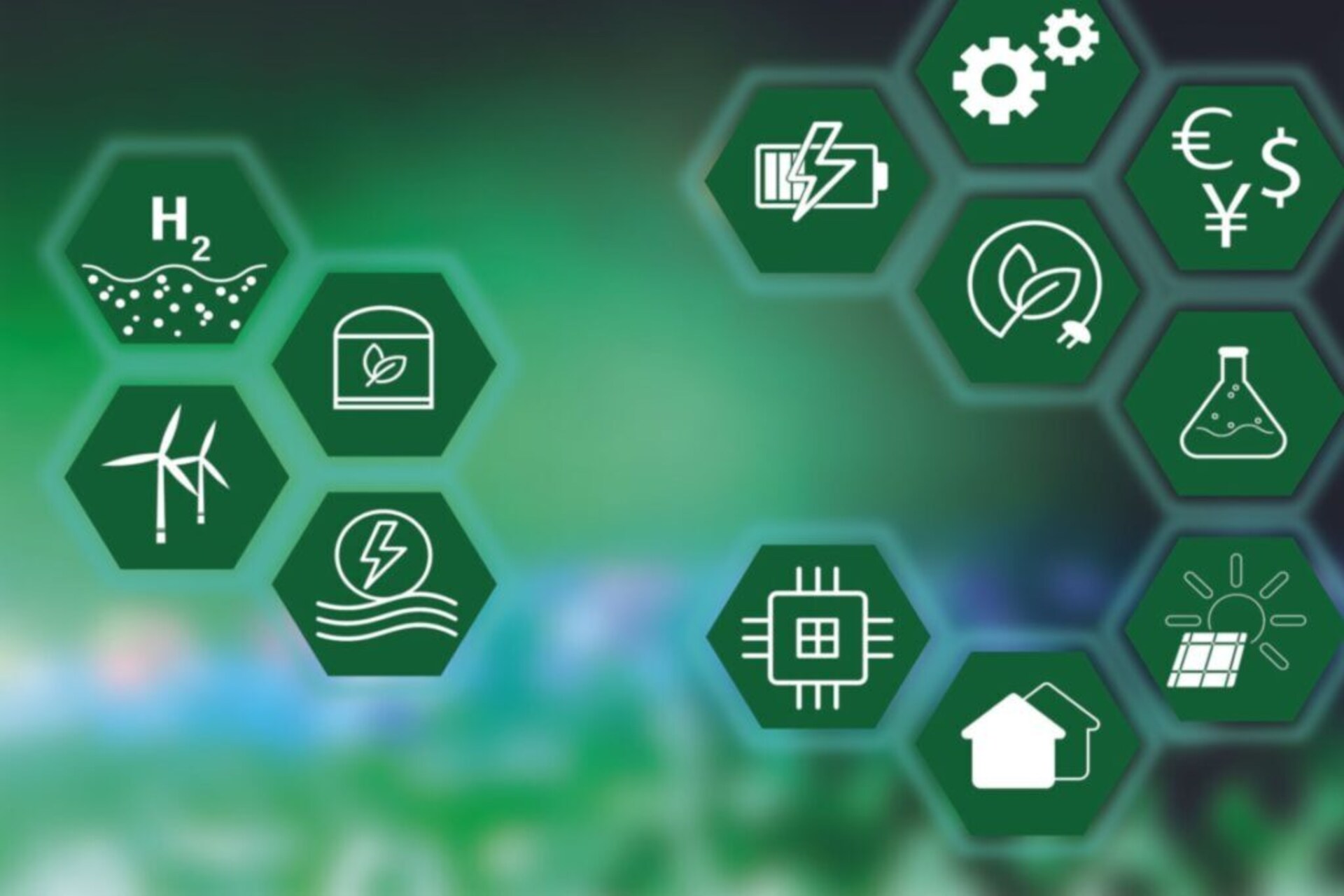
Hydrogen and the role of science in the German energy transition
Hydrogen Germany is the German business alliance for clean energy and is supported by leading companies and organizations along the entire value chain of the hydrogen economy. Hydrogen Germany is organized by GW Wirtschafts GmbH as a project office.
Germany is at the forefront of promoting the energy transition, or Energiewende, a process that aims to reduce dependence on fossil fuels and increase the use of renewable energies. A key element of this transition is hydrogen, which offers a clean and sustainable alternative to natural gas. In this article, we will look in detail at the German Hydrogen Strategy (H2-Strategies), Green Hydrogen, Distribution Infrastructure, Use in Heavy Industry, Sustainable Mobility, Power-to-Gas Technology ( P2G), international cooperation, funding and incentives, and the future perspectives of hydrogen in German energy policy. Let's see in detail what all this means:
Energiewende (energy transition)
The Energiewende is an ambitious German strategy to move towards a low-carbon economy by reducing the use of fossil fuels and promoting renewable energies. This process is critical to achieving the greenhouse gas emission reduction targets set out in the Paris Agreement and ensuring the country's long-term energy security. Hydrogen is considered a crucial element of the Energiewende, as it can be used as a source of clean energy in a wide range of applications, contributing to the decarbonisation of the German economy.
H2-Strategies (hydrogen strategy)
The German hydrogen strategy, or H2-Strategie, aims to promote the production and use of hydrogen as a source of clean energy. The German government has allocated billions of euros to support the research, development and adoption of hydrogen, with the aim of becoming a world leader in the production and use of this sustainable energy source. The strategy includes the creation of a hydrogen market, the development of distribution infrastructures and the adoption of hydrogen in industries and in sustainable mobility.
Green hydrogen
Green hydrogen is produced by electrolysis of water, using electricity from renewable sources such as solar and wind power. Unlike hydrogen made from fossil fuels, green hydrogen produces no CO2 emissions during production, making it a more sustainable and environmentally friendly option. Germany aims to become a leader in green hydrogen production, leveraging its wind and solar potential and investing in new technologies to improve the efficiency and reduce costs of water electrolysis.
Distribution infrastructure
To fully exploit the potential of hydrogen, it is essential to develop an efficient and safe distribution infrastructure. Germany is investing in setting up a hydrogen distribution network, which includes storage, transportation and refueling stations. Some projects include the conversion of existing pipelines to transport hydrogen, the development of underground storage facilities and the construction of refueling stations for fuel cell vehicles.
Use in heavy industry
Hydrogen can play a crucial role in decarbonising heavy industry, where it is difficult to reduce carbon emissions using only renewable energy. Industries such as steel, chemicals and cement can benefit from the use of hydrogen as a source of clean energy and an alternative to fossil fuels. Germany is supporting pilot projects and technological innovations to integrate hydrogen into these sectors and contribute to the reduction of greenhouse gas emissions.
Sustainable mobility
The use of hydrogen in sustainable mobility offers an opportunity to reduce carbon emissions in the transport sector. Fuel cell vehicles, hydrogen-powered buses, trucks and trains are some of the solutions Germany is exploring to promote low-emission mobility. The German government is investing in research and development and stimulating the adoption of hydrogen vehicles through tax incentives and subsidies.
Power to Gas (P2G)
Power-to-Gas (P2G) technology converts electrical energy into hydrogen, which can be stored and later used for energy or as fuel. P2G offers a way to store excess renewable electricity and to balance fluctuations in energy production. Germany is supporting the development and implementation of P2G technologies to improve the flexibility and efficiency of the energy system.
International cooperation
International cooperation is key to the development and adoption of hydrogen as a source of clean energy. Germany is working with other European countries and international partners to share knowledge, develop common standards and promote investments in the hydrogen sector. This cooperation includes bilateral agreements, public-private partnerships and joining international initiatives such as the Clean Energy Ministerial Hydrogen Initiative.
Funding and incentives
To accelerate the transition to hydrogen, the German government offers funding and incentives for the research, development and adoption of hydrogen-related technologies. These supports include grants, low-interest loans, tax incentives and investment guarantee schemes. Furthermore, Germany is attracting private investment in the hydrogen sector by creating an environment conducive to project development and collaboration between research institutions, industry and government.
The Extreme H is the first all-hydrogen Off-Road racing series
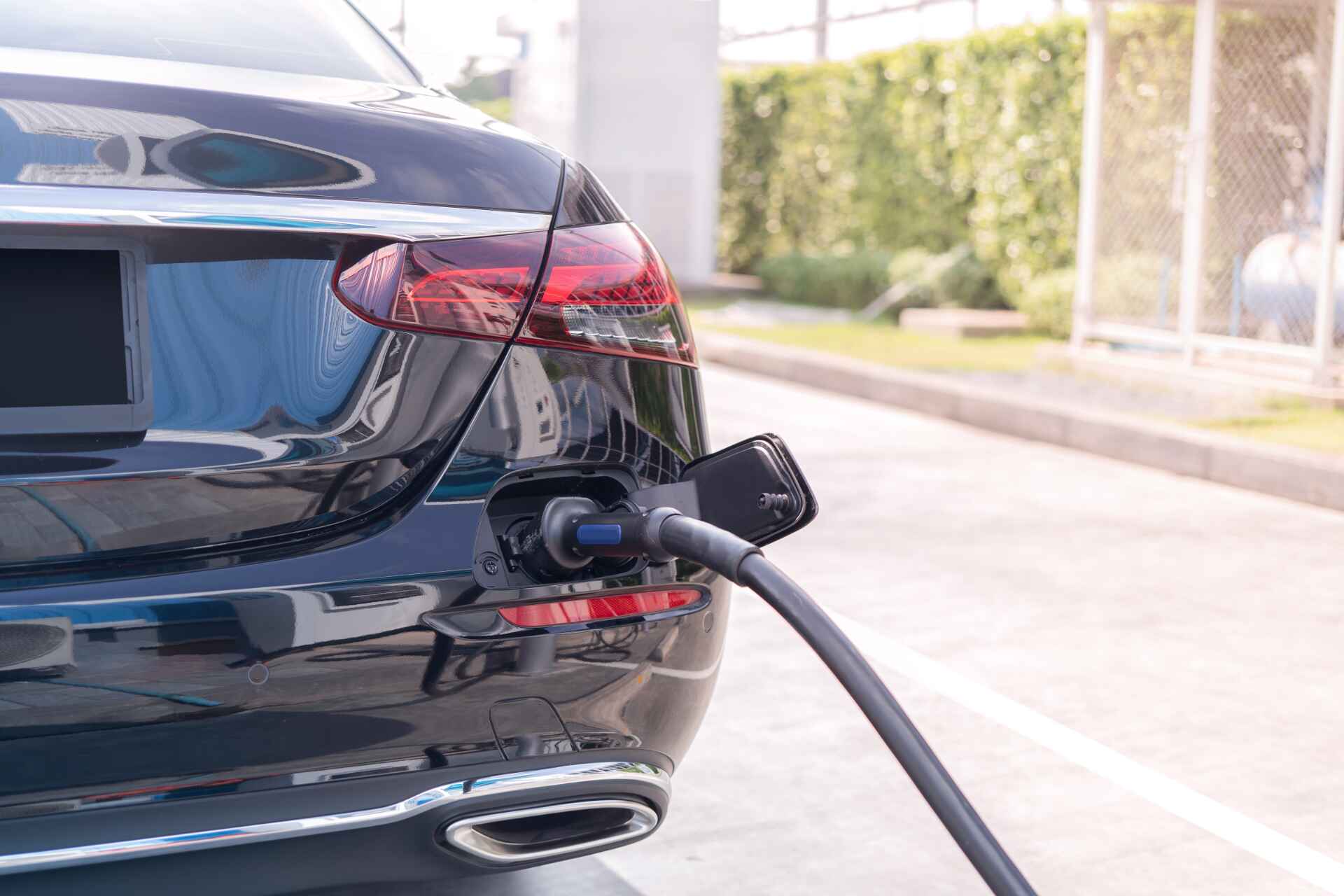
The future prospects of hydrogen for German energy policy
Hydrogen will play an increasingly important role in German energy policy, contributing to the decarbonisation of the economy and the achievement of emission reduction targets. The future prospects of hydrogen in Germany will depend on successful investments in research and development, the implementation of distribution infrastructure and the adoption of hydrogen-based technologies in the industrial and transport sectors. Germany will also continue to cooperate with international partners to promote hydrogen as a clean energy source globally.
Germany is demonstrating significant commitment to promoting hydrogen as a key part of its energy transition. Through the hydrogen strategy, investments in research and development, international cooperation and incentives for the adoption of hydrogen-based technologies, Germany is positioning itself as a leader in the production and use of green hydrogen. If these efforts are successful, hydrogen could play a crucial role in reducing greenhouse gas emissions and ensuring long-term energy security, not only in Germany but also globally.
Bern supports mobility tests in the field of hydrogen
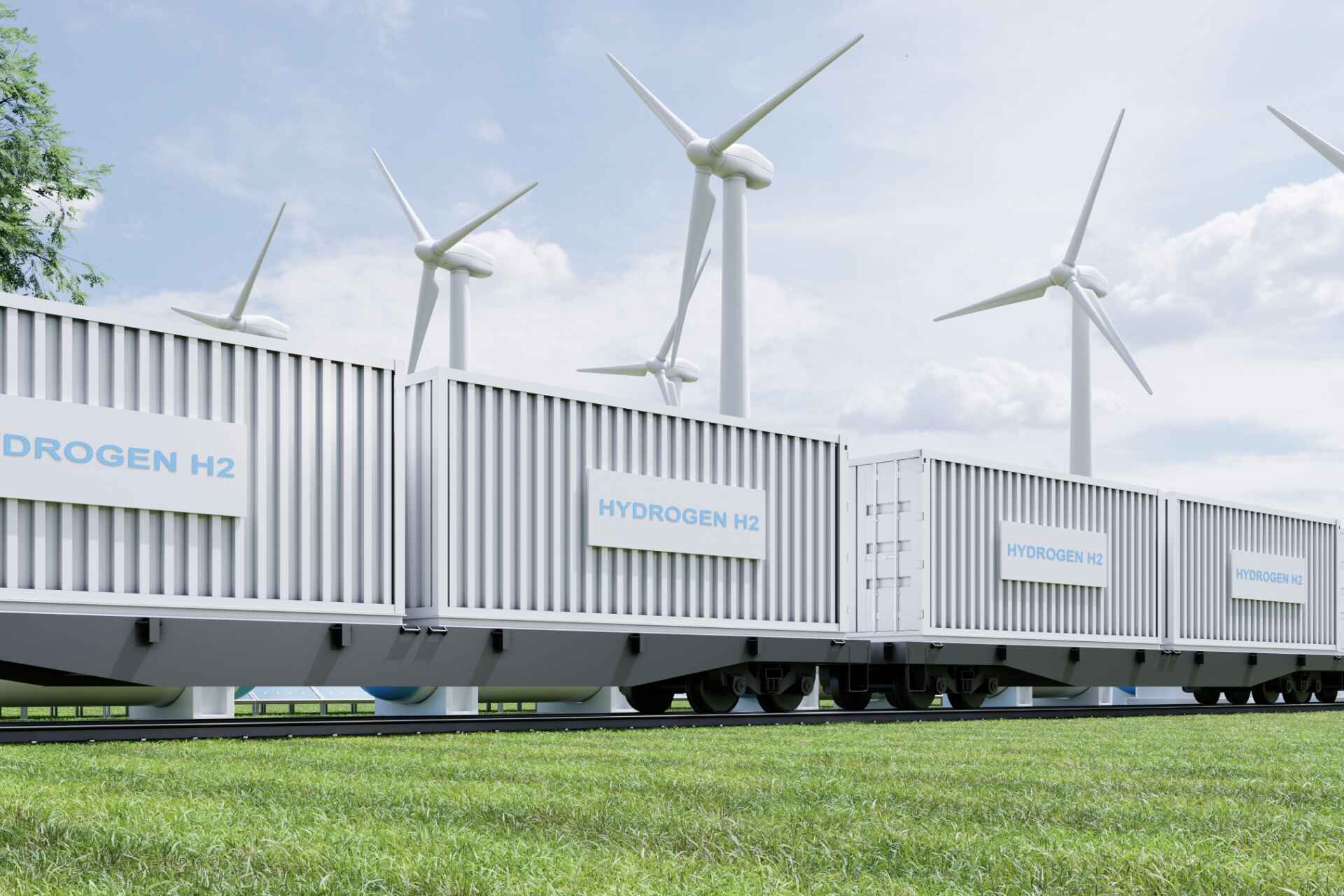
Businesses in Germany and investments: who is doing what today?
Several German companies are investing in the energy transition and transitioning from the use of natural gas to hydrogen. Here is a list of some of the most notable companies and their current projects:
- Siemens Energy: Siemens Energy is one of the leading German companies in the energy sector and is investing in hydrogen-related technologies, such as electrolysers and Power-to-Gas solutions. Among the ongoing projects is the H2Mare project, which aims to develop offshore green hydrogen production solutions using marine wind energy.
- Thyssenkrupp: Industrial giant Thyssenkrupp is working on the adoption of hydrogen in the steel sector to reduce CO2 emissions. The Carbon2Chem project, for example, aims to use green hydrogen and CO2 from steelmaking to produce sustainable chemicals.
- Linden: Linde is one of the world's leading industrial gases companies and is investing in the production and distribution of green hydrogen. Among the ongoing projects is the Energiepark Mainz project, a green hydrogen production plant based on the electrolysis of water powered by wind energy.
- E.ON: E.ON is one of the largest German energy utilities and is investing in hydrogen storage and distribution solutions. An example of an ongoing project is GET H2 Nukleus, which aims to create an infrastructure for the distribution of green hydrogen in northwestern Germany.
- RWE: RWE is another major German energy utility that is investing in the production and distribution of green hydrogen. Among the ongoing projects is the AquaSector project, which involves the conversion of existing pipelines for the transport of green hydrogen and the creation of a distribution infrastructure in northwestern Germany.
- Uniper: Uniper is a German energy company that is investing in the production of green hydrogen and in the conversion of natural gas power plants to hydrogen plants. An example of an ongoing project is the "Green Wilhelmshaven" project, which involves the construction of a green hydrogen production plant and the conversion of a natural gas-fired power plant into a hydrogen power plant.
This list is not exhaustive, but provides an insight into the major German companies investing in the transition from the use of natural gas to hydrogen and the projects underway. Collaboration between business, government and research institutions is key to accelerating the energy transition and achieving emissions reduction goals.
Bavaria's first hydrogen train is (almost) a reality
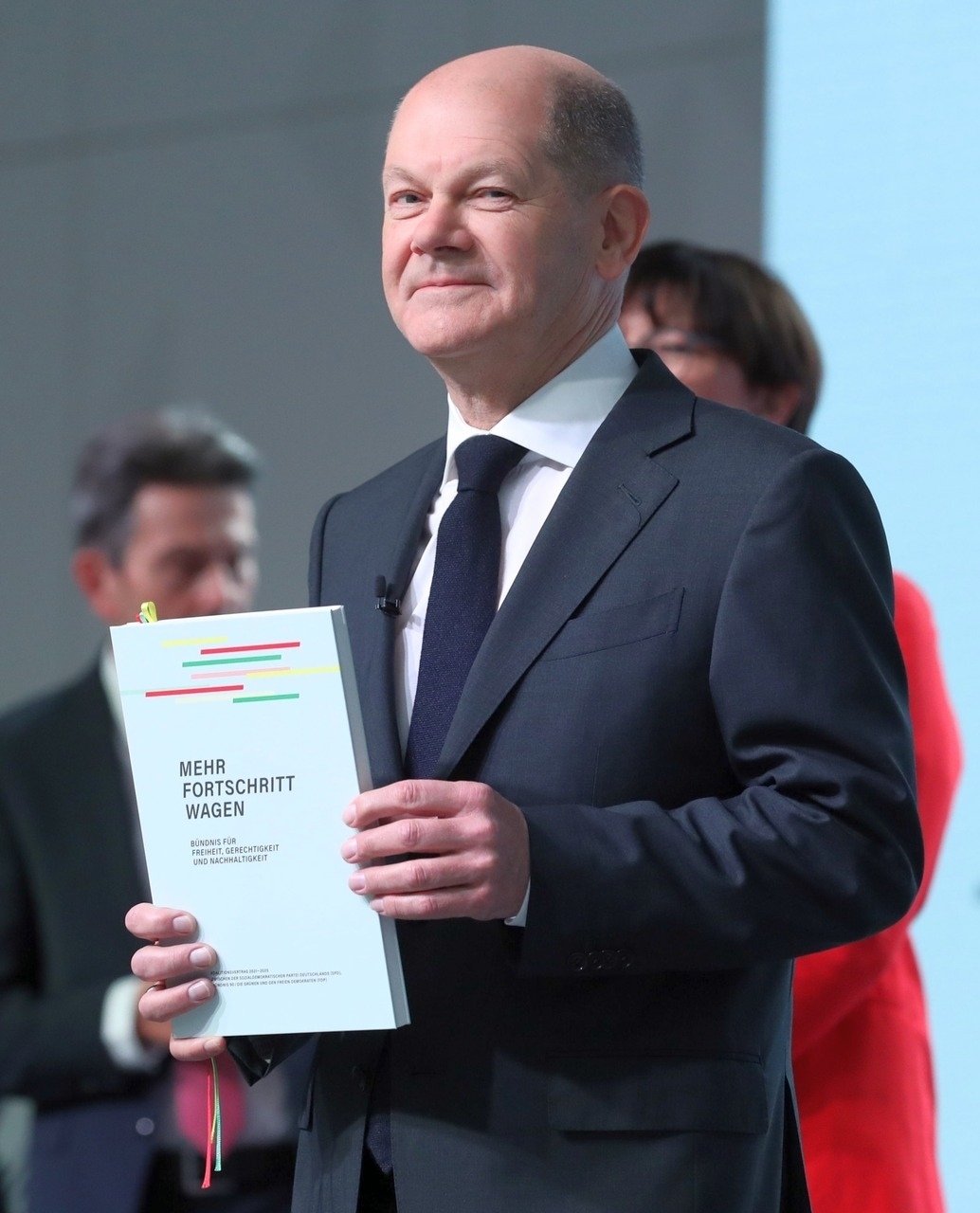
Goals and energy policies of the current government of Olaf Scholz
Olaf Scholz became Chancellor of Germany in 2021 and his government is strongly committed to the energy transition and the promotion of hydrogen as a clean and sustainable energy source. The Scholz government's policies and objectives in this area include:
- Reduction of greenhouse gas emissions: The Scholz government has pledged to significantly reduce greenhouse gas emissions to meet the objectives of the Paris Agreement and to contribute to the achievement of the European goal of becoming climate neutral by 2050. Green hydrogen is considered a crucial element for achieve these goals, as it can help reduce CO2 emissions in different sectors of the economy.
- Increasing the share of renewable energies: The Scholz government aims to increase the share of energy produced from renewable sources, such as solar and wind power. This is important not only to reduce dependence on fossil fuels, but also to support the production of green hydrogen through the electrolysis of water powered by renewable energy.
- Hydrogen infrastructure development: To exploit the full potential of hydrogen, the Scholz government is engaged in the development of hydrogen production, storage and distribution infrastructure. This includes investments in the conversion of existing pipelines to transport hydrogen, the development of storage facilities and the construction of refueling stations for fuel cell vehicles.
- Promotion of hydrogen in industry and transport: The Scholz government supports the adoption of hydrogen in key sectors such as heavy industry (for example, steel, chemicals and cement) and transport (fuel cell vehicles, buses, trucks and trains powered by hydrogen). Additionally, the government offers fiscal and financial incentives to encourage the use of hydrogen in these sectors.
- Research and development: The Scholz government is investing in the research and development of hydrogen-related technologies, such as high-efficiency electrolysers, Power-to-Gas solutions and storage technologies. These investments are crucial to improve the efficiency and reduce costs of green hydrogen, making it more competitive with fossil fuels.
- International cooperation: The Scholz government recognizes the importance of international cooperation in promoting hydrogen as a source of clean energy. Germany is working with European and international partners to share knowledge, develop common standards and promote investments in the hydrogen sector.
Currently, the Scholz government is strongly committed to the energy transition and the transition from the use of gas to hydrogen. Through a combination of policies and objectives, the Scholz government aims to promote the development and adoption of green hydrogen as a clean and sustainable energy source, thus contributing to the reduction of greenhouse gas emissions and the decarbonisation of the German economy. To achieve these ambitious goals, the Scholz government continues to work jointly with companies, research institutions and international partners to accelerate the energy transition and achieve a more sustainable future.
Soon in Emilia the world's first green hydrogen ceramics
What are the concrete advantages in the methane gas transaction?
Hydrogen represents a promising and sustainable energy source that can play a significant role in the energy transition and decarbonisation of the global economy. In particular, hydrogen can be a valid alternative to methane gas in various sectors, offering a series of environmental, economic and social advantages. In this scientific analysis, we will examine the advantages of using hydrogen as an alternative to methane gas, exploring the characteristics of hydrogen as an energy carrier, its potential for reducing greenhouse gas emissions and its impacts on the economy and society .
Characteristics of hydrogen as an energy vector
Hydrogen is the most abundant element in the universe and can be used as an energy carrier in a wide range of applications. Hydrogen has a high energy density per unit mass (about three times greater than methane gas) and can be produced from a variety of sources, including renewable energy, fossil fuels and biomass. However, hydrogen has a low energy density per unit volume, necessitating the development of efficient storage and distribution technologies.
Production of green hydrogen and reduction of greenhouse gas emissions
Hydrogen can be produced through several processes, including the electrolysis of water, the reforming of methane with steam, and the gasification of coal or biomass. Hydrogen produced using renewable energy, such as solar and wind, is known as green hydrogen and is considered the most environmentally sustainable. The use of green hydrogen instead of methane gas can contribute significantly to the reduction of greenhouse gas emissions, since the combustion of hydrogen produces only water and does not emit CO2.
Applications of hydrogen in various sectors
Hydrogen can be used in a wide range of sectors, including industry, transport, heating and electricity generation. In particular, hydrogen can offer significant advantages over natural gas in the following areas:
- Heavy industry: The use of hydrogen can help reduce CO2 emissions in energy-intensive sectors, such as the production of steel, cement and chemicals. For example, hydrogen can replace coal in the direct iron reduction process, reducing CO2 emissions and improving energy efficiency.
- Transportation: Hydrogen can be used as a fuel for fuel cell vehicles, buses, trucks and trains, offering a sustainable alternative to fossil fuels. Fuel cell vehicles only emit water as an exhaust product and can offer a range similar to that of internal combustion vehicles. Furthermore, hydrogen can also be used in aviation and shipping, where direct electrification is more difficult to implement.
- Heating and air conditioning: Hydrogen can be used as fuel for heating residential and commercial buildings, replacing methane gas in boilers and central heating systems. Hydrogen can also be used in highly efficient heat pumps and absorption cycle air conditioning systems, reducing dependence on fossil fuels and improving energy efficiency.
- Electricity production: Hydrogen can be used as a fuel in gas turbines and combined cycle power plants for the production of electricity with low CO2 emissions. Additionally, hydrogen can be employed as a long-term energy storage medium, allowing for the balance of intermittent renewable energy production and the provision of electrical power during periods of high demand.
Power-to-Gas technologies and integration with existing infrastructures
Power-to-Gas (P2G) technologies make it possible to convert electricity into hydrogen (electrolysis) and, subsequently, to use hydrogen as an energy vector for transport, storage and final use. The advantage of P2G technologies is that the hydrogen produced can be stored and distributed using existing natural gas infrastructure, reducing costs and easing the transition from the use of natural gas to hydrogen. Furthermore, hydrogen can be blended with methane gas to some extent, reducing CO2 emissions without significant changes to existing infrastructure and equipment.
Economic and social impacts of the use of hydrogen
The transition from the use of natural gas to hydrogen can have positive economic and social impacts, including the creation of new jobs in the hydrogen sector, the attraction of investment in research and development and the promotion of industrial competitiveness. Furthermore, the use of hydrogen can contribute to the diversification of energy sources, reducing the dependence on methane gas imports and improving energy security.
However, it is important to underline that the transition to hydrogen also presents challenges, including the high costs of producing and distributing green hydrogen, the need to develop efficient storage and distribution technologies, and promoting the adoption of hydrogen by part of consumers and businesses. To overcome these challenges, an integrated approach involving government, industry and research is essential in order to develop appropriate policies and incentives, promote technological innovation and foster collaboration at national and international levels.
A series of environmental, economic and social benefits
In conclusion, hydrogen represents a sustainable and promising alternative to methane gas in several sectors, offering a series of environmental, economic and social benefits. The use of green hydrogen can significantly contribute to the reduction of greenhouse gas emissions and the decarbonisation of the global economy, while promoting the diversification of energy sources, energy security and industrial competitiveness.
However, to fully realize the potential of hydrogen as an alternative to methane gas, it is essential to address the challenges associated with the costs of hydrogen production, distribution and storage, as well as to promote hydrogen adoption by consumers and businesses. An integrated approach involving government, industry and research is essential to accelerate the energy transition and fully exploit the benefits of hydrogen as a clean and sustainable energy source.
In this context, international cooperation and coordination between countries and regions are of key importance to share knowledge, technologies and best practices related to the use of hydrogen. Furthermore, investments in research and development, the training of specialized personnel and the creation of a qualified workforce are key elements for the success of the energy transition and for the promotion of hydrogen as a sustainable alternative to methane gas.
Swiss university hospitals united for energy and climate
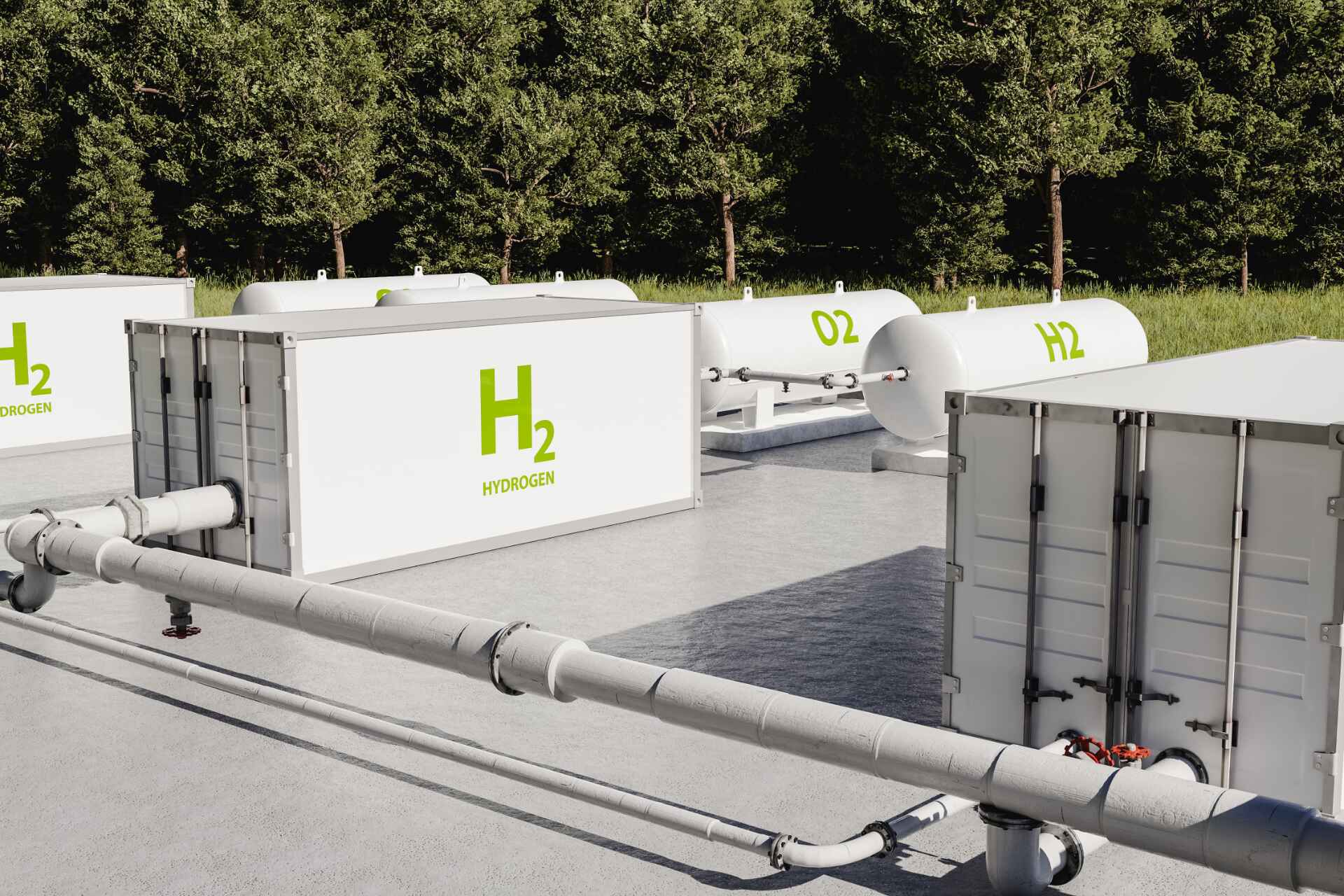
Germany is leading the energy transition, replacing methane with green hydrogen: we delve into strategies and financing.
International geopolitical scenarios to predict: is there an "H factor"?
The transition from the use of methane gas to hydrogen as a primary energy source will have significant global geopolitical implications. In this analysis, we will explore the geopolitical scenarios that could emerge in the context of this energy transition, considering both the opportunities and challenges associated with the production and use of hydrogen as an alternative to methane gas.
Changes in the dynamics of energy producers and consumers
The transition from the use of natural gas to hydrogen as a primary energy source could alter the dynamics of energy producers and consumers globally. Currently, natural gas reserves are concentrated in a limited number of countries, including Russia, Iran, Qatar and the United States, which have significant influence on the global gas market. As hydrogen production and consumption increases, new countries and regions could emerge as key energy producers and consumers, leading to a shift in the distribution of economic and political power.
Diversification of energy sources and energy security
Hydrogen can be produced from a variety of sources including renewable energy, fossil fuels and biomass. This diversification of energy sources could improve energy security globally by reducing dependence on a single fuel or producing region. In particular, methane gas importing countries could benefit from greater energy security through the domestic production of hydrogen and the diversification of energy sources.
International cooperation and competition for technological innovation
Transitioning to hydrogen as a primary energy source will require broad international cooperation and coordination between countries and regions. International agreements and partnerships could play a crucial role in promoting the sharing of knowledge, technologies and best practices related to the use of hydrogen. At the same time, competition for technological innovation could intensify, with several countries seeking to develop cutting-edge hydrogen production, distribution and storage technologies. This competition could spur innovation and accelerate the energy transition, but could also lead to tensions between countries and regional blocs.
Environmental and climatic implications
The transition from the use of methane gas to hydrogen could have important implications for the global environment and climate. In particular, the use of green hydrogen, produced using renewable energy, could significantly contribute to the reduction of greenhouse gas emissions and the mitigation of climate change. However, the production of hydrogen from fossil fuels through processes such as the reform of
methane with steam and coal gasification could lead to CO2 emissions if carbon capture and storage (CCS) is not implemented. Therefore, promoting green hydrogen and adopting low-carbon technologies will be key to ensuring that the hydrogen transition has a positive impact on the environment and climate.
Impact on the geopolitics of fossil fuels
The growing adoption of hydrogen as a primary energy source could lead to a decrease in the demand for methane gas and other fossil fuels, with consequent geopolitical implications. Countries heavily dependent on the export of methane gas and other fossil fuels could experience declining revenues and a negative impact on their economy and political stability. At the same time, methane gas importing countries could benefit from a reduction in dependence on energy imports and greater energy independence. These changes could lead to new geopolitical dynamics and a redefinition of alliances and rivalries between countries and regions.
Sustainable development and global inequalities
Transitioning to hydrogen as a primary energy source could contribute to achieving the United Nations Sustainable Development Goals (SDGs), particularly in terms of access to clean and sustainable energy (SDG 7) and climate action (SDG 13). However, the spread of hydrogen could also exacerbate global inequalities if the benefits of the energy transition are not distributed equally across countries and populations. For example, developing countries may face challenges in accessing hydrogen technologies and building the infrastructure needed for hydrogen production and distribution. Therefore, it will be important to ensure that the transition to hydrogen is inclusive and promotes equity and social justice globally.
Governance and regulation of hydrogen-based energy
The transition to hydrogen will require effective governance and regulation at national and international levels to ensure the safety, reliability and sustainability of hydrogen-based energy. This could include developing norms and standards for the production, storage, distribution and use of hydrogen, as well as promoting transparency and cooperation between countries and international organisations. The regulation of hydrogen-based energy could affect geopolitical dynamics and relations between countries, particularly in terms of access to hydrogen resources, technologies and markets.
To sum up, we can state that the transition from the use of methane gas to hydrogen as a primary energy source will present a number of global geopolitical challenges and opportunities. Among these, the changes in the dynamics of energy producers and consumers, the diversification of energy sources and energy security, international cooperation and competition for technological innovation, environmental and climate implications, the impact on the geopolitics of fossil fuels, sustainable development and global inequalities, and governance and regulation of hydrogen-based energy.
To address these challenges and fully exploit the opportunities offered by the hydrogen transition, it will be essential to foster international cooperation and coordination, share knowledge and technologies, and develop appropriate policies and strategies to ensure safety, reliability and the sustainability of hydrogen-based energy. Furthermore, it will be important to ensure that the hydrogen transition is inclusive and promotes equity and social justice globally, so as to ensure that the benefits of the energy transition are shared by all countries and populations.
Secure energy supplies and climate neutrality by 2050

What are the most important international agreements for Berlin?
Germany is one of the international leaders in the transition from the use and production of natural gas to hydrogen. The country has demonstrated a strong commitment to the energy transition and green hydrogen development through its national hydrogen strategy and investments in research, development and infrastructure. Germany is also actively involved in international agreements and partnerships promoting cooperation and knowledge sharing in the hydrogen area.
Here is a list of some international agreements that Germany has signed with other countries regarding hydrogen:
- Agreement between Germany and the Netherlands (2020): This bilateral agreement focuses on cooperation in the green hydrogen sector, including the production, transportation and use of hydrogen as a sustainable energy source.
- Agreement between Germany and Australia (2020): This cooperation agreement focuses on the development of a global green hydrogen supply chain and joint R&D projects in the field of hydrogen and related technologies.
- Agreement between Germany and Morocco (2021): The two nations have agreed to cooperate in developing green hydrogen and establishing a supply chain between the two countries. The agreement provides for the exchange of knowledge and the promotion of investments in the hydrogen sector.
- North Sea Hydrogen Initiative: Germany is one of the founding countries of this initiative, which aims to promote the development of green hydrogen in the North Sea region through cooperation between countries and stakeholder involvement.
- Clean Energy Ministerial Hydrogen Initiative (CEM-HI): Germany is an active member of this initiative, which promotes international cooperation in accelerating the development and deployment of hydrogen technologies globally.
- International Partnership for Hydrogen and Fuel Cells in the Economy (IPHE): Germany is a founding member of this partnership, which aims to facilitate the global transition towards the use of hydrogen and fuel cells as sources of clean and sustainable energy.
In summary, Germany is actively engaged in the transition from the use and production of natural gas to hydrogen at the national and international levels, through strategic investments, cooperation with other countries and participation in international initiatives and agreements. Berlin's leadership in this field can have a significant impact on the promotion of hydrogen as a sustainable energy source and on the global energy transition.
Switzerland's wind energy potential exceeds all expectations
May 6, 1937, the tragedy of the Zeppelin “Hindenburg” in New York