SEARCH




Investments in renewable energy such as wind and hydroelectric, support for research and serious commitment to Canada's pristine nature
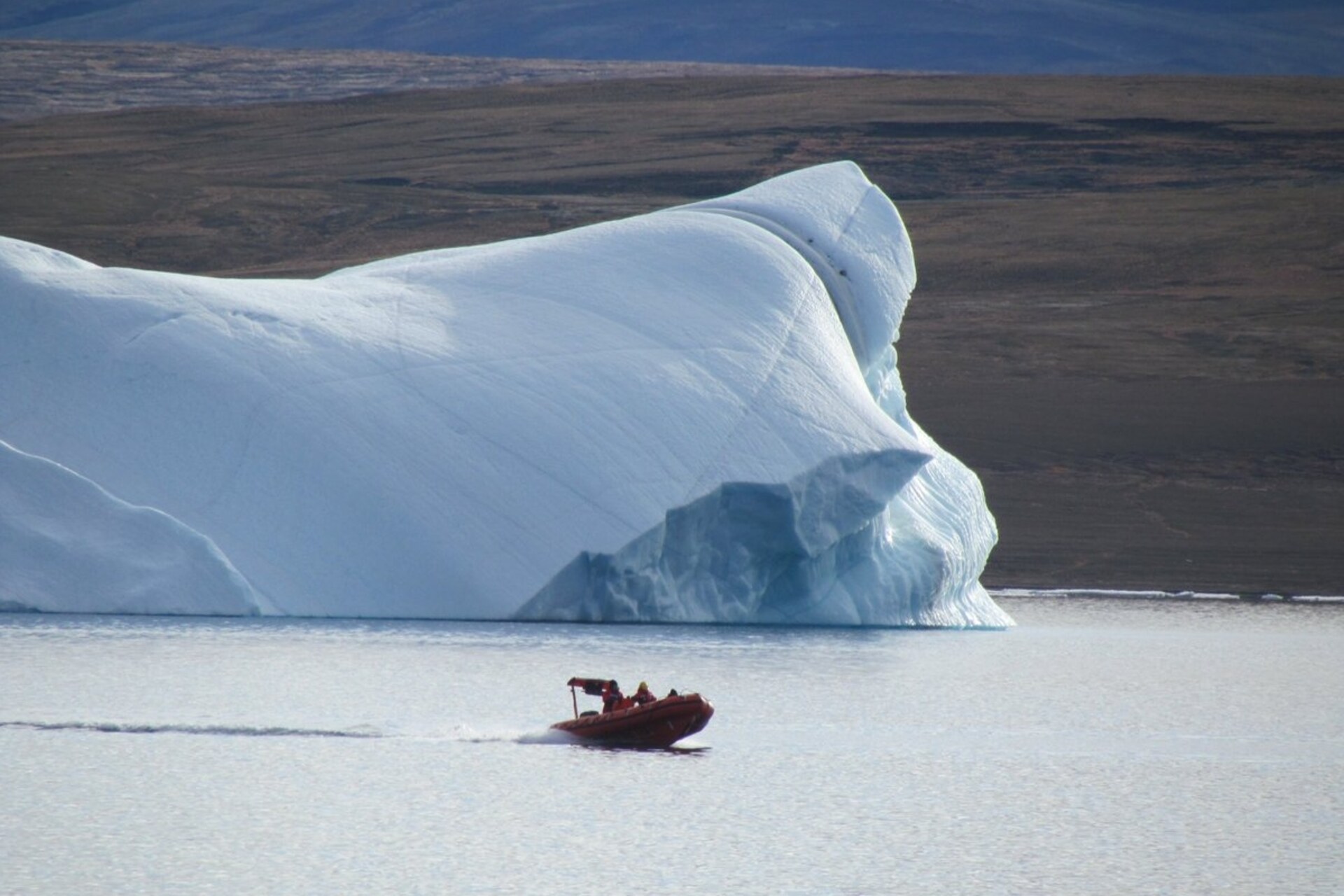
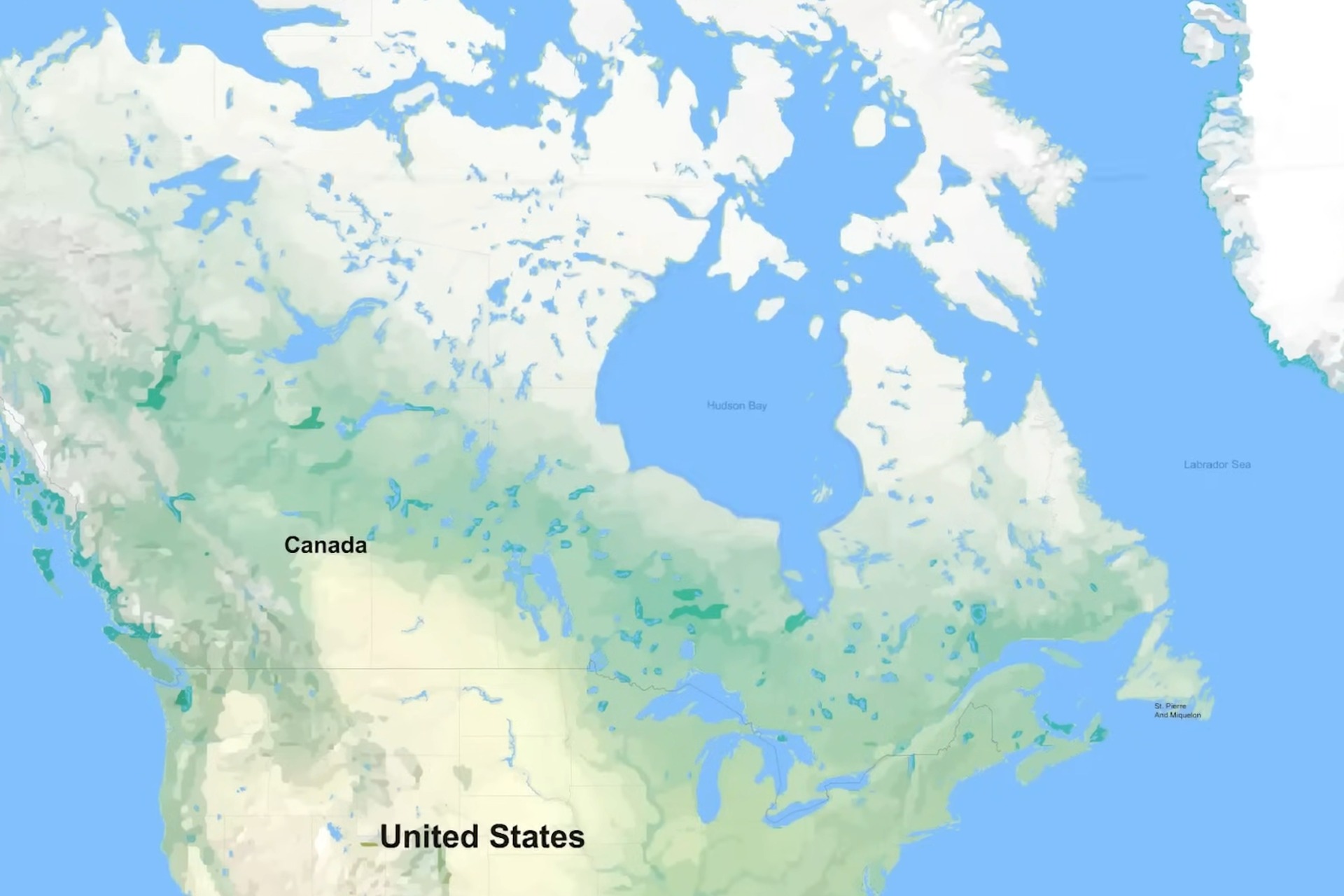
Hudson Bay, located in the northeast of the American continent, is one of the most remote and fascinating regions of Canada and the entire planet. Known for its natural beauty, unique biodiversity and its crucial role in the history of trade, this vast area is now facing new challenges and opportunities related to technological innovation and sustainability.
The bay, which was probably already reached by Sebastian Cabot in 1508 during his voyage in search of the Northwest Passage, owes its name to the English explorer Henry Hudson, who reached it in 1610 aboard the vessel “Discovery”.
Thanks to investments in renewable energy, the promotion of scientific research and a growing commitment to sustainable development, it is emerging as an example to the world of how isolated regions can contribute to growth and environmental protection through innovation.
That research on climate change in a shallow and not very salty sea
Despite being a relatively sparsely populated and difficult-to-access area, Hudson Bay has seen a growing interest in scientific research and technological innovation in recent years. Local universities and research centers, along with private projects, are exploring ways in which advanced technologies can be used to solve environmental problems and promote a more sustainable future for this vast and rugged region.
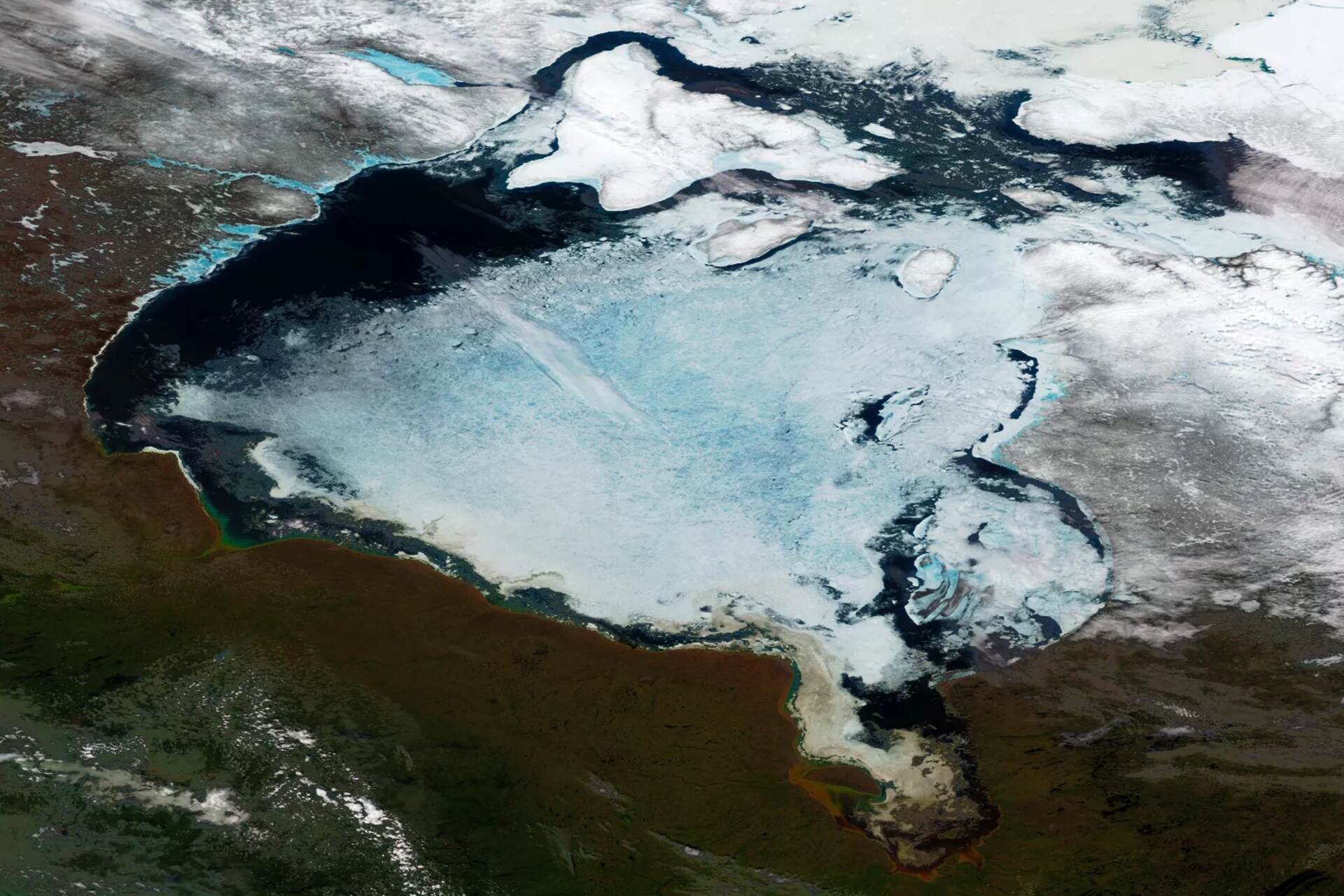
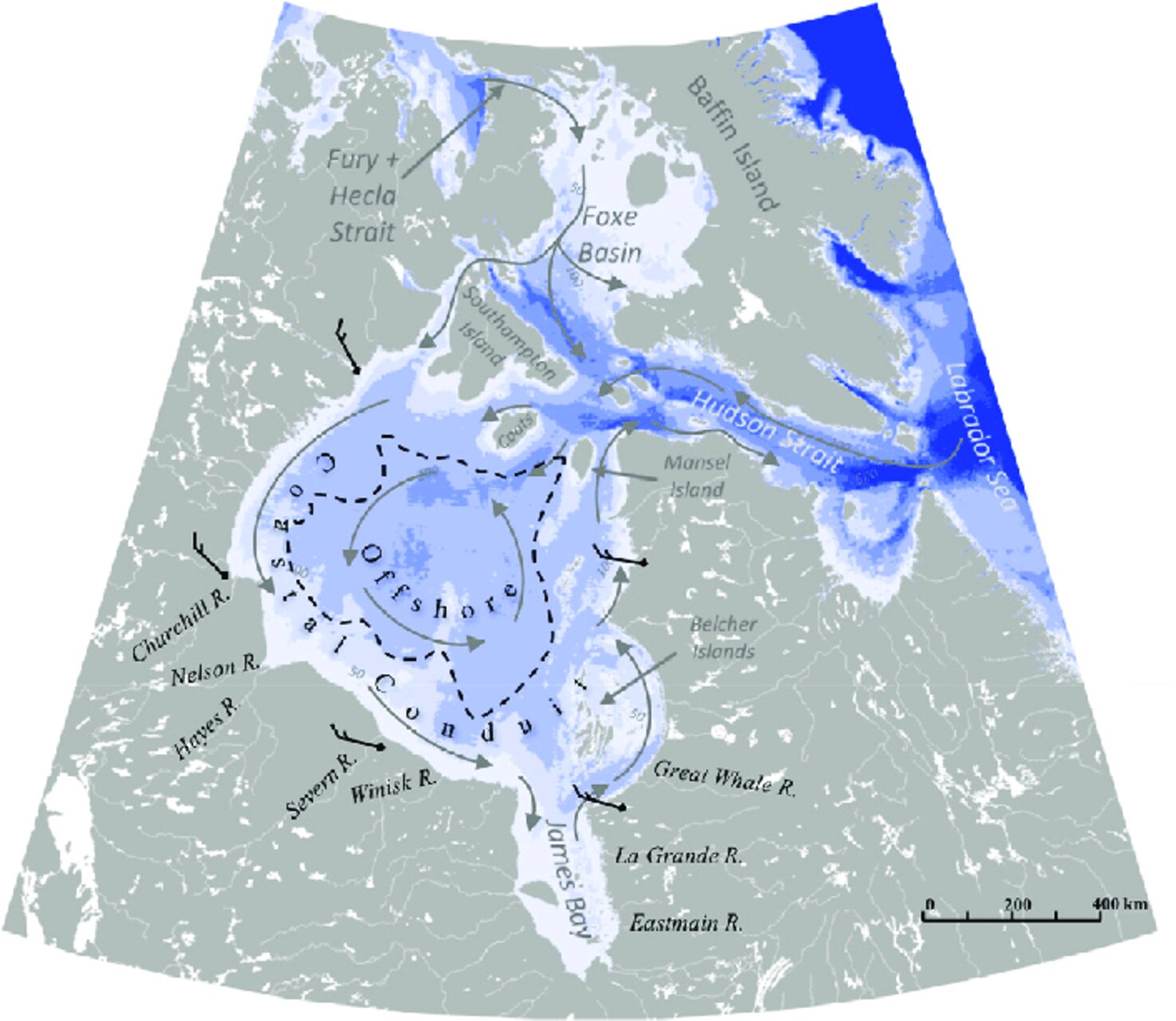
From a strictly geographical point of view, it is a large inlet of the Arctic Ocean, near the north-eastern coast of Canada. Covering an area of about 1.230.250 square kilometers, or almost half of the Mediterranean Sea, it is the largest marine bay in the world, although with an average depth and a water salinity much lower than that of the ocean.
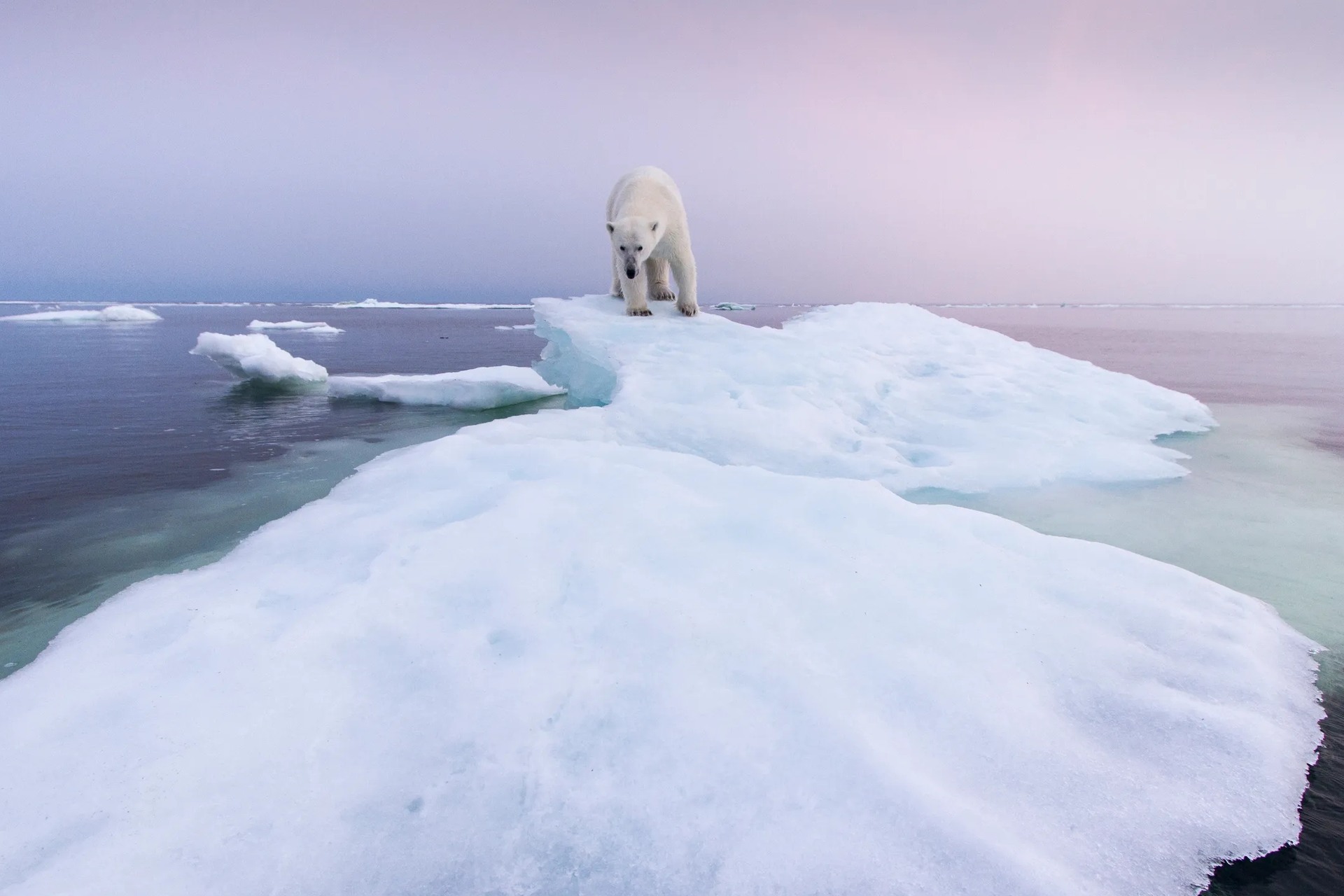
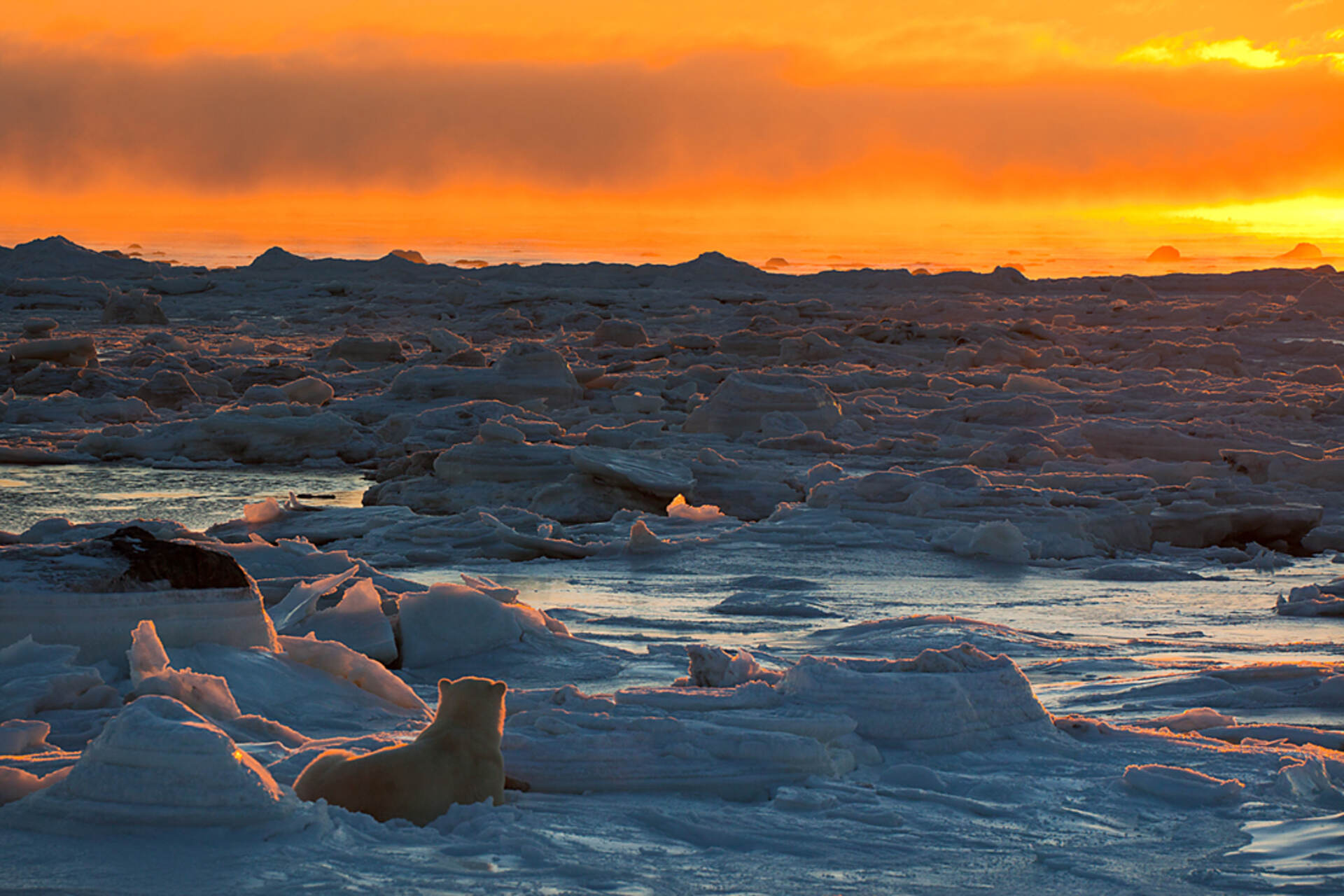
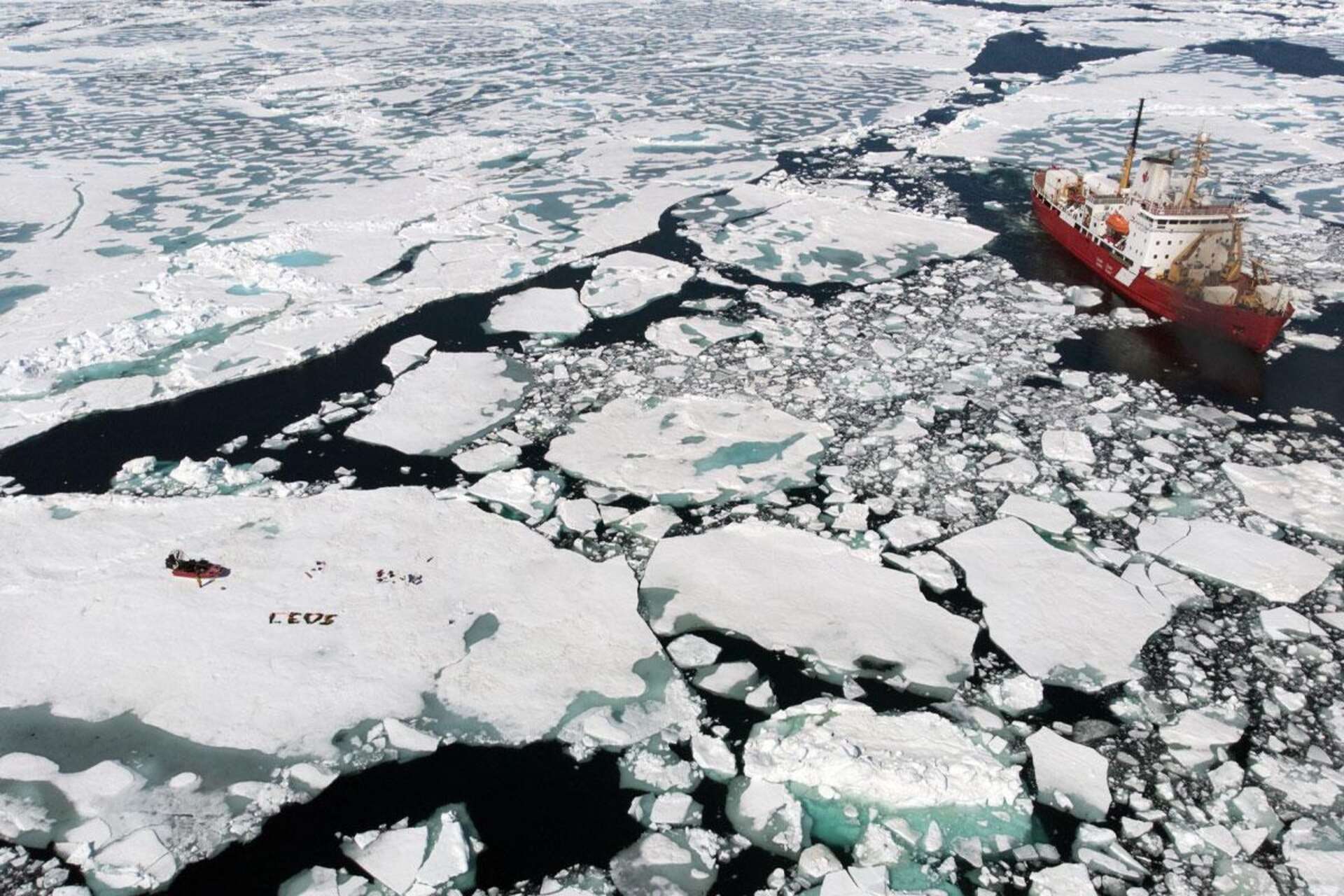
One of the main areas of development is climate change research, as Hudson Bay is one of the areas most sensitive to the effects of global warming. Local scientists and engineers, with the support of international institutions, are using environmental monitoring technologies and forecasting models to understand how the bay waters and surrounding lands are responding to climate change, particularly rising temperatures and changes in sea ice levels.
From the Hudson Bay Wind Project to a Renewed Interest in Hydropower
With a strategic location near the Arctic, Hudson Bay has great potential for renewable energy. Canada, a world leader in wind and solar energy, is aiming to utilize these resources in this remote region. Projects such as the Hudson Bay Wind Project, which harnesses the area’s strong winds, are under development and could significantly contribute to the production of clean energy for local communities.
Additionally, the region is exploring the potential of hydroelectricity, thanks to the presence of numerous rivers and lakes, which could serve to generate sustainable energy for more remote areas. Renewable energy production in Hudson Bay not only meets growing domestic demand, but could also position the region as a hub for exporting clean energy to the rest of Canada and surrounding regions.
The drainage basin of Hudson Bay (intended in a broader sense also to include the nearby James and Ungava Bays) falls on a significant part of Canadian territory, extending over significant portions of the territory of five Provinces, such as Alberta, Saskatchewan, Manitoba, Ontario and Quebec, and over two "dependencies", Nunavut and the Northwest Territories. To these must be added some regions of four American States, namely Montana, South Dakota, North Dakota and Minnesota.

Towards more green infrastructure and low-impact transport solutions
The geographic challenges of Hudson Bay, which includes vast lands with limited access, have historically hindered the construction of modern infrastructure. However, with growing interest in sustainable development, the Ottawa government and private companies are investing in green infrastructure projects and low-impact transportation solutions.
In order to facilitate trade, the Hudson's Bay Company built forts and trading posts at the mouths of the rivers. Thus, among other settlements, Churchill, Fort Severn, and York Factory were established. From these trading posts, goods were shipped directly to Europe. In 1869, the vast territories controlled by the Hudson's Bay Company were ceded to Canada.
One of the most promising initiatives today is building transportation and logistics networks that use electric vehicles and low-emission solutions to connect smaller cities and remote communities on Hudson Bay with the rest of Canada. This infrastructure improvement not only improves the quality of life for local residents, but is also a key part of Canada’s commitment to reducing its carbon emissions.

Sustainability in fishing and conservation of biodiversity with the help of native peoples
Hudson Bay is an area of enormous ecological importance, with a vast array of marine life, including whales, seals and many types of fish. However, overfishing and warming waters pose threats to the region's biodiversity. To address these challenges, Canada is implementing sustainable fishing practices and conservation projects.
In particular, fisheries management programs are balancing the needs of local communities with the need to protect marine ecosystems. The introduction of advanced technologies such as satellite monitoring systems to track illegal fishing and water quality is helping to ensure that Hudson Bay's natural resources are managed responsibly and sustainably.



Inuit, Cree and the Universities of Manitoba and Guelph Support International Research
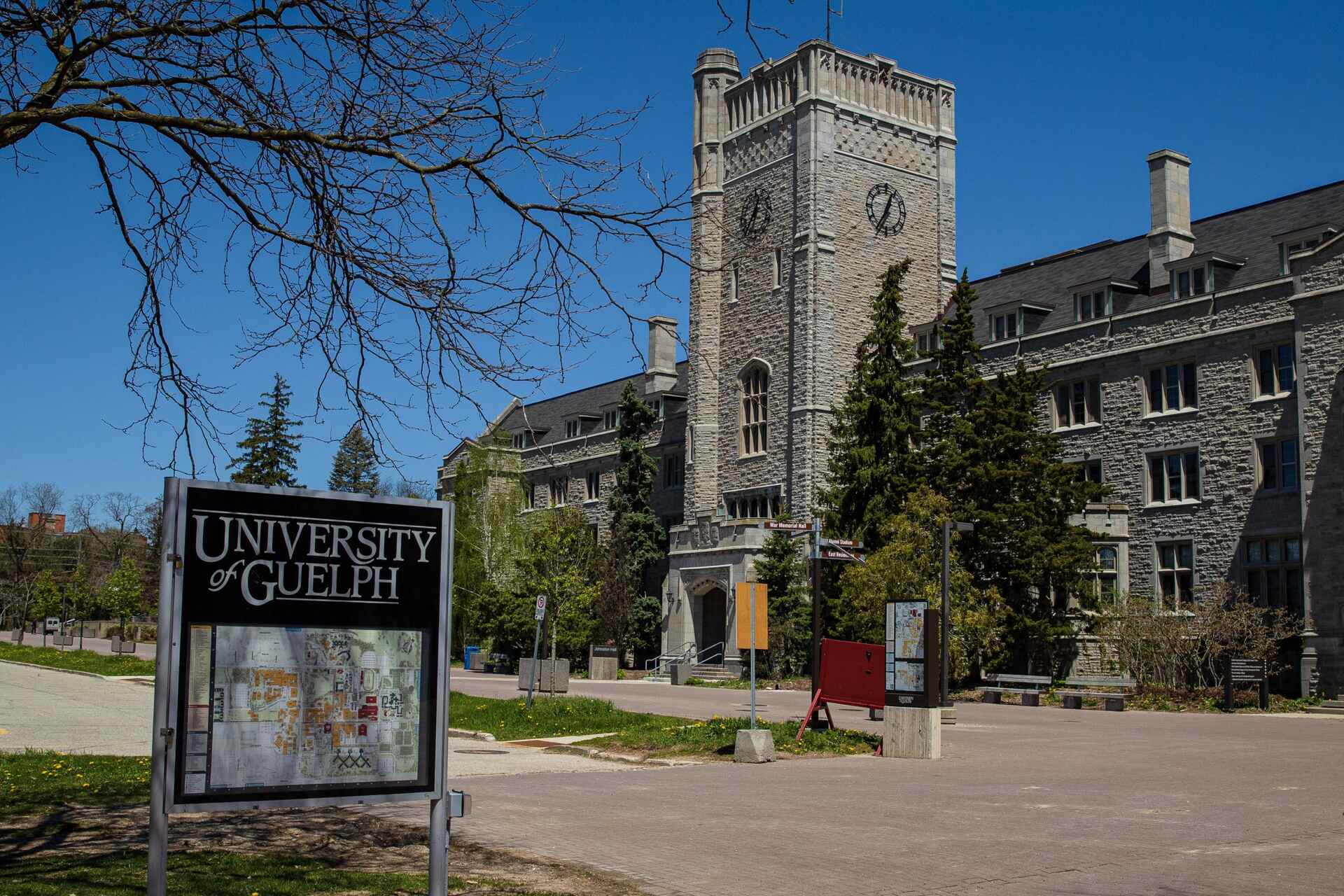
The Canadian government and research institutions are also actively promoting scientific and technological innovation to better understand the potential of Hudson Bay. Universities such as the University of Manitoba and the University of Guelph are involved in studies on climate change, biodiversity and energy solutions, collaborating with international agencies and technology companies to improve the resilience of the region.
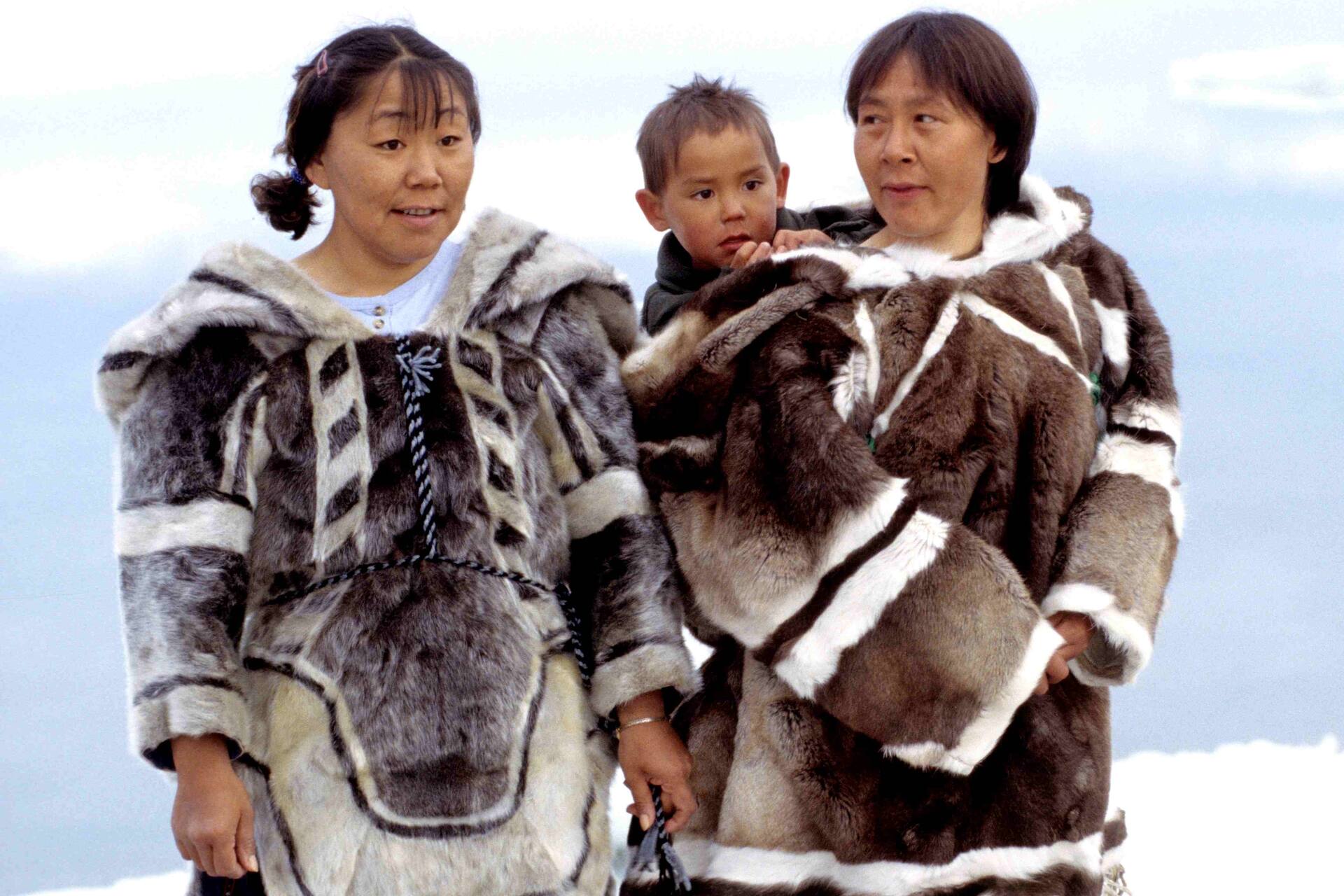
In addition, engaging indigenous communities in research and resource management is essential to ensure that solutions are respectful of local traditions and contribute to the equitable and sustainable development of the region. Inuit and Cree communities living in Hudson Bay are already involved in numerous environmental monitoring and education projects, working closely with researchers to protect the lands and waters they have inhabited for centuries.

Justin Trudeau: “This extraordinary area must be preserved for future generations”
The Canadian Prime Minister, Justin Trudeau, in office since 2015 and the son of another prime minister of the great North American country between the XNUMXs and XNUMXs, the French-speaking Pierre Trudeau, recently spoke on the matter, which is strongly felt by the population:
“Hudson Bay is one of our country’s most precious and vulnerable regions. Investing in green technologies, renewable energy and conservation practices will help us preserve this extraordinary area for future generations, while contributing to the global fight against climate change.”
An uncontaminated beauty and ecological importance that are an example for the world
With its pristine beauty and ecological significance, Hudson Bay is emerging as a hub of innovation and sustainability in the heart of Canada. Through strategic investments in renewable energy, green infrastructure, scientific research and conservation, this region is laying the foundation for a prosperous and sustainable future.
With the support of local communities and international collaboration, a vast and beautiful territory at the gateway to the Arctic has the potential to become a global example of how innovation and sustainability can go hand in hand to address the challenges of global warming and economic growth.
Canadian Prime Minister Justin Trudeau at the opening of the Churchill Rail Line in Manitoba
Here are three insights that might interest you:
Science, technology and innovation: agreement between Switzerland and Canada
Northwest Passage: Navigability Remains Unpredictable
Ontario Science Park Becomes Futuristic Hospital