SEARCH


Every year we ingest between 15 and 287 grams of microplastics, which accumulate mainly in the brain: where they come from and the health risks
The idea that very small fragments of PET and PVC can insinuate themselves into the most hidden folds of our organism can be disturbing, yet it seems that we will have to get used to living with this prospect – unless we decide to give up the wonders of plastic.
Synthetic clothing, food and drink containers, rubber teats and tea bags are just some of the everyday objects that release thousands of plastic fragments into the environment and end up accumulating in human organs. Studies that certify the presence of micro and nanoplastics in our body they are increasingly numerous and worrying, and the time has come to take stock.
The detailed report “All the Plastic We Don't See. Report on the Presence of Micro and Nanoplastics in the Human Body” brings together data from dozens of studies on microplastics in human organs and tissues and provides an overview of a widespread and worrying phenomenon, which appears particularly insidious as it is closely linked to habits and daily gestures which will be difficult to do without.
All the plastic we don't see: the report
When you think about theimpact of plastic on the planet, the first images that come to mind are those related to environmental pollution. marine animals suffocated by our waste and the invisible islands of floating microplastics that infest the oceans, however, are not the only side effect of humans' immoderate love for synthetic polymers.
Several studies have certified the presence of micro and nanoplastics in human blood and tissue, and a recent research by the University of Campania Luigi Vanvitelli has demonstrated for the first time the direct correlation between the presence of plastic in the organism and the cardiovascular diseases.
Given these premises, it is increasingly difficult not to ask ourselves what the long-term effects of this could be. massive global exposure to micro and nanoplastics. First, however, we need to understand how much plastic can accumulate in the human body, where it comes from and in which organs it tends to concentrate most.
This is what the authors of the decided to do. Vera Studio report "All the Plastic We Don't See. Report on the Presence of Micro and Nanoplastics in the Human Body”, presented at the Planetary Health Festival in Verona (3-5 October 2024). The report, edited by Raffaele Marfella and Pasquale Iovino ofLuigi Vanvitelli University of Campania and Francesco Prattichizzo of IRCCS MultiMedica, is the most complete survey of scientific studies conducted to date, worldwide, on the presence of plastic in the human body. And the conclusions are not the best.
Microplastics: the health risks
Apparently stronger than the voices of scientists and researchers, the global plastic production continues to increase: it is estimated that it could rise to 25 billion tons, and will continue to increase until 2050. Yet we now know very well that plastic accumulates in the environment with devastating effects and that contamination has also reached the most remote corners of the planet.
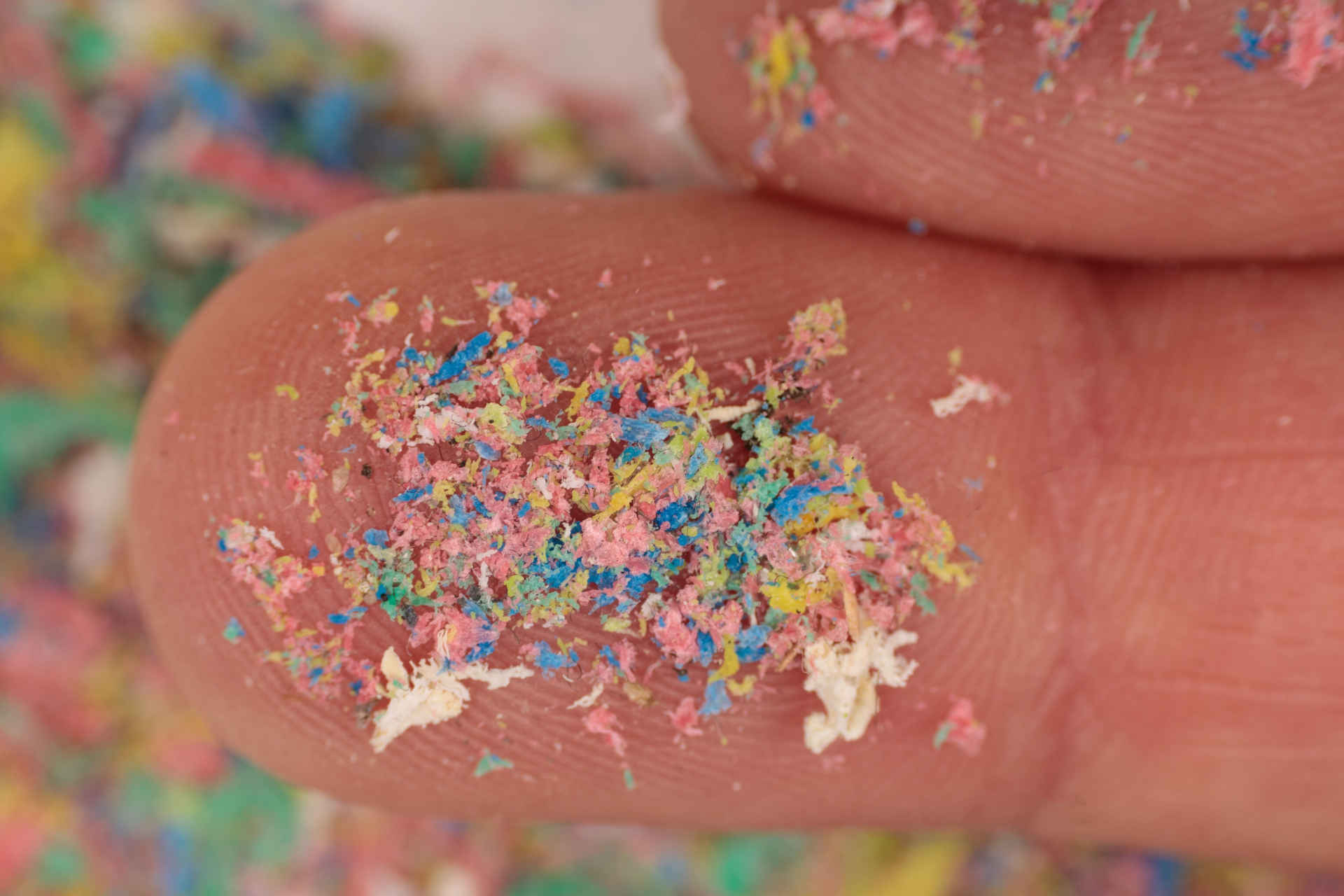
Most of the dispersed plastic ends up in the oceans, the report says, while currents and wind favor its distribution. These materials then degrade in microplastics (<5mm) and nanoplastics (<1000 nm) capable of entering the body of humans and other animals not only through ingestion, but also through inhalation and following direct contact with the skin.
Recently, in a study published in “The New England Journal of Medicine”, researchers from the Department of Medical Sciences of the Luigi Vanvitelli University have demonstrated for the first time the presence of Micro and nanoplastics (MNPs) in carotid plaque samples taken from patients undergoing surgical procedures for its removal.
Il polyethylene was present in more than half of the samples analyzed, and a small portion of patients also had traces of polyvinyl chloride, or PVC. The same study also demonstrated for the first time the direct correlation between the presence of MNP and theincidence of myocardial infarction and stroke.
The team of researchers therefore decided to analyze all the most recent studies demonstrating the presence of MNP in human organs, thus updating the only systematic review available on the subject, dating back to 2023, which does not include important new discoveries.
Where do microplastics come from?
The scientists selected all studies reporting evidence of MNP in human tissue and pooled data from around the world in order to “to generate a collective vision of the state of the art in the field and to identify knowledge gaps that still exist".
Plastic has been detected in thewater in bottles and on tap, in seafood, in beer, in milk, in cooking salt, in sugar, in honey, in white wine and in carne of chicken. Human exposure to microplastics, it is increasingly clear, begins precisely through daily dietary intake.
An interesting study from 2023, for example, examined 14 samples of packaged milk of various brands sold on the Turkish market, finding traces of fibres and fragments of plastic 5 different polymers, including nylon-6. The research then characterized the plastics under the microscope, finding that over 70% of them were black plastics. This suggests that the source of contamination is not in the packaging, generally white or transparent, but in the machinery used during production and packaging.
Other studies show that plastic packaging, cups and containers and rubber teats release micro and nanoplastics, especially if they are reheated in the microwave. And the list of sources is still long: a single tea bag can release 11,6 billion microplastics and 3,1 billion nanoplastics into the water, while the water of plastic bottles can contain between 110.000 and 370.000 particles per liter (mostly PET). Not to mention the impact of machine washing of synthetic garments, one of the primary sources of microplastic pollution, and airborne particles that can enter our respiratory system.
Plastic builds up in the brain
But how much plastic is in our body, and where does it end up? The answer provided by the report is far from comforting: after a systematic review of all scientific articles that have evaluated the possible exposure to MNP from multiple sources, the Italian researchers provide an estimate of the annual intake of micro and nanoplastics that goes 15 to 287 grams per person.
MNPs have been detected in virtually all human organs, with very high concentrations in brain, in the placenta and in the cardiovascular system.
“To give you an idea, the concentration of MNP levels detected in the brain corresponded to the equivalent of approximately one third of a 1,5-liter plastic water bottle present in an average-weight adult brain”.
According to another study, the women they appear to present higher concentrations than men, at least in some organs.
As stated in the report, the available evidence is insufficient to hypothesize a clear and general pathogenic role for MNPs. However, a recent investigation has shown that the presence of placental plastics is correlated with a reduced fetal growth in pregnancies with growth restriction, and scientists are not without concern about what we may discover in the coming years.
Is it possible to limit exposure to microplastics?
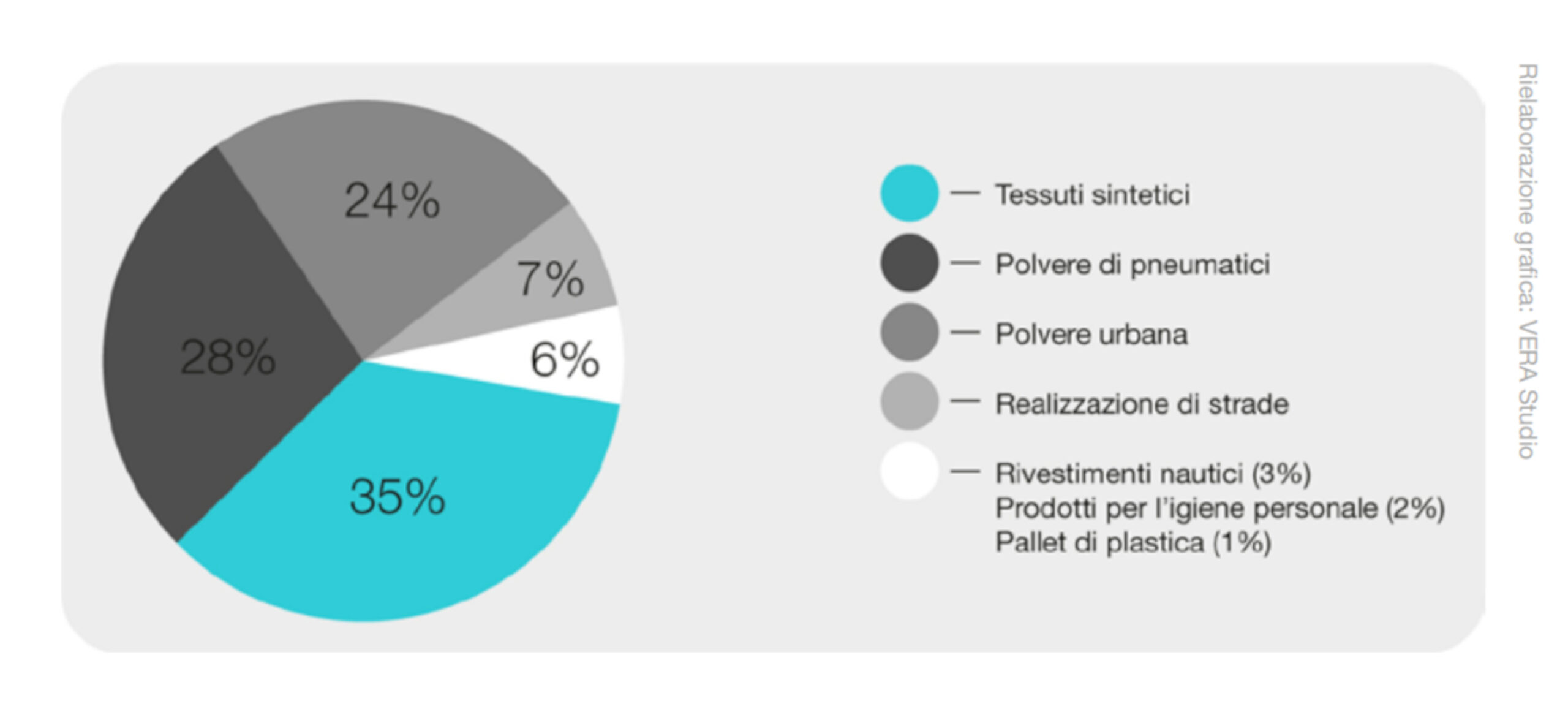
Micro and nanoplastics that are contaminating our organism, the report states, essentially come from food and everyday objects. The most frequent polymers, among those identified in human organs and tissues, are polyethylene, PVC, PET, polypropylene, polymethyl methacrylate (PMMA), polyurethane, polycarbonate and polystyrene. This could be due to their widespread diffusion: these plastics, in fact, are found in most of the containers for food, liquids and cosmetics and also in water pipes.
As stated in the report,
“Without urgent and effective global action on plastic production and people’s lifestyles, this impact will only increase in severity. Therefore, there is a need to curb the reckless increase in plastic production and, in particular, the production of an ever-widening range of unnecessary plastic products.”
In the meantime, to mitigate exposure to MNPs, the researchers explain, we can only act on an individual basis. How? By limiting the use of plastic containers and avoiding heating food in plastic containers in the microwave, but also trying to avoid the use of synthetic clothing, which should be washed strictly without pre-washing.
Here are three insights that might interest you:
Chemicals from tires end up in our food
When nanoplastics are not what they seem
Plastic in the Atlantic: the 5 riskiest areas for animals