SEARCH



An infrastructure in the Ellsworth Mountains strengthens Chile's polar research through advanced logistics, military-scientific cooperation and climate studies.
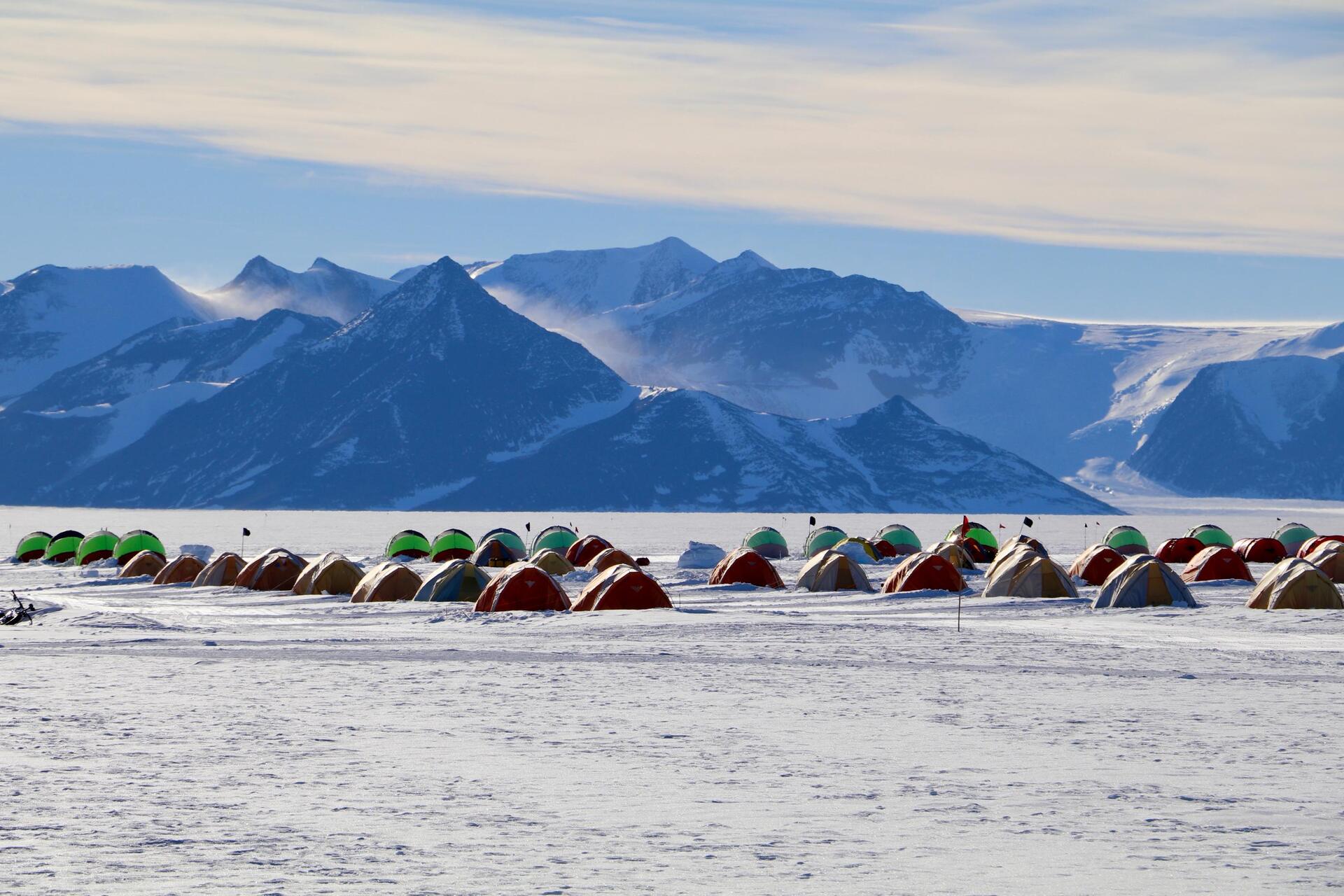
At nearly eighty degrees south latitude, in the most remote sector of theWestern Antarctica, the Estación Polar Científica Conjunta Glaciar Unión Today, it represents one of the most significant experiments in integrating scientific research, logistics innovation, and polar governance. Active during the austral summer season, the Chilean base is not only a national presence, but an operational platform designed to support frontier science, complex missions and new models of cooperation within the framework of the Antarctic Treaty.
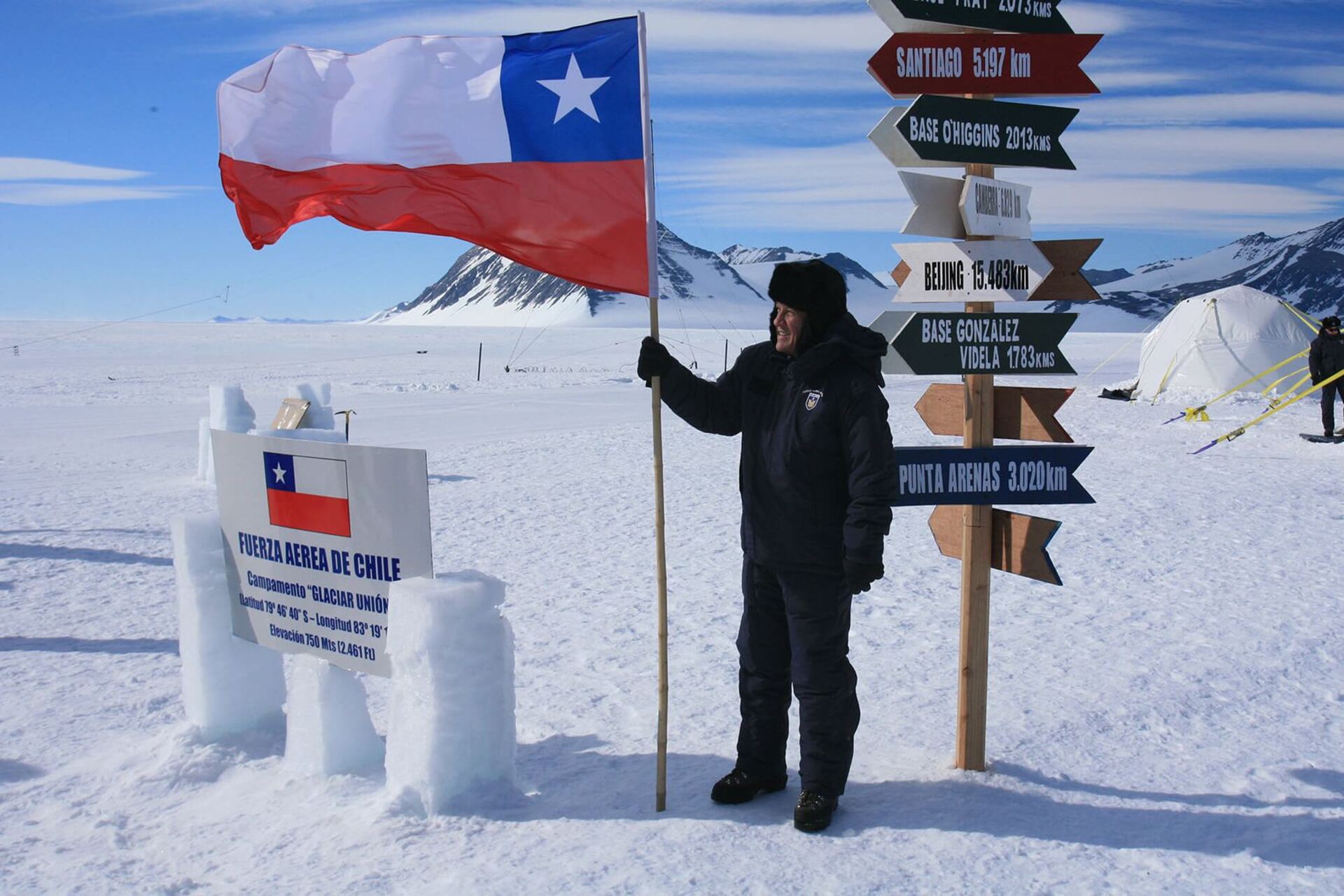
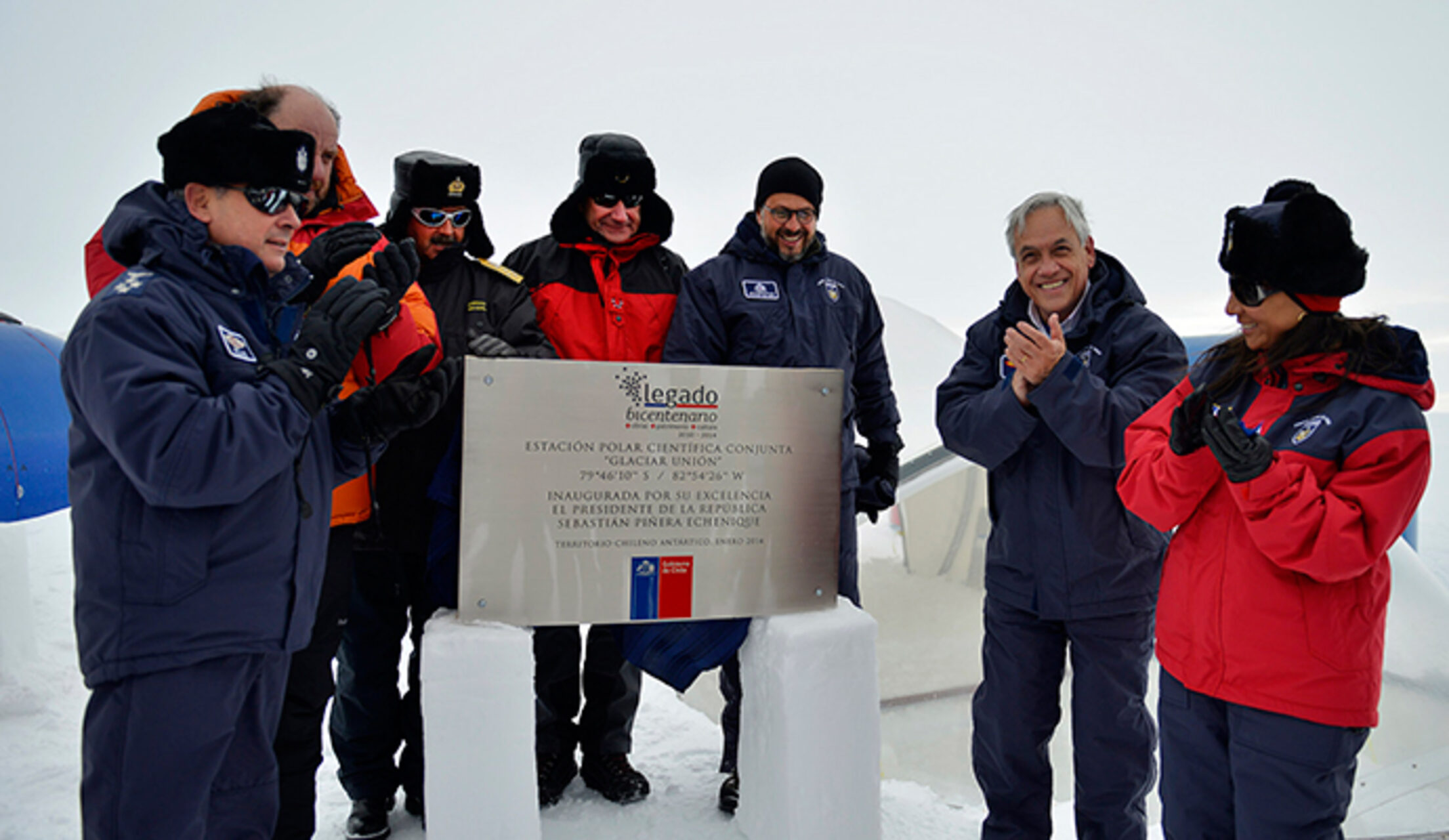
Inaugurated in 2014 and jointly managed by theInstituto Antártico Chileno (INACH) and by Armed Forces of Chile, the structure is located on the Union Glacier, in the Ellsworth Mountains, About 1.080 kilometers from the South PoleIt's an extreme location that requires out-of-scale technological and organizational solutions, transforming the base into a true testing ground for innovation applied to the planet's most hostile environments.
Unlike many coastal stations in Antarctica, Glaciar Union operates in an inland, high-altitude area, characterized by particularly severe weather conditions and a significant distance from major logistics routes. This location makes the base an atypical facility in the Antarctic landscape, more akin to an advanced scientific exploration hub than a traditional support station, with direct implications for the type of research that can be conducted and the operational methods required to support it.
(Photo: ACE)
A summer outpost designed for frontier science
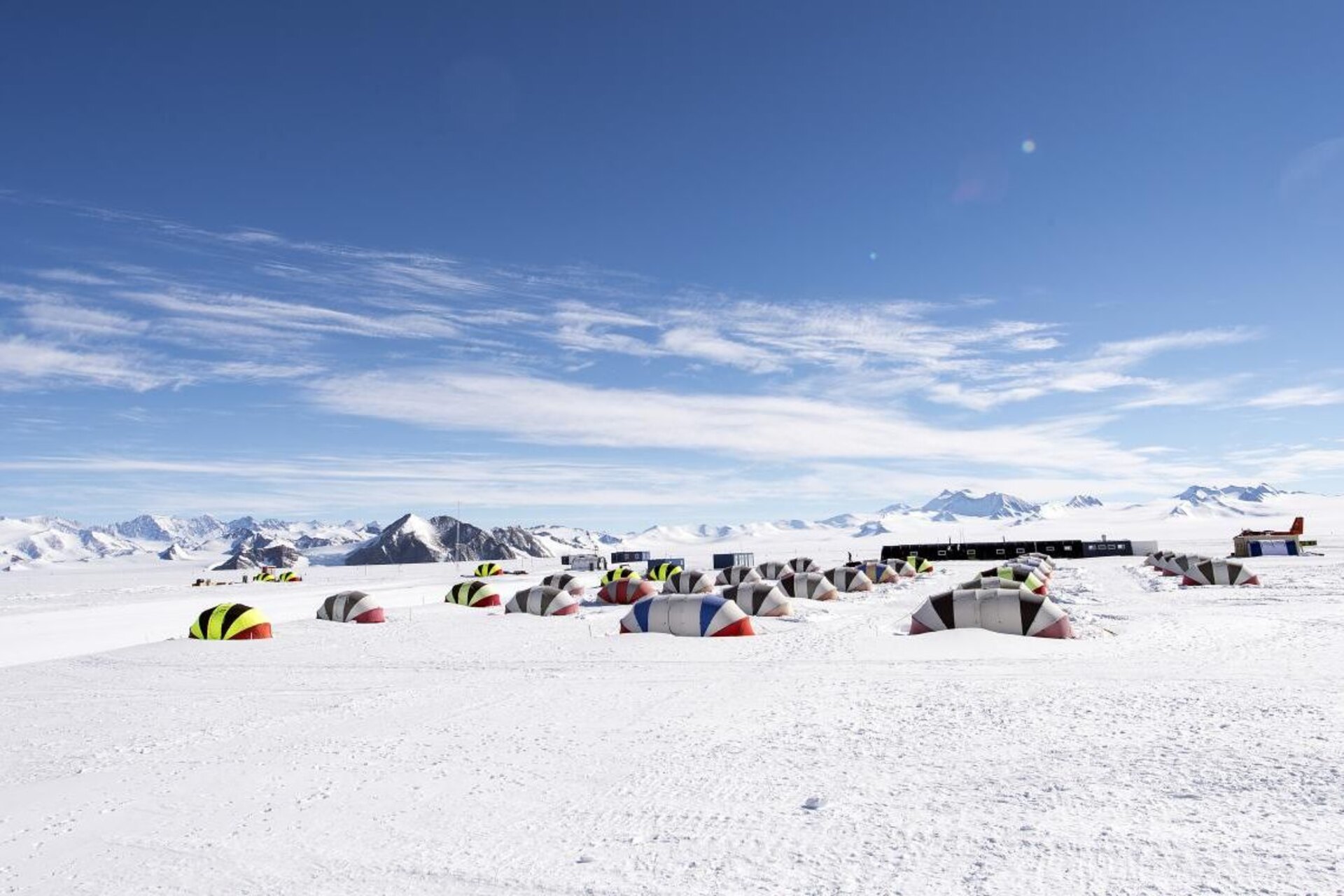
The choice to build a summer-only base meets operational and scientific sustainability criteria. With a maximum capacity of approximately fifty people, the station operates between November and January, concentrating high-intensity research activities into just a few weeks. This model allows for resource optimization, reduced environmental impact, and rapid adaptation of infrastructure to mission needs.
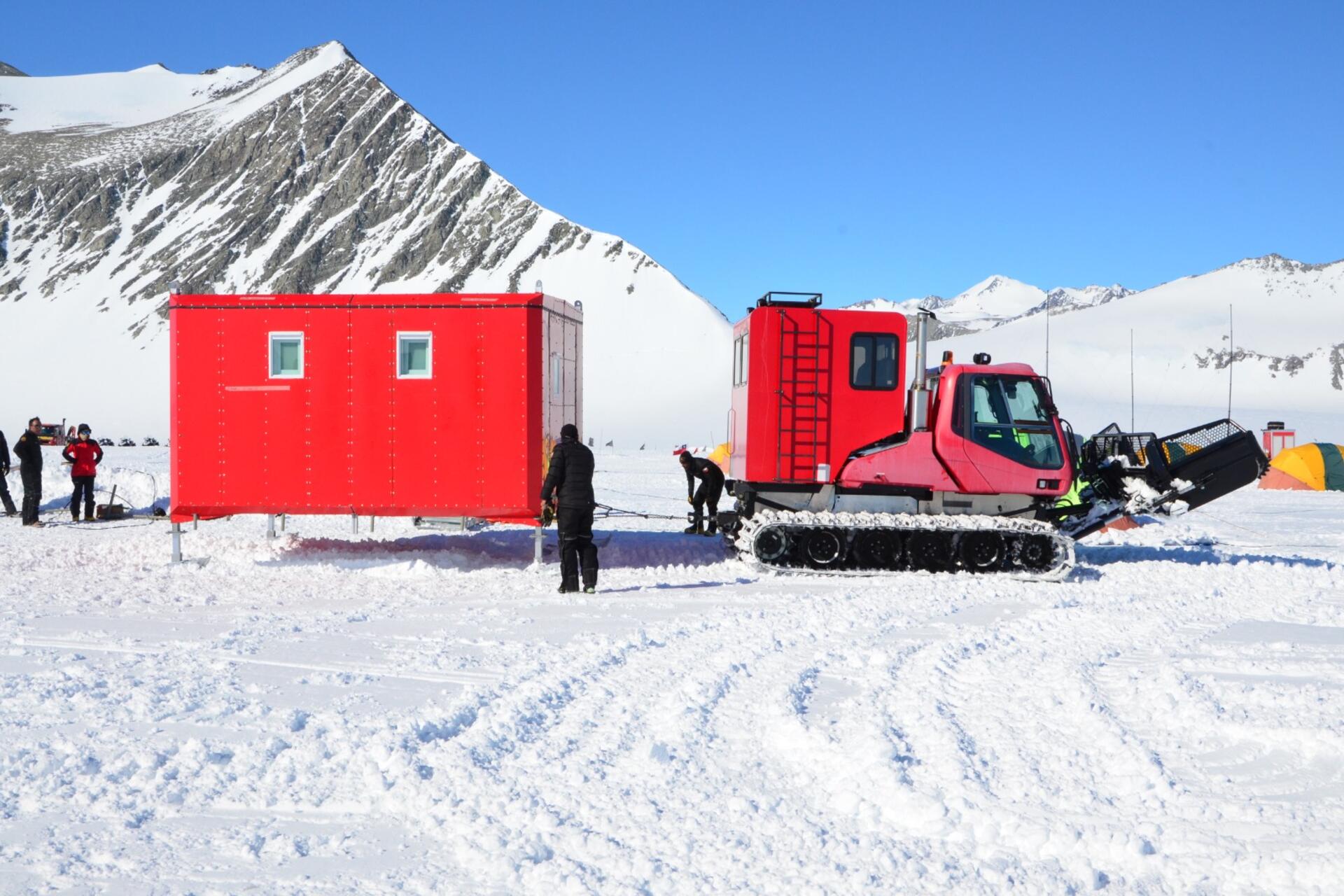
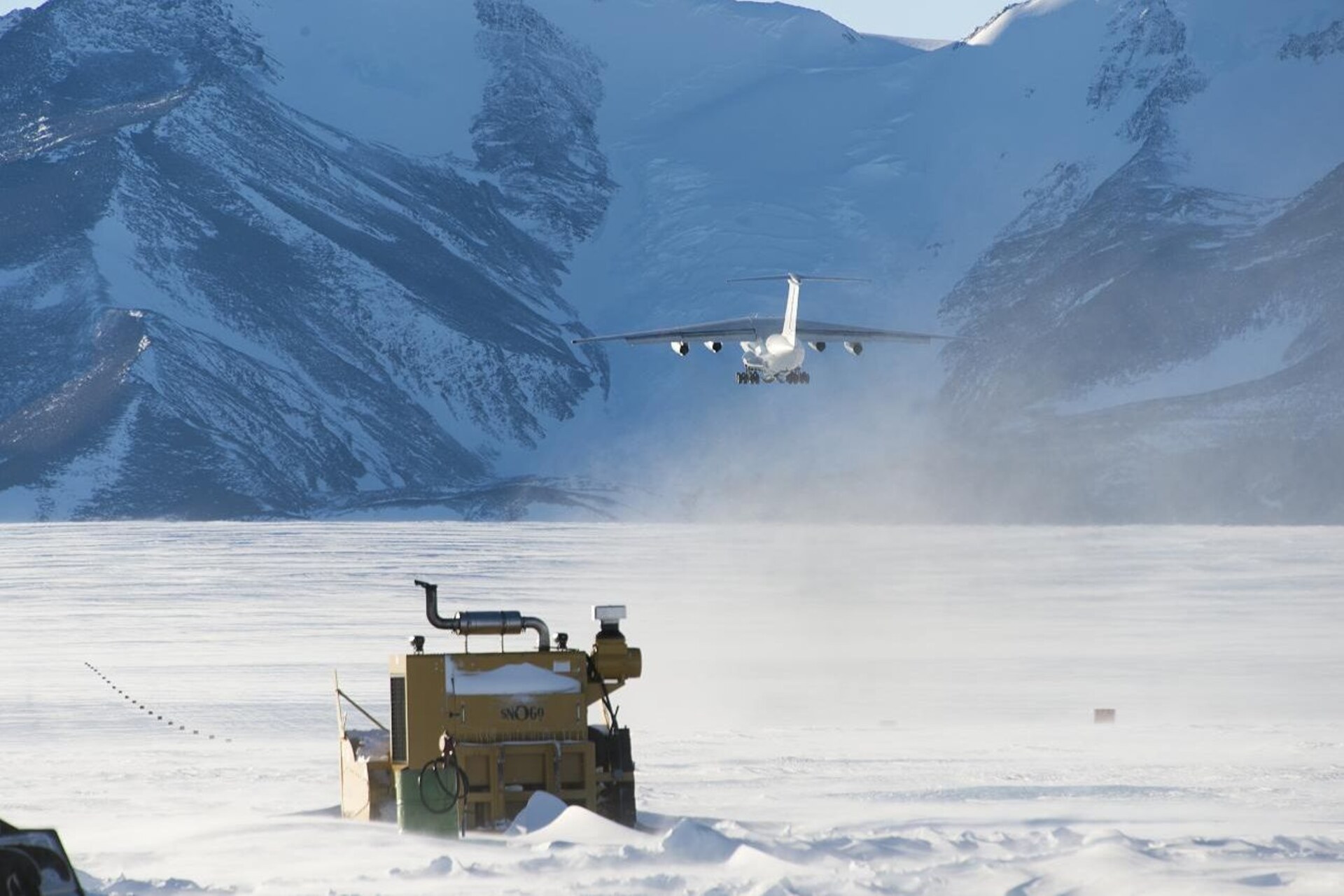
On the technological level, Glaciar Unión integrates prefabricated housing modules, redundant energy systems and advanced logistics solutions for landing heavy aircraft on natural ice runways. The presence of a operational airfield, initially developed also thanks to private expertise specialized in Antarctic logistics, allows direct connections with the Continental Chile and with others scientific basis, reducing operation times and risks.
The base's day-to-day management requires extremely careful planning: limited weather windows, temperatures that can drop well below minus 30 degrees Celsius, and the lack of permanent infrastructure require flexible and redundant solutions. In this context, Glaciar Unión also functions as a logistics testing laboratory, where transportation, storage, and self-sufficiency procedures adaptable to other extreme environments are tested, from high mountains to future international polar missions.
This access capability makes the base a strategic node for scientific expeditions into the interior of the continent, including glaciological, geophysical, and climatological missions requiring rapid and reliable support.
Data, aircraft, and ice: the climate challenge in West Antarctica
In recent years, the station has taken on an increasing role in studying the effects of climate change on the ice shelves of theWestern Antarctica, one of the most sensitive areas of the continent. A symbolic step in this direction took place in December 2024, when for the first time a P-3ACH Orion aircraft of Chilean Navy landed in Glaciar Unión as part of the Antarctic campaign “Hielo V”.
The mission aimed to measure the thickness of the ice shelves and collect high-resolution geophysical data, essential for understanding the evolution of glaciers and their contribution to sea level rise. Operations of this kind require close coordination between scientists, technicians, and military personnel, as well as sophisticated instrumentation capable of operating in extreme conditions.
The data from the Ellsworth Mountains area are considered particularly relevant because they refer to an inland region that is still under-monitored compared to the continent's coastal sectors. The measurements taken help fill significant gaps in global climate models, especially regarding the dynamics of inland glaciers and their potential future impact on ocean balance.
Secondo Marcelo Leppe Cartes, national director of theChilean Antarctic Institute,
“Glaciar Unión allows Chile to develop advanced Antarctic research in areas previously difficult to access, improving the quality of scientific data and our ability to interpret global climate processes.”
When the army and science share the same mission
One of the most innovative aspects of the station is its joint management model. The integrated presence of Army, Armada e Air Force, alongside civilian researchers, allows for efficient sharing of expertise, resources, and procedures. This approach reduces operating costs and increases mission resilience, a crucial factor in a context where any logistical error can jeopardize months of scientific work.
From the point of view of Antarctic governance, Glaciar Unión fits into the Chilean strategy of actual presence in the continent, consistent with the country's international commitments and with the framework of the Antarctic Treaty System. The base in fact contributes to strengthening the role of the Chile as a reliable scientific player, capable of offering logistical support to international research programs.
For Gino Casassa Chávez, glaciologist and former director of the Instituto Antártico Chileno,
“In Antarctica, collaboration between military operational capabilities and the scientific community is an indispensable condition for ensuring safety, mission continuity, and quality of results, especially in the continent's most remote areas.”
From national presence to science as a common heritage
If the geopolitical dimension remains an integral part of the Chilean Antarctic presence, the evolution of the base shows a growing attention to science as a global public goodThe data collected at Glaciar Unión feeds international studies on climate, cryosphere, and atmospheric dynamics, contributing to forecasting models used well beyond the country's borders.
Despite being a nationally managed base, Glaciar Unión is part of a broader network of scientific cooperation, including collaborations with foreign research programs and international organizations active in the study of the cryosphere. This approach maximizes the value of the data collected and strengthens Chile's role as a credible partner within the polar scientific community.
In the lasts thirty-six months, the INACH It has strengthened its open science and data sharing programs, in line with the recommendations of the main polar science networks. In this context, the base serves as a primary data collection platform, capable of supporting multidisciplinary campaigns under tight deadlines but with high scientific quality.
The future challenge will be to maintain this balance between national needs, international cooperation and environmental sustainability,, in a continent increasingly central to the global climate debate.
Glaciar Unión and the Future of Extreme Polar Infrastructure
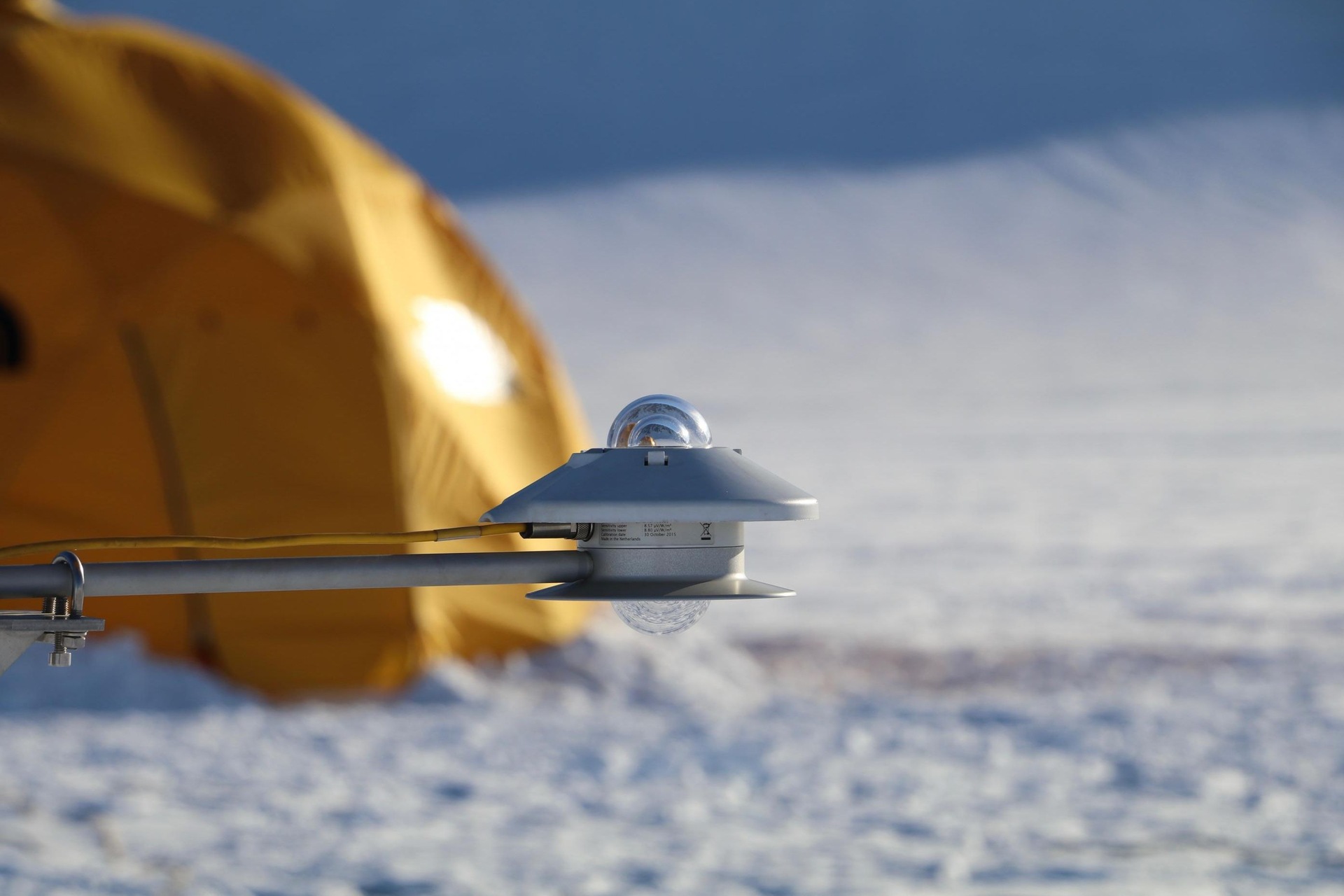
Looking to the next few years, Glaciar Unión appears set to consolidate its position as polar innovation laboratory, where logistical solutions, monitoring technologies, and organizational models that can be replicated in other extreme contexts can be tested. The growing complexity of climate research will require flexible bases, capable of rapidly adapting to new scientific questions and evolving environmental scenarios.
In a context where Antarctica is increasingly central to understanding the planet's climate evolution, infrastructures like Glaciar Unión take on a value that goes beyond the national dimension. The ability to combine research, operational innovation, and scientific cooperation makes this base of Chilean Antarctic Territory a privileged observatory on how responsible human presence on the most fragile continent on Earth could evolve in the coming decades.
360° Antarctic eclipse from the Estación Polar Científica INACH
Here are three insights that might interest you:
Patagonia and Antarctica join forces in a digital science hub
Innovation at the Edge: Remote Bases in Antarctica
Argentina at the South Pole: Seventy Years of Continuous Innovation