SEARCH


Chemistry surrounding microalgae investigated for the first time: a mucus thickens molecules to guide bacteria into the phycosphere
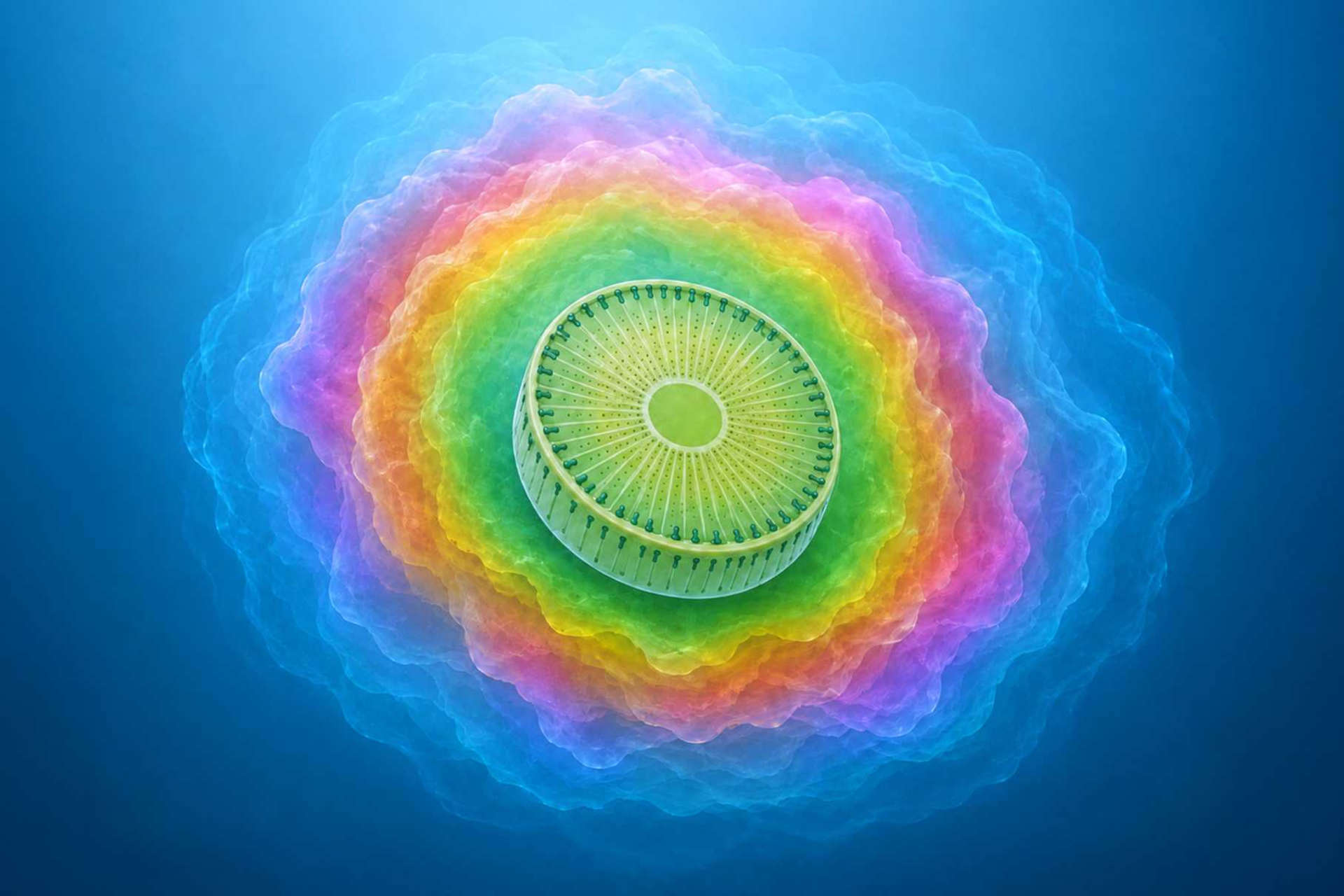
A micro-universe invisible to the naked eye regulates the breathing of our planet. Amid the waves of the seas, a thousand years of energy is consumed every day.microscopic but fundamental alliance, where chemistry replaces words and the language of molecules guides the fundamental building blocks of marine life. A research by Swiss Federal Institute of Technology (ETH) Zurich reveals for the first time the secret architecture of this microcosm, revealing how a thin layer of mucus transforms the surface of the microalgae in a compass for ocean bacteria.
Phycosphere, the microscopic universe that nourishes the oceans
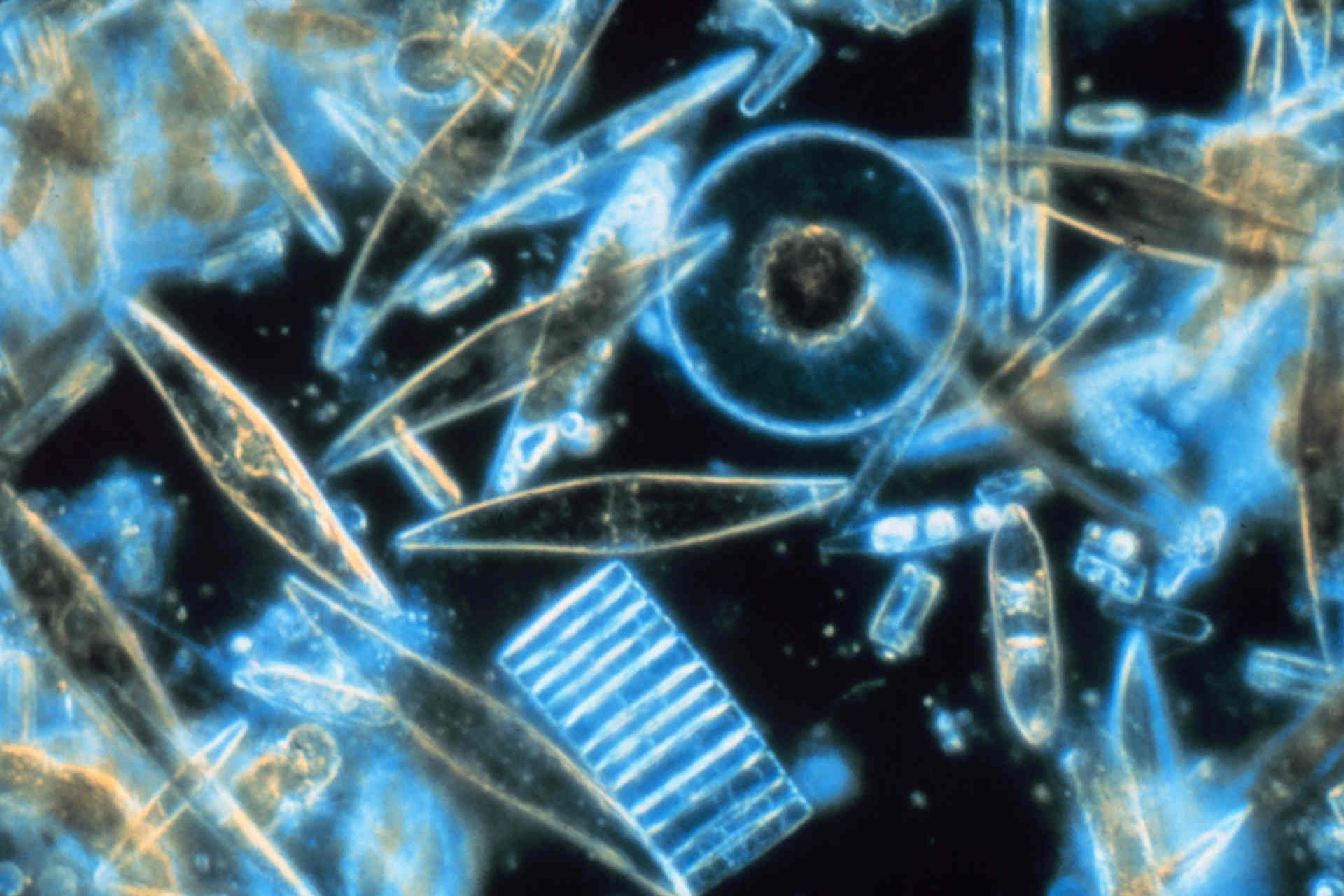
One of the most important biological processes on the planet takes place at nanoscales, in the boundless silence of the ocean surface. Here it happens almost half of photosynthesis that oxygenates the Earth: the microscopic algal cells that make up the phytoplankton, which easily equal the productivity of all land plants combined, also underlie most ocean food webs.
Each photosynthetically active cell releases a large amount of organic substances, which gradually disperse into the surrounding seawater. A small cloud of substances thus forms around each microalgae, a localized microenvironment that researchers have called phycosphere – analogous to the Earth's rhizosphere, the portion of soil surrounding plant roots, from which they absorb essential nutrients and the water needed for growth.
How do you explain Roman Stocker, professor at the Institute of Environmental Engineering at ETH Zurich,
“The phycosphere is one of the most important markets for organic carbon in the oceans.”
It is now recognized that the phycosphere mediates interactions between phytoplankton and bacteria, which shape the global carbon cycle in the oceansThis microenvironment contains chemical signals that can be detected by a wide range of bacteria, which follow these substances to move toward the microalgae. Yet, the chemical gradients around individual phytoplankton cells have never been explicitly measured. It is classically assumed that their shape is determined by ideal diffusion.
Today, however, researchers at ETH have taken an important step towards deciphering the chemical language that mediates these interactions.
Phytoplankton “layered” like onion skin
The team led by Stocker measured for the first time the fucoxanthin concentrations, a carotenoid pigment, in the immediate vicinity of individual living microalgal cells. The researchers used a technique called Raman microspectroscopy to carefully map the chemical environment around the phytoplankton and discovered that, as is often the case, things are more complex than previously thought.
As can be read in the study published in the journal Proceedings of the National Academy of Sciences, the concentration of fucoxanthin increases much more sharply than expected near the phytoplankton cell. This indicates that the phytosphere is made up of several layers which wrap themselves like the skin of an onion around the microalgae in the center, creating spherical shells progressively larger.
The chemical properties of the exuded substances determine the extent of the individual layers, the researchers explain. water-soluble substances like sugars and amino acids behave as predicted by simple diffusion: their concentration decreases very gradually as the distance from the microalgae increases. Those water repellent Like fucoxanthin, however, they behave differently. The photosynthetic pigment, in fact, remains highly concentrated near the microalgae and its levels decrease sharply within about ten micrometers of the cell surface.
Zachary Landry e Richard Foffi, the two lead authors of the study, discovered that a thin layer of mucus surrounding the microalgae could be responsible for this phenomenon.
The discovery: a mucus that guides bacteria towards microalgae
According to the researchers, one mucus-like layer It surrounds the microalgae and influences the diffusion of certain substances. Specifically, Foffi explains,
"facilitates the dispersion of water-repellent substances in the water".
At the same time, the mucus retains these molecules, preventing them from moving away from the cell and causing significantly higher concentrations near the cell surface.
"This creates much stronger chemical signals. This makes it easier for bacteria to locate tiny microalgal cells in the ocean."
adds Landry.
This discovery forever changes our understanding of the phycosphere, and has profound implications for models of interactions between phytoplankton and bacteriaThe environment surrounding microalgae is much more complex than previously thought. These new insights, the researchers conclude, could reveal new information about a crucial aspect of the ocean carbon cycle.
Here are three insights that might interest you:
Aquascope and the fascinating microcosm of Lake Zug
Whale Urine Nourishes World's Oceans: New Study
Industrial fishing threatens blue carbon reserves