SEARCH


The vast Pacific archipelago is banking on renewable energy and innovative solutions to combat the effects of global warming
In the collective imagination, Fiji is often associated with idyllic beaches and crystal-clear waters. However, this Pacific archipelago is rapidly becoming a global reference point for another reason: its leadership in the adoption of solar microgrids and the fight against climate change.
With a population of around 900.000 spread across more than 300 islands, Fiji faces unique challenges in securing energy access and mitigating the effects of global warming. The answer? An innovative approach based on renewable technologies and decentralized solutions.
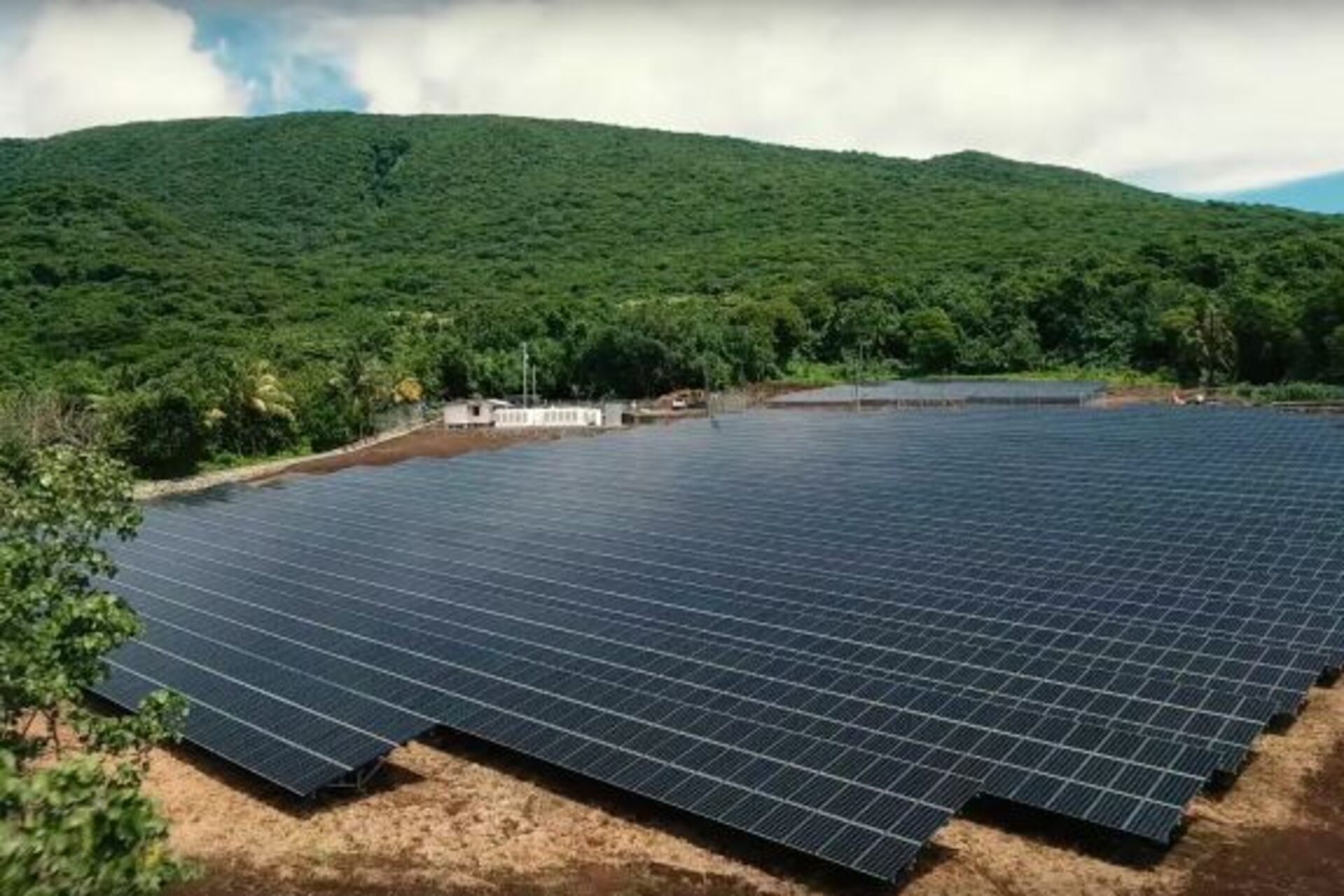
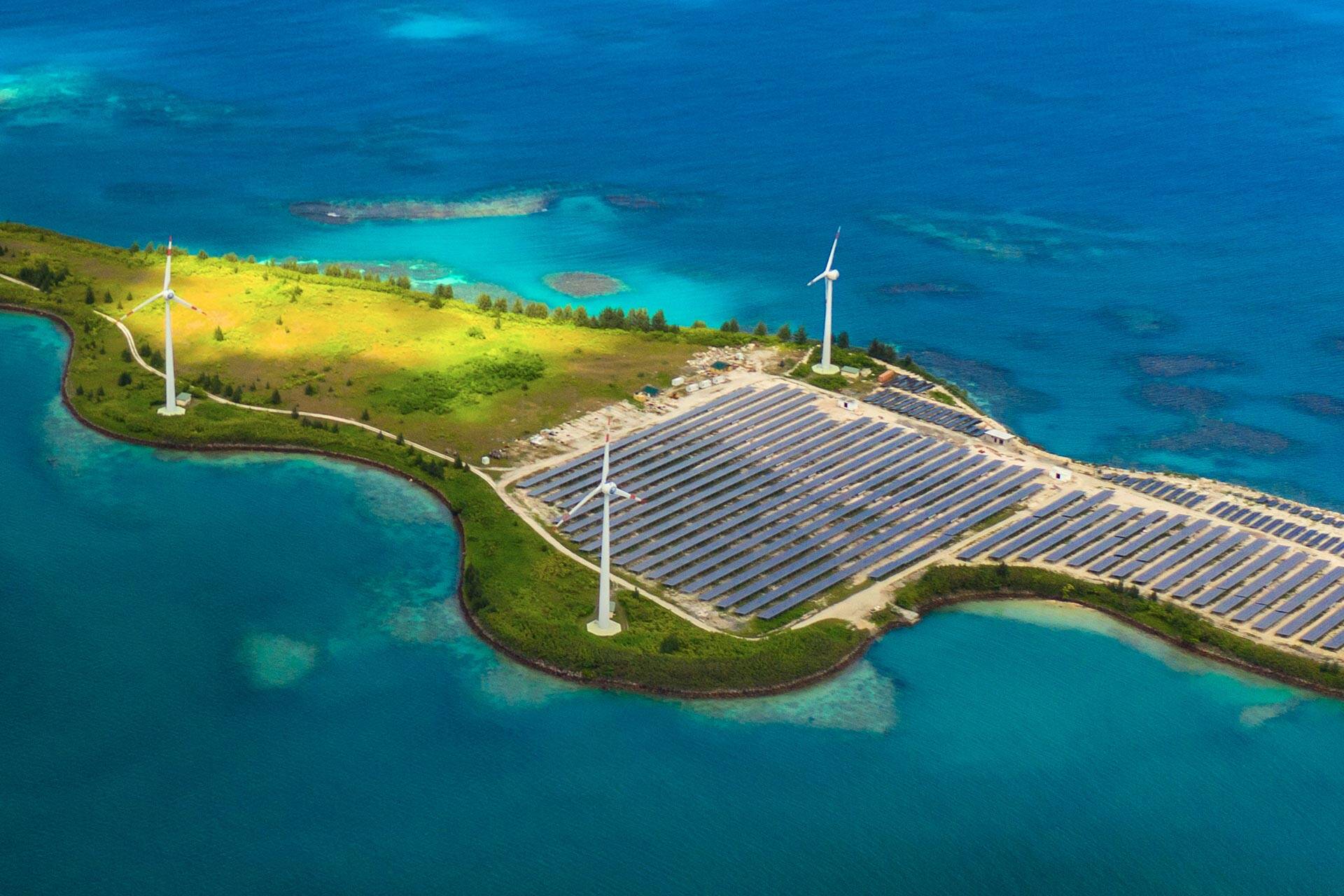
Solar microgrids, stand-alone energy systems that combine photovoltaic panels, battery storage, and intelligent energy management, are revolutionizing the way rural and remote communities access electricity.
Thanks to these plants, many areas of Fiji that once relied on expensive, polluting diesel generators now have clean, reliable power. According to recent data, over 50 percent of the country's energy production already comes from renewable sources, with the goal of reaching 100 percent by 2030.
A concrete and constant commitment to the environment
Fiji is not just harnessing solar energy to reduce carbon emissions. The Suva Government has implemented ambitious policies to promote energy innovation, including subsidies for solar panel installations and partnerships with international green technology companies. The country was also among the first to ratify the Paris Climate Agreement, demonstrating strong and consistent political commitment.
“Fiji is demonstrating that even small island states can be pioneers in the energy transition,”
says the doctor James hansen, expert in renewable energy and climate change.
“Solar microgrids not only reduce dependence on fossil fuels, but also create economic opportunities and improve community resilience to extreme weather events.”
This last point is particularly relevant. Fiji, like many other Pacific countries, is among the nations most vulnerable to the effects of climate change, including rising sea levels and increased frequency of tropical cyclones. Solar microgrids, being decentralized and modular, ensure greater energy stability even in the event of natural disasters.
The decisive support of the United States and the United Arab Emirates
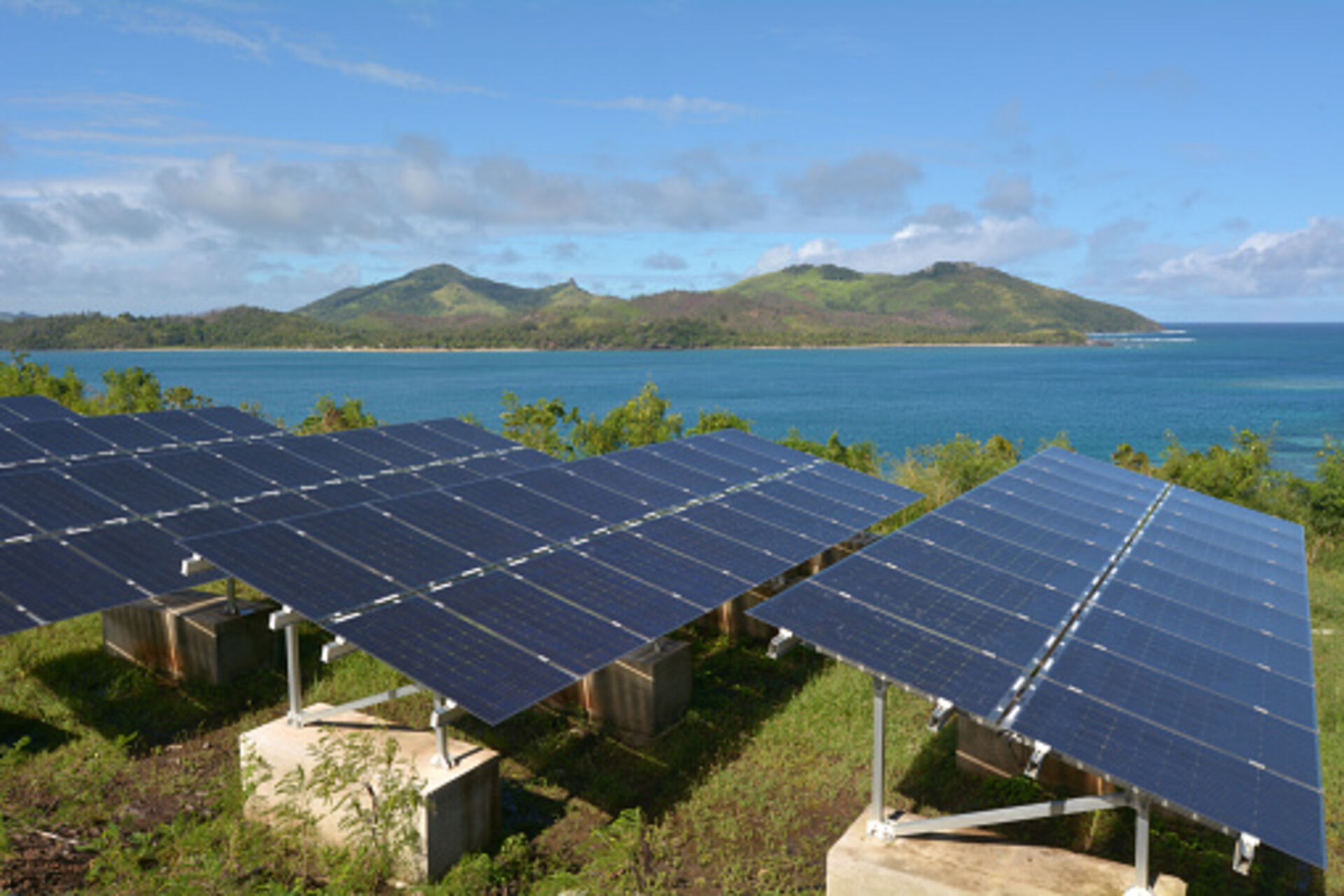
In its policy of climate neutrality through the use of renewable energy, the country has found many allies. The U.S. Trade and Development Agency has played a significant role in the development of microgrids in Fiji. In May 2023, the USTDA awarded a grant to the local Ministry of Finance for a feasibility study to support the development of up to 75 solar mini-grids with energy storage systems. This project aims to support Fiji's goals of 100 percent rural electrification and renewable energy generation by 2036, providing energy to some of the country's most isolated island populations.
The feasibility study, led by Arizona State University’s Laboratory for Energy and Power Solutions (LEAPS) in partnership with the Global Green Growth Institute, assessed 300 remote communities without reliable access to electricity and selected 75 for an estimated $60 million capital investment to build hybrid solar PV mini-grids. These installations will replace diesel generators, improving energy access for indigenous communities. The project, which uses Xendee’s distributed energy resources platform, is a significant step toward Fiji’s goal of providing electricity to all rural areas and generating all energy from renewable sources by 2030.
Fiji has undertaken several microgrid projects to improve access to sustainable energy in remote communities. In 2015, three solar microgrid projects were implemented: a 249 kW on Kadavu Island, a 153 kW on Lakeba, and a 153 kW on Rotuma, all with the help and support of the Government of the United Arab Emirates.
From the great blue ocean an example for the world
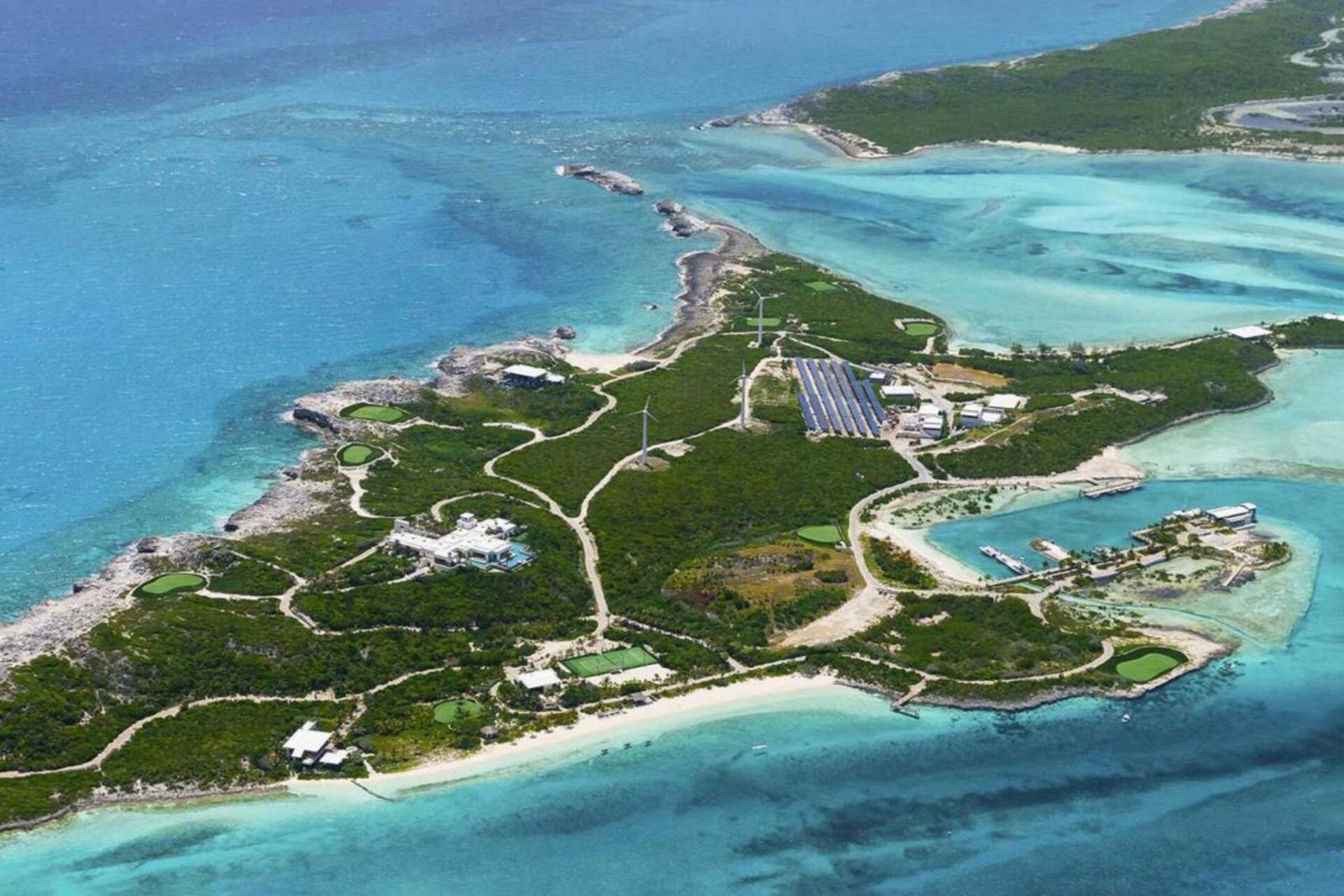
The experience of local authorities offers valuable lessons for other countries, especially developing ones. The combination of forward-looking public policies, investments in green technologies and involvement of local communities represents a replicable model to accelerate the global energy transition.
At a time when the climate crisis demands urgent and innovative solutions, Fiji is demonstrating that a sustainable future is not only possible, but already happening. Through their efforts, they are writing a new chapter in the history of clean energy, inspiring the world to follow their example.
Nathan Johnson at the USTDA Minigrid Project Signing Ceremony in Fiji
Here are three insights that might interest you:
Rising Seas: “If We Save the Pacific, We Save the World”
In Rome the largest self-consumption photovoltaic system in Europe
Micronesia, Innovation and Sustainability in the Western Pacific