SEARCH


EPFL researchers have developed a mechanism that can convert heat into electrical voltage at the ultra-low temperatures of quantum circuits
EPFL engineers have developed a device capable of converting heat into electrical voltage a temperatures lower than those of deep space. This innovation could play a major role in the advancement of technology quantum calculation: quantum computers, in fact, can only work at extremely low temperatures, which makes it impossible (yet) to design devices capable of functioning outside of an equipped laboratory.
The researchers of Laboratory of Nanoscale Electronics and Structures (LANES) of EPFL, led by Andras Kis, have now fabricated a device that not only operates at extremely low temperatures, but does so with an efficiency comparable to current room temperature technologies. The results of the study were published in the journal “Nature Nanotechnology”.
Those defects in semiconductors useful for quantum supercomputers
Towards compact quantum computers thanks to… topology
Cooling: an obstacle to the development of quantum computers
I quantum computers they are computing devices whose fundamental elements, starting from the information units, behave according to the laws of quantum mechanics, exceeding the horizon of binary data and making the quantum properties of the data available for computation. A quantum computer operates with quantum bits, or quibit, whose state can correspond to several classical values simultaneously, which allows it to achieve a computational speed impressive, not comparable to that of classic computers.
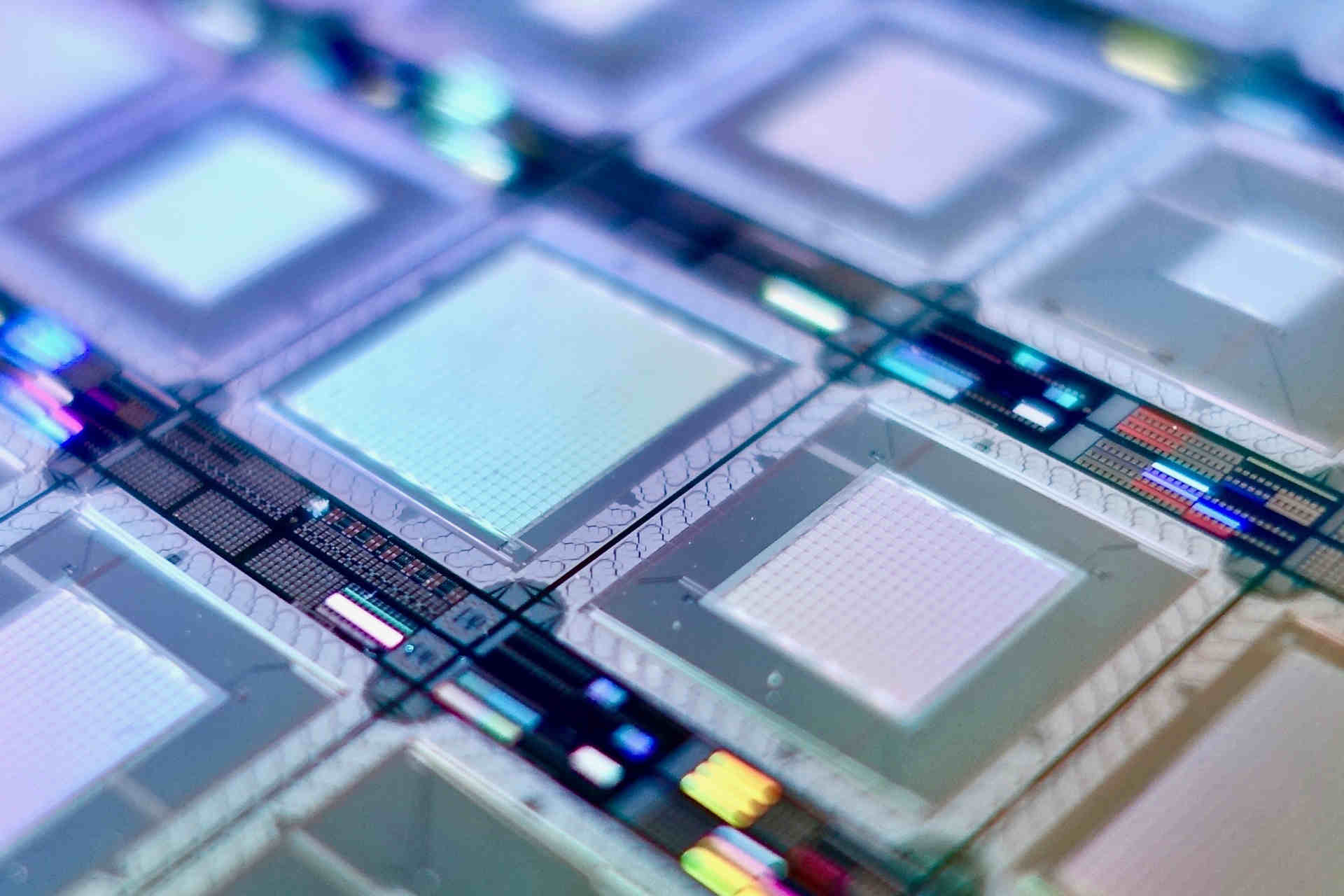
To perform quantum calculations, however, an extremely protected environment is needed: the sources of noise they can in fact reduce the accuracy of the calculation, or even destroy the quantum information, and the thermal noise it is one of the most difficult obstacles to overcome. Therefore the qubits are cooled to extreme temperatures, in the order of millikelvins (almost -273 °C), in order to slow down the atomic movement and reduce this noise to a minimum.
In recent years it has become increasingly clear to scientists that if there is one thing that physically prevents us from bringing quantum computers to our desks it is precisely the infrastructure necessary to cool computers. Research is therefore focusing on two possible solutions: designing systems capable of operating at room temperature (including designs with photonic qubits) and studying mechanisms that allow optimizing the cooling of quantum computers.
EPFL's "recipe" for more powerful quantum computers
"Monstrel" support for research on quantum materials
Exploit the famous Nernst Effect at ultralow temperatures
In order to build more powerful quantum systems, it is necessary overcome the obstacle of thermal noise generated by the electronic components more efficiently. Most current technologies, explain EPFL researchers, are forced to separate quantum circuits from their electronic components, but this causes noise and inefficiencies that hinder the realization of larger quantum systems outside the laboratory.
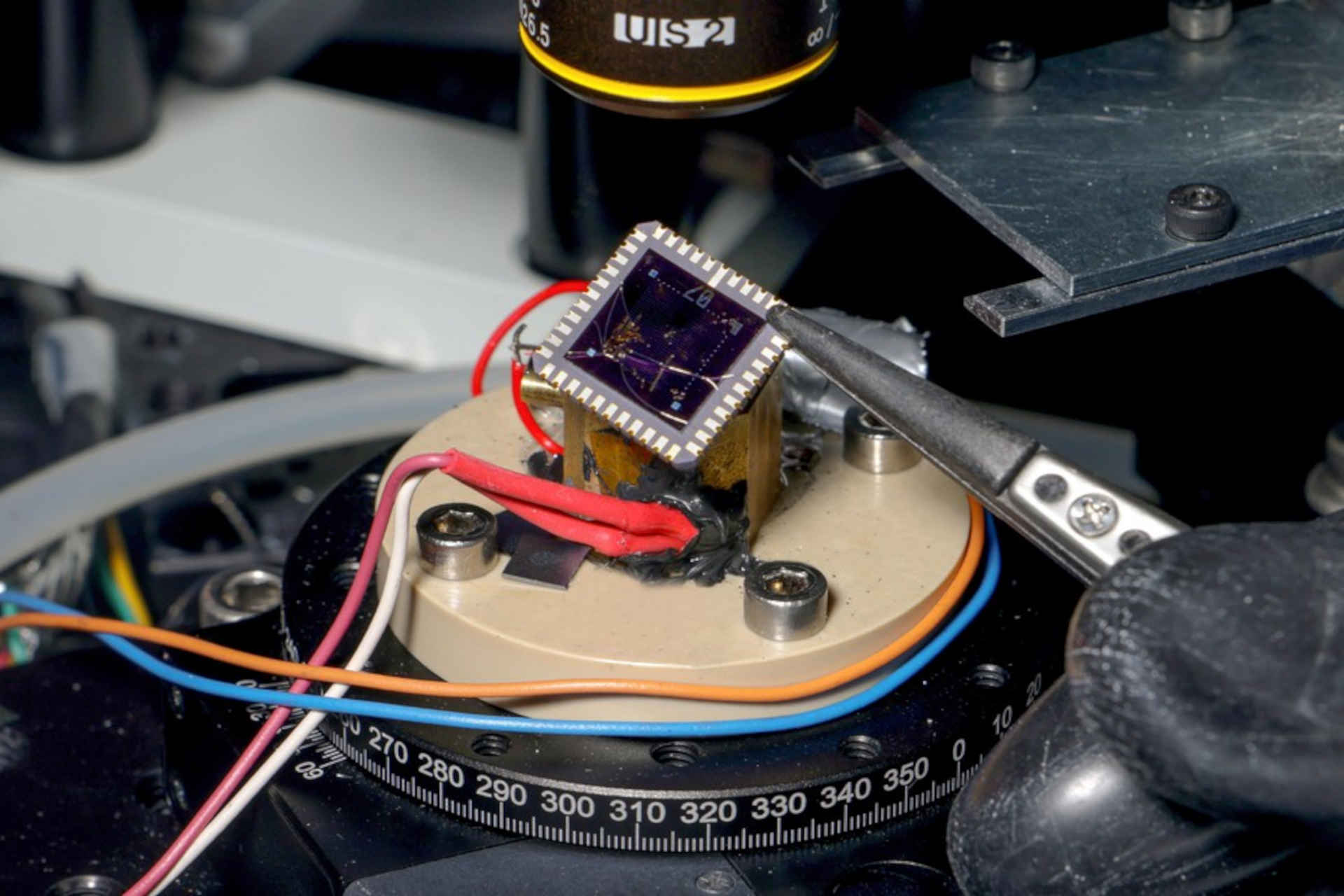
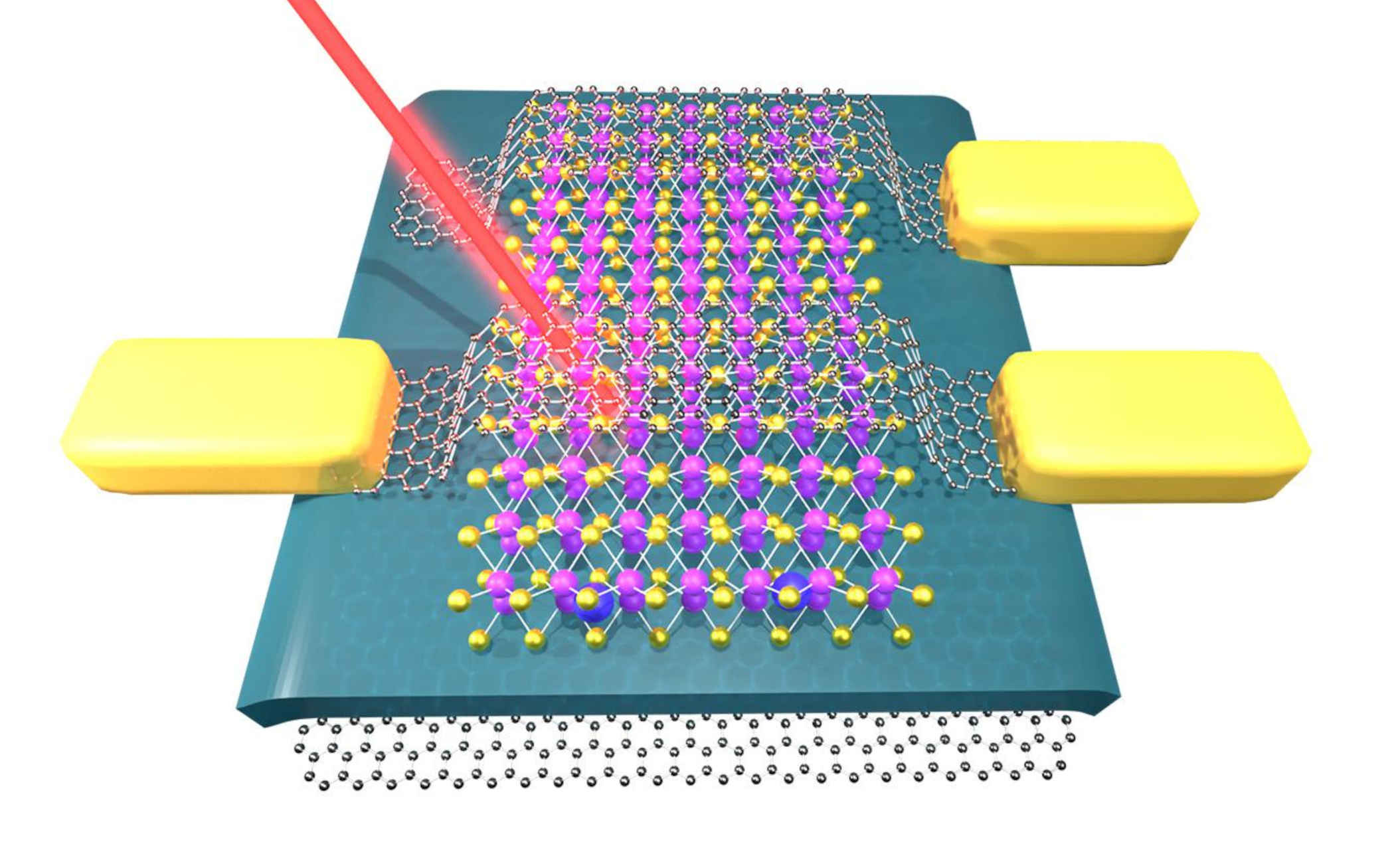
In this context the revolutionary device designed in the Laboratory of Nanoscale Electronics and Structures (LANES): combining the excellent electrical conductivity of graphene with the semiconductor properties of indium selenide, this mechanism of the thickness of a few atoms behaves like a two-dimensional object, allowing to obtain unprecedented performances, comparable to those of current technologies at room temperature.
The device uses theNernst effect, a complex thermoelectric phenomenon that generates an electric voltage when a magnetic field is applied perpendicularly to an object at variable temperatures (and which is not the first time that attempts have been made to apply to the sub-Kelvin regime, precisely because of the potential applications in technologies quantum).
Converting heat into voltage at such low temperatures is usually extremely difficult, but the new device and its ability to exploit the Nernst effect make it possible, filling a critical gap in quantum technology.
"We are the first to create a device that matches the conversion efficiency of current technologies, but operates at the low magnetic fields and ultra-low temperatures needed for quantum systems,” says the LANES doctoral student Gabriele Pasquale, "this work is truly a step forward".
The Open Quantum Institute will be the pinnacle of scientific diplomacy
How the ENI "Tokamak" that breaks atomic bonds works
A result that can revolutionize cooling systems
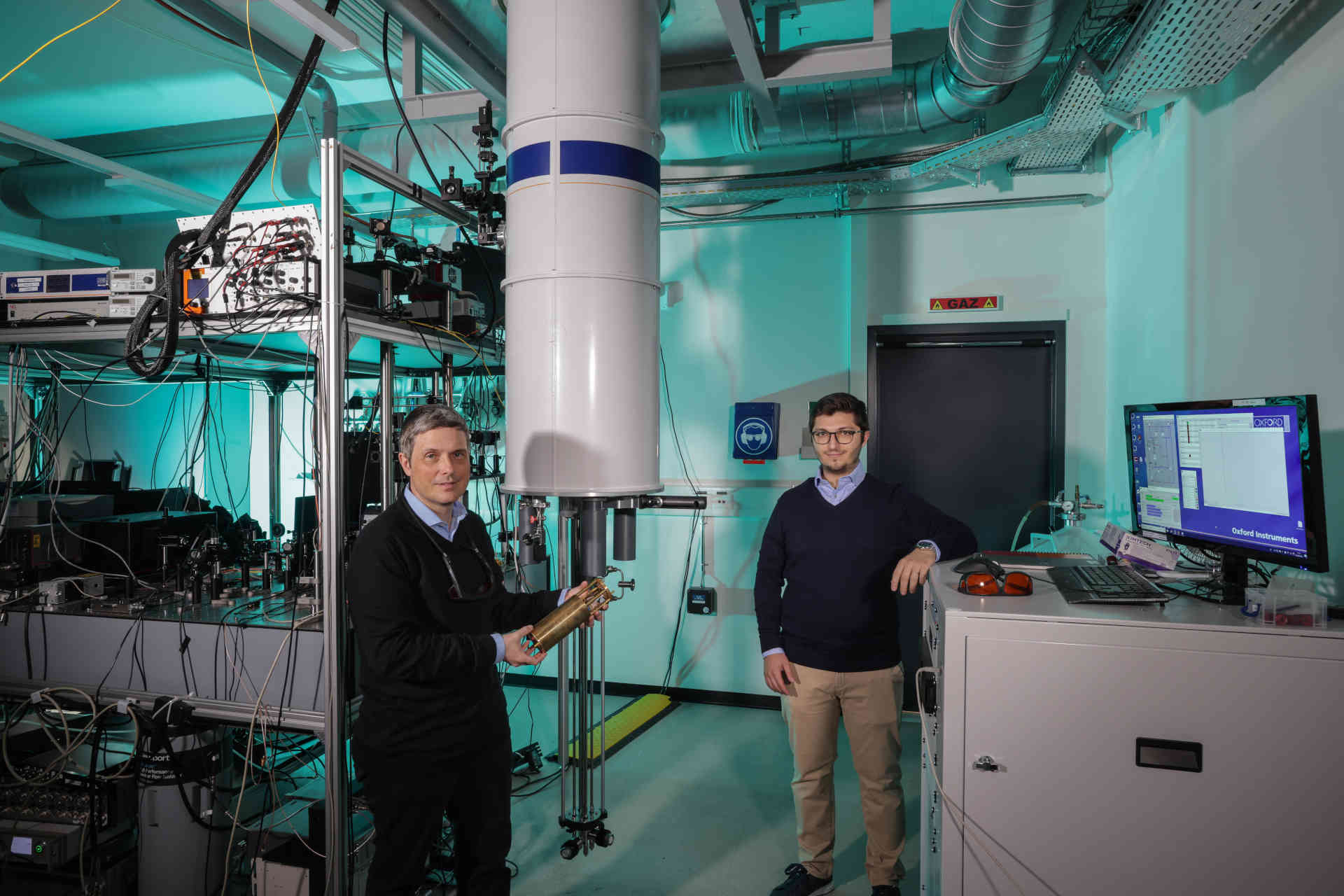
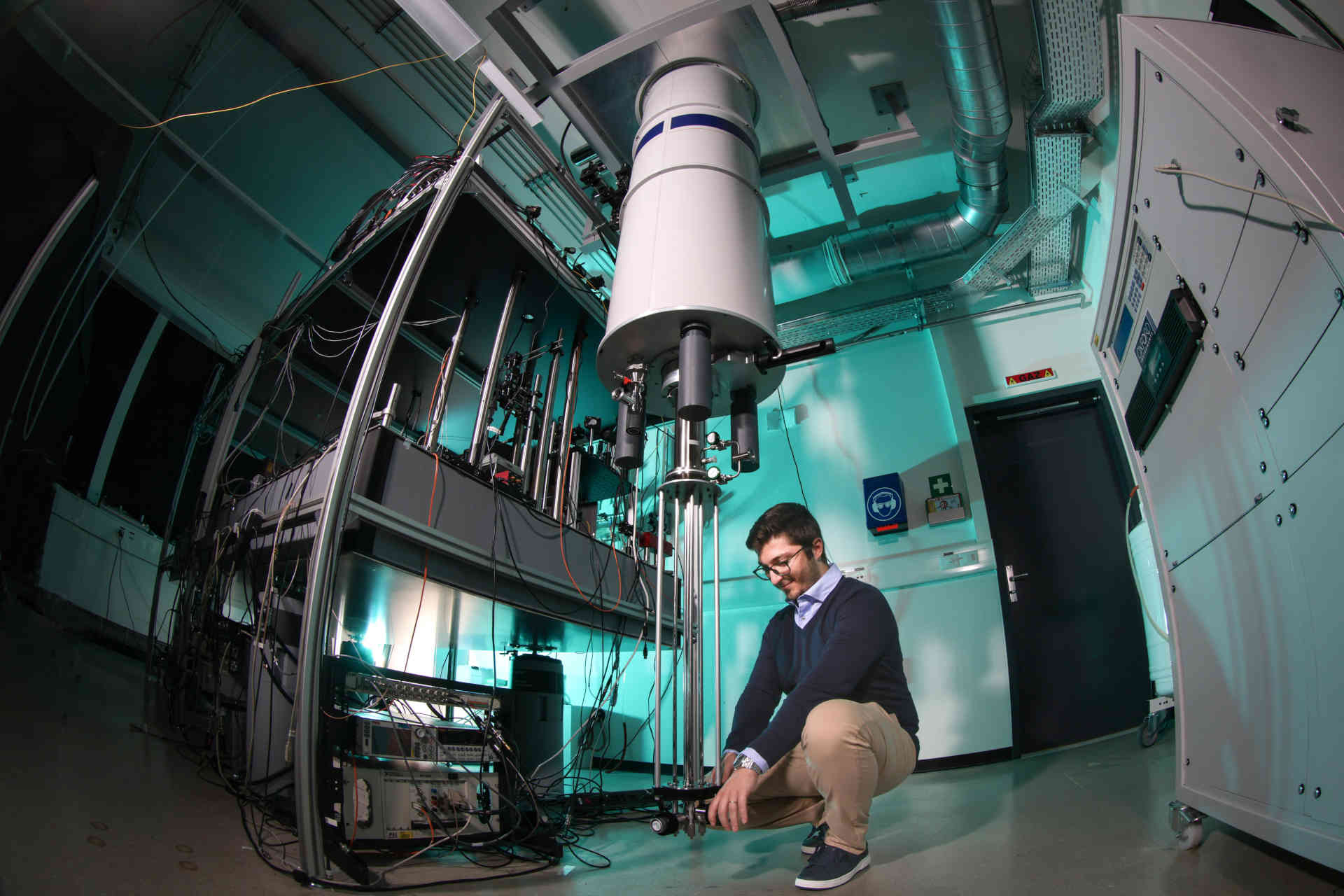
The solution identified by EPFL engineers lies in the two-dimensional nature of the device, which allows the efficiency of this mechanism to be electrically controlled even at ultralow temperatures. The experiments involved the use of a laser as a heat source and a specialized dilution chiller to achieve the 100 millikelvin, an even colder temperature than deep space.
"If we think about a laptop in a cold office, the laptop heats up during operation, causing the room temperature to rise as well”, explains Pasquale, “In quantum computing systems, there is currently no mechanism that prevents heat from disturbing the qubits. Our device could provide this necessary cooling".
A physicist by training, Pasquale underlines that this research is significant because it sheds light on the conversion of thermal power at low temperatures, a phenomenon that has so far been little explored. Given the high conversion efficiency and use of potentially producible electronic components, the LANES team also believes that their device could be already integrated into existing low-temperature quantum circuits.
"These results represent a major advance in nanotechnology and hold promise for the development of advanced cooling technologies essential for quantum computing at millikelvin temperatures.“, says Pasquale. “We believe this result can revolutionize cooling systems for future technologies".
Goodbye to Niklaus Wirth, the Swiss who whispered to computers for a long time
Video, the timelapse of the Leonardo supercomputer installation