SEARCH


From EPFL laboratories, a new method to produce compounds faster that can be used to create the medicines of the future
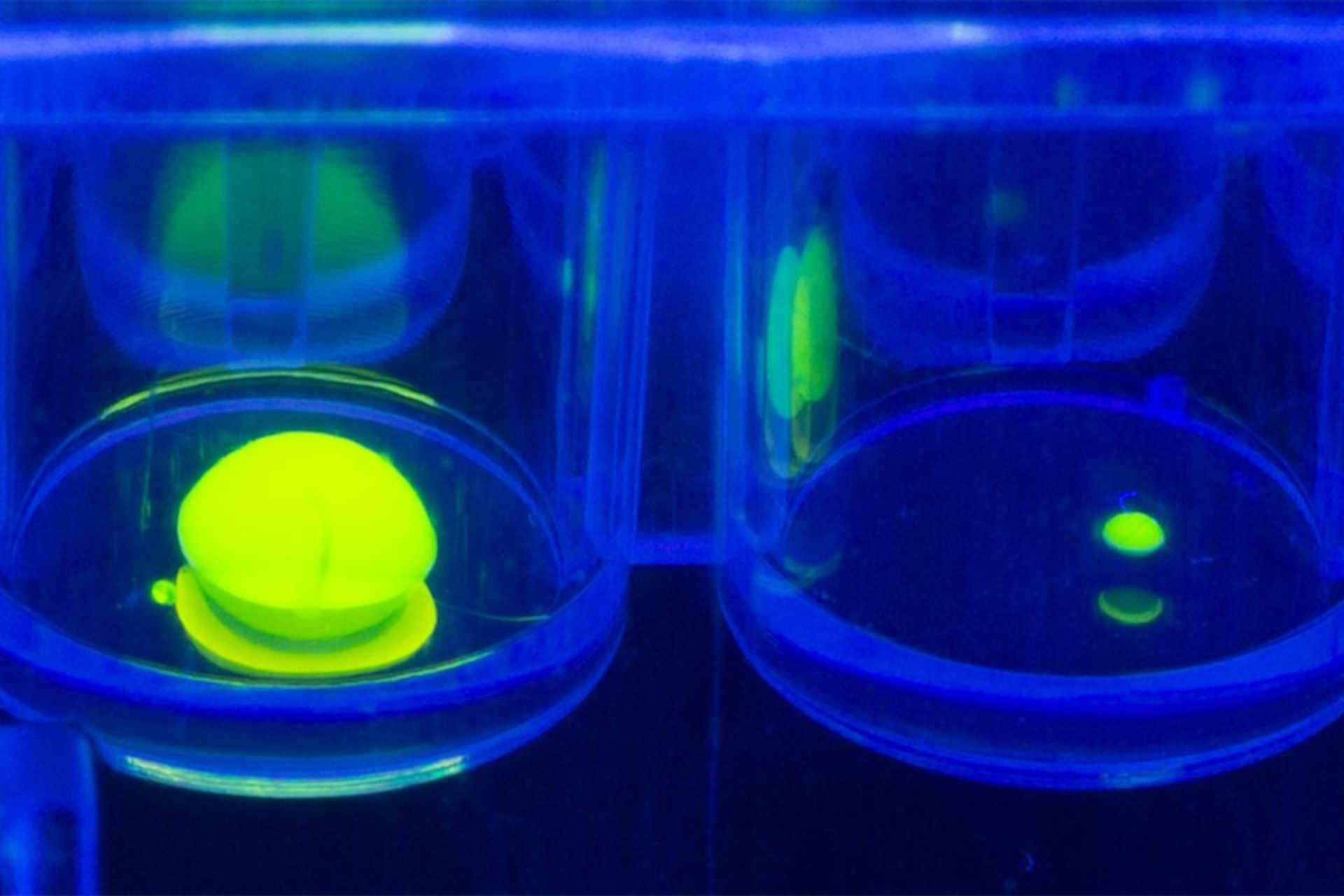
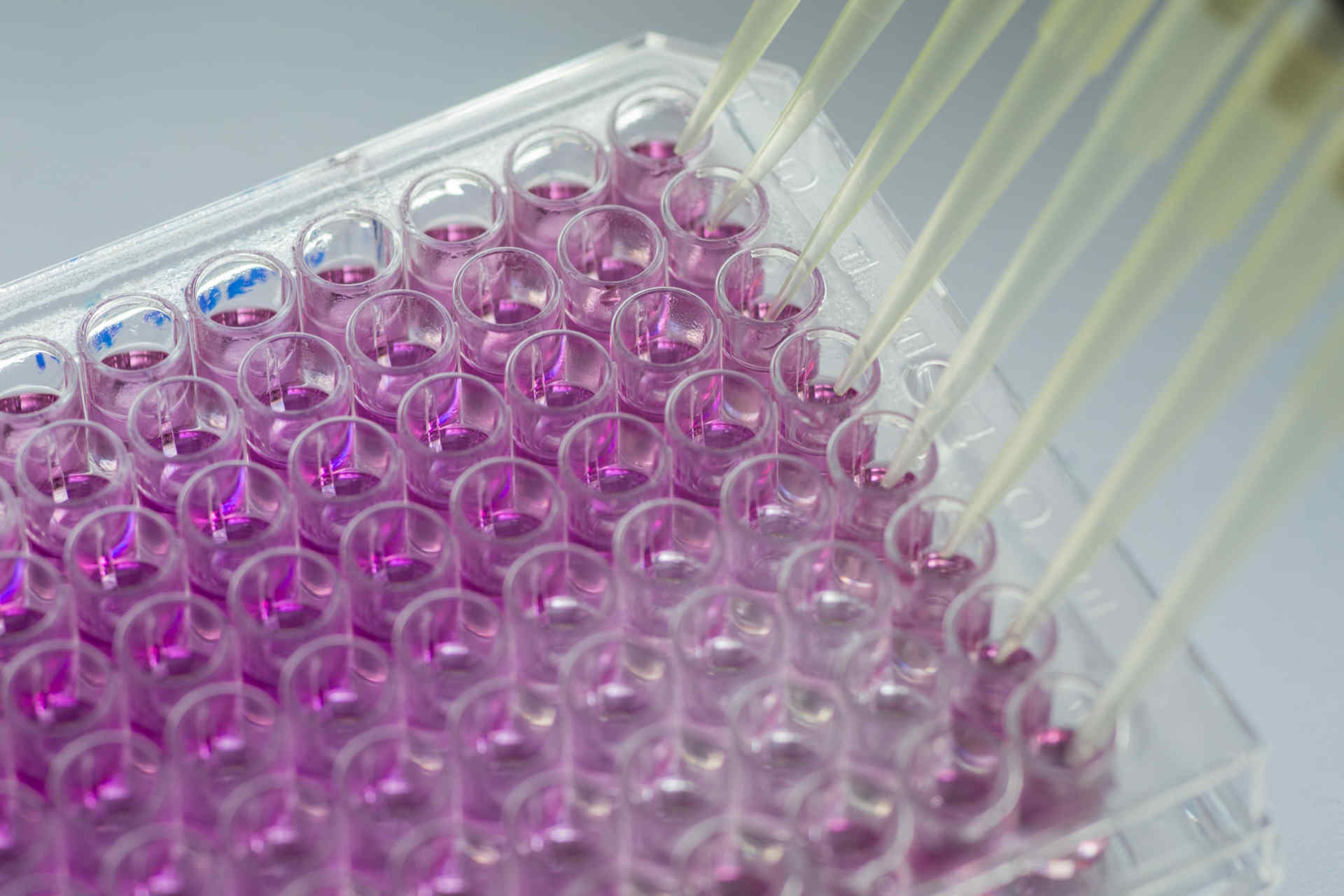
A volume of 80 nanoliters in a microwell plate (about 1 millimeter in diameter), such as those used in high-throughput screening (Photo: Mischa Schüttel/EPFL)
The researchers ofFederal Institute of Technology in Lausanne (EPFL) have developed a new method that allows them to obtain and identify tens of thousands of macrocyclic compounds in just half a day.
This is a crucial innovation especially for research in the pharmacological field: macrocycles, in fact, are molecules widely used for development of new drugs capable of "hitting" targets considered difficult, such as some tumors.
Le chemical libraries, the "databases" of molecules used to identify possible candidates to become drugs will thus be able to count on much richer collections of compounds, created quickly and sustainably.
The surprises of chemistry: so plastic waste becomes soap
An innovative quantum technology entirely based on carbon
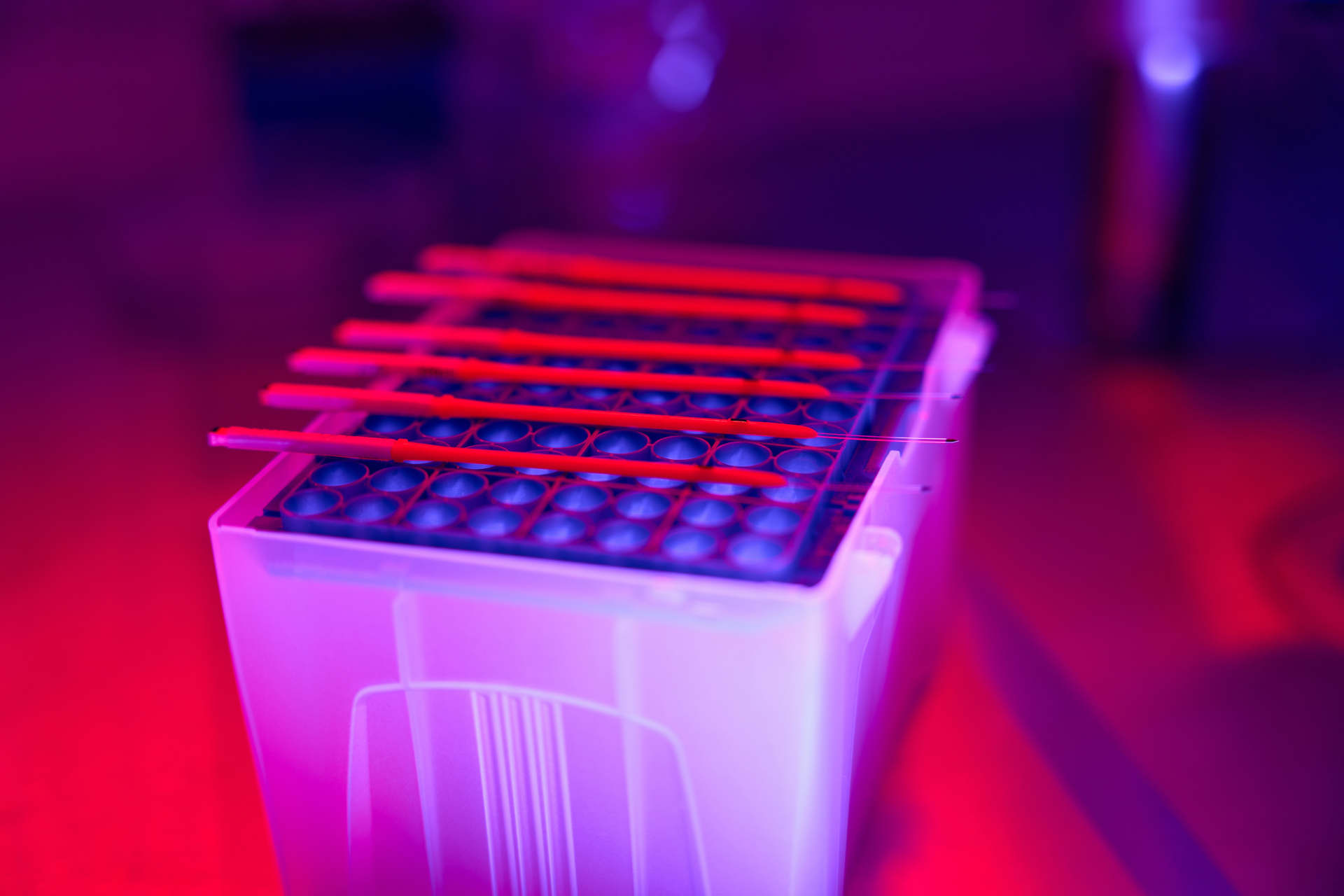
Samples with different reagents on a cell culture surface: in the target-based approach, new drugs are identified starting from the target they must hit (Photo: Envato)
Chemical libraries for the development of truly innovative medicines
At the dawn of pharmacology, drugs were synthesized starting from the derivatives of some medicinal plants, or discovered in a more or less fortuitous manner in the context of scientific research. The real turning point for the discipline, already flourishing at the end of the nineteenth century, came in the sixties of the last century, when the important discoveries in the field of biochemistry they allowed us to start develop new drugs starting from a more rational design.
Thanks to the increasingly detailed understanding of functioning of the receptors, the search for new active ingredients became a more methodical and rational activity, which could exploit "reverse engineering" to develop new compounds capable of binding to this or that molecule.
Today, many drugs are designed according to the model target-based drug discovery, i.e. starting from the target on which we want to intervene: a good part of the research is therefore aimed at identifying new molecules capable of acting on the targets and producing the desired therapeutic effects.
One of the most used methods to identify new compounds and active ingredients is that of high intensity screening (High-throughput Screening), which allow you to test the action of a large number of chemical compounds on a given target protein.
Le libraries chemical in this sense they perform a function of primary importance: we can imagine them as gods database which allow you to preserve and catalog a large quantity of chemical substances, potential drug candidates available to scientists searching for new treatments.
Nature makes you… young! So green slows down aging
The key innovation of the biomedical district of Mirandola
A very promising class of molecules for the drugs of the future
Today pharmaceutical companies have access to libraries chemical in which even one or two million "micromolecular" compounds are collected and cataloged. In many cases, however, traditional screening techniques do not allow the identification of possible drug candidates because the libraries do not contain compounds that bind sufficiently strongly to the target.
A solution in this sense is constituted by macrocycles, an emerging class of molecules capable of effectively binding to particularly difficult targets to attach, like some proteins.
The problem is what macrocycle libraries currently contain a maximum of 10.000 compounds, which greatly limits the possibilities of finding the right candidate to unleash against a certain target disease.
The discovery from which an entire generation of new drugs could arise occurred last year in the laboratories ofFederal Institute of Technology in Lausanne: a group of chemists has developed a new method to generate and identify quickly and sustainably thousands of macrocyclic compounds, significantly feeding the available libraries.
The discovery, which opens new possibilities for the treatment of serious diseases such as tumors, it is due to the team of teacher Christian Heinis from the School of Basic Sciences at EFPL. The results of the research, born from the collaboration with the Universities of Padua and Venice, were published in July 2022 in the international magazine "Nature Communications".
What do many food excellences and Heparin have in common?
MSD, the pharmaceutical sector in the Netherlands turns green
“Accelerated” production of macrocycles in a tiny living space
In most research programs aimed at discovering new drugs, explains theCa 'Foscari University, "a large number of structurally diverse chemical compounds collected over many years are tested against a given target protein".
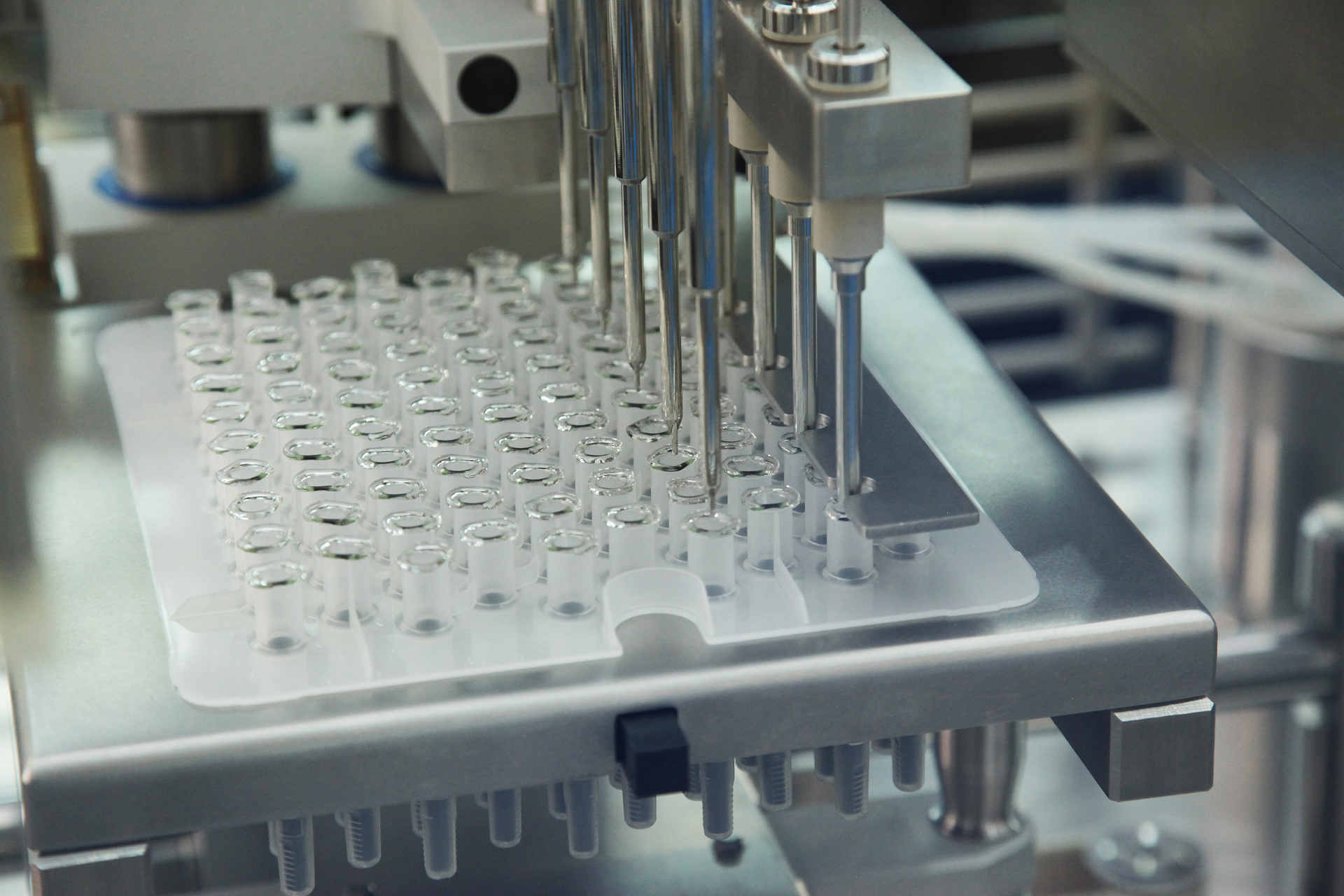
These experiments are usually performed in plates with hundreds of microwells, each containing a compound to analyze. As is easy to imagine, it is about "a procedure that requires many days, huge costs and high consumption of chemicals”, and which does not always lead to the identification of promising molecules.
The one developed in the laboratories ofEPFL is a new method that allows you to synthesize large collections of compounds extremely quickly, thanks to the miniaturization of processes and the use of acoustic waves.
Working on extremely small volumes, in the order of nanoliters, and mixing the reagents at high speeds thanks to the use of Acoustic Droplet Ejection (ADE), it was possible to obtain dozens of thousands of different compounds in just half a day.
"Our approach is based on combining a large number of different macrocyclic scaffolds 'm' with a myriad of chemical fragments 'n' to generate different macrocyclic compounds 'mxn'”, explains the Professor Christian Heinis.
"Per esempio”, continues the professor, “we generated a library of 19.968 macrocycles by reacting 192 macrocyclic scaffolds with 104 carboxylic acid fragments".
Shrink the processes down to the picomolar scale, working in very small drops, allowed us to speed up the process and make it more sustainable.
Parabulina is the name of the new "punisher" of parasites
An innovative (and reasoned) diet to beat cholesterol
X-ray molecules and the prospects for the development of new treatments
Scientists on Dr. Heinis' team experimented with the reactions in microscopic volumes (40 nanoliters) and transferred the reagents using acoustic waves.
Sevan Habeshian, the doctoral student leading the project, tested the new method by applying it to the development of nanomolar thrombin inhibitors (target of drugs against heart disease) andMDM2:p53 protein-protein interaction, a target of anticancer therapies.
Thanks to the collaboration withUniversity of Padua andCa 'Foscari University of Venice, the researchers were able to investigate the three-dimensional X-ray structure of the thrombin inhibitor bound to the target protein.
"The resolution of the three-dimensional X-ray structure revealed that both components, the introduced chemical groups but also the skeleton of the macrocycle itself, contribute fundamentally to the bond”, Explains the professor Laura Cendron, professor at the Department of Biology of the University of Padua.
The macrocyclic compounds obtained with the new method are therefore confirmed effective in binding to difficult proteins, and the new enriched libraries could contain cures for diseases that are still problematic to treat pharmacologically.
"We are applying this approach to the development of macrocyclic compounds directed at a variety of problematic targets”, so it's difficult develop new drugs starting from classic micromolecules, Heinis explains further.
"Given their small size and small polar surface area, macrocyclic compounds have a good chance of crossing cell membranes”, continues the Swiss teacher, “which means they can be used to develop drugs for intracellular targets or even medicines to be taken orally".
Hemp for sale: unprecedented experimentation in Basel-City
Everything "innovative" there is to know about Vitamin D