


 SEARCH


The disturbing results of an EMPA research with a chemical method that determines the contamination of samples with a mass spectrometer

Austrian-Swiss teamwork for research on nanoplastics in the atmosphere and snow: scientists ascend to the research station in the Hohe Tauern National Park
(Photo: Bernhard Niedermoser/ZAMG)
In a large-scale fundraising campaign, popular YouTubers like “Mister Beast” and Mark Rober are trying to free the oceans from nearly 14.000 tons of plastic waste.
This is about 0,15 percent of the amount of petroleum-derived substances that ends up in the world's largest seas each year.
But it's not just them our waters to be crammed with plastic: a new study shows that the diffusion of nanoplastic in the air is a more widespread problem than previously thought.
Plastic and chemistry: all the outlines of a… “dangerous” relationship
The first "talking label" of recycled plastic is born
Plastic and chemistry: all the outlines of a… “dangerous” relationship
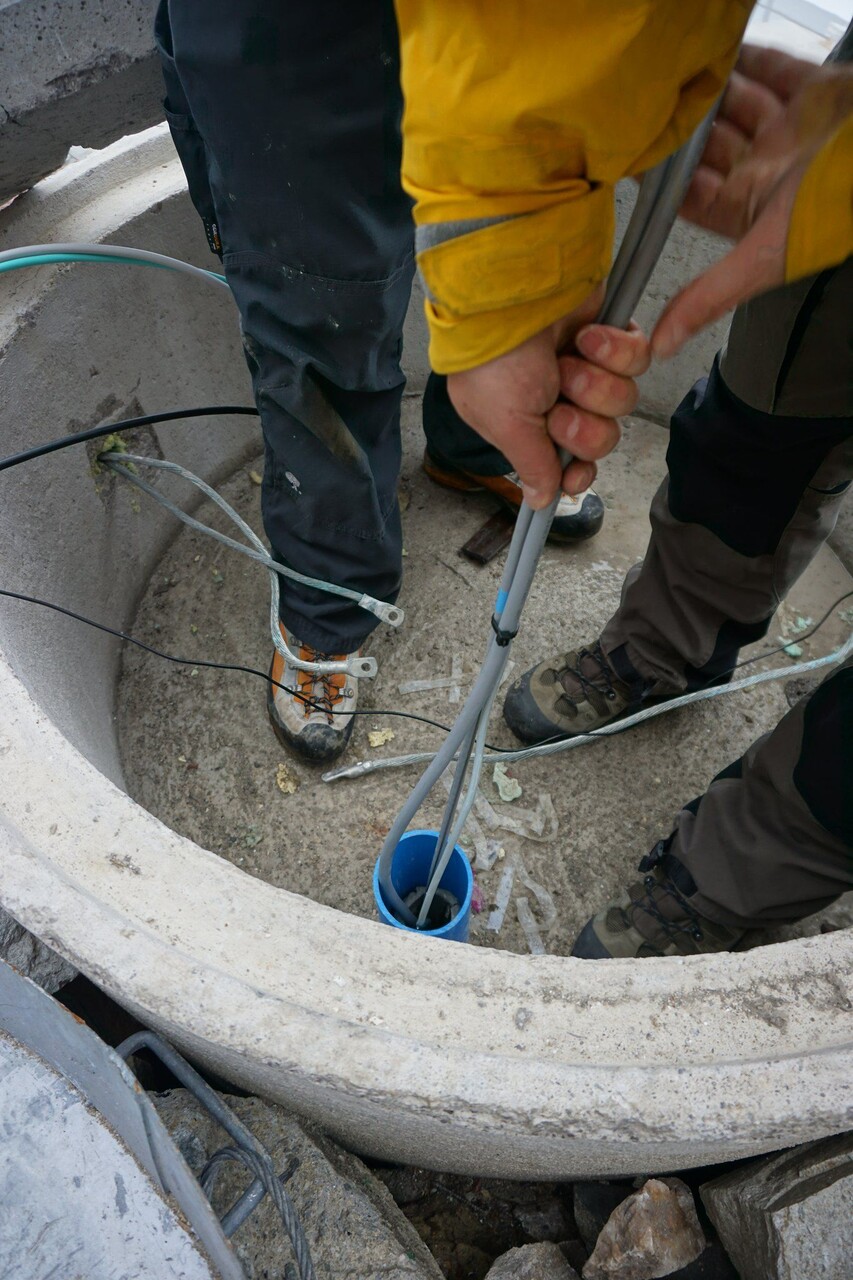
(Photo: ZAMG)
A monstrous 3.000 tons of nanoplastics blanket the federal state each year
In new research, the researcher of theEMPA Dominik Brunner, together with colleagues from theUtrecht University and Austrian Central Institute for Meteorology and Geophysics, analyzed the amount of plastic that comes to us from the atmosphere.
According to the study, some nanoplastics they travel over 2000 kilometers in the air.
According to the figures obtained from the measurements, about 43 trillion mini particles of plastic bags they “land” on Switzerland every year.
I researchers I still don't agree on the exact number.
But according to study estimates, it could be as many as 3.000 tons nanoplastics which cover the Switzerland every year, from the most remote areas of Alps to the urban plains.
These estimates are very high compared to other studies, and more research is needed to verify the numbers.
The studio is a scientific territory unexplored why the spread of nanoplastics in the air is still largely unexplored.
The search result of Dominik Bruner is the most accurate record ofair pollution from nanoplastics ever made.
To count plastic particles, the scholar Swiss and his colleagues have developed a chemical method which determines the contamination of samples with a mass spectrometer.
Future chemistry: the new challenges of the industry for sustainability
From the sea to the digital museum: Archeoplastica is saving the planet
Chemical risk: knowing it, preventing it and treating it…
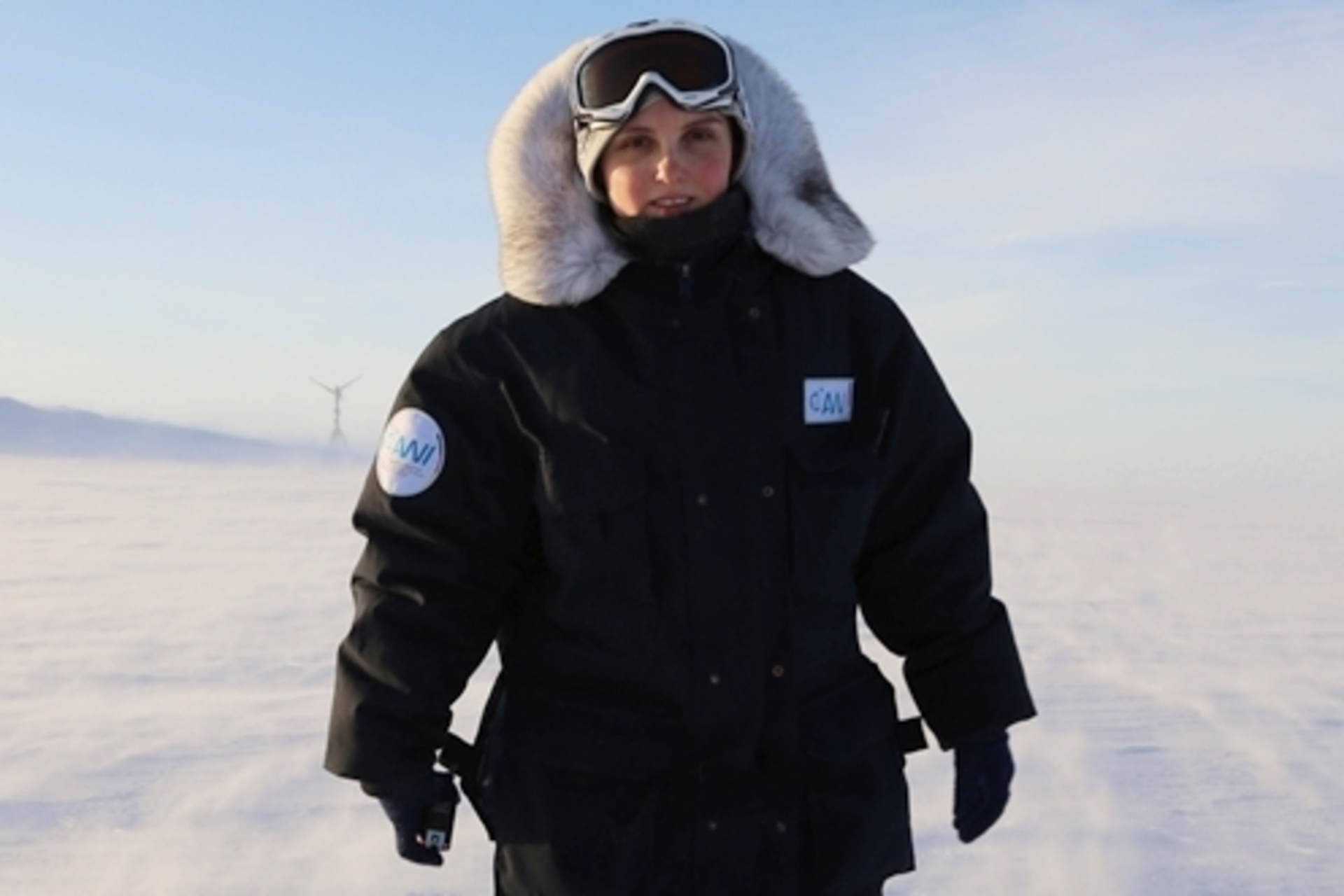
(Photo: Elke Ludewig/Alfred-Wegener Institute)
At 3.106 meters at the top of the mountain "Hoher Sonnenblick" in the Hohe Tauern National Park
Scientists studied a small area at an altitude of 3106 meters at the top of the Mountains “Hoher Sonnblick” in the Hohe Tauern National Park in Austria.
Here, since 1886, there has been an observatory of theCentral Institute of Meteorology and Geodynamics.
The observatory is run by the Arctic meteorologist and researcher Elke Ludewig.
Since research began on site in the late XNUMXth century, the observatory has been inactive for only four days.
La research station it also served as the basis for the study of the diffusion of nanoplastics in remote areas.
Every day, and in all weather conditions, the scientists removed some of the top layer of snow around a marker at 8am and carefully stored it.
The contamination of the samples by the nanoplastics present in the air or on the clothes of the scientists posed a particular challenge.
In the lab, researchers sometimes had to stand still when a colleague handled an open sample.
Those reactions on a gold base pioneering a "new chemistry"
Plastic and oceans, so sunlight makes it… “invisible”
Circular economy: industrial waste becomes eco-chic furniture
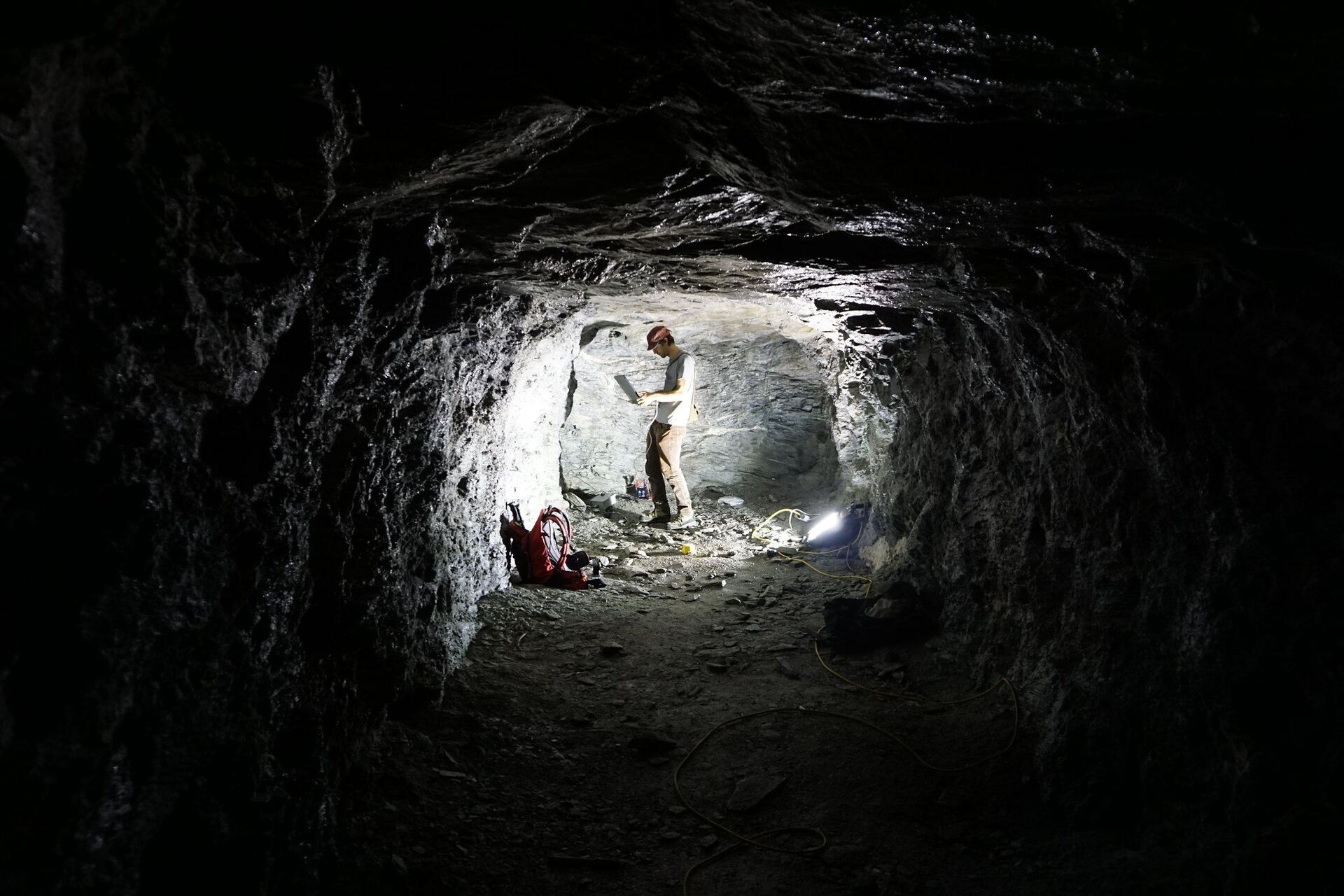
(Photo: ZAMG)
About 30 percent of the particles come from a radius of 200 kilometers and primarily from cities
The origin of the tiny particles was traced with the help of European meteorological and wind data.
The researchers were able to demonstrate that the increased emission of nanoplastic in the atmosphere occurs in densely populated urban areas.
About 30 percent of the particles nanoplastic measured at the top of the Mountains comes from a radius of 200 kilometers, mainly from cities.
However, it seems that even the plastic bags coming from the world's oceans reaches the air through the spray of the waves.
About 10 percent of the particles measured in the study were transported onto the surface Mountains by wind and atmospheric agents for over 2000 kilometres, some of which come from the Atlantic.
Chemical risk: knowing it, preventing it and treating it…
Source to Sea: the project against plastic pollution in the sea
Those reactions on a gold base pioneering a "new chemistry"
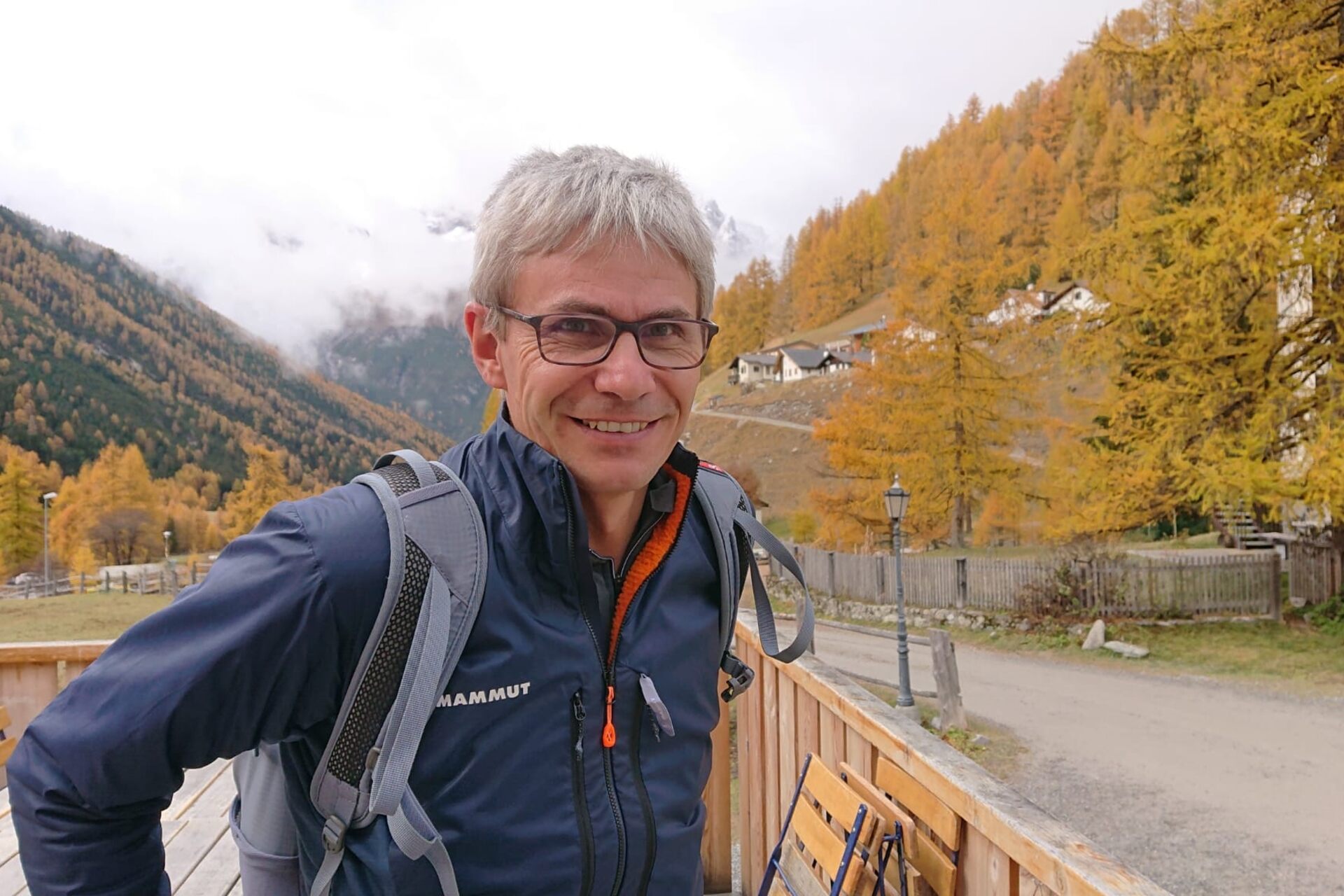
The potential risk of nanoparticles in the bloodstream being sucked up with respiration
It is estimated that more than 8.300 million tons of were produced worldwide plastic, of which about 60 percent is now waste.
These waste they erode due to atmospheric agents and mechanical abrasion from macro to micro and nanoparticles.
But plastic bags discarded is far from being the only source.
The daily use of products in plastic bags, such as packaging and clothing, releases nanoplasticse.
Particles of this size are so light that their movement in air can be compared to that of gases. In addition to plastic bags, there are other types of tiny particles.
From Sahara sand to brake pads, the world hums in the air in the form of abrasion.
It is not yet clear whether this type of air pollution pose a potential threat to the health of humans.
Nanoparticles, unlike microparticles, don't just end up in your stomach.
They are sucked deep into the lungs through respiration, where their size may allow them to cross the blood-cell barrier and enter the human bloodstream.
Whether this is harmful or even dangerous, however, remains to be understood.
Ink from waste oils: the sustainable innovation of IsusChem
Innovations and protection: Ocean Cleanup for plastic-free seas
Future chemistry: the new challenges of the industry for sustainability

A violent snowstorm on the “Hoher Sonnblick” mountain, the observatory of the ZAMG, the Austrian Central Institute for Meteorology and Geophysics, during research on plastics
(Photo: Hermann Scheer/ZAMG)


